Why An Giang?
An Giang is the Mekong Delta (메콩 델타 / 湄公河三角洲 / メコンデルタ) unplugged. No cruise-ship queues, no manicured riverside parks—just narrow canals, stilt houses, and the slow rhythm of fish farming and rice paddies. The province sits in Vietnam's far southwest, nudged against the Cambodian border, which means it has character that more visited Delta towns lost years ago. You'll see more farmers than tourists, hear more bird calls than motorbikes, and eat better than you'd expect in a place this remote.
The main town, Chau Doc, is the entry point. From there, everything spreads out by water or narrow roads that flood in the wet season. Most visitors skip it entirely—they fly into Saigon and head straight to Can Tho or Mekong homestays without stopping. That's their loss.
Top Sights
Chau Doc Floating Market
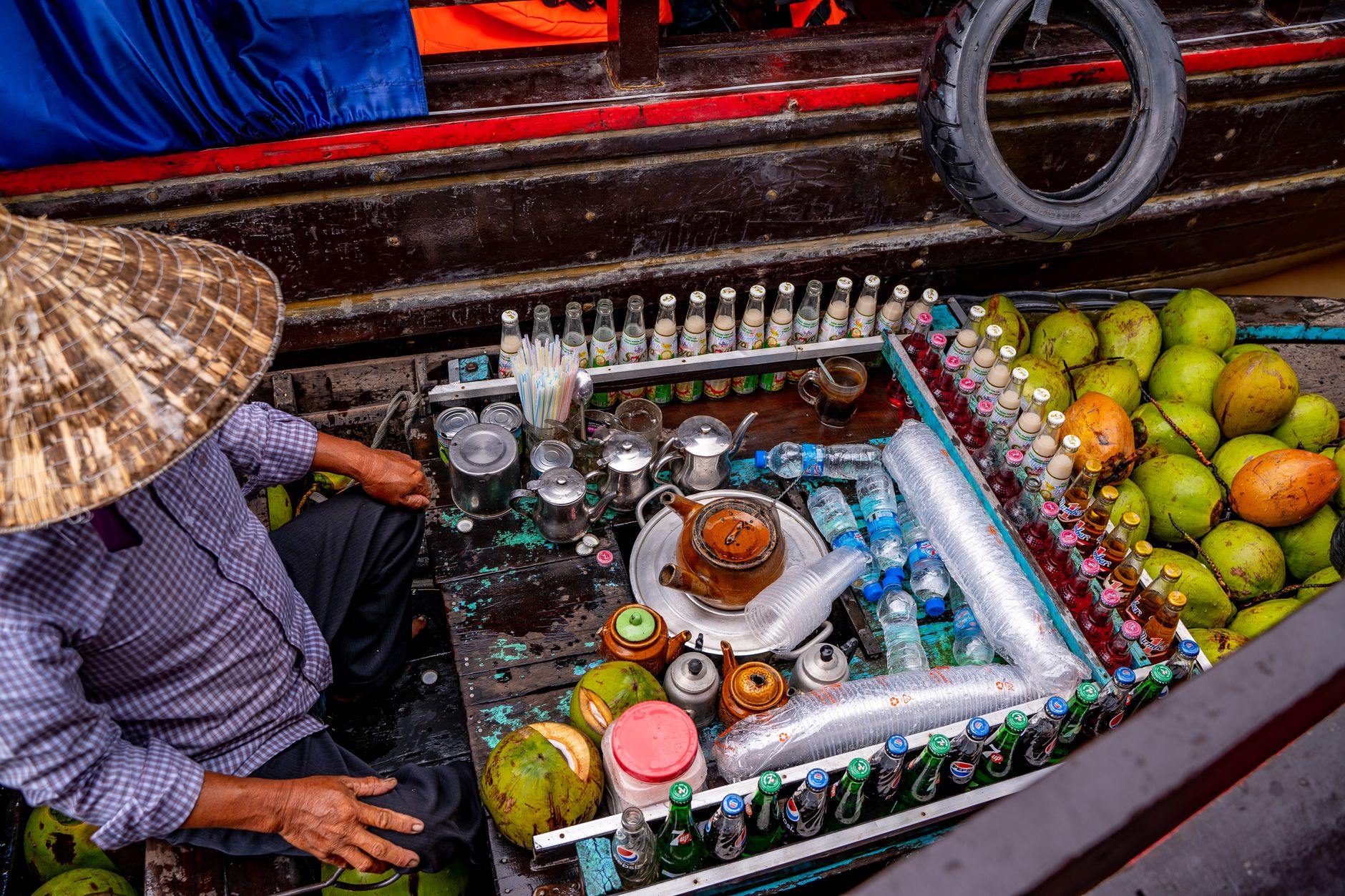
This is the reason most people come to An Giang. Unlike the overrun Cai Rang floating market near Can Tho (껀터 / 芹苴 / カントー), Chau Doc's market (Dam Noi) feels like an actual working boat village, not a tourist theater. Longtail boats cluster around fishing boats loaded with dragonfruit, citrus, and morning-glory. You'll see local buyers, wholesalers, and restaurant suppliers. Tours start at 5 a.m.—yes, that early—because by 7 a.m. the market thins out.
Expect to pay 200,000–300,000 VND for a private longtail boat (1–2 hours). Haggle gently. Skip the breakfast-on-a-boat tour packages unless you enjoy paying 500,000 VND for watered-down coffee and overpriced bánh. A better move: hire a boat, then grab breakfast at a food stall back on dry land.
Tra Su Bird Sanctuary
About 40 km north of Chau Doc, this protected wetland is where herons, cormorants, and lesser adjutants congregate at dusk. Boat tours paddle through flooded forest in late afternoon—the light is cleaner, the birds more active, the tourists fewer. The sanctuary is best December through March; June–September is swampy and buggy.
Tours: 150,000–200,000 VND per person. The park entrance is basic—a few stilts and a shed—but the landscape is worth it. Bring a camera with a decent zoom. Go with a guide, because birders have been coming here for years and local crews know where the rarer species hang.
Cam Island (Phu Tan District)
An actual island in the Mekong, Cam Island is home to a small community of fruit farmers and a smattering of pagodas. It's reachable by ferry from Chau Doc (45 min, ~30,000 VND return). Walk around, eat custard apple or mango at a farm stall, visit the Cam Island Pagoda (Chua Cam Island), and bike back to the ferry. Most tourists don't bother. That means it's quiet.
Hidden Gems
Sam Mountain (Nui Sam)
Just 7 km from Chau Doc, Sam Mountain (a modest 230 m rise) is dotted with temples and pagodas that draw local pilgrims, not backpackers. Take a motorbike taxi to the base (30,000–50,000 VND) and hike up—it's steep, sunny, and takes about 45 minutes. At the top, you'll find Tay An Pagoda and views across the Delta flatlands toward Cambodia. On clear days you can see the Phnompenh hills faintly on the horizon.
Pilgrims come here during festivals, especially around Tet and Hung Kings Festival. If you time a visit in mid-spring, the temple grounds are alive with incense and devotees. Off-season, you'll likely be alone.
Cham Islamic Village
An Giang has a small population of Cham Muslims (descendants of an ancient Southeast Asian kingdom). Their villages—particularly Chau Phu village—are modest, and tourism is minimal. A few families sell handicrafts and traditional fabrics, but there's no "experience center" or souvenir shop. It's genuinely low-key. Ask your hotel to arrange a visit. Expect simple homestay food and respectful, genuine conversation. This is not a tourism performance; it's a real community that occasionally welcomes visitors.
Chau Phu Temple
This temple in Chau Doc honors a local saint (Chau Phu) and dates back centuries. It's packed with locals during festivals but nearly empty on regular days. The architecture is a mix of Vietnamese Buddhist and Islamic influences, reflecting the region's religious diversity. The boat ride there (through narrow canals) is as good as the temple itself.
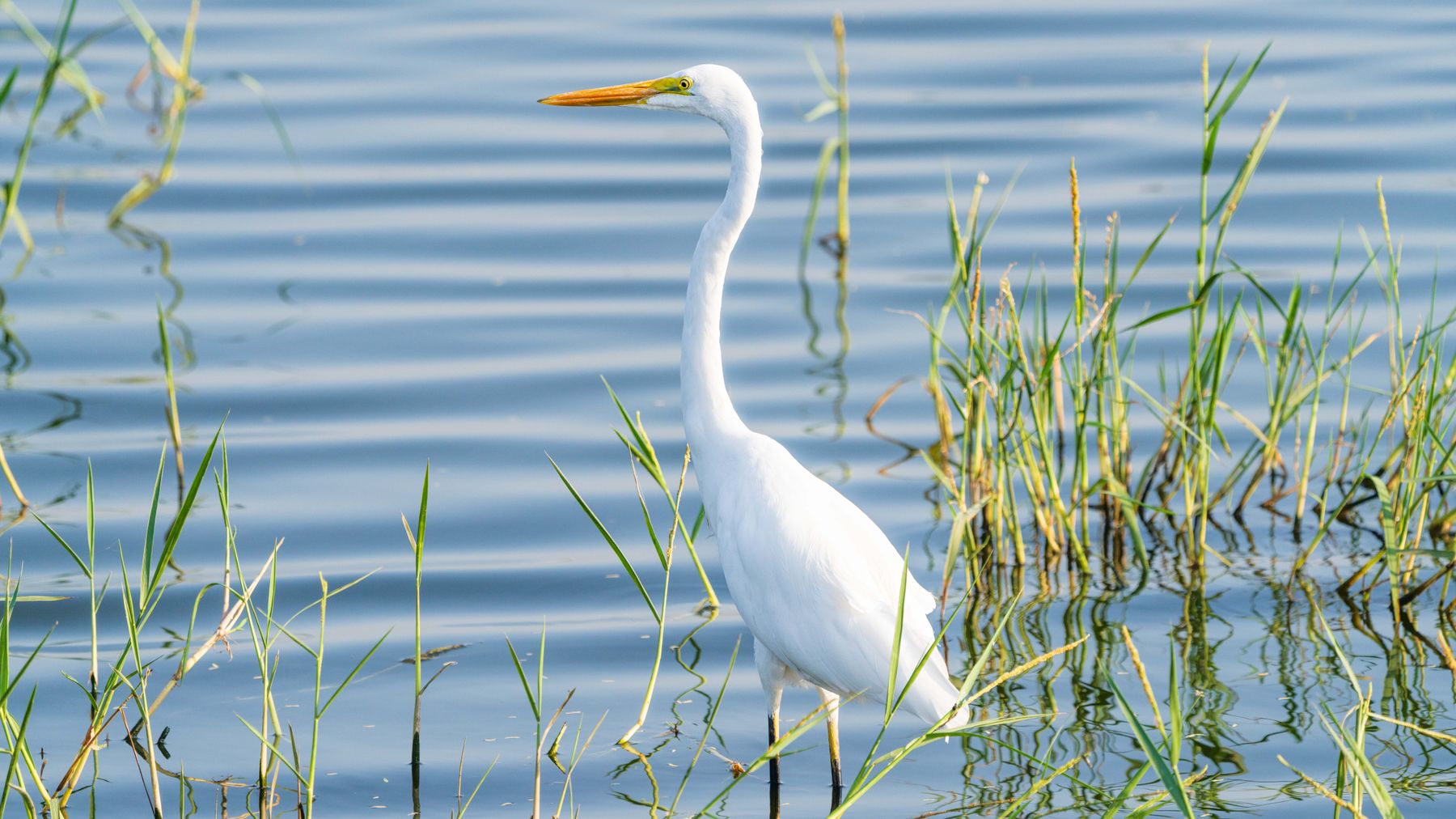
Photo by Abhishek Navlakha on Pexels
Cultural Experiences
Stay in a Mekong Homestay
Opt for a family-run homestay rather than a hotel. Mekonghomestay.com and similar operators offer rooms in village houses for 300,000–500,000 VND per night, usually including meals. You'll cook with the host family, learn to make spring rolls, and hear stories about the Delta that tour guides gloss over. The Wi-Fi is spotty and the bathroom might be cold, but you'll sleep better knowing what you're supporting.
Attend a Local Festival (If Timing Allows)
During Tet / 越南春节 / テト) (Lunar New Year) and the Hung Kings Festival, temple grounds overflow with families, incense, and traditional food. If you're in An Giang during these times, skip the tourist "festival experiences" and simply show up at a local temple or pagoda. You won't be turned away. Bring flowers, say a quick prayer, and observe. You're a guest, not a performer.
Outdoor Activities
Motorbike the Canals & Villages
Rent a scooter in Chau Doc (100,000–150,000 VND per day) and follow the canal roads that crisscross the province. Go slow, stop at random, and talk to people. You'll find fruit stands, fishing villages, and temples. Google Maps works here, but ask locals for directions anyway—they'll point you toward the best food stall or quietest route.
Fish Farming Visits
Many farms (tra fish, catfish, shrimp) welcome visitors. Your homestay can arrange a morning tour—you'll learn how fish are bred, fed, and harvested. It's not glamorous, but it's real. You'll understand why the Delta smells like it does and why fish farming drives the regional economy.
Cycling to Rice Paddies
Some homestays rent bikes. A 3–4 hour pedal through the countryside takes you through Khmer Buddhist villages, past water buffalo, and across narrow dikes that separate paddies. Bring water and sunscreen. The payoff is solitude and the slow-motion landscape that defines the Delta.

Photo by Dang vu hai on Pexels
Day Trips from Chau Doc
To Ha Tien (90 km, 2 hours by car)
This coastal town sits between An Giang and Cambodia. Beaches are modest by global standards but lovely locally. Hmm Rong (Mouse Mountain) is a small limestone outcrop with caves and a temple. Phu Quoc Island is a ferry or speedboat away if you want an easy island escape. A day trip here works if you have a car and driver.
To Tri Ton (50 km, 1.5 hours)
Tri Ton is even quieter than Chau Doc—a true frontier town. Nui Sam (Tri Ton) is a different mountain from the one near Chau Doc, equally scenic. Visit Hang Hang Cave, a limestone cavern in the mountains. It's a proper hike through jungle, and locals rarely see foreign visitors.
To the Cambodian Border
If you have a valid visa, the Kaam Samnor border crossing (about 25 km northwest of Chau Doc) allows day trips into Cambodia. The town of Takeo is 1–2 hours inland and has a few temples and basic food stalls. Border crossings can be slow and paperwork-heavy; go with a guide who knows the procedures.
What to Skip
Overpriced "Mekong Tours" from Ho Chi Minh City
Don't book a 2-day Mekong package through a Saigon tour operator. You'll pay 1.5–2 million VND and spend 6 hours on a minibus. Fly to Can Tho or go direct to Chau Doc on a sleeper bus (8–9 hours, 200,000–300,000 VND). Hire a local guide once you're there.
Phong Dien Floating Market
If you're already in the Delta region, Phong Dien (closer to Can Tho) is smaller and quieter than Cai Rang but also smaller than Chau Doc. It's redundant if you've already seen Dam Noi. Skip it.
Fake Crocodile Farms
Some tourism operators push "crocodile wrestling" experiences or "crocodile farms." These are overcrowded, unpleasant, and unnecessary. The animals are stressed. Don't go.
Practical Notes
Getting there: Fly into Saigon, then take a sleeper bus or domestic flight to Can Tho (1.5 hours by air, ~5 hours by car). From Can Tho, hire a driver or take a minibus to Chau Doc (3 hours, 100,000–150,000 VND). Alternatively, overnight bus from Saigon to Chau Doc (8–9 hours, 200,000–300,000 VND).
When to go: October through March is dry and cool. June–September is monsoon; canals flood, roads are slick, and bird populations are lower. December–February is ideal.
Language: English is rare in An Giang outside hotels. Learn basic Vietnamese phrases or use Google Translate. Hire guides through your homestay.
Money: ATMs are in Chau Doc. Small villages don't have reliable cash machines. Bring Vietnamese dong. Cash-only is still the default for boat tours and homestays.
Last updated · May 29, 2026 · independently researched, never sponsored.