What it is
Ban Lim Mong is a Hmong hamlet tucked into the hills of what was formerly Yen Bai province — now part of the expanded Lao Cai province following Vietnam (베트남 / 越南 / ベトナム)'s 2025 administrative merger. The village sits at roughly 900m elevation, surrounded by terraced rice paddies and secondary forest. It's not on the standard Sapa tourist loop, which is exactly the point. Fewer than a handful of homestays operate here, and you won't find tour buses or souvenir shops lining the path in.
The community has been here for generations, practicing wet-rice agriculture on the steep slopes and cultivating cardamom under the forest canopy. Unlike more commercialized highland destinations, Ban Lim Mong hasn't reshaped itself around tourism — visitors slot into village rhythms, not the other way around.
Why travelers go
Three reasons, mainly:
-
Terraced landscapes without the crowds. Sapa (사파 / 沙坝 / サパ)'s terraces are gorgeous but packed. Ban Lim Mong offers similar topography — cascading rice fields cut into steep valleys — minus the selfie sticks and guided groups of forty.
-
Authentic homestay experience. You sleep in a Hmong family's timber house, eat what they eat, and wake to roosters and mist. No WiFi password taped to the wall.
-
Walking country. The trails connecting Ban Lim Mong to neighboring hamlets wind through bamboo groves, across streams on log bridges, and past indigo-dyed fabric drying on fences. Distances are short (3-8 km between villages) but the elevation changes keep things honest.
If you've already done Sapa and want something rawer, or if you'd rather skip the tourist infrastructure entirely, this is a solid pick.
Best time to visit
The rice terraces peak twice: late May to June when paddies flood and reflect the sky like shattered mirrors, and September to early October when the grain turns gold before harvest. Either window gives you the iconic terrace shots.
Avoid mid-November through February unless you enjoy fog so thick you can't see 20 meters. Temperatures drop to 5-8°C at night in December-January, and most homestays have minimal heating — just a wood fire downstairs.
March-April is pleasant for trekking: dry, mild, wildflowers on the hillsides. You won't get the dramatic rice terrace colors, but trails are in good shape.
How to get there
From Hanoi, take an overnight train or bus to Lao Cai city (roughly 8 hours by sleeper train from Hanoi station, tickets around 350,000-500,000 VND depending on berth class). From Lao Cai city, you'll need a motorbike or local bus heading toward the former Yen Bai border districts — specifically the Van Ban or Bao Yen direction depending on the exact route.
The most practical approach: rent a motorbike in Lao Cai city (150,000-200,000 VND/day for a Honda Wave) and ride roughly 45-60 km on provincial roads. Road quality is decent tar for the first 30 km, then narrows to concrete village roads for the last stretch. A local xe om (motorbike taxi) can also get you there for around 250,000-350,000 VND one way — negotiate before departure.
There's no direct bus to the village itself. If you're coming from Sapa (about 35 km north), the ride takes 1.5-2 hours on winding mountain roads.
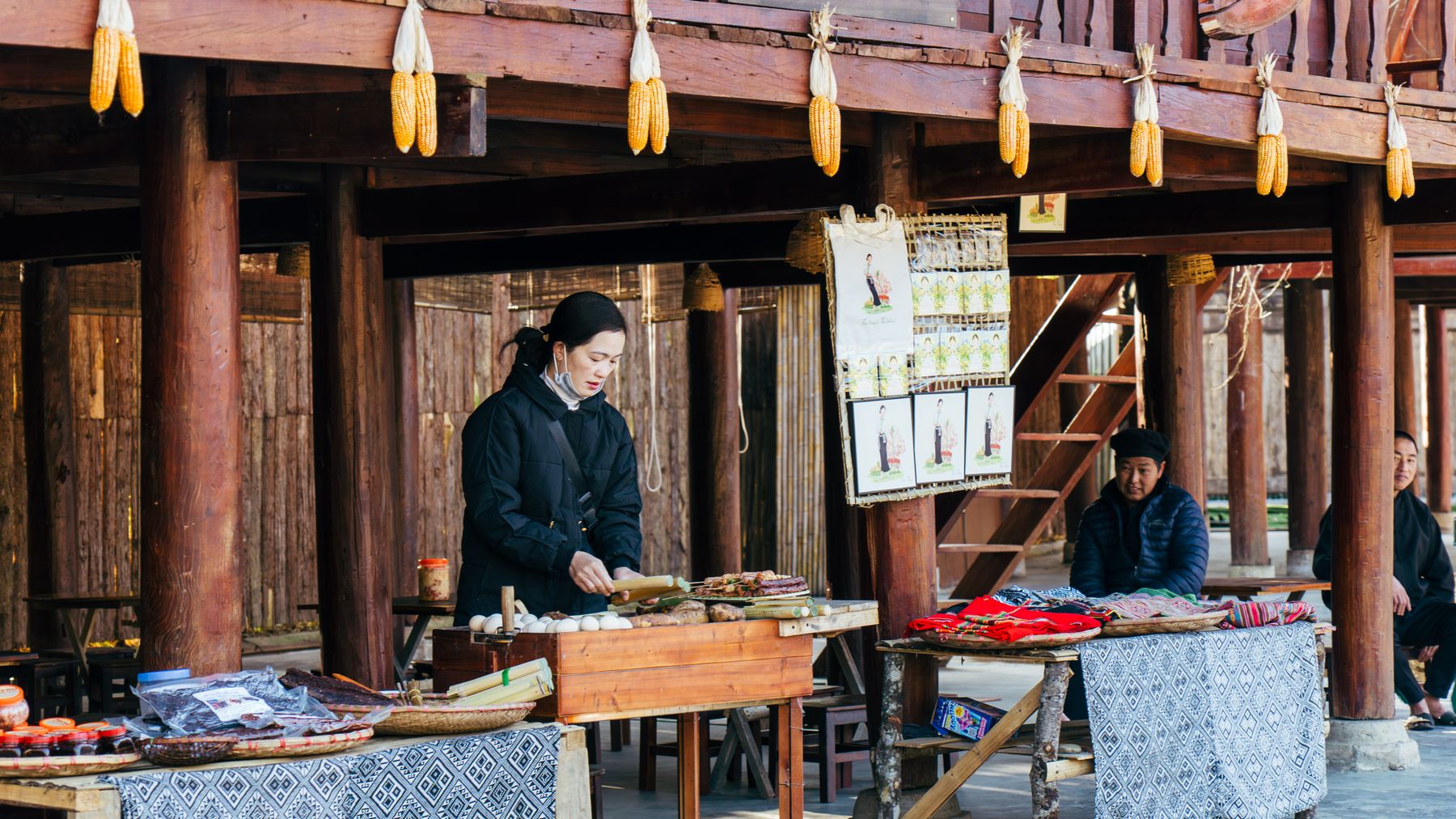
Photo by Gibson Chan on Pexels
What to do
Walk the terraces
No guide needed for the immediate area — trails are visible and villagers are used to the occasional foreign walker. A morning loop through the rice terraces takes 2-3 hours. Wear proper shoes; the paths get slick after rain.
Visit neighboring hamlets
Ask your homestay host about the trail to the next village over. Most walks are 5-7 km one way and pass through forest stretches where you might spot birds and the occasional macaque.
Watch (or join) daily work
Depending on the season, your host family may be planting, harvesting, or processing cardamom. Offer to help — most families appreciate it, and it's genuinely more interesting than watching from the sideline.
Catch a local market day
Weekly rotating markets in the broader district draw Hmong, Dao, and Tay people from surrounding villages. Your host will know the schedule. These are trade markets, not tourist markets — expect livestock, tobacco, medicinal herbs, and fabric. Arrive early (before 8 AM) for the full scene.
Where to eat
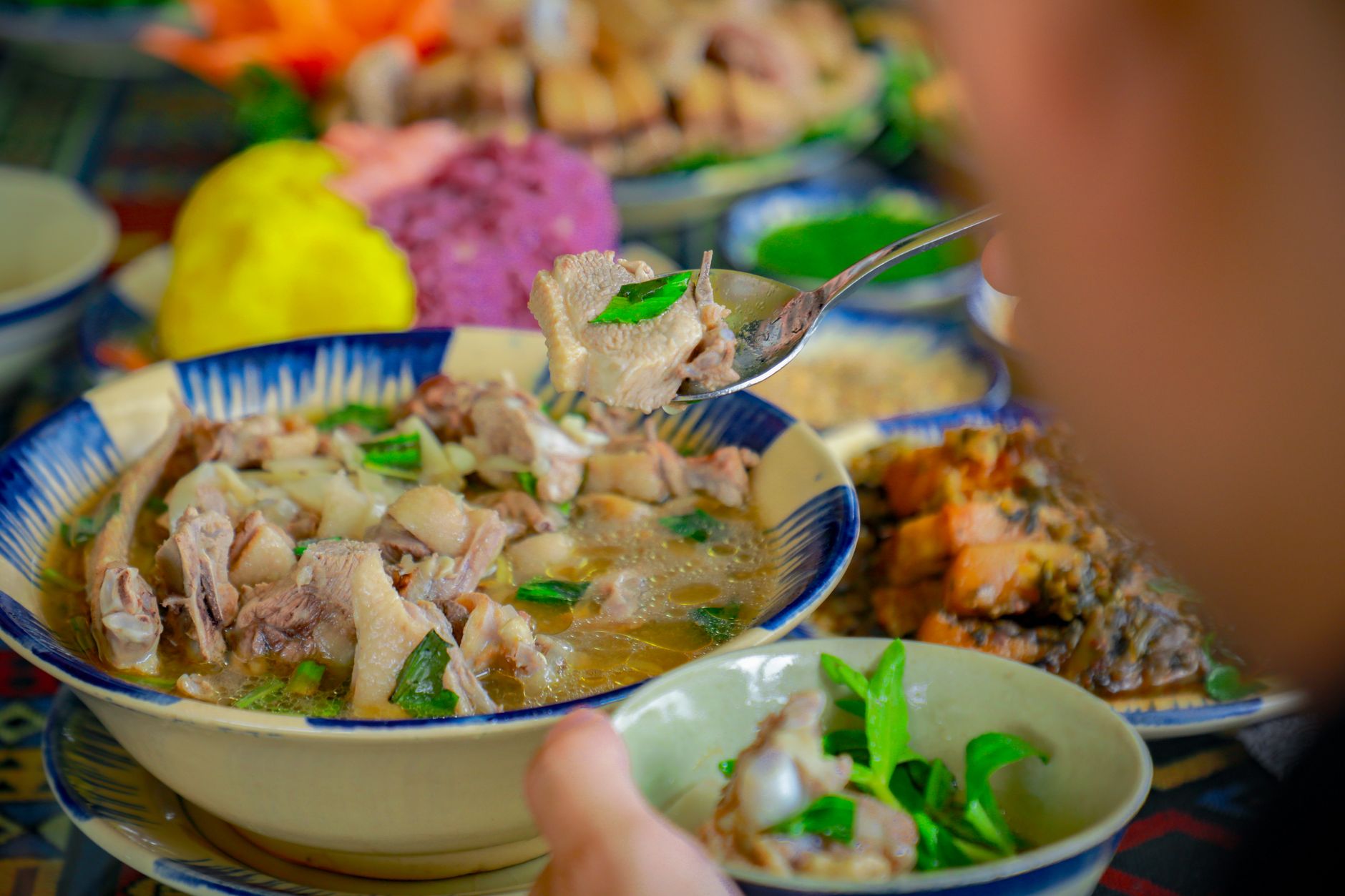
There are no restaurants in Ban Lim Mong. You eat with your homestay family — typically rice, stir-fried greens, pork or chicken, and a broth soup. Simple, filling, good. Meals are usually included in the homestay rate (around 250,000-350,000 VND per person per night including dinner and breakfast).
Bring your own snacks for trail days: instant noodles, crackers, fruit bought in Lao Cai city. There's likely a small shop in the village selling bottled water and basic provisions, but selection is limited.
If you pass through Lao Cai city before or after, grab a bowl of "pho" at one of the market stalls near the train station — functional and cheap at 35,000-45,000 VND.
Where to stay
Homestays are your only option — and that's the appeal. Expect a mattress on the floor upstairs, a shared squat toilet, and maybe a gravity-fed shower that runs cold. Bring a sleeping bag liner in cooler months. Your host will provide blankets but they're often thin.
Booking in advance is tricky since not all homes have phone signal. The practical move: contact a Lao Cai-based travel agent or motorbike rental shop to arrange the connection, or simply show up in the village and ask. Hospitality is deeply embedded here; someone will take you in.
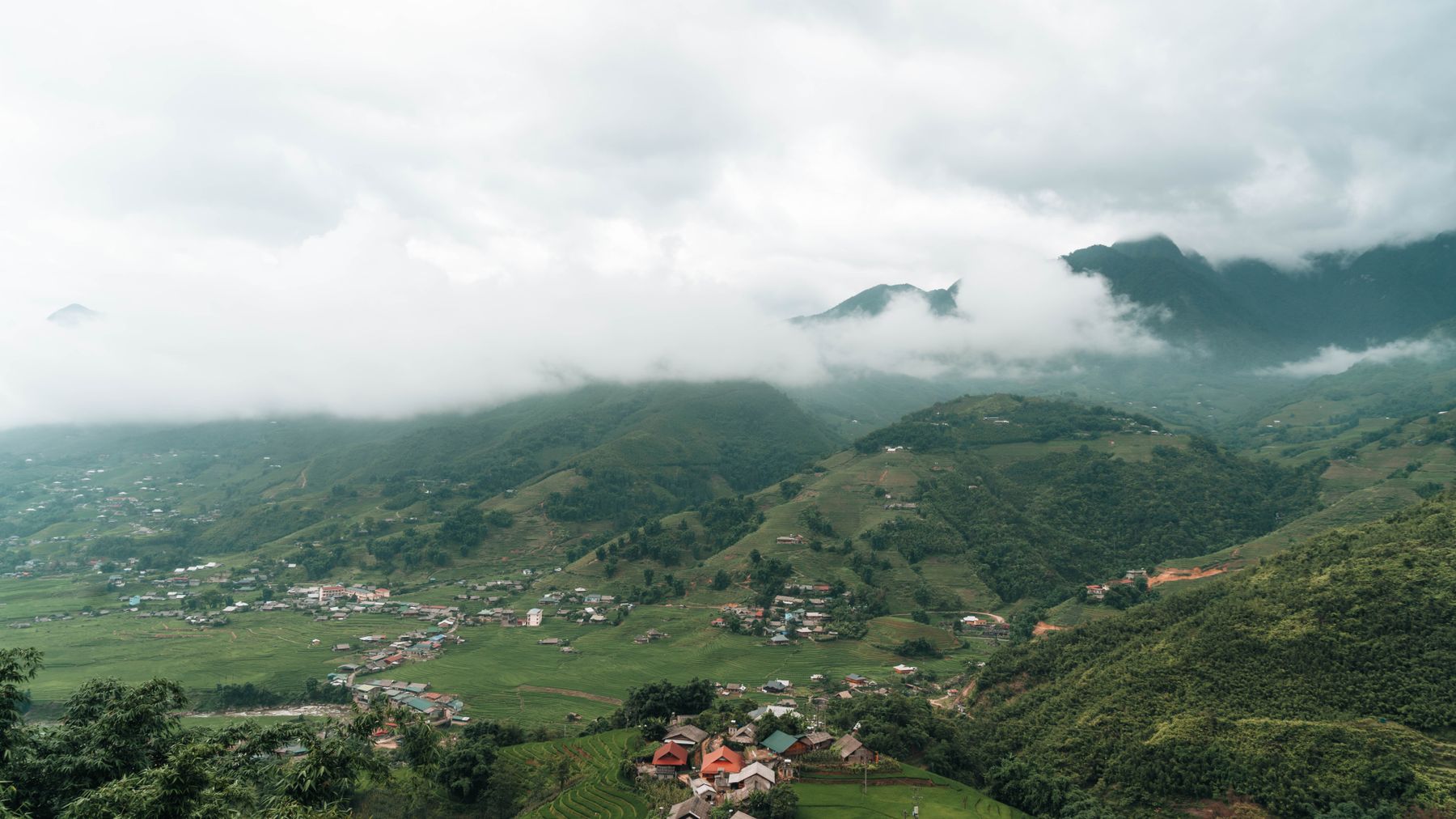
Photo by Quang Vuong on Pexels
Practical tips
- Cash only. No ATMs within 30+ km. Bring enough VND from Lao Cai city.
- Phone signal is spotty. Viettel tends to have the best coverage in highland areas — grab a Viettel SIM if connectivity matters to you.
- Language barrier is real. Learn basic Vietnamese greetings; older villagers may speak only Hmong. A translation app downloaded offline helps.
- Pack light but smart: rain jacket, headlamp, first-aid basics, water purification tablets if you're cautious about stream water.
- Respect the space. Ask before photographing people. Don't enter homes uninvited. If offered rice wine ("ruou"), at least take a sip — refusing outright can offend.
Common mistakes
- Showing up without cash. This is the number one logistical failure.
- Wearing sandals on mountain trails. The mud will claim them.
- Expecting Sapa-level infrastructure. There's no cafe with a terrace view here. That's the trade-off for authenticity.
- Rushing through in half a day. Give it at least two nights. The village reveals itself slowly — first evening is adjustment, second day is when you actually settle in.
Final note
Ban Lim Mong isn't a destination you "conquer" — it's one you receive. Go slow, bring enough cash, and leave the itinerary loose. The highlands reward patience more than planning.
Last updated · May 4, 2026 · independently researched, never sponsored.