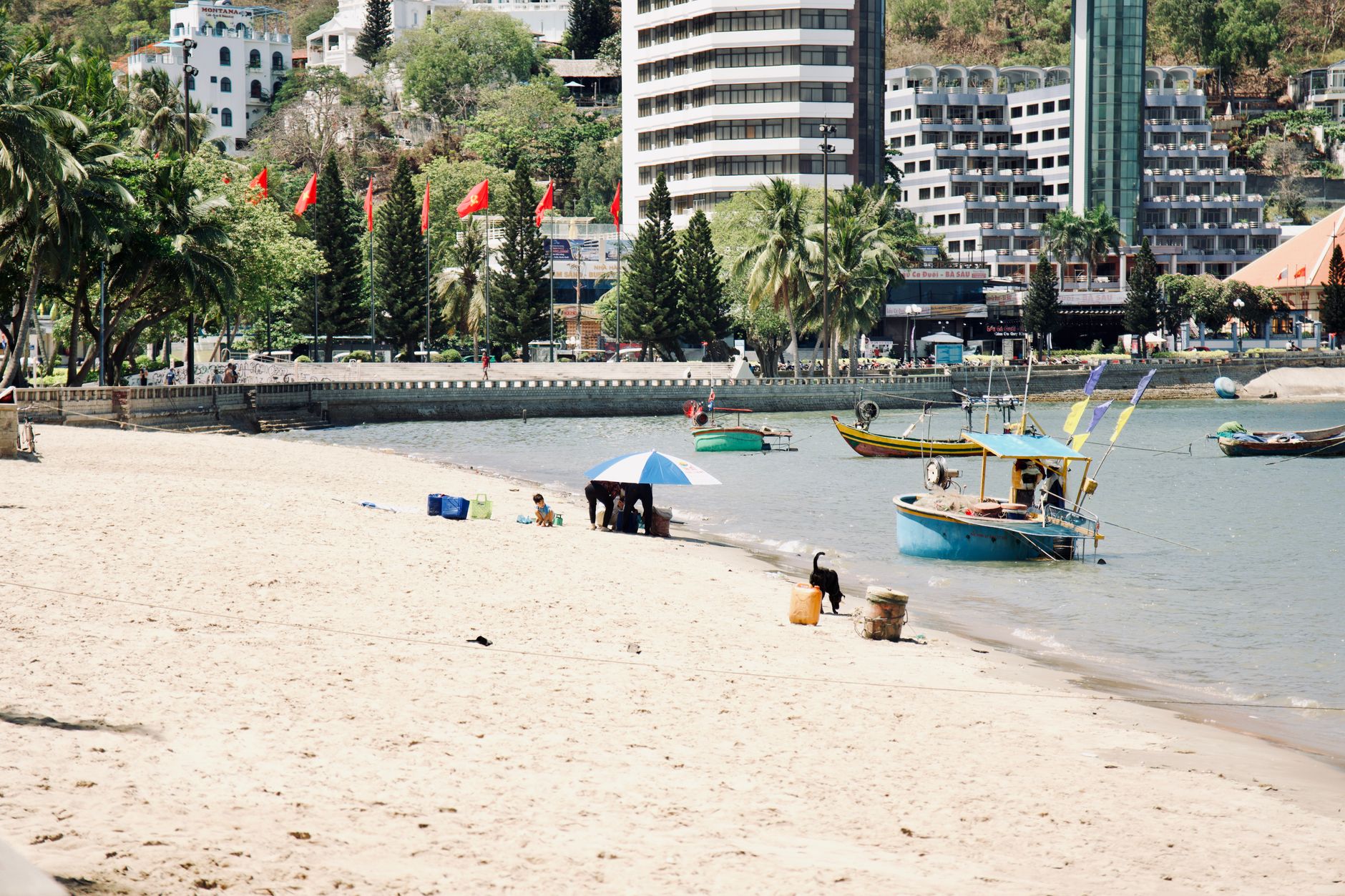
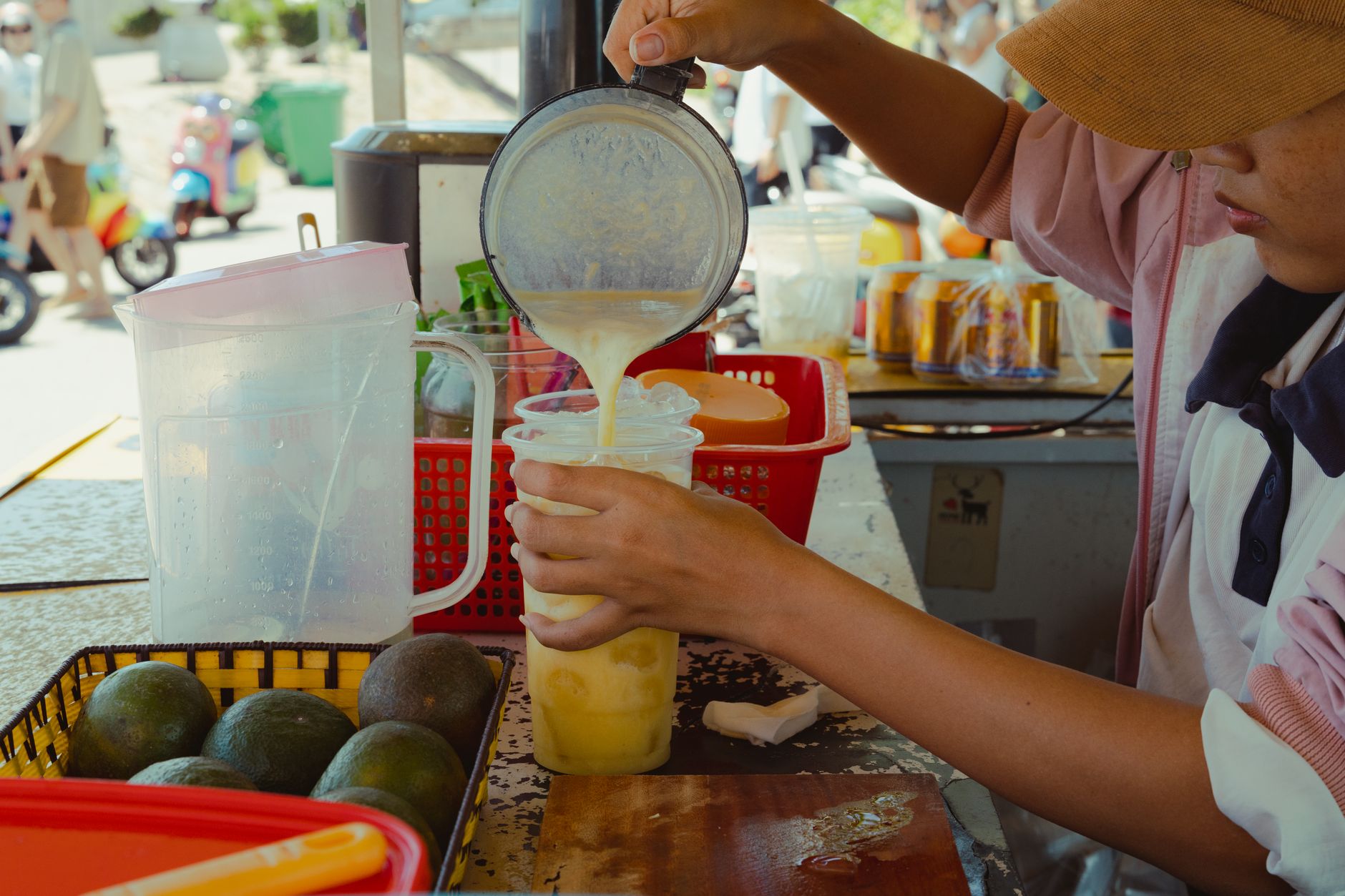
Why Vung Tau's banh canh ghe is different
"Banh canh ghe"—thick tapioca-starch noodles in a broth loaded with blue crab—isn't unique to Vung Tau, but the version here leans harder into crab than most. The broths are boiled for hours with whole crabs, sometimes live ones tossed in to order, so the sweetness and depth are noticeably richer than inland versions you'll find in Saigon or smaller towns. Locals credit the proximity to the fishing fleet; a lot of the crab comes straight off the boats, often still alive, which makes a measurable difference in flavor.
Vung Tau's banh canh (반깐 / 粗米粉汤 / バインカイン) ghe also tends to be thicker—the starch slurry is more viscous, almost porridge-like in the best bowls—and the noodles have a slightly chewier bite than you'd get from the mass-produced frozen kind. These details matter only if you're paying attention, but once you notice them, it's hard to eat a middling version anywhere else.
Where locals go
Banh Canh Ghe 36 Le Loi
This is the bowl most Vung Tau (붕따우 / 头顿 / ブンタウ) regulars will point you toward first. It's a corner shop on Le Loi Street, unmarked except for a hand-painted sign, open from about 6 a.m. to 11 a.m. and again from 4 p.m. to 8 p.m. The owner, a woman in her sixties, has been running it for over thirty years. The crab broth is the headline—she uses live blue crabs, added to the pot at the start of service, and the stock is never drained fully, just topped up. A small bowl (about 250 ml) costs 35,000 VND; a large costs 50,000 VND. No frills, just plastic stools and a stainless steel counter. Get there early; they often run out by 9 a.m.
Banh Canh Ghe Sai Gon
On Tran Hung Dao Street near the intersection with Hoang Hoa Tham, this shop is slightly more formalized—a small sit-down place with actual tables and a menu board. Still family-run, still using whole live crabs. The broth here is a touch lighter than 36 Le Loi, with a sharper, almost mineral sweetness, because they use a mix of blue crab and male "crab runners" (smaller, less meaty crabs that contribute flavor but less fat). Bowls run 40,000–55,000 VND depending on size and toppings. They're open 6 a.m. to 10 a.m., and again 4 p.m. to 8:30 p.m. The atmosphere is busier than 36 Le Loi, sometimes crowded with cyclo drivers and market vendors, which is a good sign.
Banh Canh Ghe Thang Nhat
A newer entry (opened about twelve years ago) on Thang Nhat Street, this shop serves a more standardized, crowd-pleasing version. The broth is milder, less intensely crabby, and the noodles are a touch thinner. If you find the other two options too assertively funky or gamy, this is your compromise. Bowls are 38,000–52,000 VND. They're open 7 a.m. to 10 a.m. and 5 p.m. to 9 p.m., and they have English-language signage, which makes ordering easier if you don't speak Vietnamese.
Banh Canh Ghe Ben Thanh Market
Vung Tau's main market (Ben Thanh Market, a smaller counterpart to the Saigon landmark, but no relation) has a food hall on the ground floor. Several vendors sell banh canh ghe from stalls along the back wall. Quality varies, but the best stalls are near the back-left corner—look for the one with the longest queue around 7:30 a.m. Bowls here are 30,000–40,000 VND, the cheapest in the city, but the broths are sometimes pre-made or reheated, so the crab flavor is less assertive. Go if you're hungry and on a tight budget; skip if you're hunting the best version.
Banh Canh Ghe Linh Trung (Highway 51, Phước Hải Ward)
About 8 km outside central Vung Tau, in a residential area near the highway, this shop has a cult following among locals who grew up here. The owner sources crabs from his own supplier, and the broth is more aggressive—you'll taste actual crab legs and bits of shell in the soup, which some find authentic and others find annoying. Bowls are 45,000–60,000 VND. The shop is open irregularly (call ahead: ask any local for the number), so don't rely on it as a backup plan, but if you rent a motorbike and have time, it's worth the trip. The area around it is quiet and coastal; you could grab a bowl and walk down to the beach.
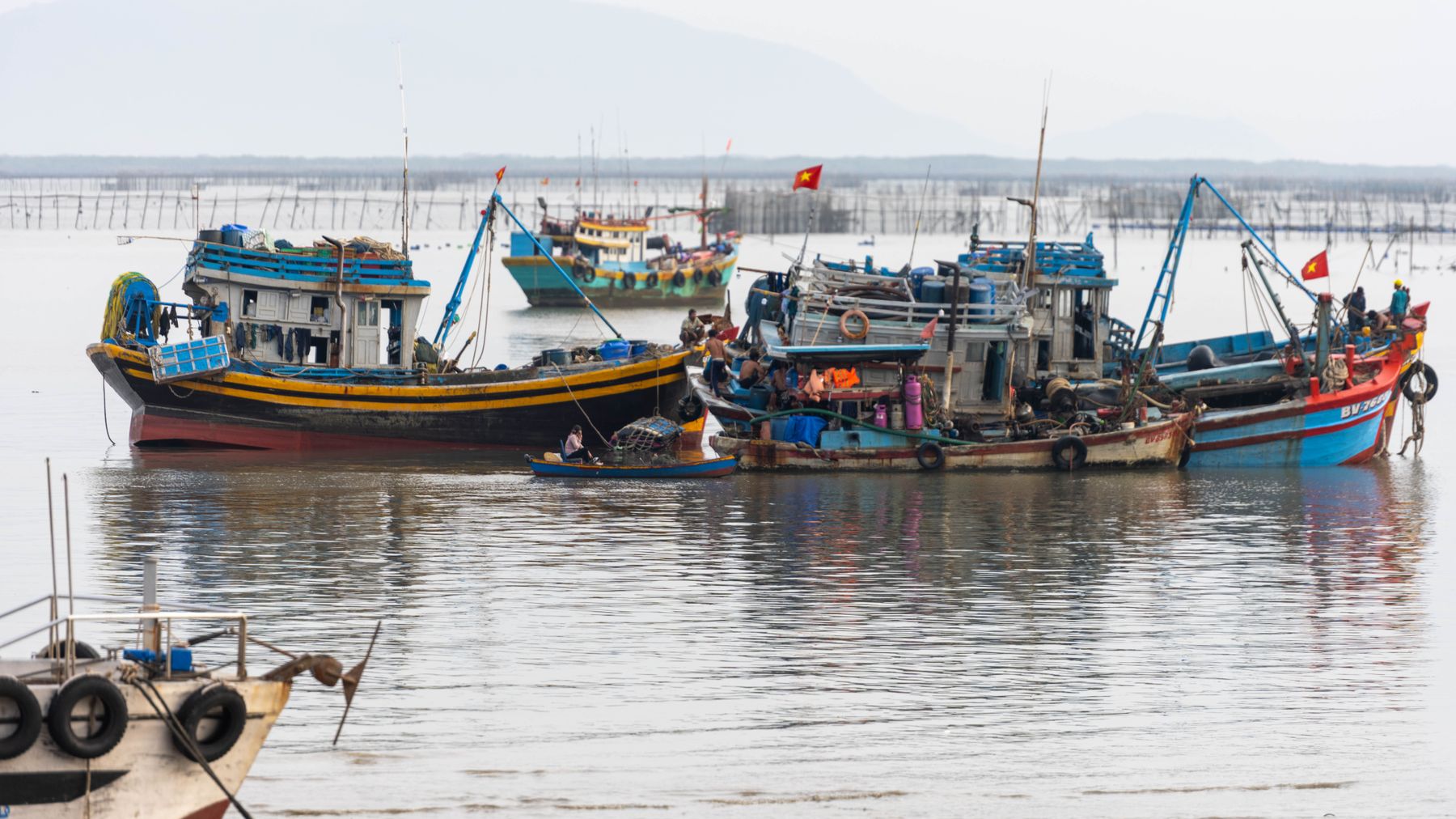
Photo by Quang Vuong on Pexels
What makes a good banh canh ghe: what to look for
When you sit down, the broth should smell distinctly of crab—funky, briny, a little sweet. If it smells like chicken or pork broth with a faint crab whisper, you're at a second-tier shop. The noodles should be soft but with slight resistance; they should not be mushy or crumbly. There should be visible crab meat—usually shreds or small chunks—and ideally some crab roe or fat (a slightly grainy, rich texture floating in the broth).
The best bowls include a small dish of chili sauce (sometimes mixed with lime), a plate of raw herbs (usually mint, dill, and sawtooth coriander), and extra lime wedges. Add these yourself to taste; the herbs will lift the heavy broth.
How to order
Point to the bowl size you want. If you don't speak Vietnamese, holding up one or two fingers works. Some shops ask: "Co an gan khong?" (Do you eat offal?) or "Them rau o?" (More herbs?). Nod or shake your head. Most shops will ask if you want extra chili. Say "Them ot" (more chili) or "Khong ot" (no chili). Banh canh ghe is almost never served with broth on the side; it comes as one bowl, fully assembled.
Photo by Quang Vuong on Pexels
Best time to go
Breakfast (6:30–8:30 a.m.) is the golden window. The broths are at their freshest, and you'll eat alongside locals—fishermen, market workers, retirees—which is when you'll pick up the best recommendations or overhear where the crabs came in that morning. Lunch (11:30 a.m.–1:30 p.m.) is quieter; most shops close for a long midday rest. Dinner (5–8 p.m.) is good too, sometimes busier, and the broth has been simmering all afternoon, which deepens the flavor. Avoid late evening (after 8:30 p.m.); most shops either close or run low on fresh crab.
If you're visiting Vung Tau for a few days, try banh canh ghe on your first morning (to get a baseline), then return to one shop a second time to let the flavor settle into your memory.
Practical notes
Bring cash; most banh canh ghe stalls in Vung Tau do not accept cards. If you're renting a motorbike, ask your guesthouse to text or call a favorite shop and reserve a bowl (especially for breakfast, when popular places can run short). A bowl of banh canh ghe pairs well with a cold "ca phe sua da" (Vietnamese iced coffee with sweetened condensed milk) or a lime soda; most shops sell both from a small fridge behind the counter.
Last updated · May 29, 2026 · independently researched, never sponsored.