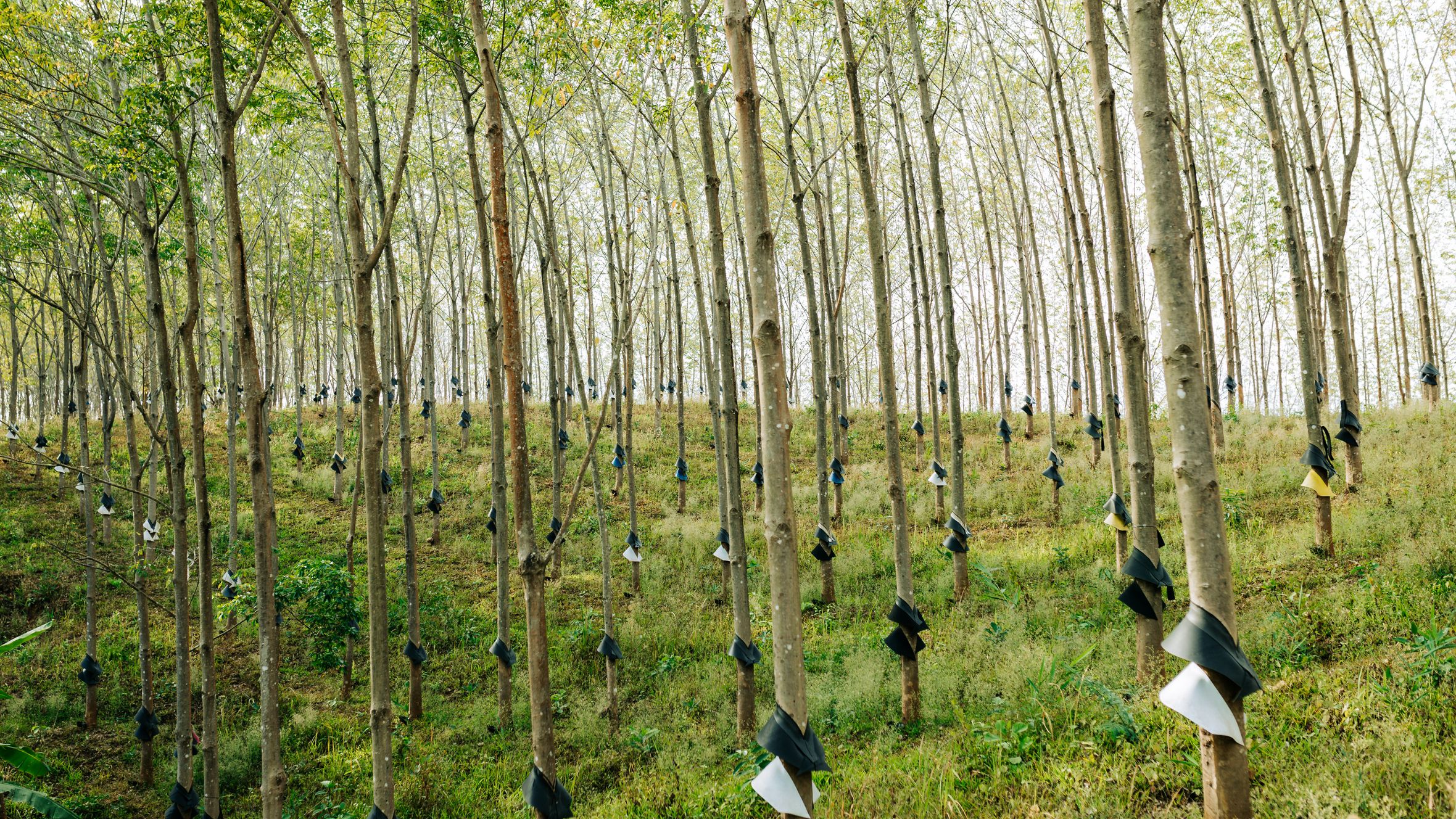
Binh Phuoc sits in the upland fringe of southern Vietnam, a region most travelers skip in favor of coastal resorts or Saigon. That's partly why it works: when you do come, the province isn't swarmed. But weather matters here more than in the Mekong Delta (메콩 델타 / 湄公河三角洲 / メコンデルタ), and knowing when to go will shape whether you're hiking through plantations in comfort or sweating through dusty red soil in 35°C heat.
The dry season: November to April
This is Binh Phuoc's sweet spot. From November through April, humidity drops, rainfall is rare, and temperatures sit in the 25–32°C range—warm but manageable. Roads are dry, dirt tracks are passable, and you can actually move around the province without feeling like you're inside a slow cooker.
November and December are peak months. The Tet holiday season (late January–early February) brings domestic tourists, though Binh Phuoc doesn't see the tourist saturation of Hoi An or Saigon (사이공 / 西贡 / サイゴン). Hotel prices tick up slightly during Tet week itself, but booking ahead is still easier here than in hot spots.
March and April remain pleasant—still dry, though heat climbs toward 33–35°C by late April. This is a sweet shoulder period: fewer visitors, prices hold steady, and roads remain passable. Late April marks the beginning of the transition; by early May, the first heavy rains arrive.
The rainy season: May to October
From May onward, the southwest monsoon brings sustained rainfall. June through September sees the heaviest downpours, with afternoon thunderstorms nearly daily. Humidity spikes to 80–90%, and the landscape turns saturated green—which is beautiful if you're into moody vegetation photography, but brutal if you're trying to trek or visit rubber plantations on foot.
Roads flood in low-lying areas, and some provincial routes become muddy and slow to navigate. Binh Phuoc's attractions (Dau Tieng Reservoir, Bu Dang National Park) are less appealing in heavy rain—trails become slick, and visibility suffers.
October is a transition month: rain starts easing, temperatures drop slightly, and mornings are often clear before afternoon storms. If you're flexible, early October can work, but it's a gamble.
Month-by-month breakdown
November–December: Ideal. Warm, dry, clear skies. Domestic tourism peaks during late December holidays, but Binh Phuoc avoids the crowds that swamp the coast. Roads are excellent. Book accommodations 2–3 weeks ahead if traveling during late December.
January–February: Still excellent. Tet / 越南春节 / テト) falls in late January or early February, and some locals travel for the holiday, reducing local crowds slightly. Early January before Tet is quieter. Temperatures remain comfortable (24–30°C). This is the time to visit if you want to experience Tet atmosphere without fighting massive crowds.
March–April: Dry and less crowded than Nov–Dec. Temperatures climb toward 35°C by late April, but mornings and evenings remain pleasant. Ideal if you prefer quieter travel. Hotels drop prices slightly after Tet season.
May: Transition month. Early May is still manageable (25–30°C, occasional rain), but by mid-May, heat and humidity ramp up fast. Unless you have flexibility, skip May.
June–September: Heavy rain, high humidity, frequent flooding in low areas. Landscape is lush and photogenic, but travel logistics become difficult. Tourist activity is minimal. Go only if rain doesn't deter you and you have flexible transport plans.
October: Rain easing, temperatures dropping. Mornings often clear and pleasant (20–28°C), but afternoon storms remain common. Early October is better than late. A reasonable option if you miss the dry season.

Photo by DigitalByNADAS Photography on Pexels
Festivals and events
Binh Phuoc's festival calendar is modest compared to the north, and most local events are small, village-level celebrations that foreign tourists rarely encounter. The major exception is Hung Kings' Festival (typically early April, though the date shifts with the lunar calendar), celebrated at various pagodas across the province. If you're visiting in early April, ask locally about smaller temple celebrations.
Tet (late January–early February) reshapes the province: shops close, buses run sparse, but village festivals and family gatherings create a more authentic atmosphere than usual tourism. Many travelers love this, others find it inconvenient—depends on your preference.
Crowd levels: A relative measure
Binh Phuoc never gets crowded in the way Phu Quoc or Hoi An does. Even in peak season (Nov–Dec, early Jan), the province remains quiet by Vietnamese standards. You might encounter a handful of other travelers at main attractions, but no queue culture or "selfie mob" dynamics.
- Quietest: May–September (rainy season). Virtually no foreign tourists; domestic visitors are rare.
- Moderate: October, March–April. Mostly Vietnamese visitors; foreign tourists rare.
- Busiest (still quiet): November–February. Still far fewer visitors than coastal or central provinces, but you'll see other travelers, especially Dec 20–Jan 5.
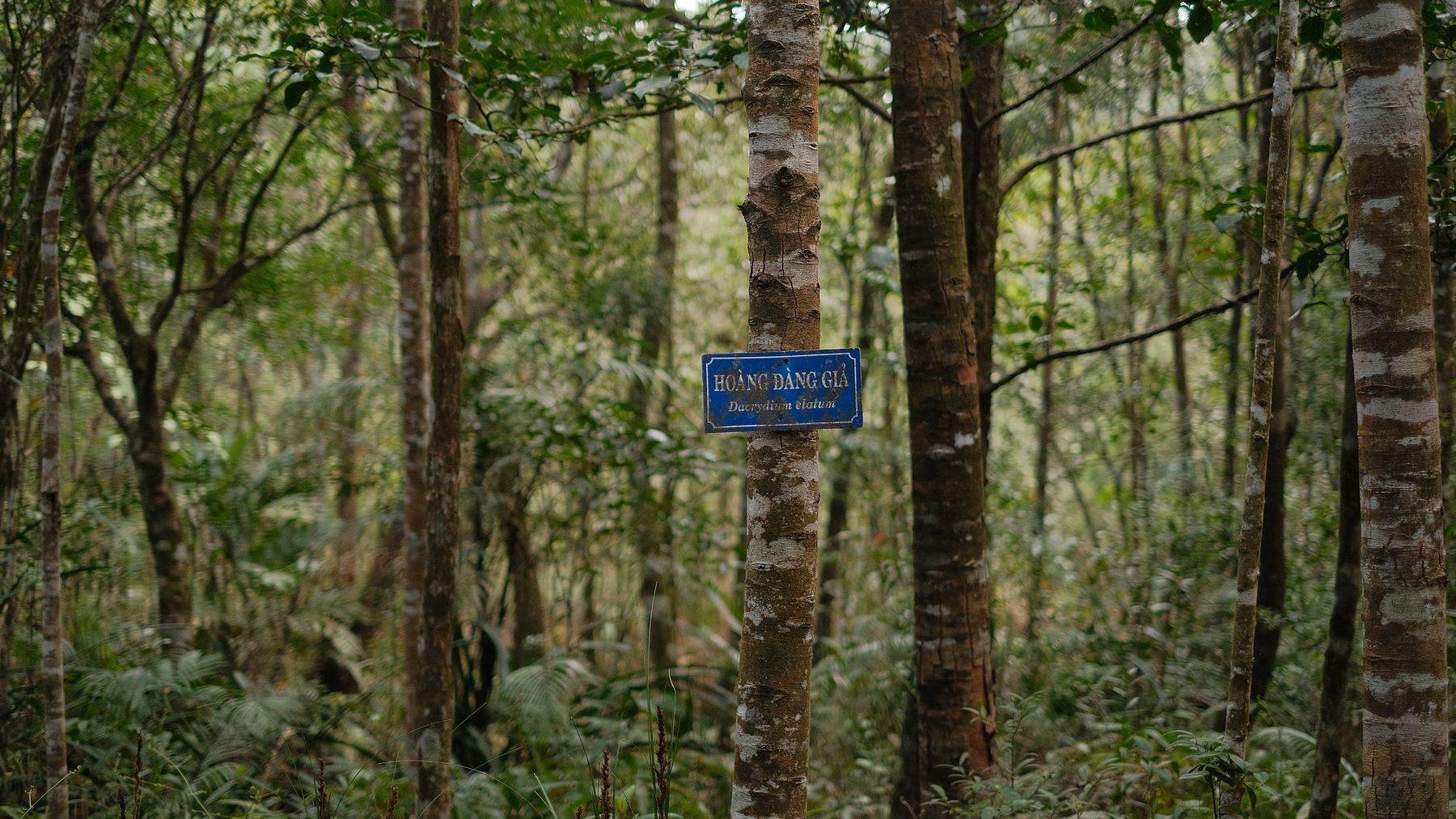
Photo by Pew Nguyen on Pexels
What to expect each season
Dry season (Nov–Apr): Clear mornings ideal for hiking. Dust rises from dirt roads. Reservoirs and waterways run lower. Agriculture is in harvest mode—you'll see workers in coffee and rubber plantations. Accommodation prices are stable to high, but availability is good. Bring sunscreen; UV is intense.
Rainy season (May–Oct): Landscape is verdant; birdwatching improves. Trails become muddy and may be impassable after heavy rain. Humidity is oppressive in the afternoon. Malaria mosquitoes are more active, so bring repellent and consider long sleeves at dusk. Many small guesthouses and attractions operate on reduced hours or close entirely. Accommodation prices drop, and availability is excellent—but logistics can be frustrating.
Practical notes
Unless you have specific reasons (wildlife season, lush landscape photography, or just wanting to avoid all tourists), aim for November through April. If you're flexible within that window, March–April offers better value and fewer visitors than Dec–Jan. Skip May–October unless rain doesn't bother you. Book transport (buses, motorbikes) and accommodations 1–2 weeks ahead in peak season; rainy season requires no advance planning. Bring cash in VND; ATMs are available in Dong Xoai and Binh Duong, but not ubiquitous in smaller towns.
Last updated · May 29, 2026 · independently researched, never sponsored.








