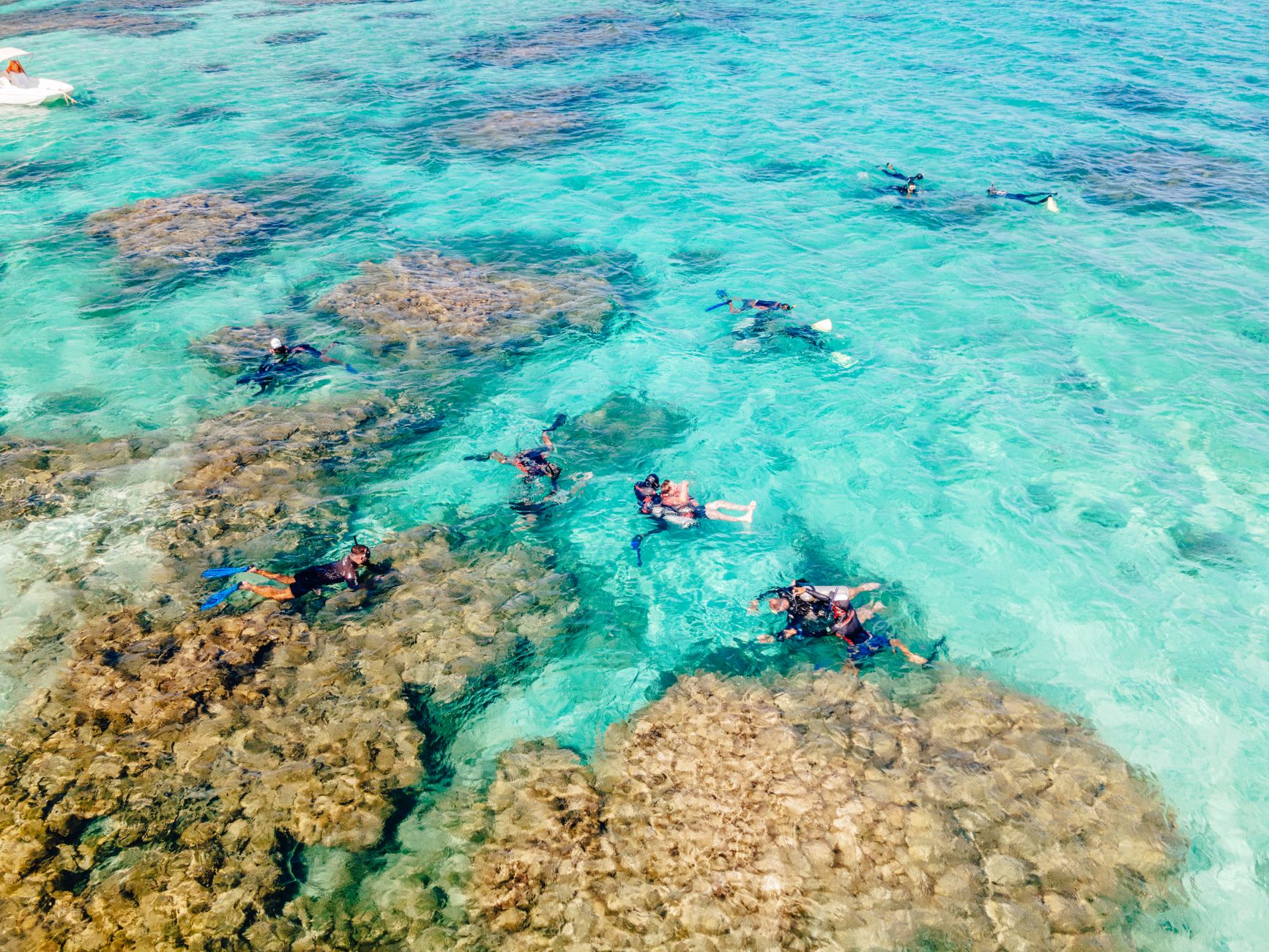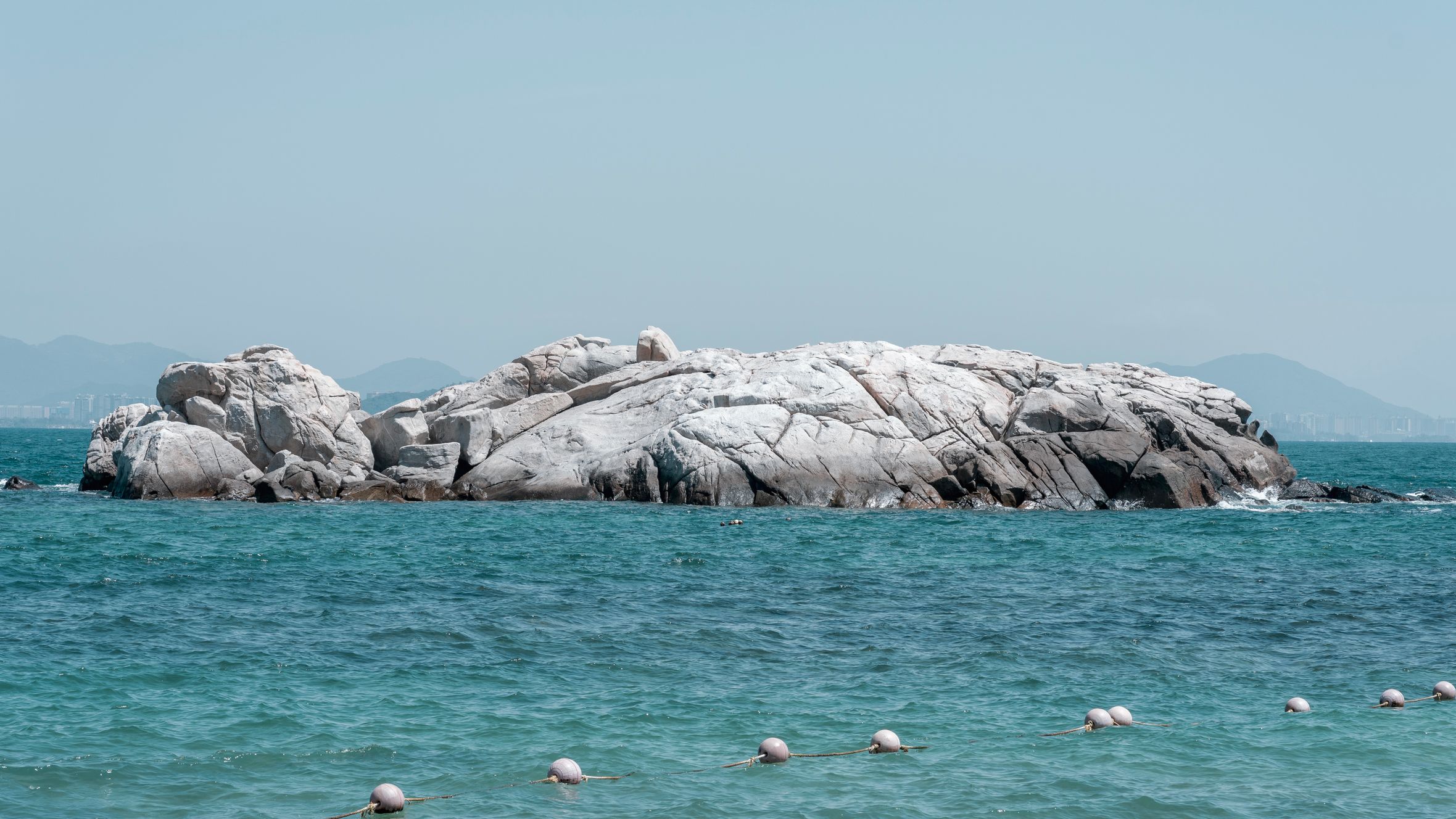
Binh Hung Island (Dao Binh Hung) is a small granite-and-coral island off the Cam Ranh peninsula in Khanh Hoa province, roughly 3 km from the mainland village of Binh Tien. It covers barely 3 square kilometers, has no ATMs, no traffic lights, and a resident population of a few hundred fishing families. That's exactly the point.
What Binh Hung is — and isn't
Binh Hung isn't Phu Quoc or even Cu Lao Cham. There's no resort strip, no nightlife, no tour bus parking lot. It's a working fishing island with a handful of homestays and a couple of beachside seafood shacks. The landscape is defined by weathered boulders stacked along the shoreline, shallow turquoise water, and the kind of quiet you forget exists after a week in Saigon.
The island was virtually unknown to domestic tourists until around 2015, when social media photos of its rock formations started circulating. It's gotten busier since, especially on weekends and holidays, but development remains low-key. Following the administrative merger of the former Ninh Thuan province into Khanh Hoa, Binh Hung now falls within the expanded Khanh Hoa boundaries — but nothing about the island itself has changed.
Why travelers go
People come here to do very little, and that's the draw. The water is clear enough for snorkeling right off the shore. The seafood is cheap and fresh — pulled from traps the same morning. There's no agenda, no entrance fee to a "scenic area," no guide trying to sell you a package. You show up, eat grilled squid, swim, sit on a rock, and watch fishing boats come in at dusk. If you need constant stimulation, skip it. If you've been moving fast through Vietnam (베트남 / 越南 / ベトナム) and want two days of genuine downtime, Binh Hung delivers.
Best time to visit
The dry season runs from roughly March through September, with April to June being the sweet spot — warm water, calm seas, and fewer visitors than the summer holiday surge in July and August. Avoid October through January if you can: northeast monsoon winds make the boat crossing choppy, and some homestays close or reduce service. Tet and long weekends (April 30, September 2) bring a noticeable spike in Vietnamese visitors — book ahead or skip those dates.
How to get there
The nearest major hub is Cam Ranh, which has both an airport (served by flights from Hanoi, Da Nang, and Saigon (사이공 / 西贡 / サイゴン)) and a train station on the north-south line.
From Cam Ranh, head south to Binh Tien village — about 40 km by motorbike or taxi along the coastal road (QL702 then DT709). A taxi from Cam Ranh airport runs around 350,000–450,000 VND. On a motorbike, it's roughly an hour, and the coast road south of Vinh Hy Bay is genuinely enjoyable riding.
From Binh Tien, you catch a small wooden boat to Binh Hung. The crossing takes about 10–15 minutes. Most homestays will arrange a boat for you — expect to pay 50,000–80,000 VND per person each way, or you can charter a whole boat for around 200,000 VND. There's no fixed ferry schedule; boats leave when there are enough passengers or when your homestay calls one.
If you're coming from Nha Trang, it's about 90 km south to Binh Tien — roughly two hours by motorbike, slightly less by car.

Photo by Quang Nguyen Vinh on Pexels
What to do
Swim and snorkel at Bai Kinh
Bai Kinh, on the island's eastern side, has the clearest water and a sandy bottom that drops off gradually. You can snorkel here with just a mask — no boat trip needed. Coral coverage is modest but there's enough marine life (clownfish, sea urchins, small reef fish) to keep things interesting. Bring your own gear; rental options on the island are limited and unreliable.
Walk the boulder shoreline
The northern end of Binh Hung is stacked with enormous granite boulders that form natural pools and overhangs. At low tide, you can scramble between them and find sheltered pools where the water is bathtub-warm. It's the island's most photographed spot, and it's worth seeing early morning before anyone else shows up.
Eat seafood at the floating platforms
A few families operate "be noi" — floating raft platforms anchored just offshore — where you pick your seafood live from nets and they grill or steam it on the spot. Sea urchin (nhim bien), grilled with spring onion and peanut, is the local specialty. A full seafood meal for two runs 300,000–500,000 VND depending on what's in season.
Take a boat around the island
Hire a small boat (about 400,000–600,000 VND for 2–3 hours) to circle the island. The boatman will stop at a few snorkeling spots and a sea cave on the western side that's accessible only by water. It's the one "activity" on Binh Hung that feels like a proper excursion.
Visit Hang Rai reef (mainland side)
If you have a spare half-day, Hang Rai is a fossil coral reef formation on the mainland coast near Vinh Hy Bay, about 20 km north of Binh Tien. The rock textures are unusual and it's basically deserted on weekdays. Worth a motorbike detour.
Where to eat
Dining options on Binh Hung are limited to homestay kitchens and the floating platforms. The seafood is the main event — grilled squid, steamed clams, sea urchin, and whatever the boats brought in that day. For something besides seafood, most homestays will make "com tam" (broken rice) or simple noodle soups on request. Don't expect menus or variety. Eat what's fresh.
Back on the mainland in Binh Tien village, there are a couple of "quan com" (rice shops) serving standard Vietnamese plates for 35,000–50,000 VND.
Where to stay
Accommodation is almost entirely homestays. Expect basic but clean rooms — a fan or air-con unit, a mattress, shared or private bathroom. Prices range from 200,000–500,000 VND per night for a standard room. A few places have upgraded to bungalow-style setups closer to 600,000–800,000 VND. There are no hotels or resorts.
Book directly by phone (Vietnamese language helps here) or through Vietnamese booking platforms like Traveloka. On weekends and holidays, the popular spots fill up fast — calling a few days ahead is a good idea.
Photo by Kevin Huynh on Pexels
Practical tips locals would tell you
- Bring cash. There are no ATMs on the island and no card payments. Withdraw in Cam Ranh or Nha Trang before you go.
- Bring reef-safe sunscreen and your own snorkel gear. The island has almost no shops.
- Charge your devices fully. Some homestays have unreliable electricity, especially budget ones running on generators.
- Learn a few Vietnamese phrases. English is virtually nonexistent on Binh Hung. Google Translate's camera mode is your friend for menus and signs.
- Motorbike riders: the road from Cam Ranh south is fine, but the last 10 km before Binh Tien has some rough patches. Ride cautiously if you're on a scooter.
Common mistakes to avoid
Don't come expecting Phu Quoc-level infrastructure. There's no pharmacy, no convenience store, no Grab. If you need medication, bring it. Don't arrive on a holiday weekend without a booking — you may end up sleeping on someone's porch (it's happened). And don't schedule just a day trip: the boat logistics and travel time from Cam Ranh make it barely worth it for a few hours. Two nights is the right amount of time.
Practical notes
Binh Hung works best as a side trip from Nha Trang or a stop on a longer drive between Saigon and the central coast. It pairs well with a night in Vinh Hy Bay or a day at Ninh Chu beach on the mainland. Come with low expectations for comfort and high tolerance for simplicity, and you'll probably want to stay an extra day.
Last updated · May 29, 2026 · independently researched, never sponsored.