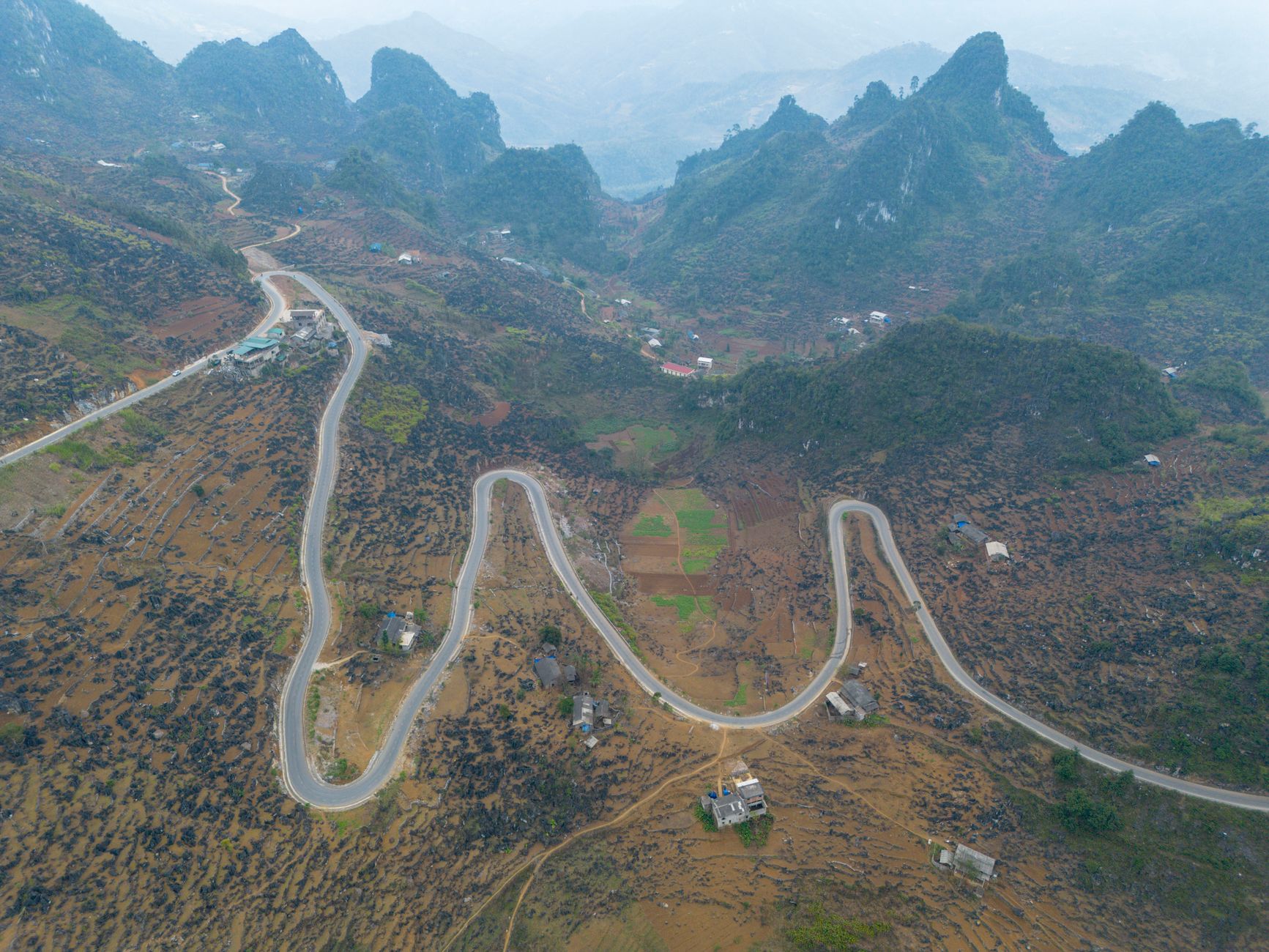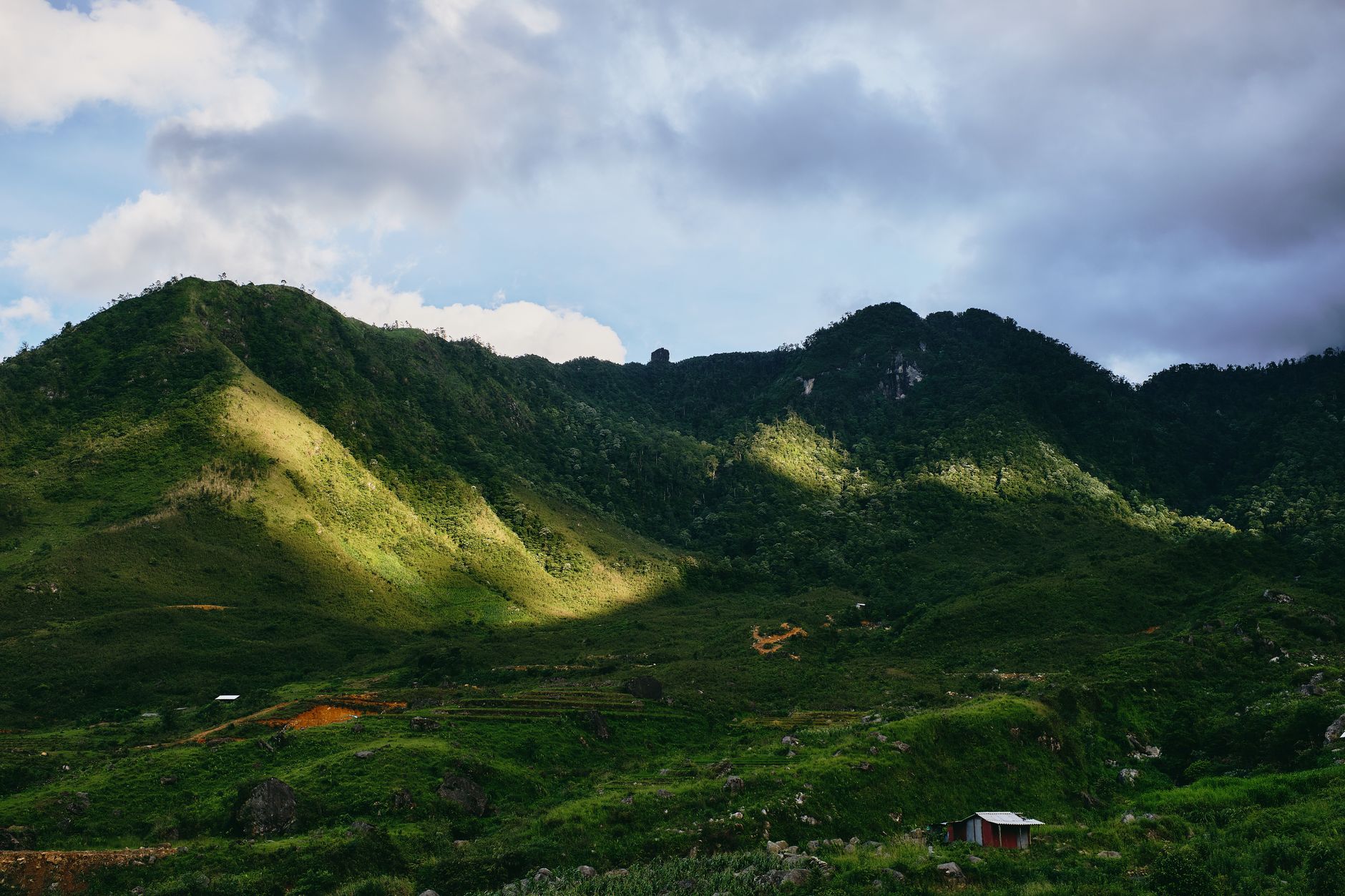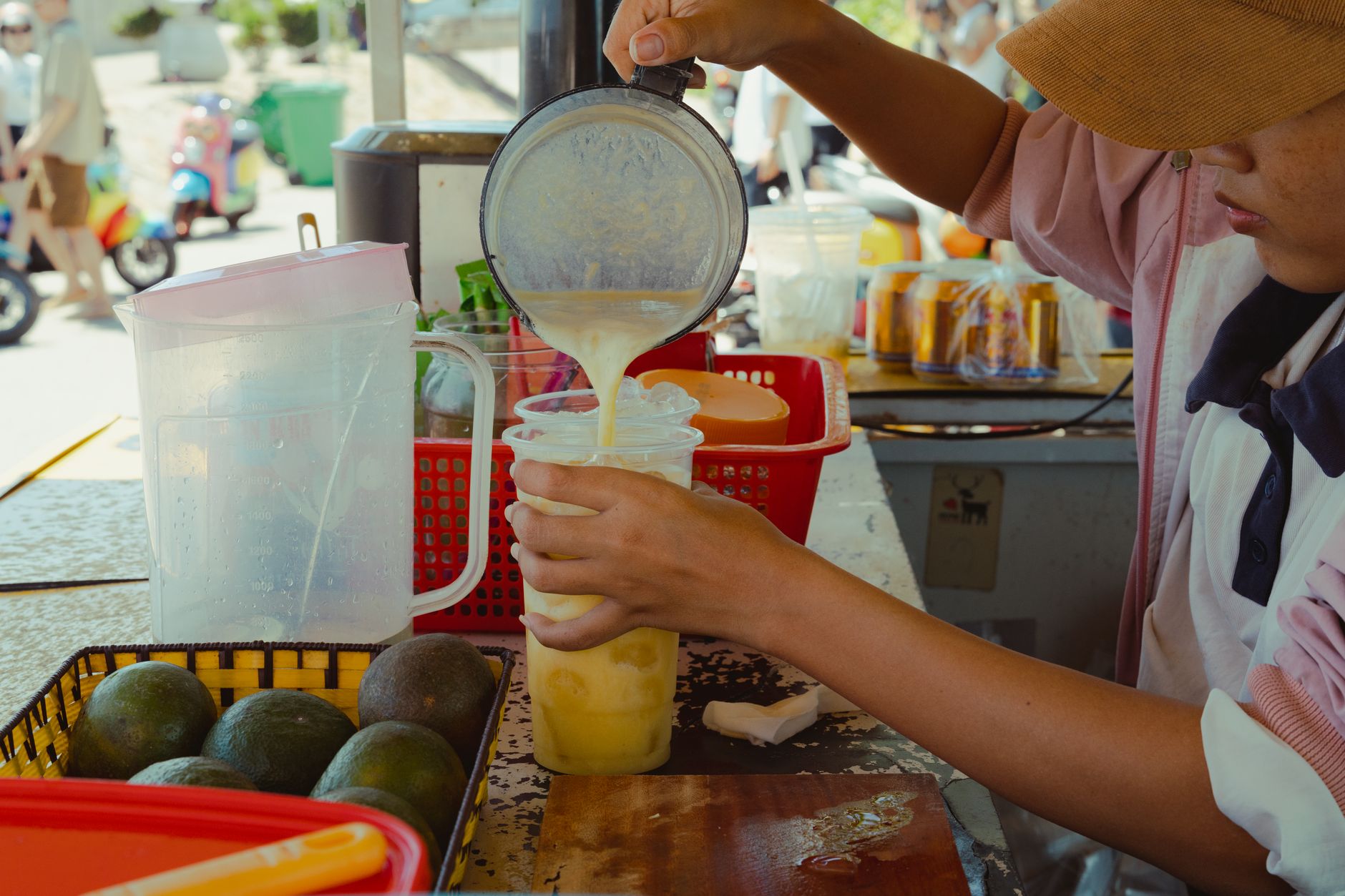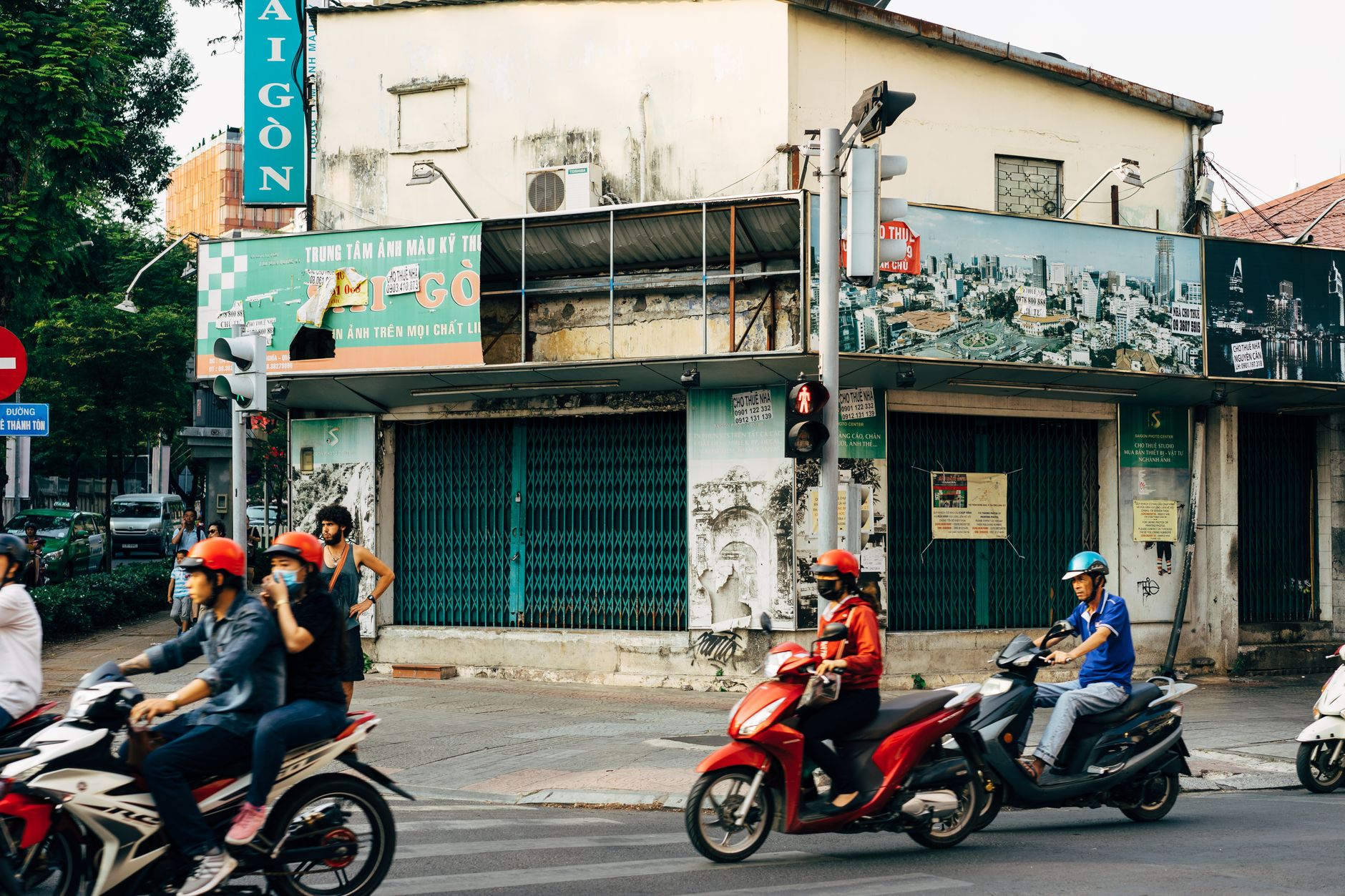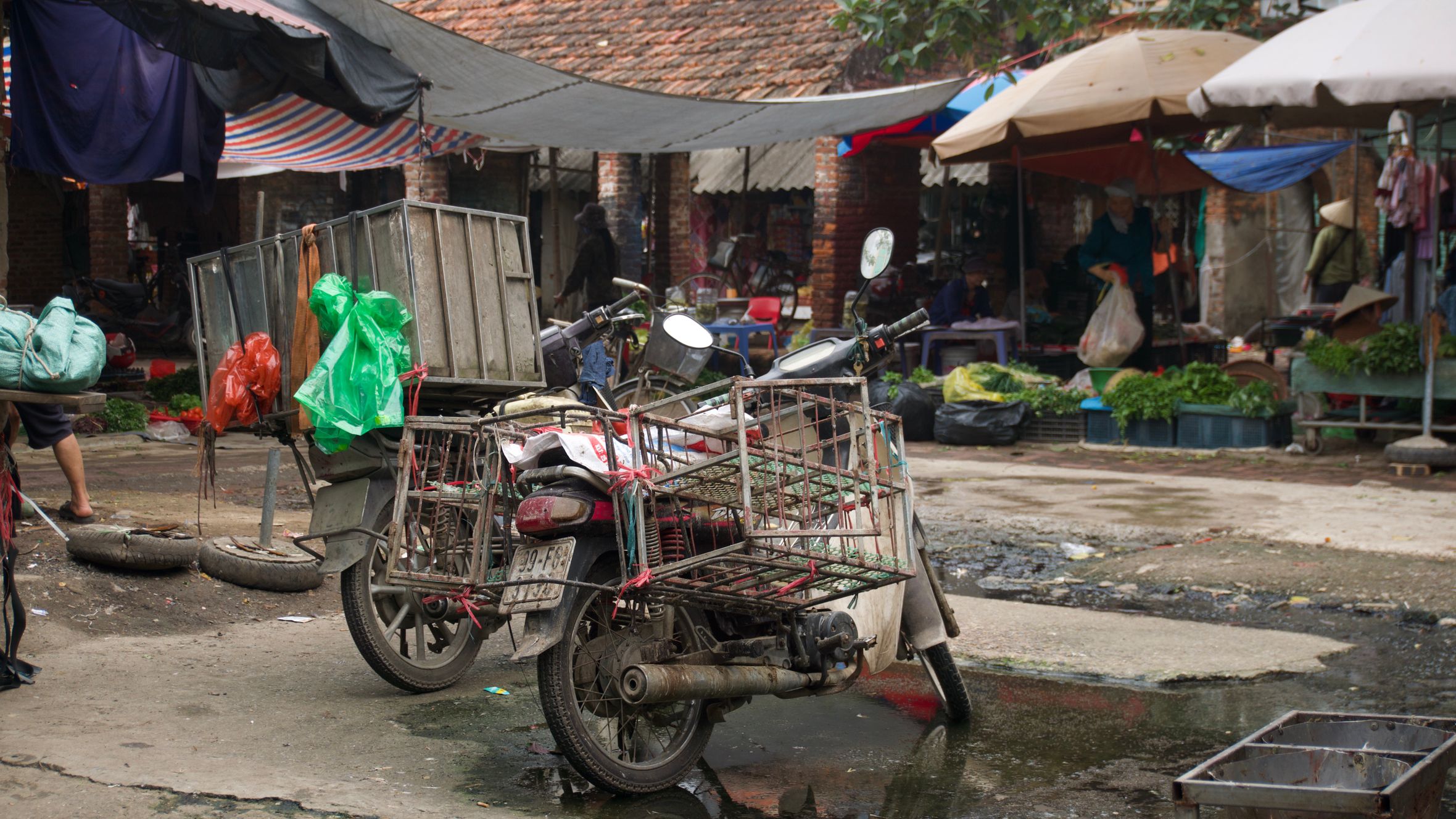
Cao Bang doesn't get the traveler traffic of Sapa or Ha Giang, and its central market is better for it. Come here early and you'll find one of the most honest, unperformed food scenes in the northeast — dishes shaped by Tay and Nung ethnic communities, a cold limestone climate, and a border-town pragmatism that keeps prices low and portions generous.
Where the Market Actually Is
Cao Bang's central market — Cho Cao Bang — sits near the Bang Giang River, roughly in the middle of the compact town center. You can walk from most guesthouses in under ten minutes. The food stalls concentrate along the covered inner section and spill out along the surrounding lanes, especially on the north and east sides. Get there between 6am and 9am if you want the full spread; by 10am the hot-food vendors start packing down.
Pho Chua — the Dish Worth Coming For
"Pho chua" — sour pho — is Cao Bang's signature and one of those dishes that genuinely doesn't travel. It's not a hot soup. The rice noodles are served cold or at room temperature, dressed in a sharp, slightly sweet-sour sauce made with vinegar, sugar, and fermented liquid, then topped with sliced pork, fried shallots, peanuts, shredded papaya, and sometimes a few slices of Chinese sausage. The whole thing lands somewhere between a noodle salad and a cold noodle bowl.
A bowl runs 25,000–35,000 VND depending on the stall. Look for vendors with pre-assembled trays of toppings — the ones doing volume tend to have the sauce balance right. It's an acquired taste on first encounter (the vinegar is assertive), but most people are refilling within two days.
Banh Cuon Nong — Steam and Speed
The "banh cuon" stalls at Cho Cao Bang operate at impressive pace. A woman pours a thin rice batter over a cloth stretched across a steaming pot, lifts it off in under a minute with a flat bamboo tool, and folds it around a filling of seasoned pork and wood-ear mushroom. The result gets sliced, drizzled with fried shallot oil, and handed over with a bowl of light dipping fish sauce and fresh herbs.
Cao Bang's version tends to be slightly thicker than the Hanoi style — more substantial, less delicate — which suits the cooler air of the northeast. Price: 20,000–30,000 VND for a standard plate. Eat it immediately; banh cuon (반꾸온 / 蒸米卷 / バインクオン) deteriorates fast once it cools.
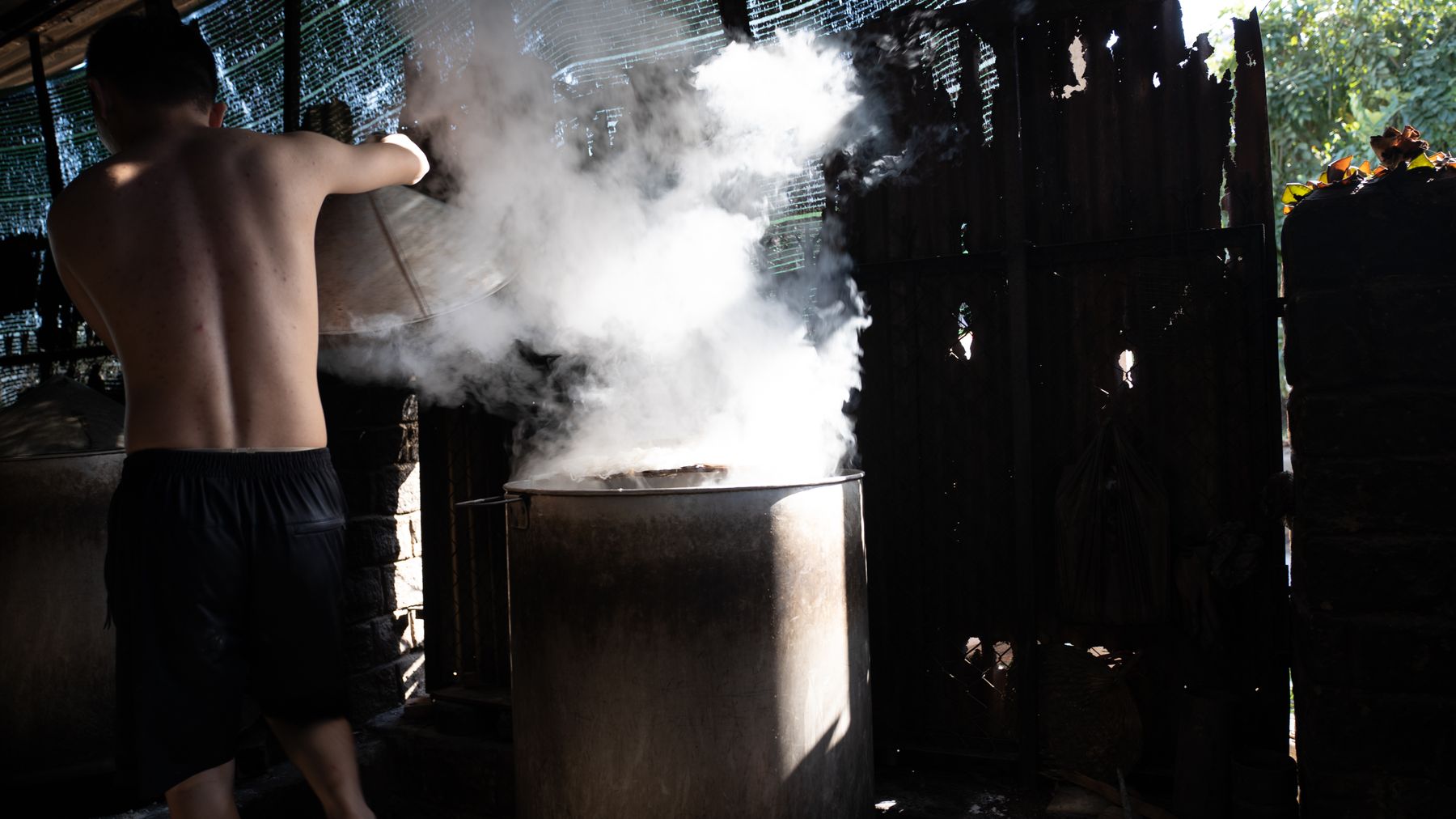
Photo by Quang Nguyen Vinh on Pexels
Hat De — Goat in Every Form
"Hat de" — goat meat — is serious business up here. Cao Bang province has a long tradition of raising mountain goats, and the market reflects it. You'll find raw goat cuts at the wet market stalls, but the more interesting eating is at the small cooked-food tables on the market's eastern side.
Goat skewers (de nuong) are grilled over charcoal and served with a dipping sauce of lime juice, salt, and chili — simple, but the meat has actual flavor from the animals' rocky-terrain diet. Goat hot pot (lau de) appears at a few stalls and is a solid cold-morning option, though it tends to show up more at lunch than at the 7am rush. Expect to pay 40,000–60,000 VND for a skewer plate; hot pot is priced per portion or per pot depending on the vendor.
If goat isn't your thing, the same stalls often sell grilled pork belly and sticky rice (xoi) wrapped in banana leaf — a reasonable fallback.
Other Things Worth Eating
Chao dau xanh — a thin mung bean congee — appears at a few stalls and is what locals eat when they want something light. It's not exciting but it's warming and costs almost nothing (10,000–15,000 VND).
Banh trang nuong — grilled rice paper — gets assembled to order: egg, spring onion, dried shrimp, and chili paste on a cracker-thin rice round held over charcoal. This one has spread across northern Vietnam (베트남 / 越南 / ベトナム) but the Cao Bang market version still feels local rather than tourist-targeted.
Corn wine (ruou ngo) from Tay villages shows up in unmarked plastic bottles at a handful of stalls. It's rough, it's strong, and it's genuinely local. Not a 7am drink for most people, but worth knowing it exists.
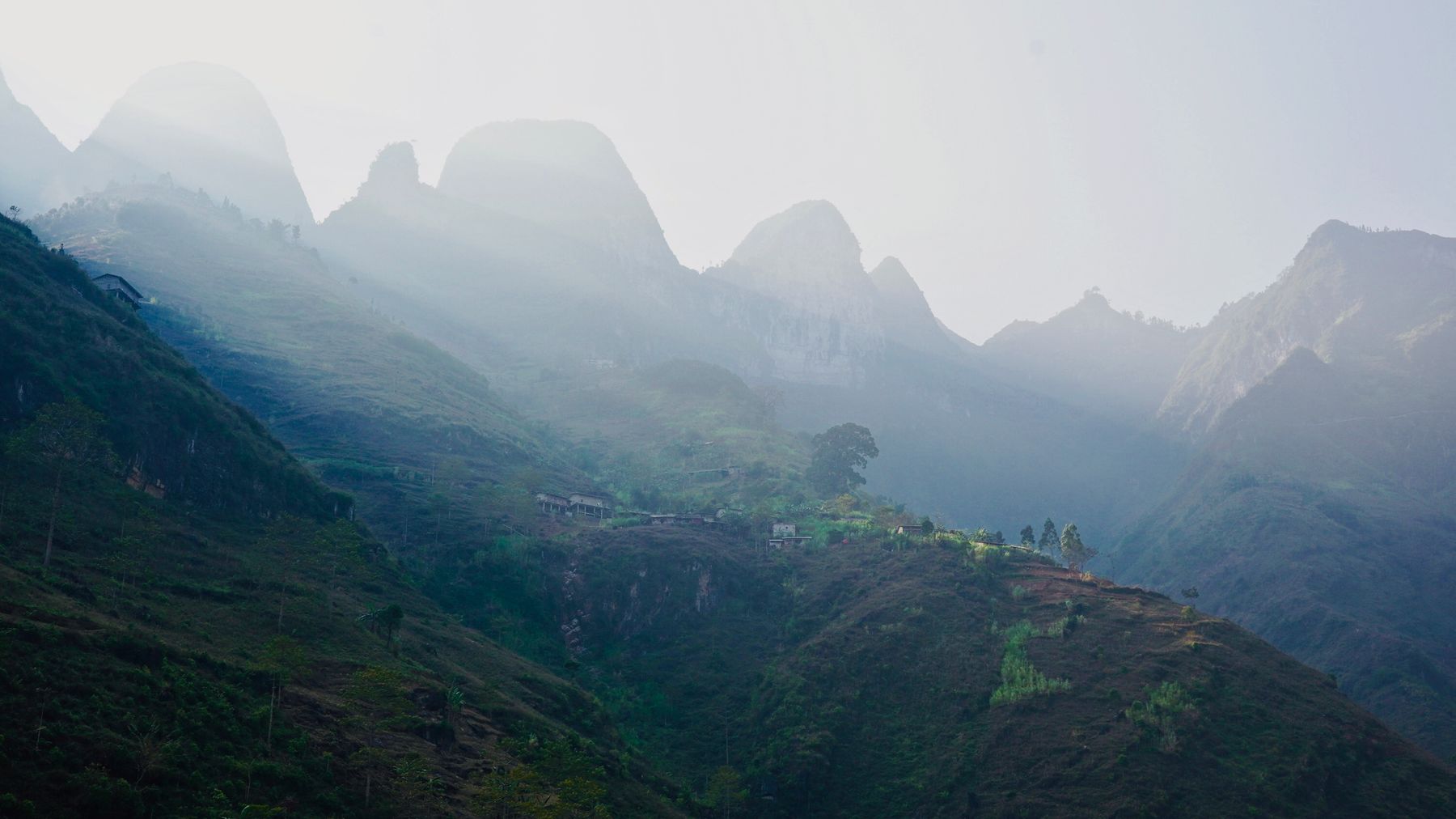
Photo by Quang Le Xuan on Pexels
How to Navigate the Market
Cao Bang's market is compact enough that a single slow loop takes twenty minutes. Do one full walk-through before committing to anything — stall quality varies and the best setups are not always the most visible ones. Look for tables with local regulars sitting down; they're not there for the novelty.
Prices are not generally inflated for outsiders, but Cao Bang sees few foreign visitors, so expect some curiosity. Pointing and showing fingers for quantities works fine. A basic phrase — "cho toi mot phan" (one portion, please) — goes a long way.
The wet market section sells live poultry, river fish, and seasonal foraged vegetables — bitter greens, wild mushrooms, bamboo shoots — that reflect what's actually growing in the hills around town. It's worth a look even if you're not cooking.
Practical Notes
Cao Bang is roughly 270 km northeast of Hanoi — about 6–7 hours by bus from My Dinh station, or a faster journey if you rent a motorbike and come via Ha Giang or That Khe. Most travelers pair the market with a visit to Ban Gioc waterfall (about 90 km further northeast) and the Nguom Ngao cave system nearby. Budget 15,000–20,000 VND per item at food stalls; a full market breakfast with pho chua, banh cuon, and coffee won't break 70,000 VND.
Last updated · May 29, 2026 · independently researched, never sponsored.