Day 1 — Finding your rhythm in Hanoi
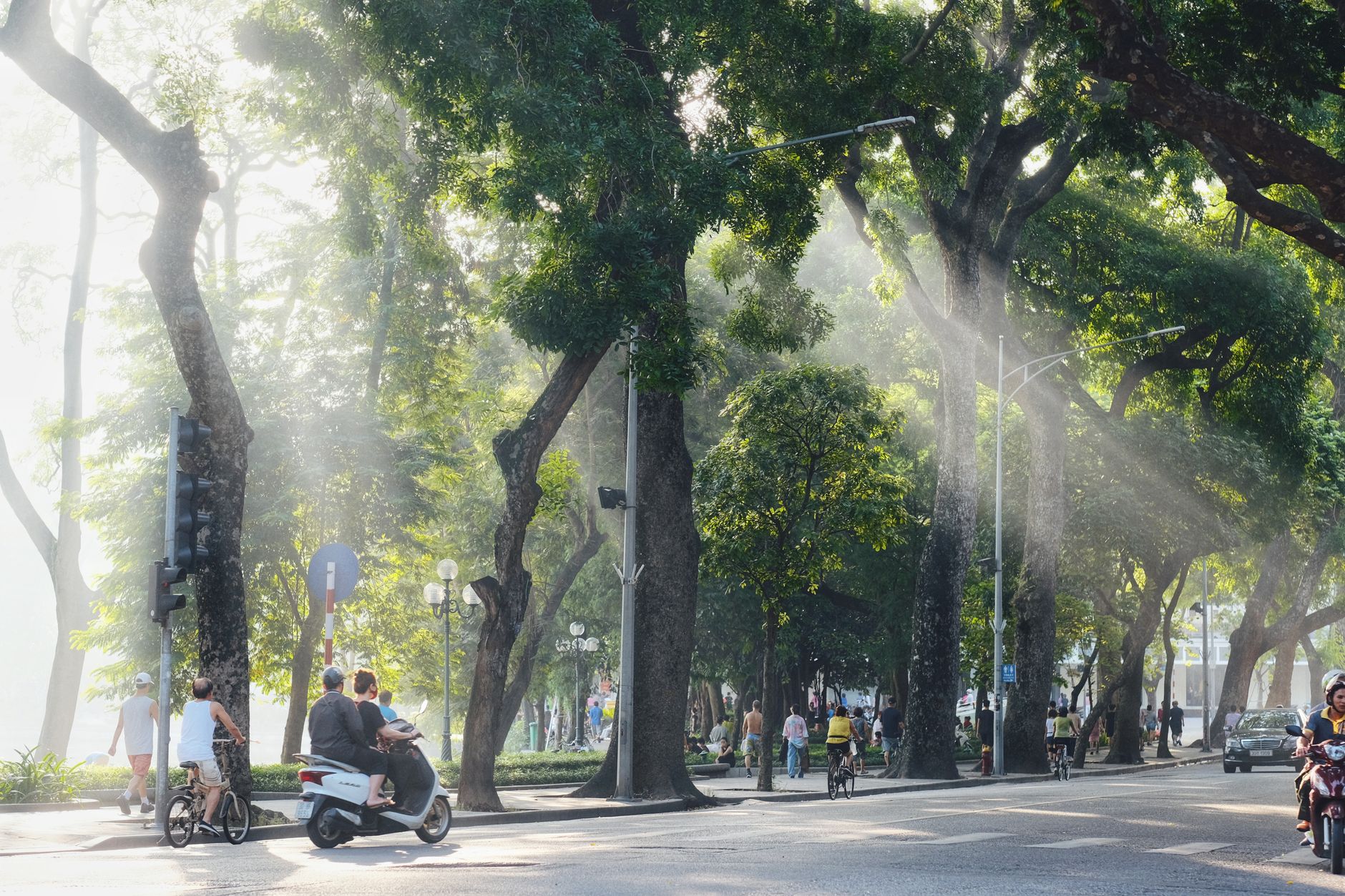
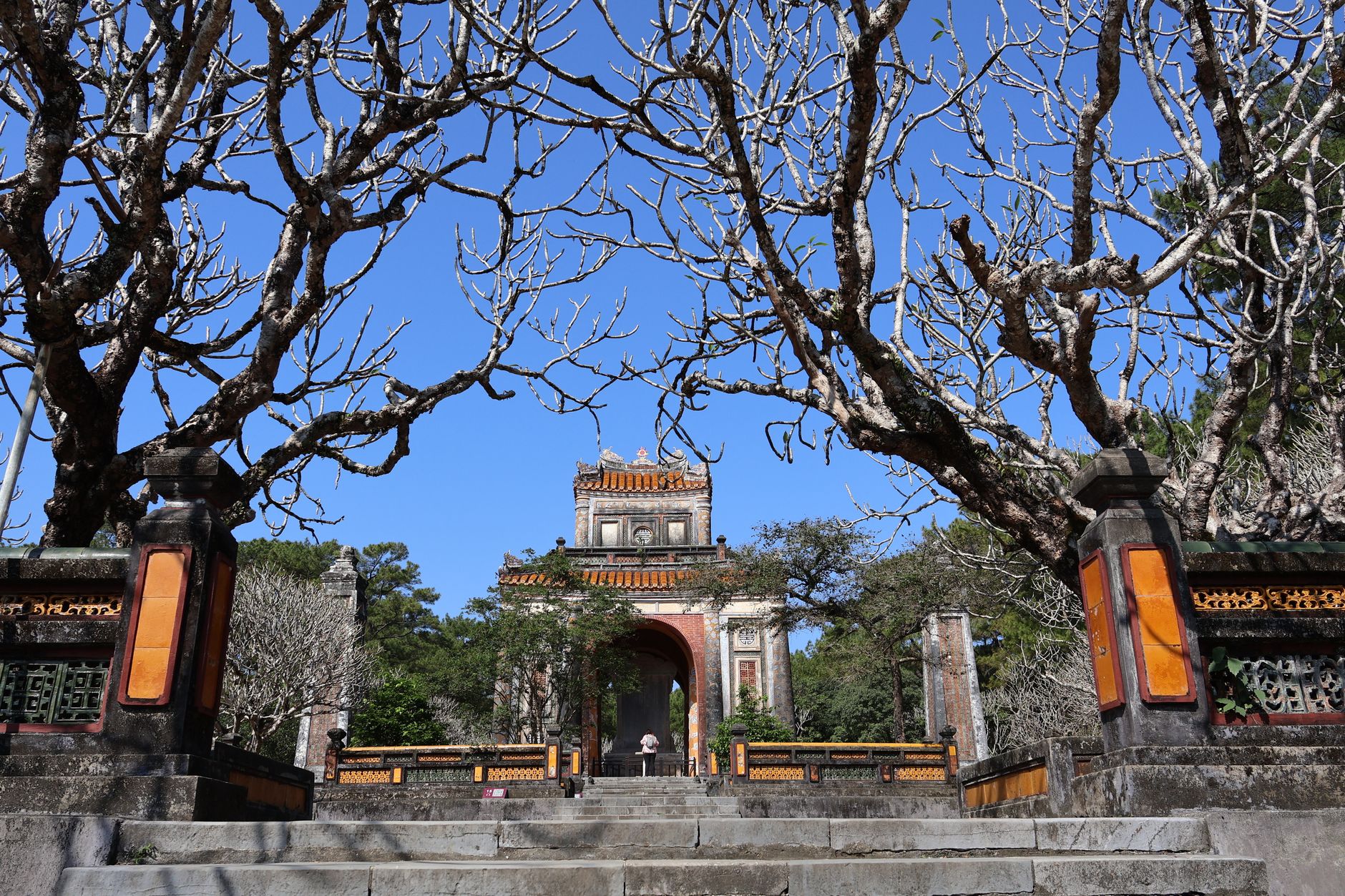
Start your trip in the Old Quarter. It is noisy, humid, and chaotic, but it is the best place to calibrate your senses. Grab a "pho" bo at a street-side stall around 7:00 AM—look for the place with the most locals on plastic stools. Spend the afternoon walking around the "Temple of Literature" to escape the traffic. In the evening, find a spot near "Long Bien Bridge" for a "bia hoi" before heading to a local spot for "bun cha".
Day 2 — The road to Ha Giang
Take a sleeper bus or a private car from Hanoi (하노이 / 河内 / ハノイ) to Ha Giang city. The journey takes about 6 to 7 hours. Once you arrive, check into a homestay and rent a semi-automatic motorbike. If you are not comfortable riding, hire an "easy rider" guide. Spend the evening eating dinner with your hosts; it is the best way to get a home-cooked meal in the mountains.
Day 3 — Ha Giang to Yen Minh
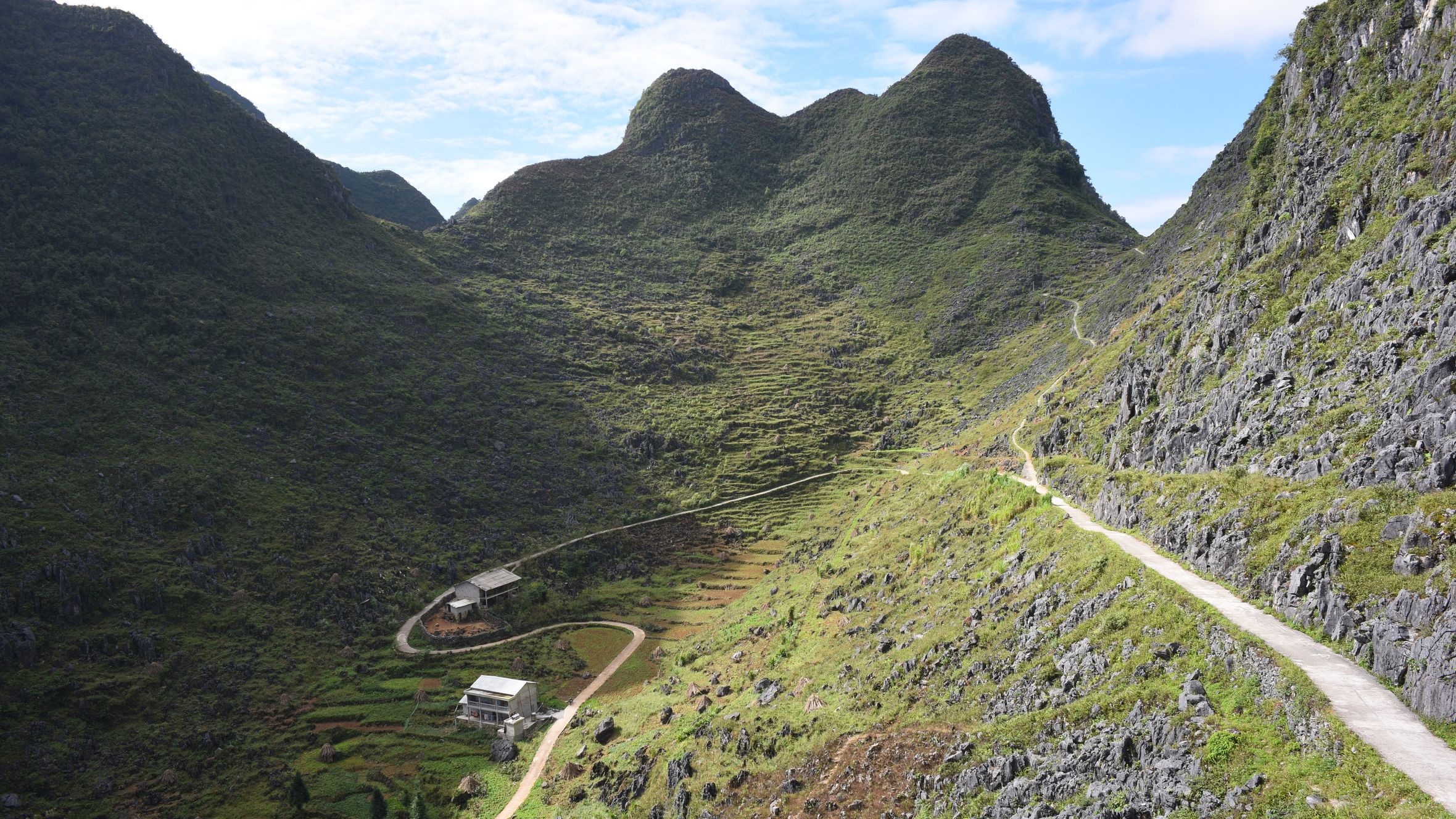
Head north toward the "Dong Van Karst Plateau". The road climbs quickly. Stop at the Heaven’s Gate pass for a view of the valley below. The landscape here is stark, rocky, and unlike anywhere else in the country. Aim to reach Yen Minh by late afternoon. The temperature drops significantly once the sun goes down, so pack a jacket even in summer.
Day 4 — The heart of the plateau
Ride from Yen Minh to Dong Van. You will pass through the Lung Cu flag tower area, which sits near the northern border. The road is narrow and winding. In Dong Van, explore the old market area. If you are lucky enough to be here on a Sunday, the market is a chaotic, vibrant mix of local ethnic groups trading goods. Try the local buckwheat cakes.

Photo by Nguyen Ngoc Tien on Pexels
Day 5 — Ma Pi Leng and Meo Vac
This is the most visually impressive stretch of the loop. The "Ma Pi Leng Pass" cuts through massive limestone cliffs with the Nho Que River winding far below. It is a steep, winding road that requires focus. Spend the night in Meo Vac, a quieter town than Dong Van, and enjoy a bowl of local "thang co" if you are feeling adventurous.
Day 6 — Crossing to Cao Bang
This is a long transit day. The road from Meo Vac to Cao Bang is less traveled than the Ha Giang loop. You will spend 6 to 8 hours on the road. The scenery shifts from jagged limestone to rolling green hills and tea plantations. Arrive in Cao Bang city, find a local restaurant serving "banh cuon (반꾸온 / 蒸米卷 / バインクオン)" with a rich bone broth dipping sauce, and rest up.
Day 7 — Ban Gioc Waterfall
Drive about 85km from Cao Bang city to reach Ban Gioc. It is one of the most impressive natural sites in the north. Spend the morning taking a bamboo raft close to the falls. Afterward, visit the Nguom Ngao Cave nearby, which is massive and filled with limestone formations. Return to Cao Bang city for the night.

Photo by tu nguyen on Pexels
Day 8 — Pac Bo and local life
Take a shorter ride to the Pac Bo historical site. It is a quiet, forested area with a clear, turquoise stream. It is a place of historical significance and a peaceful spot to walk. Spend the afternoon wandering the local markets in Cao Bang to see the variety of produce and textiles before heading back to your accommodation.
Day 9 — Returning to Hanoi
Take a bus or private car back to Hanoi. This is a long haul, usually taking 7 to 9 hours depending on traffic. Once you are back in the city, reward yourself with a "vietnamese coffee" or a "ca phe sua da" at a cafe overlooking the city streets. For your final dinner, seek out some "bun thang" for a lighter, clean finish to your trip.
Day 10 — Final morning in the capital
Use your last few hours to visit the "Tran Quoc Pagoda" by West Lake. It is a calm way to end the trip before your flight. Grab a final "banh mi" for the road and navigate your way to the airport.
Practical notes
- Transport: Sleeper buses are the standard for long distances, but private cars are significantly more comfortable for the mountain stretches. If you ride a motorbike, ensure you have an International Driving Permit and proper insurance.
- Packing: The mountains are cold, even when Hanoi is hot. Bring layers, a sturdy rain shell, and comfortable boots.
- Money: Keep plenty of cash in VND. While hotels in Hanoi take cards, the mountain regions are strictly cash-based.
Last updated · May 30, 2026 · independently researched, never sponsored.