Day 1-2: Hanoi - The Foundation
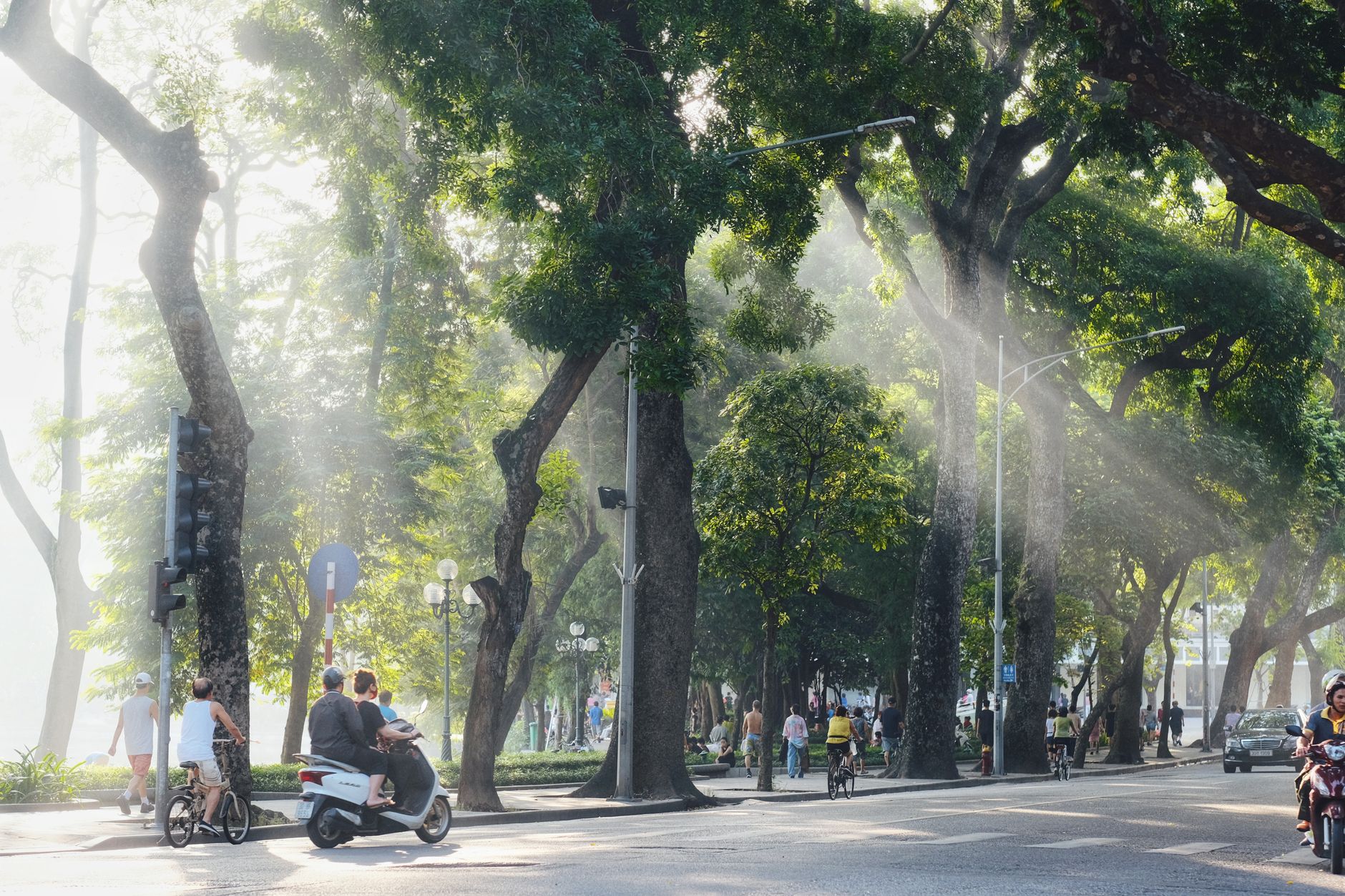
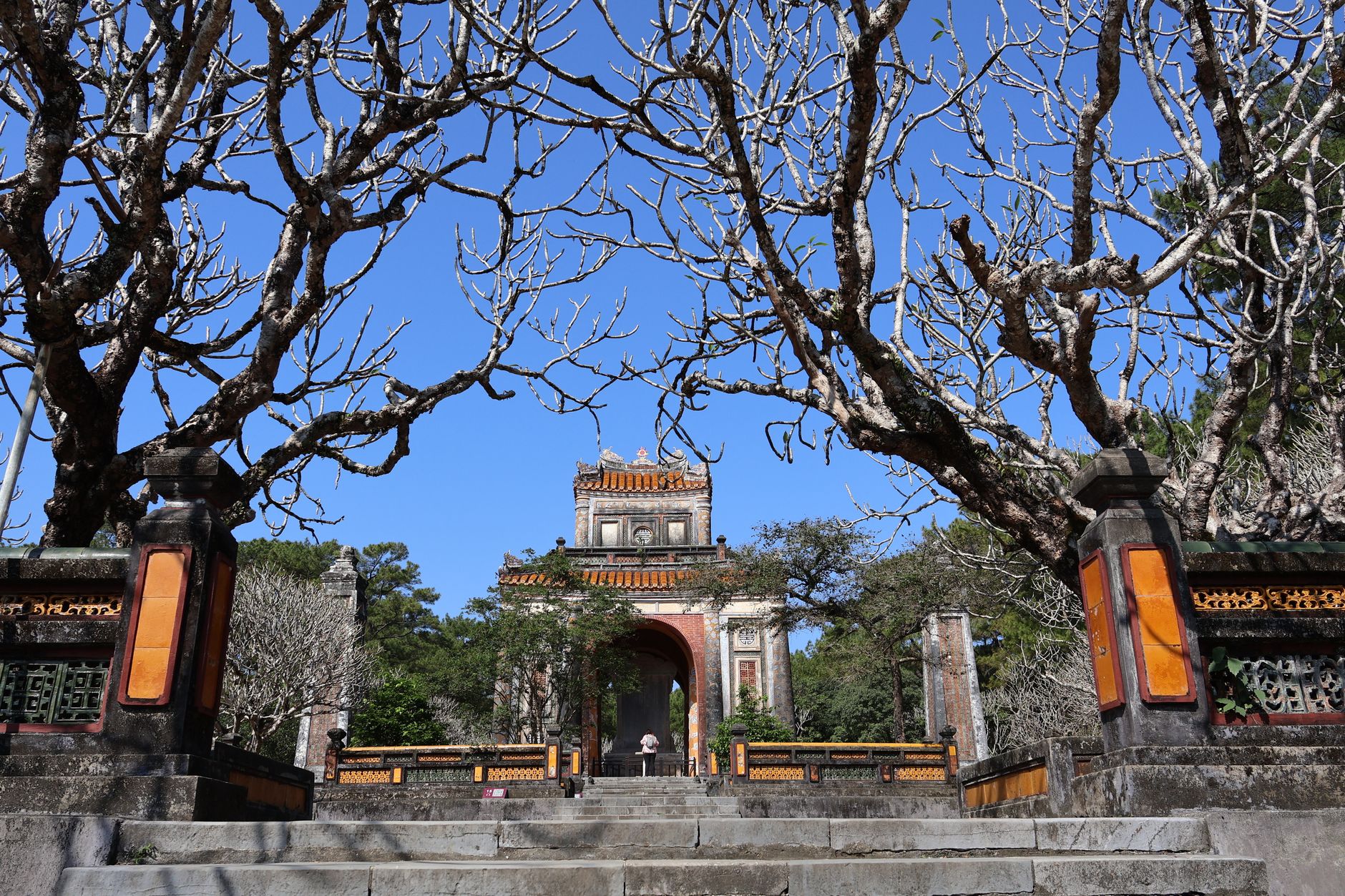
Start in Hanoi to calibrate your palate. Avoid the tourist traps around Hoan Kiem Lake and head straight to the Old Quarter for "bun cha". The best spots are often marked by a charcoal grill on the sidewalk; look for the smoke. For breakfast, find a vendor serving "bun thang", a delicate chicken noodle soup that requires a level of patience and precision rarely found elsewhere. In the evening, grab a "bia hoi" on a plastic stool at a street corner. It is cheap, fresh, and the best way to watch the city move. Spend your second morning visiting the "Temple of Literature" before grabbing a "banh mi" for the road. If you have time, a quick stop at "Tran Quoc Pagoda" provides a quiet moment before the chaos of the mountains.
Day 3: Hanoi to Ha Giang
Take a morning bus or private car from My Dinh station. The drive takes about 6 to 7 hours. The landscape changes from flat delta to limestone karst as you approach the border region. Once in Ha Giang, head to a local eatery for "thang co", a traditional mountain stew. It is intense and earthy, often served with a side of corn wine. It is not for everyone, but it is the authentic flavor of the highlands.
Day 4-6: The Ha Giang Loop
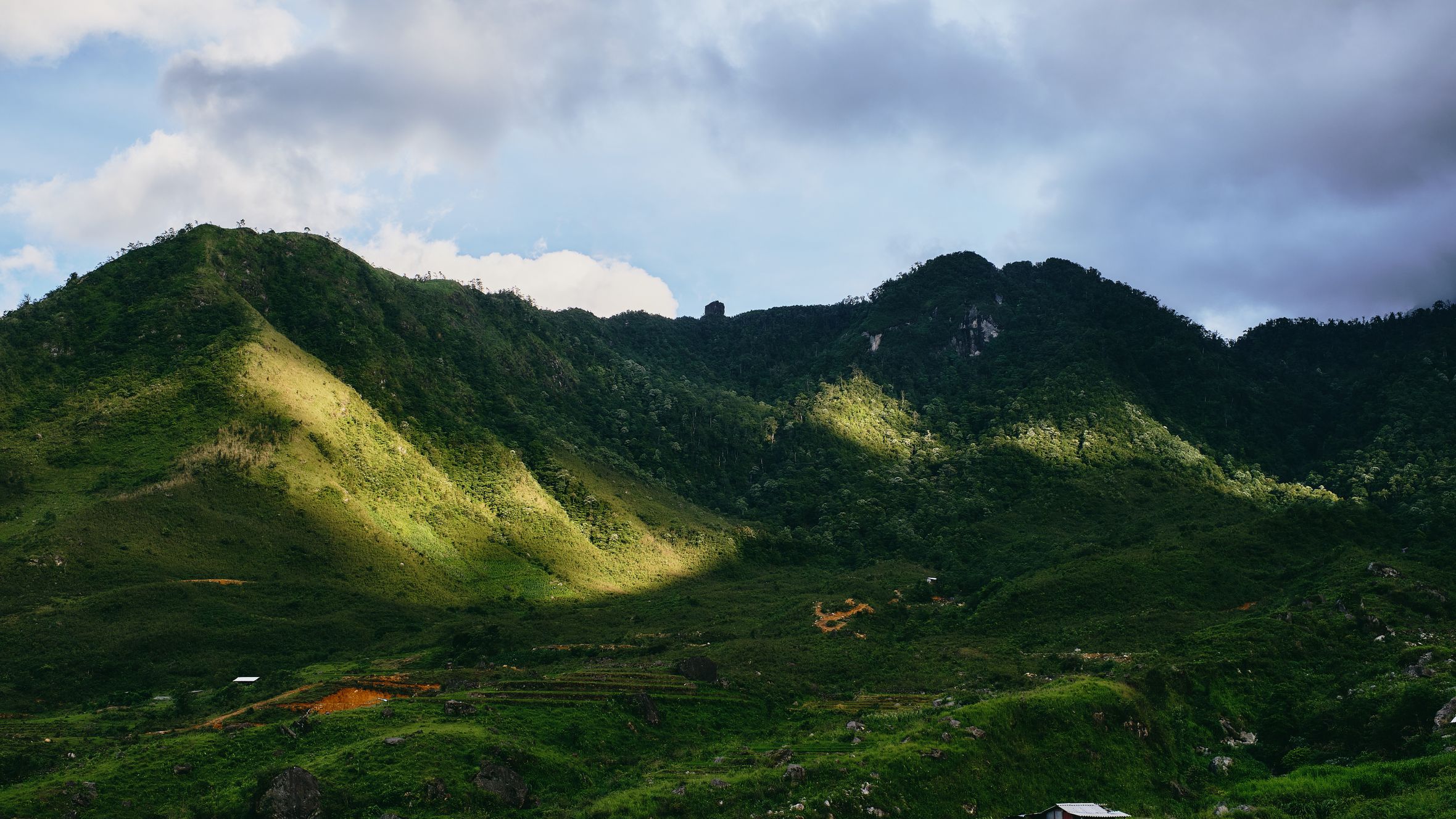
Rent a semi-automatic motorbike—the only way to truly navigate these mountain passes. Over three days, you will traverse the Ma Pi Leng Pass. The elevation gain is significant, and the air gets thin. Stop in small villages for "thang den", a sweet glutinous rice cake served in ginger syrup. In Dong Van, look for vendors selling buckwheat cakes, a local specialty. The roads are winding and steep, so keep your speed low and your eyes on the road. The scenery here is dramatic, but the real reward is the hospitality of the local ethnic minority communities who will often invite you for a cup of tea.
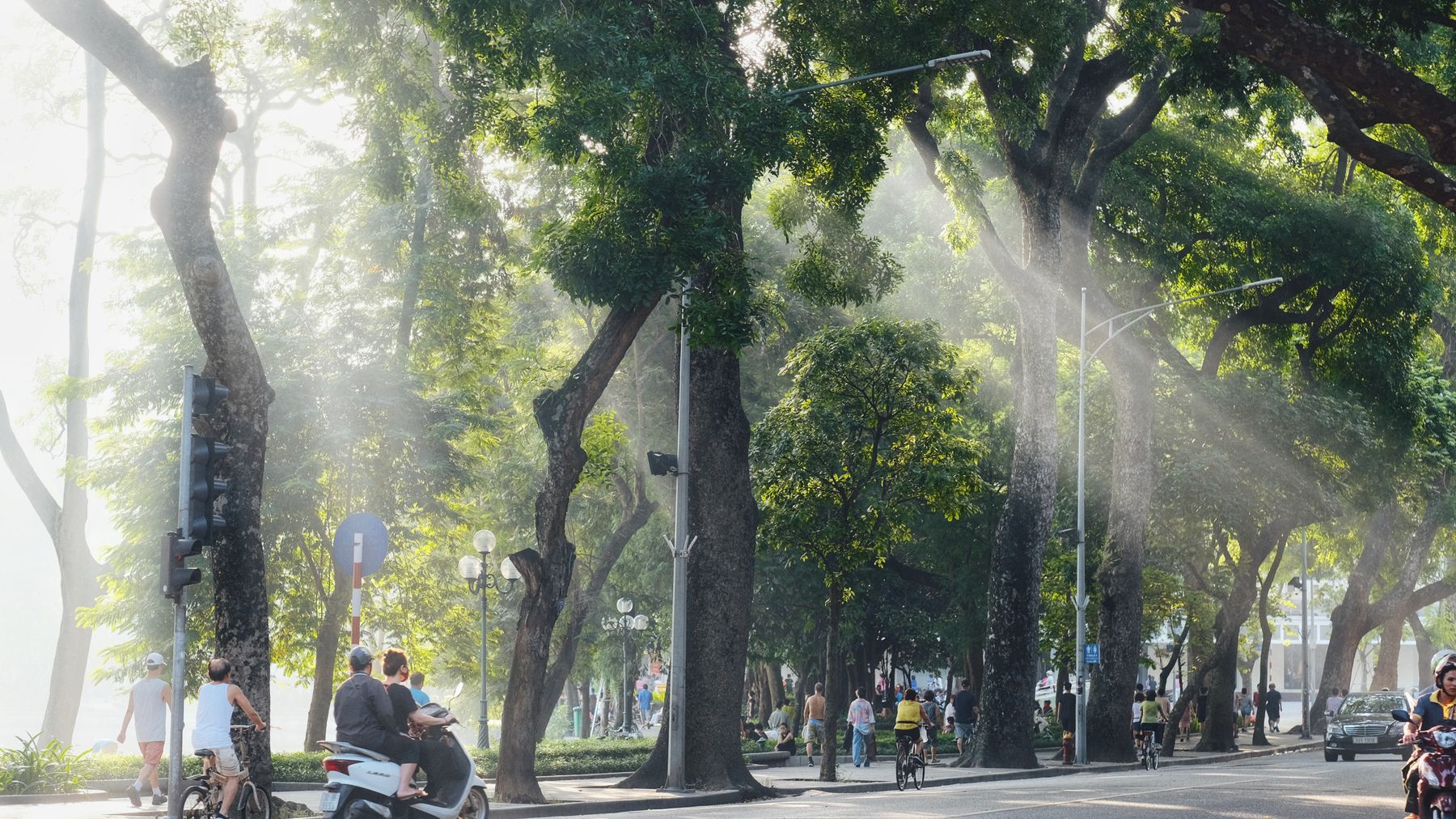
Photo by tu nguyen on Pexels
Day 7: Ha Giang to Cao Bang
This is a long transit day, roughly 200km of winding roads. You are moving east toward the border. The transition from the limestone peaks of Ha Giang to the lush, green valleys of Cao Bang is striking. Stop in Bao Lac for a quick lunch of simple stir-fried greens and local pork. Arrive in Cao Bang city by evening and find a bowl of "banh cuon (반꾸온 / 蒸米卷 / バインクオン)"—the version here is served with a pork bone broth and a poached egg, a distinct departure from the Hanoi style.
Day 8-9: Cao Bang and Ban Gioc
Spend your time exploring the area around Ban Gioc Waterfall. It is a massive, multi-tiered cascade that defines the border landscape. While the falls are the main draw, the nearby Nguom Ngao Cave is worth the detour. For dinner, seek out "vit quay" (roast duck), which is marinated with "mac mat" leaves, a wild fruit that gives the meat a unique, citrusy aroma. It is arguably the best roast duck in the country.

Photo by Nguyen Ngoc Tien on Pexels
Day 10: Back to Hanoi
Take the long haul back to Hanoi (하노이 / 河内 / ハノイ), usually a 7-8 hour drive. If you are exhausted, book a sleeper bus. Once back in the capital, treat yourself to a final bowl of "pho" at a reputable shop—look for a place with a long line of locals at 7:00 AM. It is the perfect, clean finish to a rugged trip.
Practical notes
Pack layers; the mountain temperatures in Ha Giang and Cao Bang can drop significantly at night, even in the summer. Always carry a physical map or a downloaded offline GPS, as mobile signal is unreliable in the deep valleys. Finally, ensure your motorbike license is valid and you have travel insurance that covers mountain riding.
Last updated · May 30, 2026 · independently researched, never sponsored.