What it is
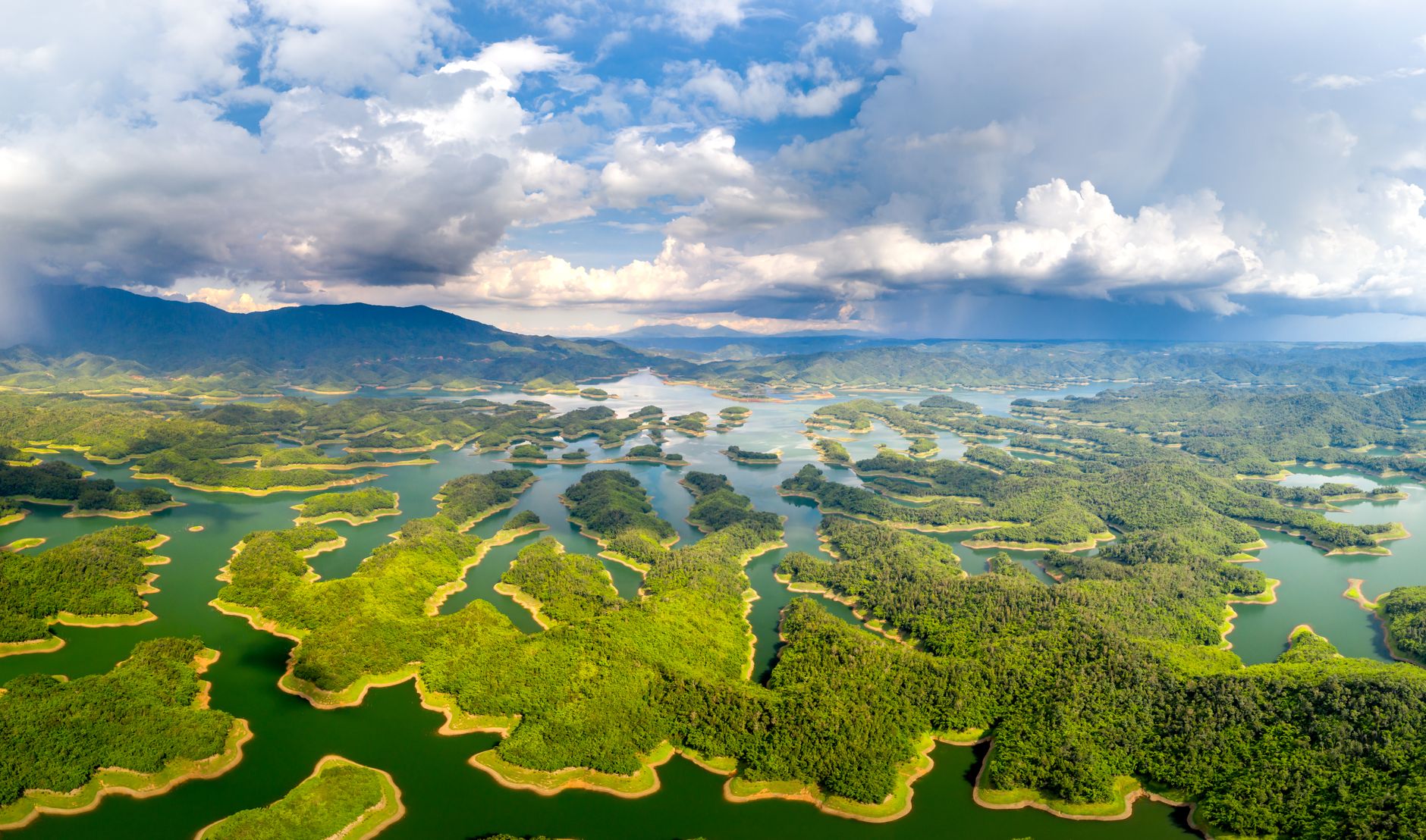
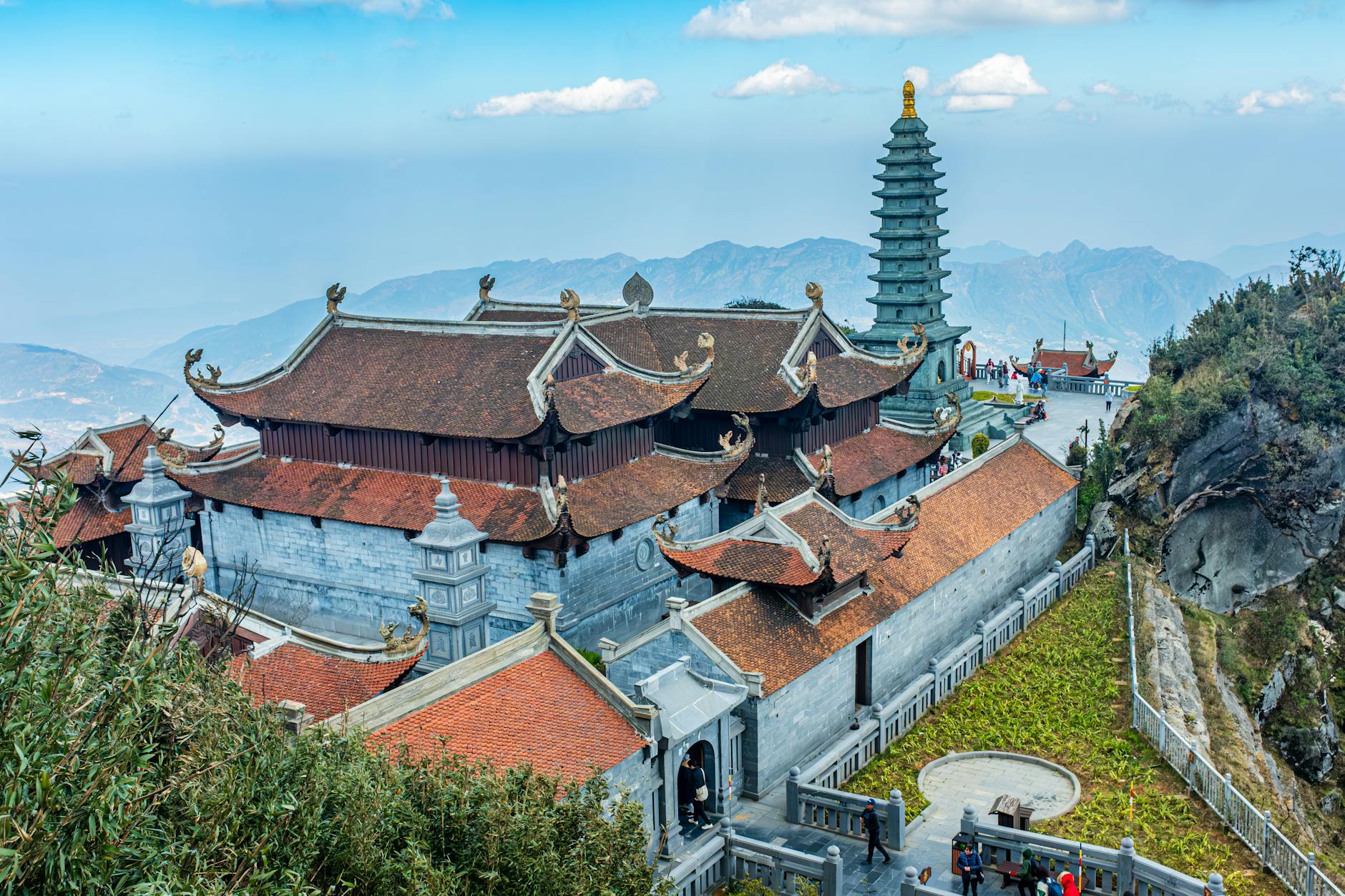
Chua Tien Lac Thuy is a Buddhist pagoda built inside a natural limestone cave system in what was formerly Hoa Binh province and is now part of the expanded Phu Tho province after administrative redistricting. The pagoda sits within the Lac Thuy area's karst landscape — think Ninh Binh (닌빈 / 宁平 / ニンビン)'s geology but with far fewer tourists and no ticket queues.
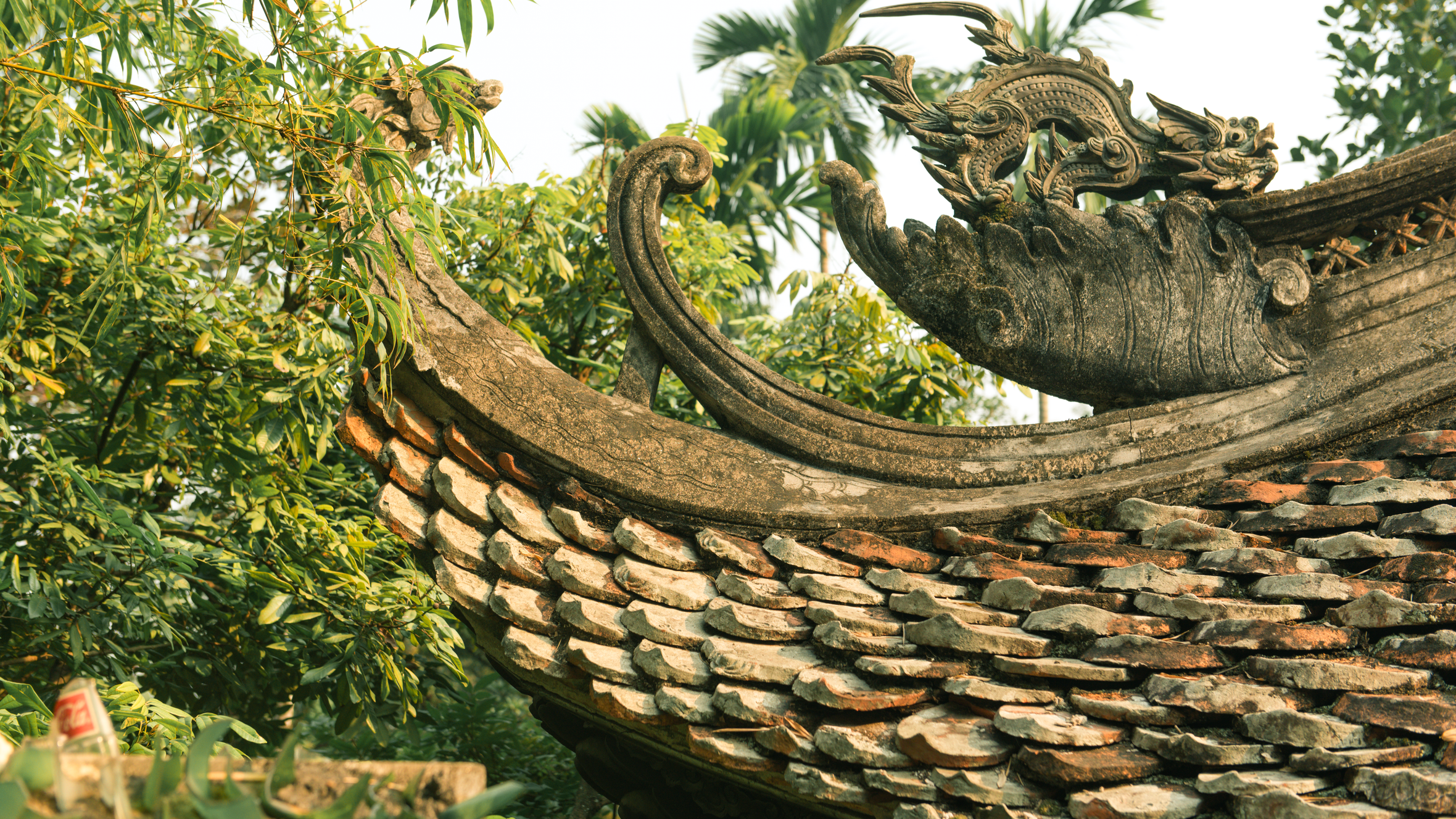
The site dates back several centuries, though much of what you see today was restored and expanded during the 1990s and 2000s. The name "Chua Tien" translates roughly to "Fairy Pagoda," referencing local legends about celestial beings inhabiting the caves. The complex combines natural stalactite formations with Buddhist shrines, altars, and statuary arranged through multiple cave chambers connected by narrow passages.
Why travelers go
This isn't a place you visit for Instagram content or guided tour efficiency. People come here because it's a functioning religious site embedded in raw geology — monks still maintain the altars, incense still burns in the dark chambers, and the cave formations haven't been lit up with neon LEDs like some of Vietnam (베트남 / 越南 / ベトナム)'s more commercialized grottos.
The karst hills surrounding the pagoda offer decent half-day hiking. The area also sits within reach of Hung Kings Festival territory — Phu Tho is the spiritual heartland of the Hung Kings, Vietnam's legendary founders, so combining Chua Tien with a trip to the Hung Kings Temple complex makes geographic sense.
Best time to visit
The sweet spot is October through March. The cave interior stays cool year-round, but the approach roads and surrounding trails get muddy and unpleasant during peak monsoon months (June–August). March and April bring the Hung Kings Festival period, which means the broader Phu Tho region fills up — good for atmosphere, bad for finding accommodation without advance booking.
Avoid major lunar calendar dates (full moon, first and fifteenth of each lunar month) unless you want to experience the pagoda at its most active. On those days, worshippers from surrounding villages pack the cave chambers with offerings and incense smoke gets thick enough to sting your eyes.
How to get there
From Hanoi, you're looking at roughly 90–110 km depending on your exact route, which translates to about 2–2.5 hours by motorbike or private car.
By motorbike: Take the route toward Hoa Binh city via Highway 6, then cut north toward Lac Thuy. The roads are paved but narrow in sections. Fuel up before leaving the main highway — petrol stations thin out once you're in the karst country. Total fuel cost: around 80,000–100,000 VND round trip on a 125cc bike.
By bus + xe om: Catch a bus from My Dinh station in Hanoi toward Hoa Binh or Lac Thuy (70,000–90,000 VND, roughly 2 hours). From the drop-off point, you'll need a "xe om" (motorbike taxi) for the final 5–10 km to the pagoda — negotiate 30,000–50,000 VND.
By private car/taxi: A Grab or private driver from Hanoi runs 800,000–1,200,000 VND for a day trip with waiting time. Split among 3–4 people, this becomes reasonable.

Photo by Quang Nguyen Vinh on Pexels
What to do
Walk the cave chambers
The main draw. The cave system has three primary chambers, each with its own shrine arrangement. The deepest chamber requires ducking through a low passage — wear clothes you don't mind getting dusty. Stalactites drip year-round, and the floor can be slippery. Bring a headlamp or phone flashlight; the deeper sections have minimal lighting.
Climb to the upper viewpoint
A trail behind the main cave entrance leads up the karst hill to a clearing with views across the valley. It's about 20 minutes of steep climbing on uneven steps cut into the rock. No guardrails. Worth it for the perspective on how the limestone towers cluster together.
Observe the rituals
If you visit during an active worship period, take time to watch how offerings are arranged. The altar work here follows northern Buddhist traditions — lotus tea offerings, fruit arrangements, and paper votives. Respectful observation is welcomed; photography inside the cave shrines should be done without flash and after checking with any monks present.
Explore the surrounding trails
The karst hills extend in several directions from the pagoda. No formal trail maps exist, but local paths wind between rice paddies and limestone outcrops. Two hours of wandering gets you into genuinely quiet countryside — water buffalo, fish ponds, and maybe one curious farmer asking where you're from.
Visit nearby villages
The Muong ethnic minority communities in this area maintain traditional stilt houses and rice wine production. No organized homestay circuit here — you're on your own for interactions, which is part of the appeal.
Where to eat nearby
Don't expect restaurant rows. The nearest proper food options are back toward the main road or in Lac Thuy town.
Look for "com binh dan" (everyday rice plates) — a full plate with pork, greens, broth, and rice runs 35,000–50,000 VND. The local specialty worth seeking is "com lam" — sticky rice cooked inside bamboo tubes over charcoal, often served with grilled pork. You'll find it at roadside stalls, especially in the morning. Pair it with a bowl of "pho" from any of the small shopfront kitchens in town — nothing fancy, just honest broth.
Where to stay
Options are limited and basic:
- Nha nghi (guesthouses) in Lac Thuy town: 200,000–350,000 VND/night. Expect a fan room, hot water (usually), and thin walls. Clean enough.
- Homestays in surrounding villages: 150,000–250,000 VND including dinner and breakfast. Ask around — these aren't listed on Booking.com. Communication helps if you have basic Vietnamese or a translation app.
- Day trip from Hanoi: Honestly the most common approach. Leave early, return by dinner.

Photo by Theodore Nguyen on Pexels
Practical tips locals would tell you
- Bring incense and a small fruit offering (bananas work) if you want to pay respects at the shrines. You can buy these at the small stall near the entrance for 20,000–30,000 VND.
- Wear long pants and sleeves inside the pagoda — it's a religious site, and the cave temperature drops noticeably.
- The cave floor gets genuinely slippery after rain. Proper shoes, not sandals.
- Phone signal is patchy inside the caves and in the surrounding valley. Download offline maps before you leave Hanoi.
- If riding a motorbike, the last 3 km of road to the pagoda entrance can flood during heavy rain. Ask locals about conditions if it's been raining.
Common mistakes to avoid
- Coming without cash. No ATMs near the pagoda. Bring enough VND for the day — entrance donation, food, fuel, and any transport.
- Expecting English signage. There is none. Basic Vietnamese phrases or a translation app are genuinely useful here.
- Rushing it. The cave chambers reward slow exploration. Budget at least 2 hours for the pagoda itself, more if you want to hike.
- Visiting only the first chamber. Many visitors turn back after the initial shrine area. The deeper chambers are darker, quieter, and more interesting.
Practical notes
Chua Tien Lac Thuy works best as a day trip from Hanoi or as a stop en route to the broader Phu Tho highlands. Combine it with the Hung Kings Temple if you're in the region during festival season. This is not a polished tourist site — that's exactly why it's worth the drive.
Last updated · May 29, 2026 · independently researched, never sponsored.