What Cu Lao Tan Quy actually is
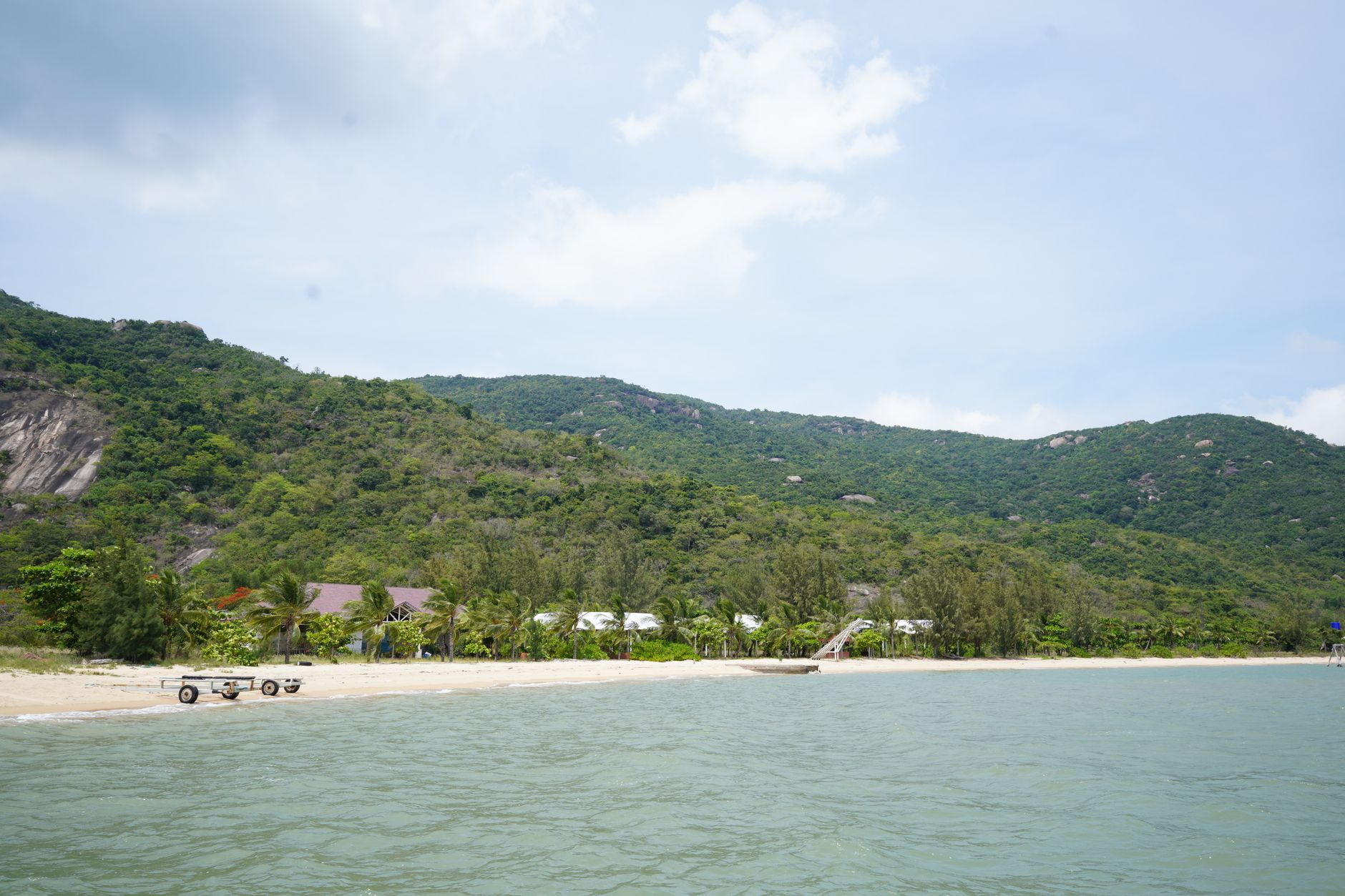
Cu Lao Tan Quy is a long, narrow island sitting in the Co Chien River, one of the main branches of the Mekong as it fans out toward the sea. Administratively it belonged to Tra Vinh province for decades, but following the recent merger of Tra Vinh into the expanded Vinh Long province, it now falls under Vinh Long's jurisdiction. None of that changes what the island looks like on the ground: a patchwork of coconut palms, fruit orchards, narrow concrete paths, and small family compounds where people have been growing longan, rambutan, and mangosteen for generations.
The island stretches roughly 8 km long and about 2 km at its widest. There are no traffic lights, no ATMs, and no real tourist infrastructure beyond a handful of homestays and the occasional boat operator who runs day-trippers across the channel.
Why travelers go
Cu Lao Tan Quy appeals to people who want the Mekong Delta (메콩 델타 / 湄公河三角洲 / メコンデルタ) without the conveyor-belt tour experience. If you've done the floating market circuit around Can Tho and found it a bit packaged, this is the antidote. There's no entrance fee, no ticket booth, no guided route. You show up, walk or cycle, eat fruit straight off the tree if someone offers, and leave when you feel like it.
The island also gives you a window into southern Vietnamese rural life that hasn't been curated for visitors. Fishing nets drying on fences, "don ca tai tu" folk music drifting from someone's porch on a Sunday afternoon, kids chasing each other down dirt lanes — it's ordinary life, and that's precisely the point.
Best time to visit
The sweet spot is December through April, the dry season in the Mekong Delta. River levels are manageable, paths on the island aren't muddy, and the fruit harvest is either underway or just wrapping up. January and February tend to be the most comfortable temperature-wise, sitting around 26-30°C without the crushing humidity of the wet months.
If you visit during Tet (usually late January or early February), the island gets festive — families set up altars, cook elaborate meals, and the orchards are decorated with marigolds and kumquat trees. You won't find public celebrations aimed at tourists, but the atmosphere is noticeably different.
Avoid September and October if you can. The river runs high, some low-lying sections of the island flood, and boat crossings can be rougher than you'd like in a wooden sampan.
How to get there
The most practical base is Vinh Long city, about 135 km southwest of Saigon. From Saigon's Mien Tay bus station, buses run to Vinh Long every 30-45 minutes throughout the day. The ride takes around 2.5 hours and costs 80,000-120,000 VND depending on the operator. Phuong Trang (FUTA) and Thanh Buoi are reliable choices.
From Vinh Long city, you need a boat. Head to the riverfront area near Vinh Long market and ask around for boats going to Cu Lao Tan Quy. A shared boat crossing is cheap — 10,000-20,000 VND per person. If you want a private boat for flexibility (recommended if you plan to explore at your own pace), expect to pay 200,000-400,000 VND for a half-day charter. Negotiate before you board.
If you're coming from Can Tho (껀터 / 芹苴 / カントー), it's about 70 km northeast — roughly 1.5 hours by car or motorbike via QL1A.

Photo by Quang Nguyen Vinh on Pexels
What to do
Walk the orchard paths
The island is small enough to cover on foot in a few hours. The interior is crisscrossed with narrow concrete paths and dirt trails that wind through longan, rambutan, mangosteen, and coconut orchards. In fruit season (May through August for most varieties), orchard owners sometimes invite passersby to sample whatever's ripe. A kilo of rambutan bought directly from a farmer here costs 15,000-25,000 VND — roughly a third of what you'd pay in Saigon.
Cycle the perimeter
Some homestays rent bicycles for 50,000-80,000 VND per day. The loop around the island's outer paths is roughly 15 km and flat the entire way. You'll pass fish ponds, small brick-making operations, and sections of riverbank where locals sit with fishing rods in the late afternoon. It's the kind of ride where you stop every few hundred meters just to look at things.
Take a sampan through the canals
Smaller waterways cut through the interior of the island, shaded by water coconut palms that form a canopy overhead. A short sampan ride through these canals costs around 100,000-150,000 VND per person and lasts 30-45 minutes. It's quiet, slow, and about as far from a motorized tour boat as you can get.
Visit a coconut candy workshop
The Mekong Delta is famous for "keo dua" — chewy coconut candy made from fresh coconut milk, sugar, and malt. A few families on Cu Lao Tan Quy still make it by hand in small batches. There's no factory tour; you just knock on a door and ask politely. Most families are happy to show you the process and sell you a bag for 20,000-30,000 VND.
Just sit on the riverbank
Seriously. Bring a book, buy a coconut (10,000 VND from almost any house), and sit on the bank watching cargo boats and fishing vessels move up and down the Co Chien. It's the least productive and most rewarding thing you can do here.
Where to eat
Food on the island is simple home-cooking, not restaurant fare. If you're staying at a homestay, your host will almost certainly offer meals — expect rice, river fish (often fried or steamed whole), "canh chua" (sour soup with tamarind and fresh herbs), and whatever vegetables are growing out back. A full home-cooked meal runs 80,000-120,000 VND per person.
Back in Vinh Long city, look for "hu tieu" — the southern-style noodle soup that's lighter and sweeter than its northern cousins. The stalls around Vinh Long market serve solid bowls for 30,000-40,000 VND. If you're craving something heavier, "com tam" (broken rice with grilled pork) is everywhere in the Mekong Delta and rarely disappoints.
Where to stay
There are no hotels on Cu Lao Tan Quy. Accommodation means homestays — simple rooms in family houses, usually with a fan, mosquito net, and shared bathroom. Expect to pay 200,000-350,000 VND per night, often including breakfast and sometimes dinner. Book ahead if visiting around Tet / 越南春节 / テト) or on weekends; otherwise, you can usually arrange something on arrival.
If you prefer more comfort, stay in Vinh Long city where guesthouses start around 250,000 VND and mid-range hotels run 500,000-800,000 VND. You can visit the island as a day trip from there.

Photo by Nguyen Truong Khang on Pexels
Practical tips locals would tell you
- Bring cash. There are no ATMs on the island and nobody takes cards. Withdraw what you need in Vinh Long city before crossing.
- Wear a hat and sunscreen. Shade disappears fast once you leave the orchard paths. The midday sun on the riverbank is no joke.
- Learn three phrases: "Xin chao" (hello), "Cam on" (thank you), "Bao nhieu" (how much). English is nearly nonexistent here.
- Mosquito repellent after 4pm. The canals and fruit trees mean mosquitoes are aggressive once the sun drops.
- Bring your own water. You can buy drinks at a couple of small shops near the boat landing, but selection is limited once you go deeper into the island.
Common mistakes to avoid
Don't show up expecting a polished tourist experience — there are no signs in English, no visitor center, no Wi-Fi cafes. That's the appeal, but it catches some people off guard. Don't try to visit as a rushed half-day side trip from Saigon; the travel time doesn't justify it unless you're spending at least one night in the area. And don't haggle aggressively with boat operators or fruit sellers — prices here are already low, and pushing for a discount on a 20,000 VND bag of rambutan just creates awkwardness.
Practical notes
Cu Lao Tan Quy works best as part of a slower Mekong Delta loop — combine it with a night or two in Vinh Long city, a day trip to Can Tho's floating markets, and maybe a stop in the orchards around Sa Dec. It rewards patience and curiosity more than any checklist approach.
Last updated · May 29, 2026 · independently researched, never sponsored.