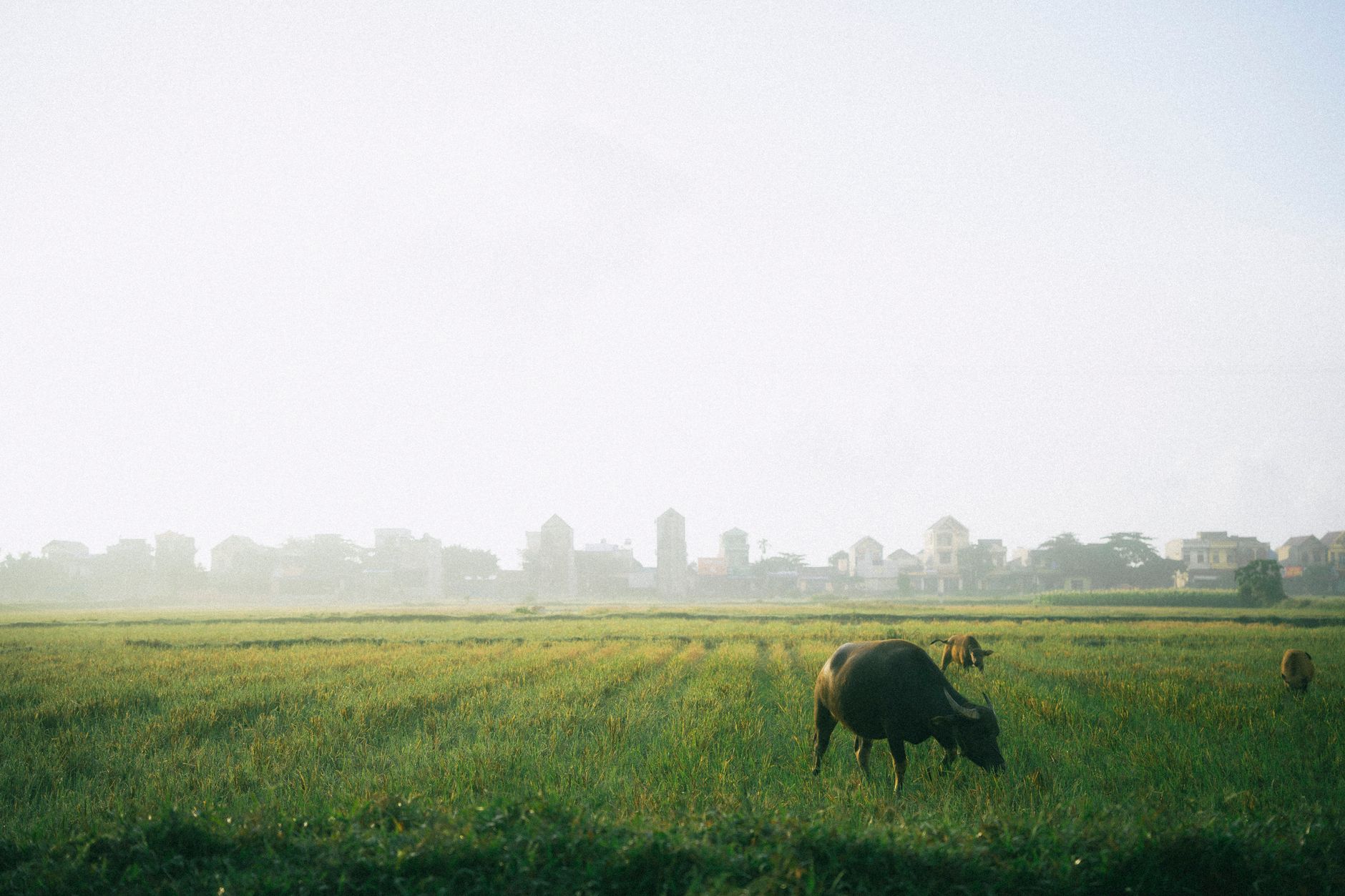
The Mekong Delta (메콩 델타 / 湄公河三角洲 / メコンデルタ) feeds half the country and rewards anyone willing to eat their way through it. This three-day loop from Saigon hits Vinh Long, Can Tho, and Ben Tre — roughly 150 km of river road — with a focus on food you genuinely can't find as well anywhere else.
Day 1 — Saigon to Vinh Long: Sizzling Crepes and Slow Ferries
Leave Saigon (사이공 / 西贡 / サイゴン) early — ideally by 7 a.m. — from the Mien Tay bus station in Binh Tan district. Phung Trang and Thanh Buoi both run comfortable coaches to Vinh Long for around 100,000–120,000 VND. The ride is about two hours.
Vinh Long's main draw for food people is "banh xeo", the turmeric-yellow rice crepe that exists everywhere in Vietnam but hits differently here. The Delta version is smaller and crispier than the central style, stuffed with shrimp, mung bean, and bean sprouts, and eaten wrapped in a stack of wild herbs — pennywort, fish mint, banana flower — then dipped in nuoc cham. Head to the stretch of stalls along 1 Thang 5 Street near the market. Lunch for two should run 80,000–100,000 VND.
After lunch, catch a short ferry (10,000 VND) across to An Binh Island. This is where Vinh Long earns its overnight stay. Rent a bicycle from your guesthouse and spend the afternoon cycling between fruit orchards and stilted houses. Stop at a roadside stall for "hu tieu" — the Mekong's pork-and-noodle soup, lighter and sweeter than the Saigon version — if your stomach allows a second meal by late afternoon.
Stay the night on the island. Guesthouses run 200,000–350,000 VND. Some families offer simple dinners with river fish, morning glory stir-fry, and fermented shrimp paste. Say yes to whatever they're cooking.
Day 2 — Can Tho: Floating Markets and Noodle Soup at Dawn
The alarm needs to go off at 5 a.m. This is not optional.
From Vinh Long, a bus or xe om (motorbike taxi) gets you to Can Tho in under an hour. The Cai Rang floating market peaks between 5:30 and 7 a.m. — vendors start packing up by 8. Hire a boat from Ninh Kieu Wharf; expect to pay 150,000–200,000 VND per person for a shared tour. The market itself is wholesale produce, but the boats threading through selling "bun rieu" — crab and tomato noodle soup — and coffee are the real reason to be there. Eat on the water. It costs about 30,000 VND for a bowl and is completely worth the early start.
Back on land by 8 a.m., walk the Ninh Kieu riverside and find breakfast at one of the com tam stalls near the night market strip. "Com tam", broken rice with grilled pork and a fried egg, is a Saigon staple, but the Can Tho versions come with better pickled vegetables and a thicker scallion oil. Around 40,000–55,000 VND.
Spend the middle of the day exploring Can Tho's covered market, Cho Can Tho, on Hai Ba Trung Street. The dried goods section alone — shrimp paste in every grade, palm sugar blocks, dried fish — is worth an hour of wandering. Pick up a bag of mam (fermented fish paste) if you're brave enough to get it home.
For dinner, Can Tho does a solid "mi quang" — the turmeric noodle dish more closely associated with Da Nang, but with a Delta twist using freshwater prawns instead of the central coast's pork-heavy version. Look for it near the university district on Tran Hung Dao Street. Dinner under 60,000 VND.
Stay in Can Tho proper. Mid-range hotels along Ngo Quyen Street run 400,000–700,000 VND and are well-positioned for an early start.

Photo by Vietnam Tri Duong Photographer on Pexels
Day 3 — Ben Tre: Coconut Everything, Then Back to Saigon
Ben Tre is 60 km from Can Tho and an easy two-hour bus ride. The province runs on coconuts — the palms line every road, and the local economy has built an entire food culture around them.
Start at the Ben Tre central market on Hung Vuong Street. The coconut candy workshops nearby (some on Nguyen Dinh Chieu Street toward the river) will let you watch the production process — coconut milk reduced with malt sugar, cut and wrapped by hand. A 500g bag costs 50,000–70,000 VND and travels well.
Lunch here should be "banh canh" made with coconut broth — a thick noodle soup that Ben Tre locals have adapted to use coconut milk as the base alongside the usual pork stock. It's rich in a way that rice-based noodle soups rarely are. Small restaurants along the market perimeter serve it for 40,000–50,000 VND.
If time allows, take a boat tour through the Coconut Monk island (Con Phung) — a genuinely strange religious compound on the river, now derelict but historically interesting as a tourism stop. It adds a cultural break between meals.
By 3–4 p.m., catch a bus back toward Saigon. The ride is 2.5 hours on a good day; budget for 130,000–150,000 VND. You'll be back in the city by early evening.

Photo by Loifotos on Pexels
Practical Notes
The best time for this trip is November through April — dry season keeps the roads passable and the markets lively. Bring cash throughout; ATMs thin out fast once you leave Can Tho's city center. A light daypack with a rain layer is enough — guesthouses in Vinh Long and Can Tho handle luggage storage without hassle if you want to leave a bag behind.
Last updated · May 29, 2026 · independently researched, never sponsored.