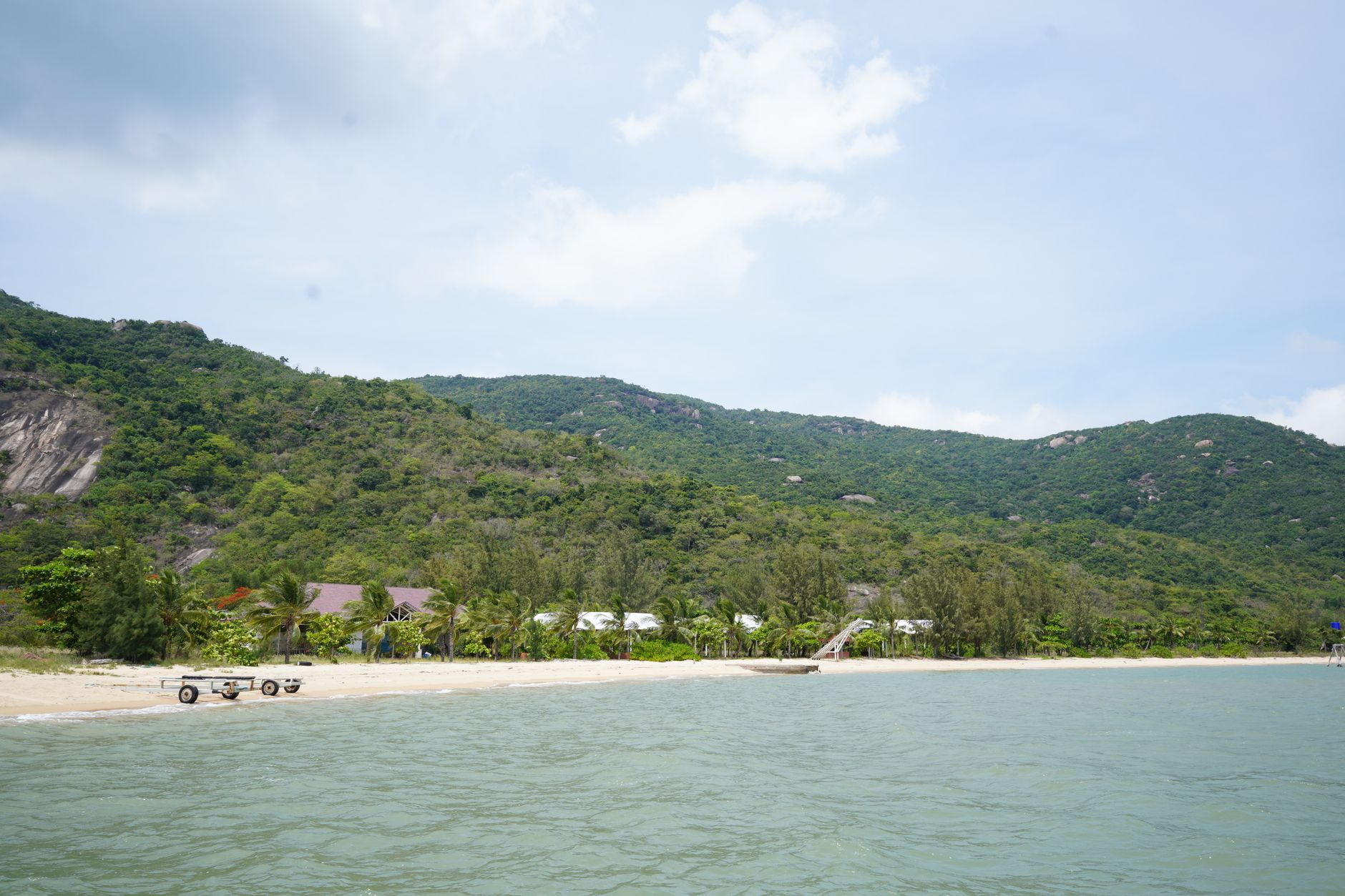
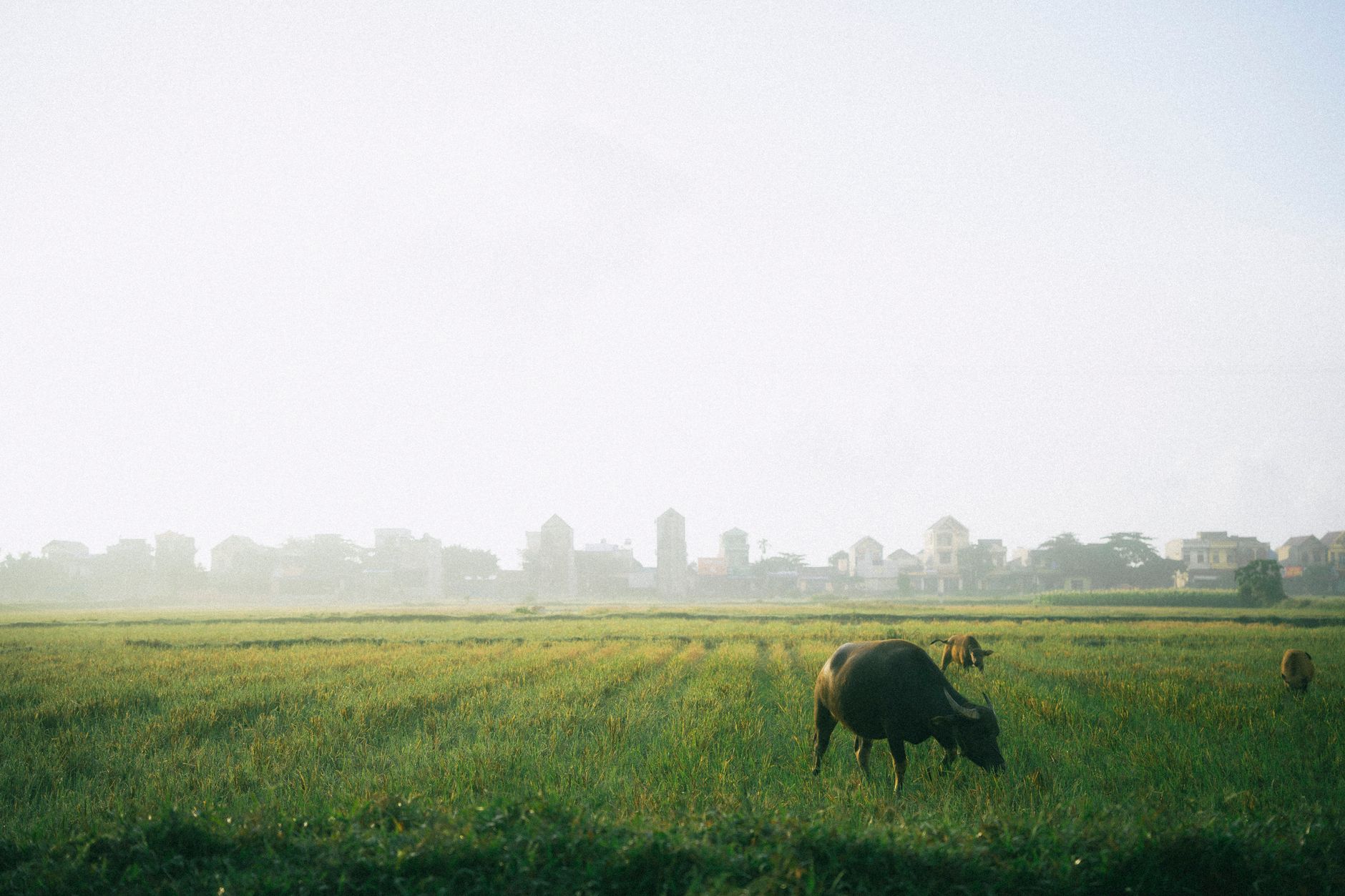
The Mekong Delta (메콩 델타 / 湄公河三角洲 / メコンデルタ) isn't just fruit orchards and floating markets. In the town formerly administered as Tra Vinh — now part of the expanded Vinh Long province — there's a small museum dedicated to Khmer culture that rewards anyone willing to step off the standard delta circuit.
What it is
Bao Tang Van Hoa Khmer (Khmer Culture Museum) sits on Nguyen Thi Minh Khai street in the heart of what was Tra Vinh town. Built in 1992 and renovated several times since, the museum documents the heritage of the Khmer Krom community — ethnic Khmer people who have lived in the southern Mekong Delta for centuries. The collection spans religious artifacts, traditional textiles, agricultural tools, musical instruments, and scale models of Khmer pagodas found across the province.
It's a modest museum by Saigon standards, but that's sort of the point. There's no multimedia overload, no guided audio tour. You walk through rooms arranged by theme — daily life, spiritual practice, festivals, performing arts — and piece together a picture of a culture that most travelers in Vietnam (베트남 / 越南 / ベトナム) never encounter.
Why travelers go
The Mekong Delta has a significant Khmer population, and their influence shows up in the pagodas, food, and village life throughout the area. But unless you know what you're looking at, it's easy to miss. The museum gives context. After an hour here, the ornate Theravada Buddhist temples scattered around the province start making sense. The differences between Khmer and Vietnamese religious architecture become obvious. And when you sit down to a bowl of "bun nuoc leo" — a Khmer-origin fish soup common in the region — you'll understand why it tastes nothing like "pho" or "hu tieu".
It's also one of the few places in Vietnam where Khmer performing arts, including traditional dance and "chapei" long-necked lute music, are documented and occasionally demonstrated during festival periods.
Best time to visit
The museum is open year-round, but two windows stand out. October to November coincides with Ok Om Bok, the Khmer moon festival, when the town comes alive with boat races on the Ba Om Pond and the museum sometimes hosts special exhibitions. January to March is dry season in the delta — cooler mornings, less humidity, and easier travel on the smaller roads.
Avoid the peak of rainy season (August-September) if you plan to combine the museum with pagoda visits outside town. Dirt roads to rural temples flood easily.
The museum is typically open 7:30–11:00 and 13:30–17:00, closed Mondays. Admission is around 15,000 VND — essentially free.

Photo by Nguyen Truong Khang on Pexels
How to get there
From Can Tho, the nearest major hub, it's about 100 km northeast. A bus from Can Tho's main station runs to Tra Vinh town (now within Vinh Long province) in roughly 2.5 hours and costs 80,000–100,000 VND. Buses leave every 30–45 minutes through the day.
From Saigon, direct buses to Tra Vinh depart from Mien Tay bus station. The ride takes around 3–3.5 hours and costs 120,000–150,000 VND.
If you're riding a motorbike — the best way to explore the delta — the route from Can Tho via National Highway 54 is flat, scenic, and lined with coconut palms and rice paddies. Budget 2 hours at a relaxed pace.
Once in town, the museum is a 5-minute xe om ride from the bus station, or a 15-minute walk. It sits near Ba Om Pond, which is worth visiting on the same trip.
What to do
Walk the exhibition halls
The ground floor covers material culture: farming implements, fishing nets, palm-leaf manuscript replicas, and samples of Khmer silk weaving. Upstairs focuses on religion and ceremony, with carved wooden panels from pagodas, Buddha statues in regional Khmer style, and costumes used in traditional dance. Labels are in Vietnamese and sometimes Khmer, with limited English — bring Google Translate's camera mode.
Visit Ba Om Pond
Directly adjacent to the museum, this rectangular pond is surrounded by old-growth trees and is one of the most peaceful spots in the delta. Locals say it was dug by hand centuries ago during a contest between Khmer men and women. It's a nice place to sit after the museum, and the Ang Pagoda on its southern shore is one of the oldest Khmer temples in the province.
Explore nearby Khmer pagodas
Within a 10 km radius, there are over 50 Khmer Theravada temples. Hang Pagoda, about 5 km south of town, is known for its resident population of fruit bats hanging in the trees — thousands of them. Kompong Pagoda is smaller and quieter, with elaborate carved gateways. Rent a bicycle or motorbike and give yourself a half-day.
Catch a festival event
During Chol Chnam Thmay (Khmer New Year, mid-April) and Ok Om Bok (usually October), the museum grounds host folk games, dance performances, and food stalls. These are genuine community celebrations, not staged tourist events.
Browse the market
Tra Vinh's central market, a short walk from the museum, sells Khmer sweets, dried fish, and "banh tet" variations wrapped in banana leaf — similar to "banh chung" but cylindrical and with different fillings.
Where to eat nearby
The town's signature dish is "bun nuoc leo" — rice vermicelli in a murky, deeply savory broth made from fermented fish and lemongrass, topped with roasted pork and fresh herbs. Quan Bun Nuoc Leo Ba Thoi on Tran Phu street is a reliable spot; a bowl runs about 30,000 VND.
For something different, look for "banh xeo" Khmer-style — thinner, crispier, and filled with shrimp and bean sprouts, served with a fish sauce that's sweeter than the standard Saigon version. Street vendors around the market sell them for 15,000–20,000 VND each.
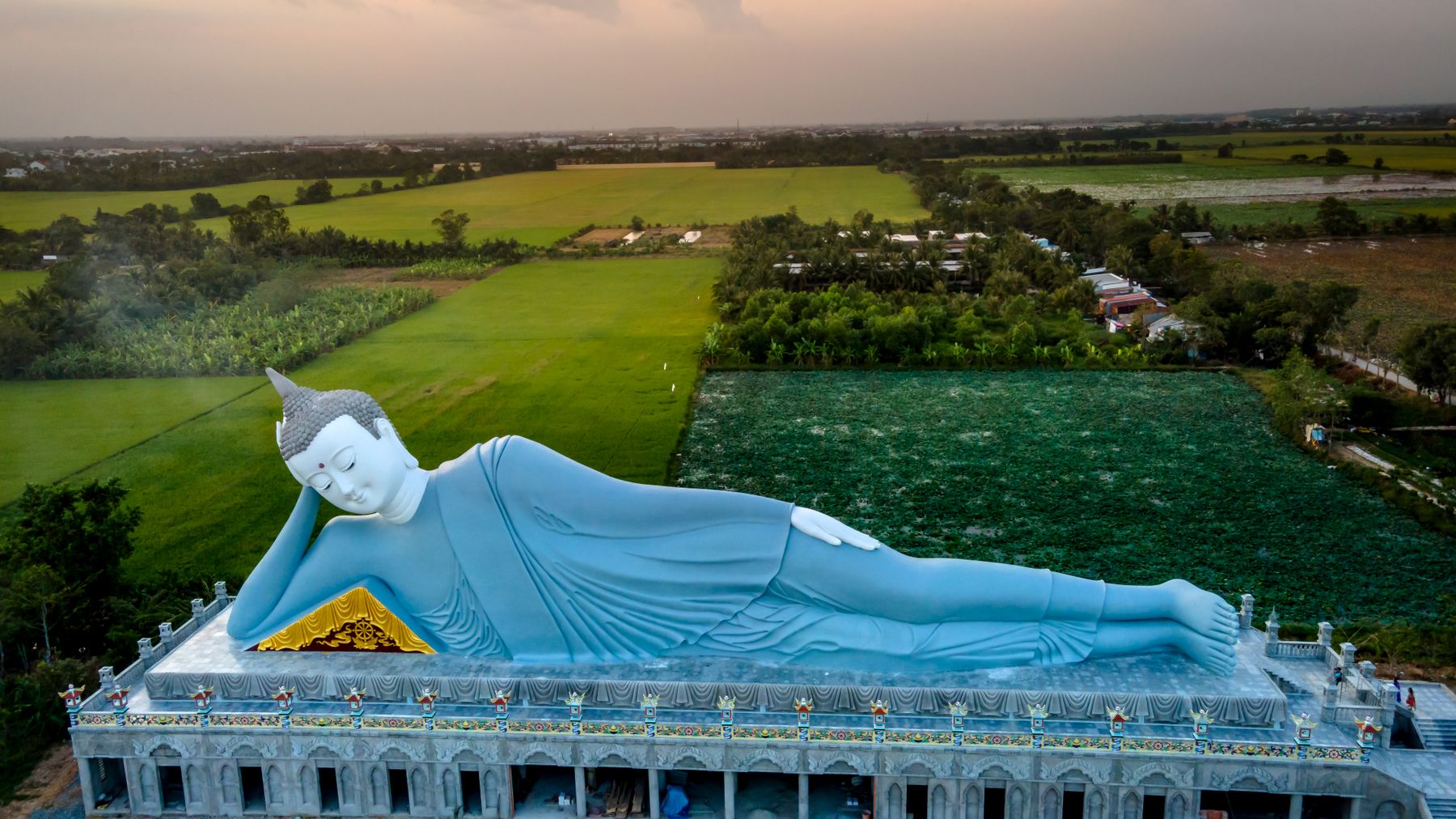
Photo by Quang Nguyen Vinh on Pexels
Where to stay
Tra Vinh town has limited accommodation but enough to cover a night or two:
- Budget: Nha Nghi (guesthouses) around the bus station area, 200,000–350,000 VND/night. Basic but clean.
- Mid-range: Tra Vinh Palace Hotel or Coco City Hotel, 400,000–700,000 VND/night. Air-con, Wi-Fi, decent breakfast.
- Homestays: A few options have appeared on Booking.com in surrounding villages. Expect 300,000–500,000 VND including meals.
Practical tips
- Dress respectfully if combining the museum with pagoda visits — cover shoulders and knees. This applies to men too.
- Bring cash. There are ATMs in town, but the museum and most local eateries are cash-only.
- If you want a local guide who speaks English, ask at Coco City Hotel — they occasionally arrange half-day tours to the pagodas and museum. Expect to pay around 500,000 VND for a guide with motorbike.
- The museum is small. Budget 45 minutes to an hour inside, then spend the rest of the day on pagodas and food.
Mistakes to avoid
- Rushing through on a day trip from Can Tho. The town and surrounding countryside deserve at least one overnight. The evening atmosphere around Ba Om Pond is reason enough to stay.
- Skipping the pagodas. The museum is context; the pagodas are the experience. Without visiting at least two or three temples, you're getting half the story.
- Expecting Angkor-level ruins. This is living, everyday Khmer culture in a Vietnamese province — modest, authentic, and low-key. Adjust expectations and you'll appreciate it far more.
Last updated · May 29, 2026 · independently researched, never sponsored.