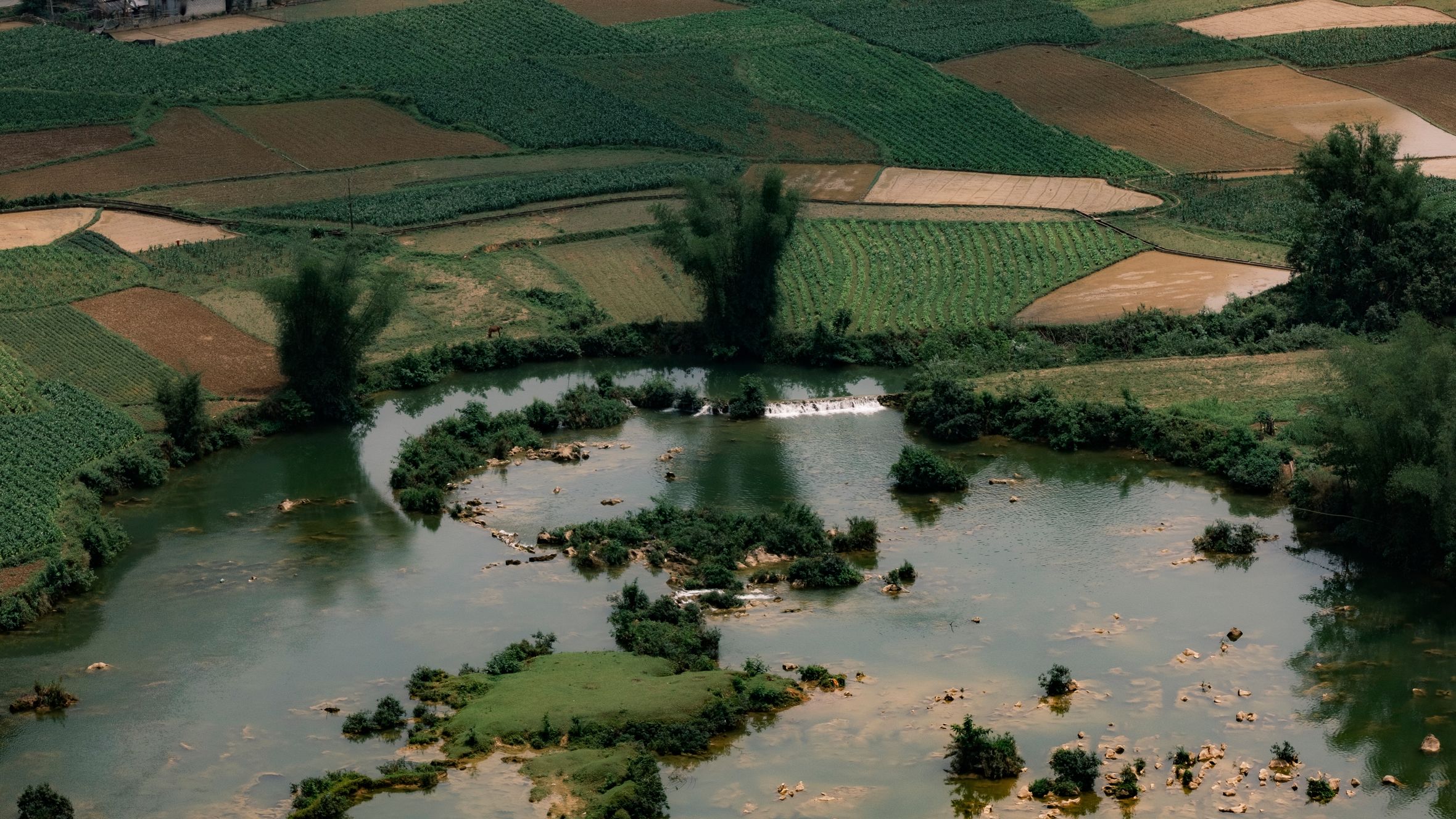
What Dao Be actually is
Ly Son is a pair of volcanic islands about 25 km off the coast of Quang Ngai province in central Vietnam (베트남 / 越南 / ベトナム). Most visitors only see Dao Lon (Big Island), where the ferries dock and the hotels cluster. Dao Be (Small Island) sits another 15 minutes by boat to the northwest — a flat slab of basalt roughly 500 meters across, home to around 100 residents, no cars, no ATMs, and some of the clearest water on Vietnam's central coast.
The island is volcanic in origin, like its bigger neighbor, formed from eruptions that left behind layered basalt cliffs and coral platforms. For centuries it was a fishing settlement. Today it's still primarily that — a working island where tourism is a side gig, not the main act.
Why travelers go
Dao Be is the reason people who've already been to Ly Son come back. The coral reefs here are in genuinely good shape — shallow enough to snorkel without a boat, visible from the shoreline on calm days. The island has no motorbike traffic to speak of, no karaoke bars, and no construction cranes. You walk the perimeter in about 40 minutes.
It's not a resort island. It's the kind of place where you sit on volcanic rock, eat whatever the family running the homestay caught that morning, and watch fishing boats come in at dusk. If that sounds boring to you, skip it. If it sounds like exactly what you need after three weeks of honking traffic and iced coffee, read on.
Best time to visit
The boat to Dao Be only runs reliably from March through September. Outside those months, seas get rough and crossings cancel without notice. Peak clarity for snorkeling is April to July, when the water is calm and visibility can reach 15-20 meters.
Avoid the weeks around Tet if you want services open — most islanders head to the mainland for the holiday. June and July bring domestic tourists to Ly Son, but very few make the extra trip to Dao Be, so it stays quiet even in high season.
How to get there
Da Nang is the nearest major hub with an airport.
Da Nang to Sa Ky port (Quang Ngai)
Take a bus from Da Nang (다낭 / 岘港 / ダナン) to Quang Ngai city (about 2.5 hours, around 120,000 VND). From Quang Ngai bus station, grab a taxi or xe om to Sa Ky port — it's roughly 20 km east, about 30 minutes, and should cost 150,000–200,000 VND by taxi.
Alternatively, if you're coming from Hoi An, it's about 3 hours by bus south to Quang Ngai, then the same taxi ride to the port.
Sa Ky to Ly Son (Dao Lon)
High-speed ferries run multiple times daily, take about 30 minutes, and cost around 170,000 VND one way. Buy tickets at the port — arrive early in summer, as boats fill up.
Dao Lon to Dao Be
From Ly Son's main harbor, small wooden boats depart for Dao Be in the morning (usually 7:00–8:00 AM). The ride is 15–20 minutes and costs roughly 40,000–60,000 VND per person. Boats return in the afternoon. Schedules depend on weather and passenger numbers — confirm the return time when you arrive, or you'll be sleeping on the island whether you planned to or not.

Photo by Quang Nguyen Vinh on Pexels
What to do
Walk the island perimeter
Dao Be is small enough to circle on foot in under an hour. The trail follows the coastline past layered basalt formations, tidal pools, and sections of coral reef exposed at low tide. Bring shoes with grip — volcanic rock is sharp and uneven.
Snorkel the coral gardens
The east side of the island has shallow reef accessible directly from shore. No boat tour needed. Bring your own mask and snorkel if possible — rental gear on Dao Be is limited and often in rough shape. The coral is colorful and varied, with reef fish everywhere. Don't touch or stand on it.
Visit the freshwater well
Dao Be has a single freshwater well that's sustained the community for generations. It's not exactly a tourist attraction, but it tells you something about how life works on a rock in the sea with no plumbing infrastructure. Locals are proud of it — ask and someone will point you there.
Sit at Chua Hang (Sea Cave Pagoda) on Dao Lon
This one's on the big island, but worth mentioning since you'll transit through. A small Buddhist shrine set inside a natural cave at the base of a cliff, with the sea right below. It's atmospheric in a way that doesn't need adjectives.
Watch the garlic harvest (seasonal)
Ly Son is famous across Vietnam for its garlic. On Dao Be, small plots of garlic grow in sandy volcanic soil right next to people's homes. If you visit between January and March, you might catch the harvest — rows of white bulbs drying in the sun on every flat surface.
Where to eat
Don't expect restaurants. Dao Be has a handful of family-run spots that serve whatever's fresh — grilled fish, seafood soup, rice. Meals cost 80,000–150,000 VND per person.
On Dao Lon, try "goi rong bien" — a seaweed salad made from a species that grows in the waters around Ly Son. It's dressed with fish sauce, peanuts, and sometimes shrimp. The texture is slippery and briny, and you won't find it done the same way anywhere else in Vietnam. Also look for garlic shrimp — the local garlic is intense and sweet, and the shrimp are pulled from the water the same day.
Where to stay
Dao Be has a few basic homestays — concrete rooms, fans, shared bathrooms. Expect to pay 200,000–350,000 VND per night. Booking ahead isn't always possible; you may need to arrange it through a contact on Dao Lon or just show up and ask.
Most travelers base themselves on Dao Lon, where guesthouses and small hotels range from 250,000 to 800,000 VND per night, and day-trip to Dao Be. That's the easier logistics play.
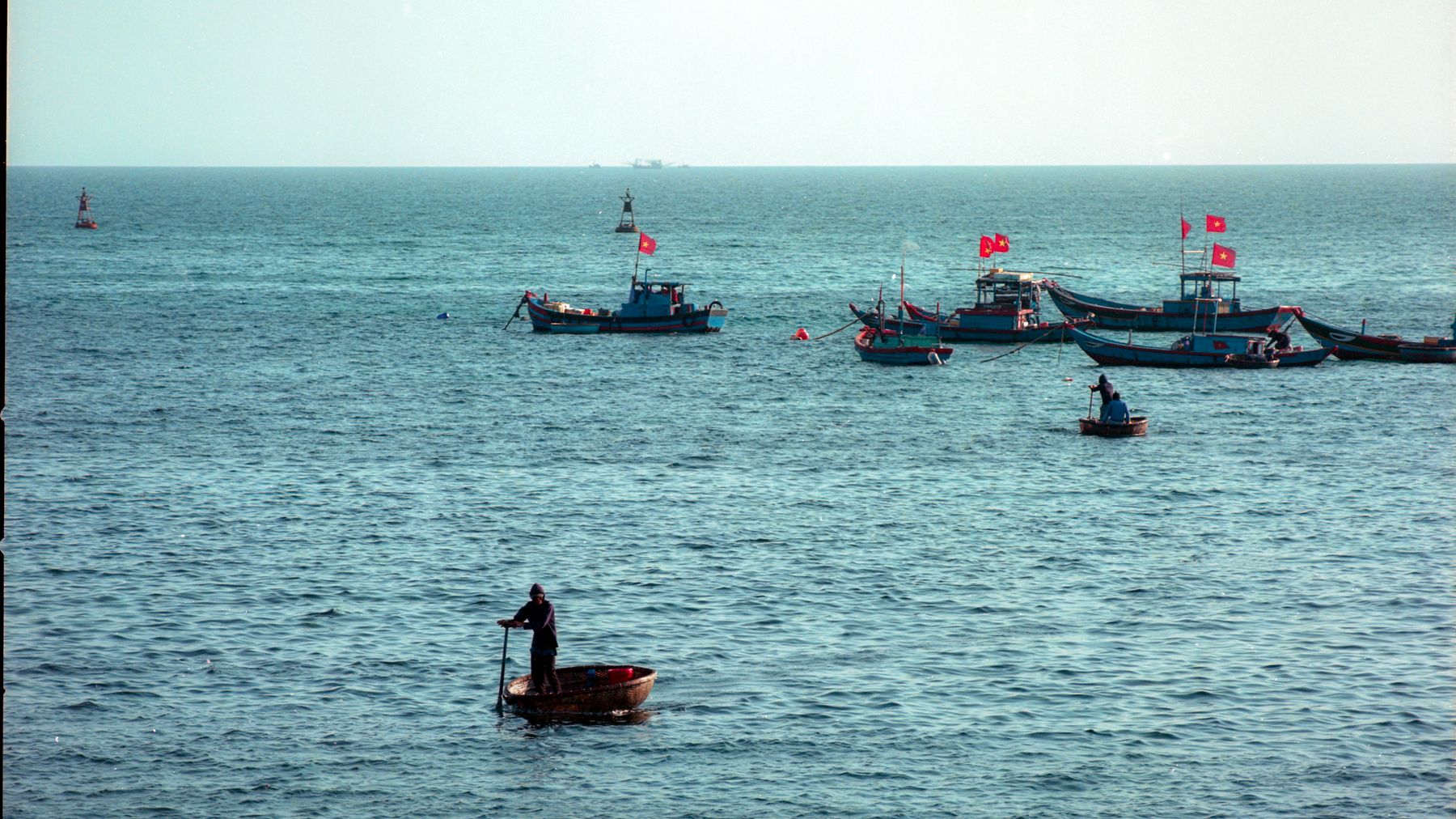
Photo by Q. Hưng Phạm on Pexels
Practical tips locals would tell you
- Bring cash. There are no ATMs on Dao Be and none that reliably work on Dao Lon. Withdraw in Quang Ngai city before heading to Sa Ky.
- Bring sun protection. There is almost no shade on Dao Be. A hat, reef-safe sunscreen, and a long-sleeve shirt are non-negotiable.
- Bring water and snacks. Supply on Dao Be is limited. Buy what you need on Dao Lon before crossing.
- Confirm your return boat. The afternoon boat back to Dao Lon is your only way off unless you charter a private vessel.
- Learn a few words of Vietnamese. English is essentially nonexistent on Dao Be. Even basic phrases — "cam on" (thank you), "bao nhieu" (how much) — go a long way.
Common mistakes to avoid
- Assuming you can do Dao Be as a quick stop. The boat schedule means you're committing at least half a day, possibly overnight. Plan accordingly.
- Skipping Dao Be entirely. Most Ly Son visitors never cross over. That's a missed opportunity if you're the type who prefers quiet over convenient.
- Standing on coral. It kills it. The reefs here are healthy partly because visitor numbers stay low. Keep it that way.
- Arriving at Sa Ky port without a ticket plan. In summer, ferries to Ly Son sell out. Get to the port early or book through your guesthouse the day before.
Practical notes
Dao Be rewards travelers who are comfortable with minimal infrastructure and flexible timelines. It's not a polished destination — it's a fishing island that happens to have extraordinary water. Budget two full days for Ly Son if you want to include Dao Be without rushing, and keep your expectations honest: this is raw, quiet, and a little inconvenient. That's the whole point.
Last updated · May 26, 2026 · independently researched, never sponsored.





