What it is
Den Bao Loc is a large temple complex dedicated to Tran Hung Dao — the 13th-century military commander who repelled three Mongol invasions — and several other figures of the Tran Dynasty. The site sits in what was formerly Nam Dinh province but now falls under the expanded Ninh Binh (닌빈 / 宁平 / ニンビン) administrative area following the 2025 provincial merger. Don't let the bureaucratic reshuffling confuse you: the temple itself hasn't moved. It's still in the same river-flat landscape near the village of Bao Loc, about 30 km southeast of Ninh Binh city center.
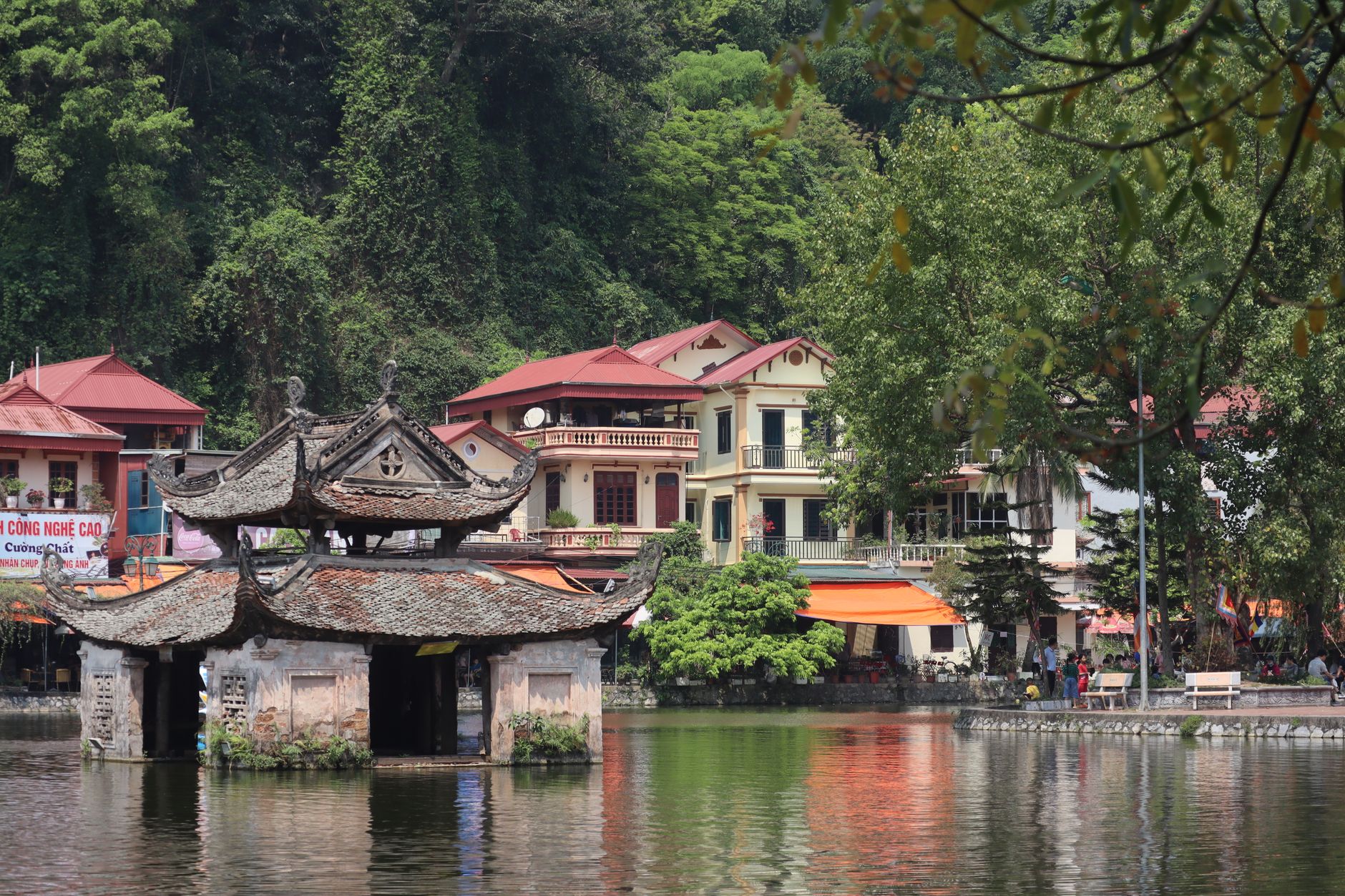
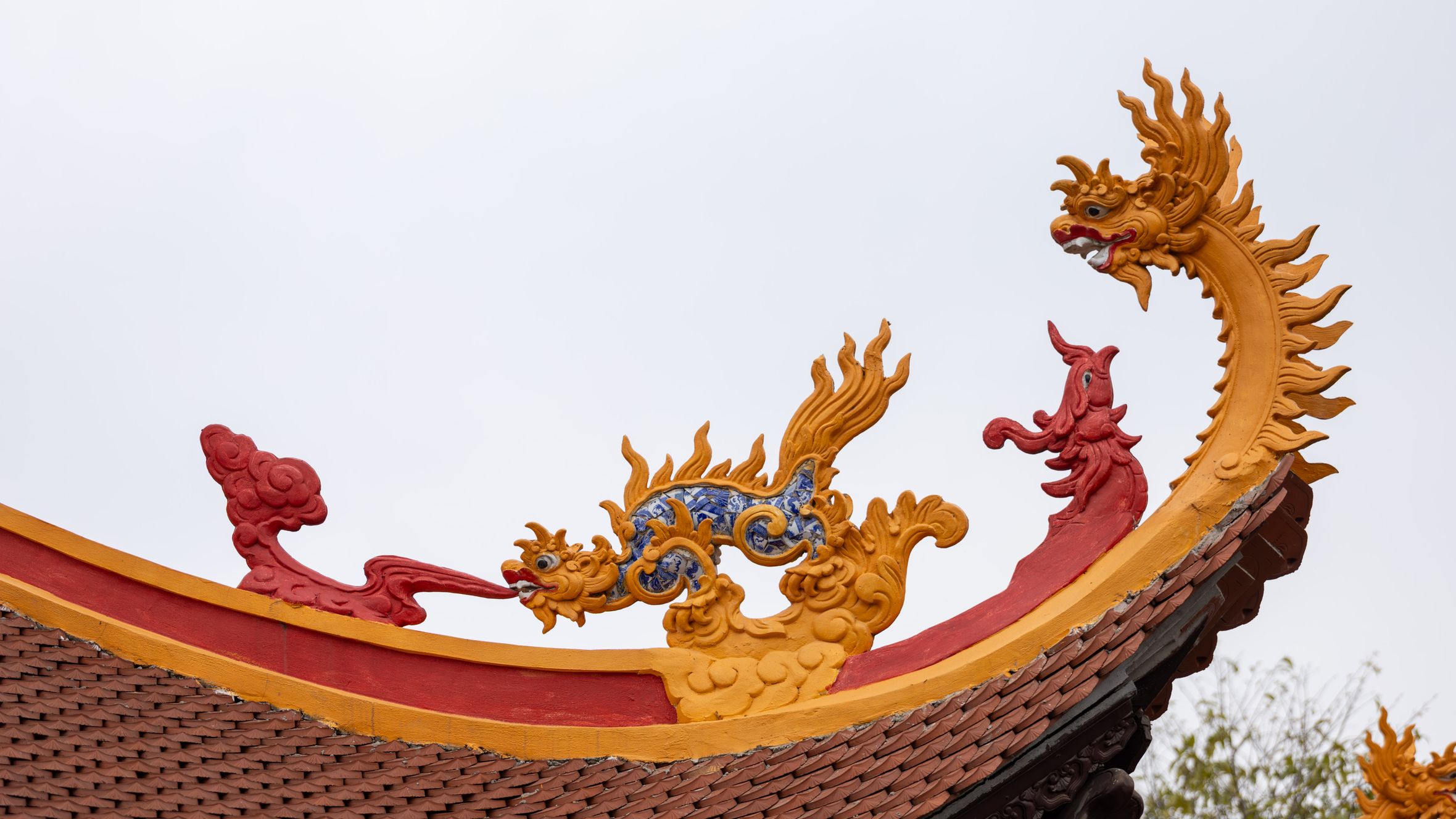
The complex dates back centuries but was significantly restored and expanded in recent decades. The main hall, rear palace, and surrounding courtyards sprawl across several hectares with carved wooden beams, dragon-motif stonework, and incense-heavy altars. It's one of the most important Tran Dynasty memorial sites in northern Vietnam (베트남 / 越南 / ベトナム), alongside the Tran Temple complex that used to anchor Nam Dinh's cultural tourism.
Why travelers go
Most foreign visitors to Ninh Binh head straight to Tam Coc or Trang An and skip the temple circuit entirely. That's their loss. Den Bao Loc offers something different from the karst-and-boat routine: a window into how Vietnamese people actually practice ancestor veneration and historical memory.
The architecture is genuinely impressive — not in a showy, tourist-polished way, but in the dense, layered style of northern Vietnamese temples where every roof tile and column carving references something specific. If you've been to the Temple of Literature in Hanoi and want to see a less crowded equivalent focused on military rather than scholarly heritage, this fits.
It's also a working spiritual site. Locals come here to pray, burn offerings, and mark lunar calendar dates. You'll see real devotion happening, not a museum exhibit.
Best time to visit
The temple is open year-round, but timing matters.
January–March ([lunar new year](/posts/tet / 越南春节 / テト)-lunar-new-year-guide) period): The busiest season. The annual Tran Temple Festival falls in the first lunar month (usually February or early March), and Den Bao Loc sees heavy foot traffic — incense smoke so thick you can taste it, long queues at the main altar. If you want atmosphere and don't mind crowds, come during the festival. If you want photos without fifty people in frame, avoid it.
September–November: Dry, cooler weather. Comfortable for walking the grounds. Few domestic tourists outside weekends. This is when I'd go.
Summer (June–August): Hot and humid. The Delta heat at 35-38°C with high humidity makes outdoor temple-wandering less pleasant, though mornings before 9 AM are manageable.
How to get there
From Ninh Binh city center, Den Bao Loc is roughly 30 km by road — about 40 minutes by motorbike or car.
- Motorbike rental: 120,000–150,000 VND/day from guesthouses near Ninh Binh train station. The road is flat and straightforward, mostly provincial highways through rice paddies.
- Grab car: Around 200,000–280,000 VND one way from Ninh Binh city. Return trips can be tricky — have the driver wait or arrange a pickup time, since Grab availability drops in rural areas.
- Xe om (motorbike taxi): Negotiate 150,000–200,000 VND round trip with waiting time from Ninh Binh.
From Hanoi, it's about 120 km south. Take the expressway toward Ninh Binh (1.5–2 hours by car), then continue east toward the former Nam Dinh border area. A day trip combining Den Bao Loc with Hoa Lu or Tam Coc is doable if you start early.

Photo by Lộc Nguyễn on Pexels
What to do
Walk the full complex, front to back
Don't just photograph the main gate and leave. The rear halls are where the most detailed woodwork lives — carved panels depicting Tran Dynasty battles, lacquered altars layered with offerings. Budget 60–90 minutes for the full loop.
Visit the Tran Hung Dao statue and memorial area
The large outdoor statue of Tran Hung Dao anchors the front courtyard. It's a good orientation point. The surrounding gardens are well-maintained and offer shade on hot days.
Observe (or join) incense offerings
You can buy incense bundles at small stalls near the entrance for 10,000–20,000 VND. Lighting incense and placing it at the altar is welcome regardless of your beliefs — just watch what others do first and follow the same motions. Remove your hat, bow slightly, use both hands.
Check the side halls
Smaller shrines flanking the main temple honor other Tran Dynasty figures and local guardian spirits. These are often empty of other visitors and have interesting ceramic and stone details.
Combine with nearby Hoa Lu
The ancient capital at Hoa Lu is only about 20 km away. Pairing both sites in a morning gives you Dinh Dynasty + Tran Dynasty history in one loop, then you can boat at Tam Coc in the afternoon.
Where to eat nearby
The immediate area around Den Bao Loc is rural — expect local rice shops ("com binh dan") rather than restaurants. A few options:
- Com binh dan stalls along the provincial road serve rice with 3-4 toppings for 30,000–50,000 VND. Look for the ones with the most motorbikes parked outside.
- "Bun oc" (snail noodle soup) — the Red River Delta does this well. Tangy tomato broth, rice noodles, periwinkle snails. Ask locals for the nearest stand; there's usually one within a few kilometers.
- If you're heading back toward Ninh Binh city, save your appetite for "com chay" (burned rice) or goat meat — both Ninh Binh specialties available at restaurants near Tam Coc and along Trang An road.
Where to stay
Den Bao Loc itself doesn't have tourist accommodation. Stay in Ninh Binh city or the Tam Coc/Trang An area:
- Budget: Hostels and guesthouses near Ninh Binh train station, 150,000–300,000 VND/night.
- Mid-range: Tam Coc homestays with rice-paddy views, 400,000–800,000 VND/night. Many include bicycle rental.
- Upper mid-range: Boutique hotels along the Trang An corridor, 1,000,000–2,000,000 VND/night.

Photo by Hồng Quang Official on Pexels
Practical tips locals would tell you
- Dress modestly. Shoulders and knees covered. This is a working temple, not a tourist attraction with a gift shop. Shorts and tank tops will draw disapproving looks.
- Go early. The complex opens around 7 AM. Morning light is better for photos, and you'll have the courtyards mostly to yourself before tour groups arrive (if any — this isn't Bai Dinh-level crowded).
- Bring cash. No ATMs nearby. You'll want small bills for incense, parking (5,000–10,000 VND for motorbikes), and food stalls.
- Shoes off when entering altar halls. Wear slip-on footwear you can remove easily.
Common mistakes to avoid
- Confusing it with other Tran temples. There are multiple Tran Dynasty sites across the former Nam Dinh area. Make sure your driver knows specifically "Den Bao Loc" — show the Vietnamese text if needed: Đền Bảo Lộc.
- Only spending 15 minutes. The complex rewards slow exploration. Rushing through the front gate for a selfie misses the point.
- Visiting during peak festival without expecting crowds. The Tran Temple Festival draws thousands of Vietnamese pilgrims. If you come during the first lunar month, accept the chaos as part of the experience rather than fighting it.
- Assuming English signage exists. It mostly doesn't. Download Vietnamese offline on Google Translate before you go, or bring a Vietnamese-speaking friend.
Practical notes
Den Bao Loc pairs naturally with a broader Ninh Binh itinerary — add it to a day that includes Hoa Lu for historical depth beyond the usual boat-and-karst circuit. The site is free to enter (small parking fee only). Allow half a day if combining with nearby stops, or 1.5 hours for the temple alone.
Last updated · May 29, 2026 · independently researched, never sponsored.