What is Den Cao An Lac?
Den Cao An Lac is a temple complex in the Kinh Mon area of Hai Phong province, set against the low limestone hills that characterize this stretch of northern Vietnam (베트남 / 越南 / ベトナム) between the Red River Delta and Ha Long Bay. The temple honors Tran Hung Dao's general An Sinh Vuong and other figures from the Tran dynasty — the same era that produced the famous victories against Mongol invasions in the 13th century.
The site sits on An Phu hill, a modest karst outcrop surrounded by rice paddies and village houses. It's not large. You can walk the entire complex in about 45 minutes. But the combination of incense-filled shrine halls, old banyan trees, and panoramic views from the hilltop makes it one of the more atmospheric temple visits in the greater Hai Phong area.
For context: this part of Hai Phong was formerly part of Hai Duong province before the administrative merger. Locals still sometimes refer to it by the old provincial name, so don't be confused if your xe om driver mentions Hai Duong when you're heading here.
Why travelers go
Den Cao An Lac draws a mix of Vietnamese pilgrims and the occasional foreign traveler who's exploring beyond the standard Hanoi–Ha Long Bay (하롱베이 / 下龙湾 / ハロン湾) circuit. The reasons are straightforward:
- Historical weight. The Tran dynasty is deeply important to Vietnamese identity, and temples connected to that period carry real cultural significance. This isn't a reconstructed tourist attraction — it's a working place of worship where locals come for [lunar new year](/posts/tet / 越南春节 / テト)-lunar-new-year-guide) prayers, exam-season blessings, and ancestor veneration.
- The setting. An Phu hill gives you a vantage point over the surrounding flatlands. On clear mornings, you can see karst formations stretching toward Ninh Binh to the southwest and the industrial outskirts of Hai Phong city to the east.
- Quieter alternative. If you've done the big-name heritage sites — Temple of Literature in Hanoi, the Imperial Citadel Thang Long — and want something less curated, this fits.
Best time to visit
The temple is open year-round, but timing matters.
February through April is ideal. The weather in northern Vietnam is cool and occasionally misty, which gives the hilltop temple a particular mood. This period also overlaps with the post-Tet festival season, when the temple sees more activity — incense offerings, local ceremonies, and a general buzz that makes the place feel alive rather than empty.
Avoid July and August if you can. The heat is oppressive (35°C+, high humidity), and the hilltop offers zero shade on the stone steps. September brings typhoon-season rain that can make the paths slippery.
Weekdays are always quieter. If you visit on the 1st or 15th of a lunar month, expect more local worshippers — which is either a feature or a bug depending on what you're after.
How to get there
Den Cao An Lac is roughly 30 km northwest of central Hai Phong and about 90 km east of Hanoi.
From Hai Phong
The most practical option is to hire a Grab car from central Hai Phong. The ride takes around 40–50 minutes depending on traffic and costs approximately 200,000–280,000 VND one way. There's no convenient direct bus to the temple itself, though local buses run to Kinh Mon town center, from which you'd need a xe om (motorbike taxi) for the last 5 km.
From Hanoi
Take the Hanoi–Hai Phong expressway. By car or motorbike, it's about 1.5–2 hours depending on your exit point. Expressway tolls run around 100,000 VND for a car. If you're combining this with a trip to Hai Phong city for seafood (which you should), it makes sense as a morning stop before heading into town for lunch.
Bus travelers can catch a coach from Gia Lam or Luong Yen station to Kinh Mon — tickets are 80,000–120,000 VND — and arrange local transport from there.

Photo by Hugo Heimendinger on Pexels
What to do
1. Climb to the upper shrine
The main temple hall sits partway up An Phu hill, but the upper shrine at the summit is worth the extra 10 minutes of stone steps. The view opens up across the delta, and there's usually a small altar where you can light incense. Bring water — there's no vendor at the top.
2. Explore the lower temple halls
The complex includes several interconnected halls dedicated to different historical and spiritual figures. Look for the carved wooden panels depicting Tran dynasty military campaigns. The craftsmanship is detailed, especially on the altar screens in the main hall. Photography is generally fine in the courtyards but ask before shooting inside shrine rooms.
3. Walk the karst trail
Behind the temple, a rough path loops around the base of the limestone hill through scrubby forest. It's maybe 20 minutes and gives you a sense of the local geology — the same karst landscape that makes Ha Long Bay and Ninh Binh famous, just on a smaller, landlocked scale.
4. Visit the nearby village market
If you time it right (mornings, especially on days ending in 4 or 9 on the lunar calendar), the local market in Kinh Mon sells produce, dried goods, and street food worth browsing. It's not a tourist market — expect curious looks and zero English.
5. Catch a local ceremony
During festival season (especially around the 3rd lunar month), the temple hosts processions and traditional music performances. "Ca tru" and folk singing occasionally feature at larger celebrations. Check locally — there's no published schedule online.
Where to eat nearby
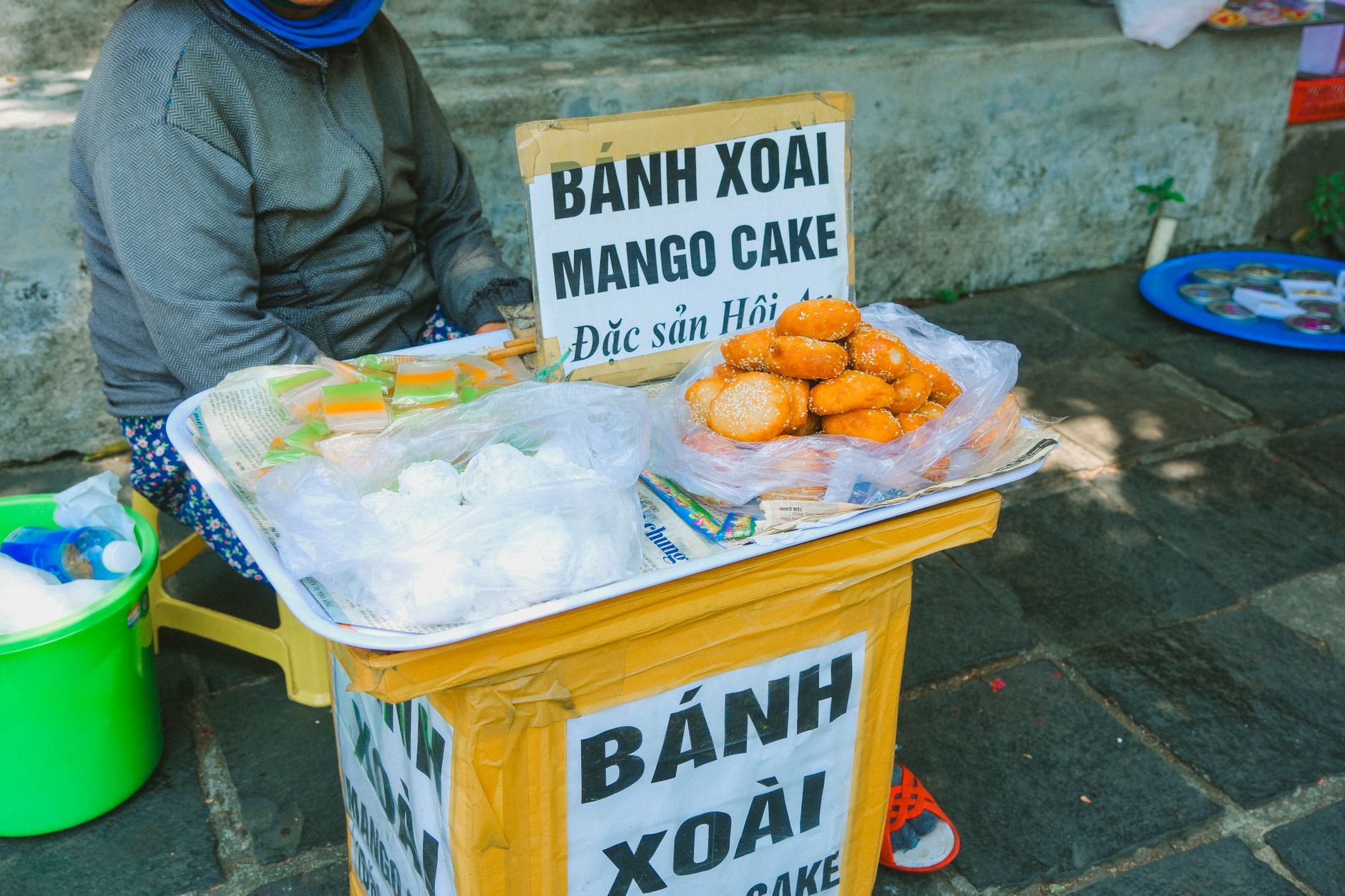
Kinh Mon town has basic "com binh dan" (everyday rice) shops. For something more specific, look for "banh cuon" — the steamed rice rolls here are made fresh with pork and wood ear mushroom filling, served with a fish sauce dip and herbs. Expect to pay 25,000–40,000 VND per portion.
If you're heading into Hai Phong afterward, that's where the real eating happens. Hai Phong is famous for its "banh mi" — a crispier, smaller version with a pate-heavy filling that's distinct from Saigon or Hanoi styles. The city's seafood, especially crab noodle soup ("bun rieu" with local crab), is excellent.
Where to stay
There's no accommodation at the temple itself. Your options:
- Kinh Mon town: A handful of nha nghi (guesthouses) in the 200,000–350,000 VND/night range. Basic but clean enough for one night.
- Hai Phong city: Much better selection. Budget hotels near the city center run 400,000–600,000 VND. Mid-range spots around 800,000–1,200,000 VND. Hai Phong isn't a major tourist city, so you won't find backpacker hostels easily — book a hotel.
Most travelers treat Den Cao An Lac as a day trip from either Hai Phong or Hanoi.

Photo by Valeria Drozdova on Pexels
Practical tips locals would tell you
- Dress modestly. This is an active religious site. Cover your shoulders and knees. Shoes off before entering any shrine hall.
- Bring cash. There are no ATMs at the temple. Small bills (10,000–50,000 VND) are useful for incense purchases and donation boxes.
- Incense is sold at the gate. A bundle costs 10,000–20,000 VND. Lighting incense and placing it at the altar is customary even for non-Buddhist visitors — it's a gesture of respect, not a religious requirement.
- Mornings are better. The light is softer, the temple is less hot, and you're more likely to overlap with local worshippers going about their routines.
Mistakes to avoid
- Don't combine this with Ha Long Bay in one day. They're technically in the same direction from Hanoi, but the logistics don't work well. Ha Long Bay needs a full day minimum. Pair Den Cao An Lac with Hai Phong city instead.
- Don't expect English signage. There's almost none. Download Vietnamese phrases or use Google Translate's camera mode for any information boards.
- Don't skip the hilltop. Some visitors only see the lower halls and leave. The climb is short and the upper shrine is the most peaceful part of the complex.
Practical notes
Den Cao An Lac works best as part of a broader northern Vietnam loop — say, Hanoi to Hai Phong to Ha Long Bay — rather than as a standalone destination. Budget half a day for the temple and surroundings. If you're interested in Tran dynasty history, pair it with a visit to the temples at Hoa Lu in Ninh Binh for a fuller picture of that era.
Last updated · May 29, 2026 · independently researched, never sponsored.