Den Do sits in Dinh Bang village, about 20 km northeast of Hanoi, and it's one of the most historically significant temple complexes in northern Vietnam (베트남 / 越南 / ベトナム). This is where eight kings of the Ly Dynasty — the ruling family that moved the capital to Thang Long (modern Hanoi) in 1010 — are venerated. If you've visited the Imperial Citadel Thang Long in Hanoi, Den Do is the other half of that story.
What it is and why it matters
Den Do, also called "Den Ly Bat De" (Temple of Eight Ly Kings), was originally built during the Ly Dynasty (1009–1225) on the land where King Ly Cong Uan was born. The complex honors the dynasty that established Thang Long as Vietnam's capital, introduced the country's first university (the [Temple of Literature](/posts/temple-of-literature-hanoi (하노이 / 河内 / ハノイ)-guide) in Hanoi came later, in 1070, under Ly Thanh Tong), and shaped Vietnamese Buddhism into a state institution.
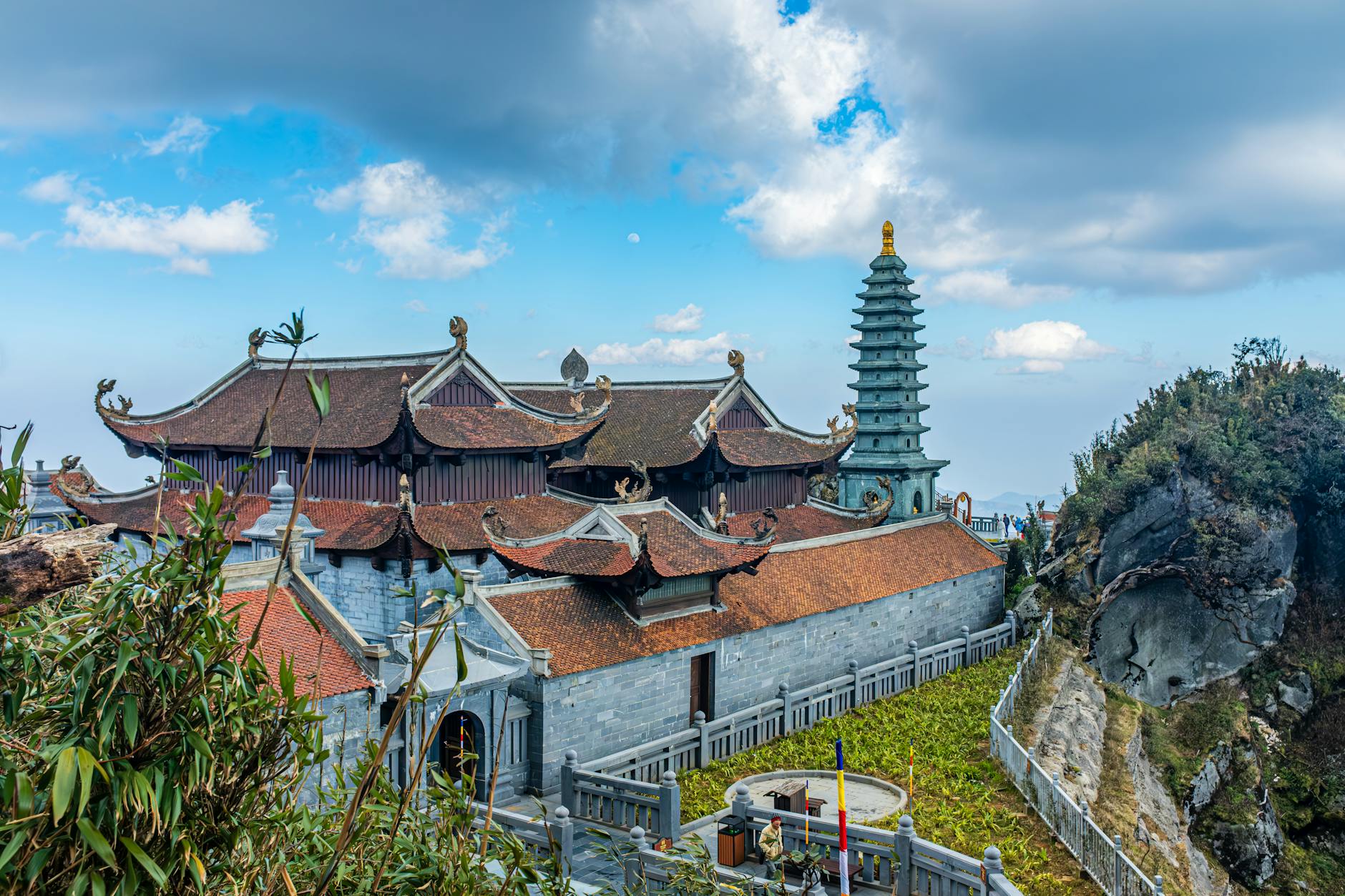
The temple was rebuilt and expanded over the centuries. What you see today largely reflects 17th- and 18th-century architecture, with some 20th-century restorations. The complex covers roughly 3 hectares, with layered courtyards, ornamental gates, dragon-carved stone steps, and a lotus pond that actually looks good in person rather than just in photos.
Why travelers go
Den Do isn't a major tourist circuit stop, which is exactly the appeal. You'll find Vietnamese families burning incense, students praying before exams, and the occasional history nerd from Hanoi. Foreign visitors are rare enough that you might get the inner sanctum to yourself on a weekday morning.
The architecture rewards slow looking. The main worship hall has heavy ironwood columns, centuries-old lacquerwork, and parallel sentences carved in classical Chinese script. The stone dragons flanking the staircases are some of the best-preserved examples of Ly-era decorative style in the north.
Best time to visit
The Den Do Festival runs from the 14th to 16th of the third lunar month (usually March or April). This is when the place comes fully alive — processions, "quan ho" folk singing, traditional games, and thick clouds of incense. It's crowded, but that's the point. If you're interested in Quan Ho, the UNESCO-recognized singing tradition native to Bac Ninh, the festival is one of the best places to hear it performed in context rather than on a stage.
Outside festival time, visit between October and March when the weather is cooler and drier. Summer months (June–August) bring heavy rain and serious humidity that makes the open courtyards less pleasant.
Weekday mornings year-round are the quietest. You'll share the grounds with maybe a dozen people.
How to get there from Hanoi
By motorbike or car: Take National Highway 1A north toward Bac Ninh city, then turn off toward Dinh Bang commune in Tu Son district. The ride is about 20 km from central Hanoi — roughly 40 minutes without traffic, closer to an hour during rush hour. Grab or taxi from the Old Quarter runs 200,000–300,000 VND one way.
By bus: Catch bus 54 from Long Bien bus station toward Bac Ninh. Get off at the Tu Son stop and take a xe om (motorbike taxi) the remaining 2 km to the temple for about 20,000–30,000 VND. Total travel time: around 1–1.5 hours.
By train: There's no practical rail option. Stick with road transport.
Entry to the temple complex is free.

Photo by Thịnh La on Pexels
What to do — 5 specific things
Walk the five-gate sequence
Den Do follows a classic northern Vietnamese temple layout with five successive gates leading deeper into the complex. Don't rush through them. Each gate marks a symbolic transition, and the carvings get more elaborate as you move inward. The innermost "Hau Cung" (rear palace) houses the actual altars for the eight Ly kings and their queens.
Study the stone steles
Several stone steles in the courtyard record historical events and royal edicts. Most are in classical Chinese with no English translation, but their physical craftsmanship — carved tortoises, cloud motifs, lotus borders — is worth examining regardless.
Listen for Quan Ho
Even outside festival season, you may encounter small groups practicing Quan Ho in the temple grounds, particularly on weekends. This call-and-response singing style is specific to Bac Ninh province and sounds nothing like what you hear elsewhere in Vietnam. If you see performers in traditional dress near the lotus pond, stop and listen.
Circle the lotus pond
The pond in front of the main hall is ringed by frangipani trees and stone benches. In summer (June–August), the lotus blooms are genuinely impressive. In cooler months, it's simply a quiet place to sit.
Visit the Ly Dynasty museum wing
A small exhibition hall on the grounds displays replica artifacts, maps of the old Thang Long citadel, and photographs of archaeological finds. It's modest but useful for context if you're planning to visit the Imperial Citadel Thang Long back in Hanoi.
Where to eat nearby
Dinh Bang and Tu Son aren't food destinations, but two local things are worth seeking out.
"Banh cuon" Dinh Bang — Bac Ninh province makes some of the best steamed rice rolls in the north. The local version is thinner than what you typically find in Hanoi, filled with minced pork and wood ear mushroom, served with fried shallots and "cha" (pork paste). Several small shops along the road from Tu Son to the temple sell it for 25,000–40,000 VND a plate.
"Nem chua" Bac Ninh — Fermented pork wrapped in banana leaves and cured for a few days. You'll see vendors selling bundles of it near the temple entrance. Buy a few to snack on or bring back to Hanoi. About 5,000–10,000 VND per piece.
Where to stay
Most visitors treat Den Do as a half-day trip from Hanoi, and that's the right call. But if you want to combine it with other Bac Ninh sites (Phat Tich Pagoda, But Thap Pagoda), a night in Bac Ninh city makes sense.
- Budget: Guesthouses ("nha nghi") along the main road in Tu Son or Bac Ninh city run 200,000–400,000 VND per night. Basic but clean.
- Mid-range: A few business hotels in Bac Ninh city center charge 500,000–900,000 VND. Look around Ly Thai To street — the name's appropriate.
- There's no luxury option nearby. If you want that, stay in Hanoi.

Photo by Quang Nguyen Vinh on Pexels
Practical tips locals would tell you
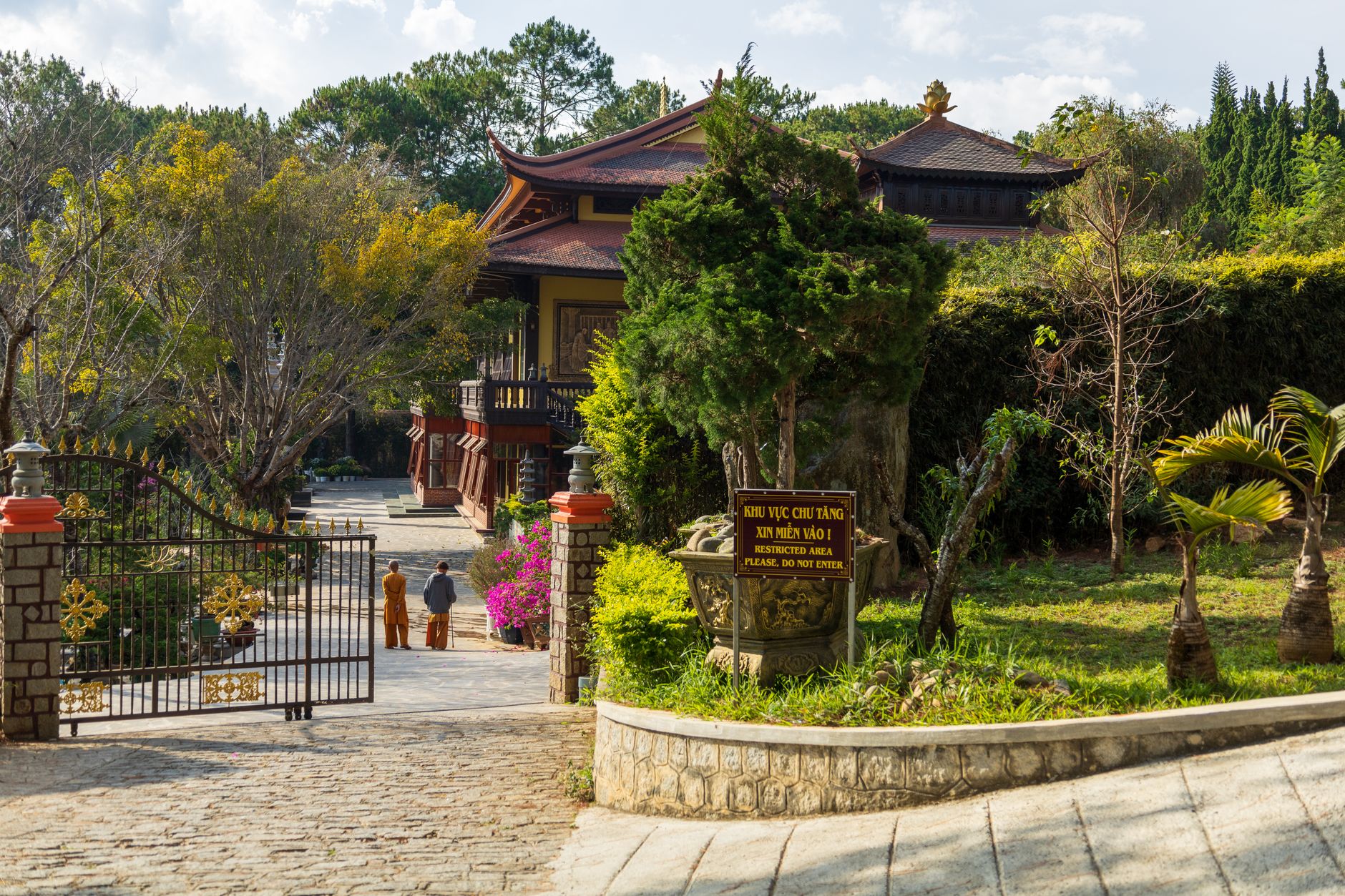
- Dress modestly. This is an active worship site, not a ruin. Cover your shoulders and knees. You'll see Vietnamese visitors doing the same.
- Remove shoes before entering the inner worship halls. There are usually signs, but not always in English.
- Bring small bills if you want to leave offerings. 10,000–20,000 VND notes are standard. Don't burn fake money outside the designated areas.
- Parking is free for motorbikes. A small lot near the main entrance handles cars. On festival days, expect to park further out and walk.
Common mistakes to avoid
- Rushing it. The complex looks small on a map, but walking it properly takes 60–90 minutes. Budget at least that.
- Coming during lunch hours (11:30–13:30). The inner halls may be closed, and the caretakers take breaks. Morning visits are better in every way.
- Skipping the back section. Most visitors photograph the front gate and main hall, then leave. The rear palace and the garden behind it are the most atmospheric parts of the complex.
- Expecting English signage. There's almost none. Read up before you go, or bring a Vietnamese-speaking friend.
Practical notes
Den Do pairs well with a day trip from Hanoi that also includes Bat Trang pottery village on the way back — the two are roughly on the same route. Allow a full morning for Den Do, grab "banh cuon" for lunch, and head to Bat Trang in the afternoon. You'll be back in Hanoi by dinner.
Last updated · May 29, 2026 · independently researched, never sponsored.