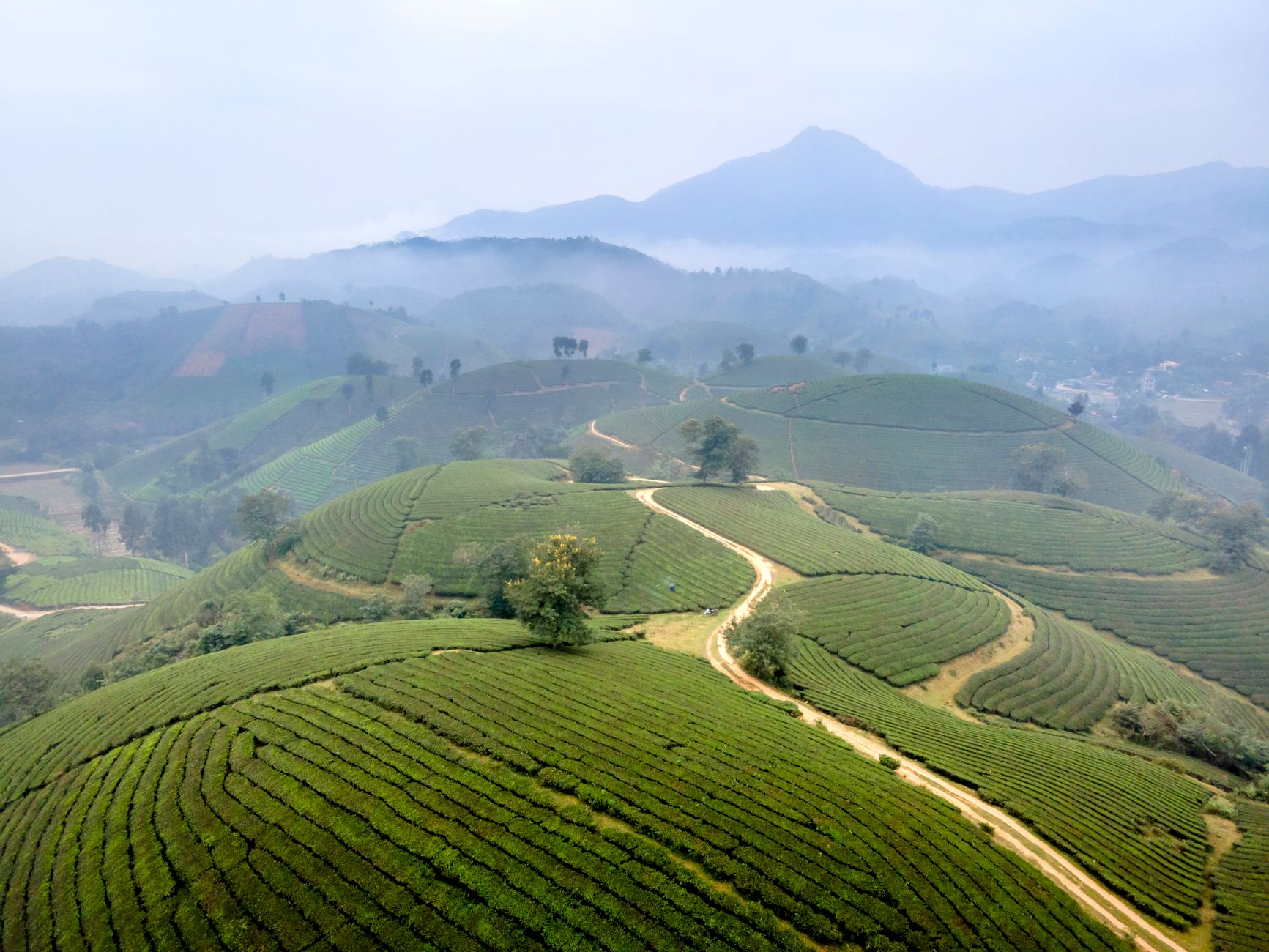
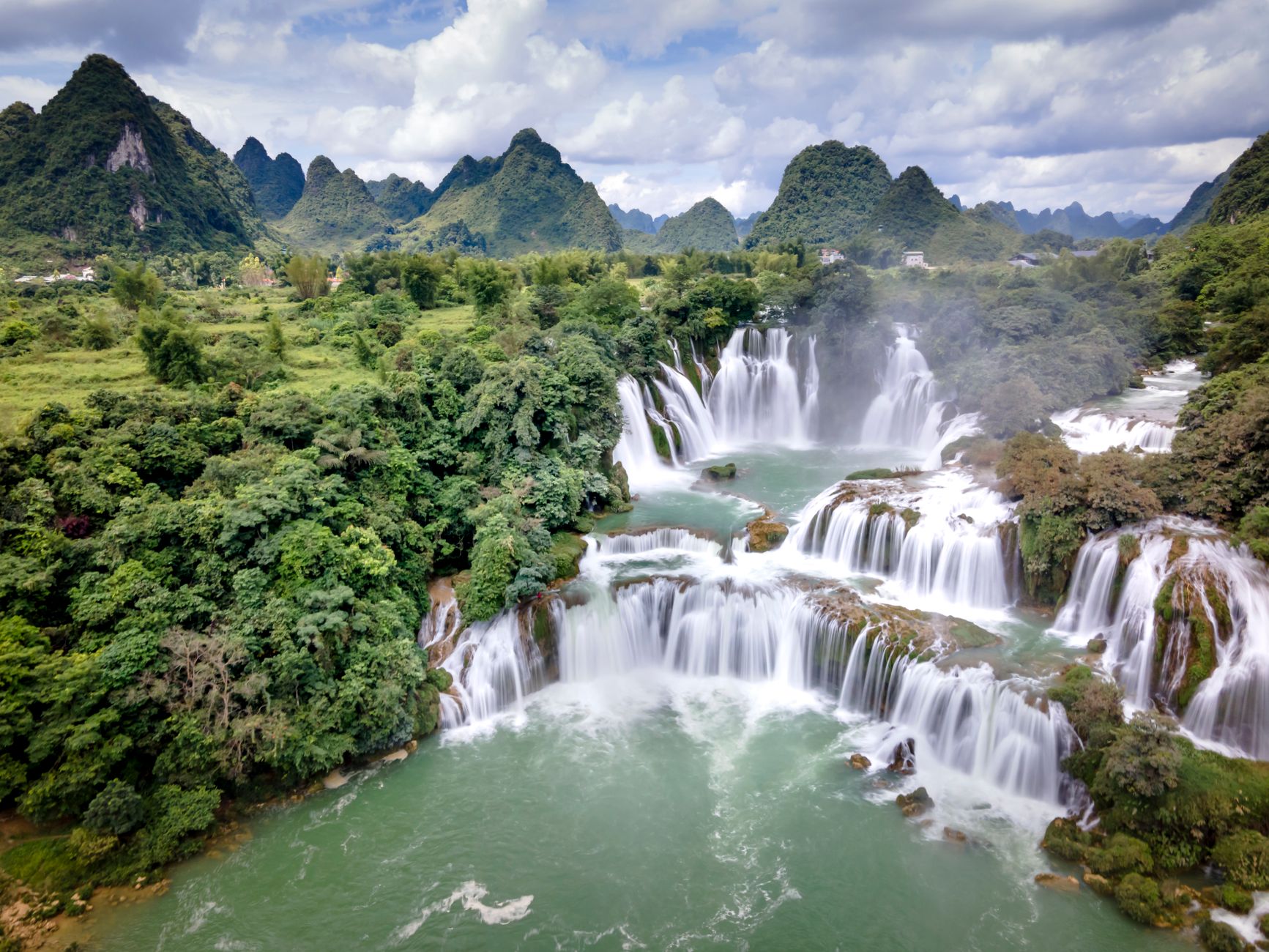
Ho Thac Mo is a hydroelectric reservoir in the northern reaches of Dong Nai province, roughly 160 km from Saigon. It doesn't appear on most tourist radars, which is exactly why it's worth knowing about — especially if you're after a weekend escape that doesn't involve fighting for hammock space at a crowded resort.
What it is
Ho Thac Mo (literally "Dream Waterfall Lake") was created in the early 1990s when a dam was built across the Be River to generate hydroelectric power. The resulting reservoir covers over 10,000 hectares when full, sprawling across low hills and patches of secondary forest in what was formerly Binh Phuoc province. The lake sits near Phuoc Long town, a small district center that serves as your base for visiting.
The dam itself is modest — this isn't Ha Long Bay in terms of scale or drama. But the lake is genuinely large, dotted with small islands, and surrounded by cashew and rubber plantations rather than hotels. It feels rural in a way that's getting harder to find within a few hours of Saigon (사이공 / 西贡 / サイゴン).
Why travelers go
Most visitors are Vietnamese weekenders from Saigon or Binh Duong looking for somewhere green and uncrowded. The lake draws people who want to fish, kayak, camp on the shore, or simply sit somewhere quiet. If you've been traveling through southern Vietnam (베트남 / 越南 / ベトナム)'s more polished destinations — Phu Quoc, Da Lat, Vung Tau — Ho Thac Mo is the opposite energy. No infinity pools, no Instagram cafes, no tour buses. Just water, trees, and local families grilling corn on the bank.
For foreign travelers, it works best as a side trip if you're exploring the less-visited parts of the south, or as a deliberate detour when you want a day or two completely off the tourist circuit.
Best time to visit
The dry season from November through April is your best window. The reservoir is fullest in October and November after the rainy season ends, so late November through January gives you high water levels plus dry weather — the ideal combination.
Avoid June through September if you can. Afternoon downpours are near-daily, dirt roads around the lake turn to mud, and some shoreline spots become inaccessible. The lake is also lower and less scenic in the late dry season (March–April), when water recedes and exposes muddy banks.
Weekdays are noticeably quieter than weekends year-round.
How to get there from Saigon
From central Saigon, you're looking at roughly 160 km north, mostly on National Highway 13 and then Highway 741 toward Phuoc Long town.
By motorbike: The most practical option if you're comfortable on two wheels. The ride takes 3.5 to 4 hours depending on traffic getting out of the city. Once past Thu Dau Mot in Binh Duong, the road opens up and the riding is pleasant — flat terrain, rubber plantations on both sides. Fuel up in Dong Xoai town, about 45 minutes before Phuoc Long.
By bus: Catch a bus from Mien Dong bus station in Saigon headed to Phuoc Long. Tickets run 120,000–150,000 VND one way, and the trip takes about 4–5 hours with stops. From Phuoc Long's bus station, you'll need a "xe om" (motorbike taxi) for the final 5 km to the lake — expect to pay around 30,000–50,000 VND.
By car: Grab doesn't reliably serve this area, so you'd need to arrange a private car. A round-trip day hire from Saigon runs roughly 2,500,000–3,000,000 VND depending on your negotiation skills.

Photo by Thái Trường Giang on Pexels
What to do
Boat trips on the reservoir
Local fishermen near the dam offer boat rides around the lake's islands. A two-hour loop costs around 300,000–500,000 VND for the whole boat (fits 4–6 people). The ride takes you past small forested islands and fishing camps. Mornings are best — the water is calmer and the light is good.
Fish at the shore or from a boat
Fishing is the main activity here for Vietnamese visitors. The lake holds tilapia, snakehead, and carp. You can rent basic gear from guesthouses near the dam for about 50,000 VND, or bring your own. Some locals will cook your catch for a small fee — a much better lunch than anything on a menu.
Hike around Phuoc Long town
Phuoc Long sits on a hill overlooking the lake. Walk up to Ba Ra Mountain (about 10 km from town center), the highest point in the area at 723 meters. The hike takes 2–3 hours round trip and gives you a wide view of the reservoir and surrounding plantations. Not technical — just steep in places and hot by midday, so start early.
Camp along the shoreline
Several flat areas along the eastern shore are used for informal camping, especially by Vietnamese groups on weekends. There are no managed campsites — you bring your own tent and supplies. If you're not carrying gear, a few lakeside "nha nghi" (basic guesthouses) rent hammocks and mats.
Visit a cashew plantation
This region is one of Vietnam's cashew heartlands. Between February and April, cashew trees fruit and the processing season kicks in. Ask around in Phuoc Long and someone will point you to a family operation where you can watch the roasting process and buy fresh cashews at farm-gate prices — much cheaper than Saigon shops.
Where to eat nearby
Phuoc Long town has a handful of "com binh dan" (everyday rice) spots along its main road. Look for "com tam" — broken rice with grilled pork — which is solid here and costs 30,000–45,000 VND a plate.
The local specialty worth seeking out is "ca loc nuong trui" — snakehead fish grilled whole in straw. Restaurants near the lake dam serve it fresh from the reservoir. A whole fish runs about 150,000–250,000 VND depending on size. Pair it with rice paper, herbs, and a cold Saigon beer.
Where to stay
Accommodation is basic. Phuoc Long town has a few guesthouses and mini-hotels in the 200,000–400,000 VND per night range. Rooms are clean enough but don't expect hot water or English-speaking staff. There's one mid-range option, Phuoc Long Hotel, closer to 500,000–600,000 VND with air conditioning and a proper bathroom.
For something more atmospheric, a couple of lakeside homestays have appeared in recent years, offering rooms or camping spots for 150,000–300,000 VND. Search for "homestay Ho Thac Mo" on Vietnamese booking apps like Traveloka.

Photo by Nhi Huynh on Pexels
Practical tips locals would tell you
- Bring cash. There are ATMs in Phuoc Long town but none at the lake itself. Card payments essentially don't exist here.
- Carry mosquito repellent. The reservoir means mosquitoes, especially at dusk. This is a low-risk malaria zone, but dengue-carrying mosquitoes are present.
- Download offline maps. Google Maps coverage is decent for the main roads but patchy for lakeside trails. Maps.me has slightly better detail for the area.
- Sunscreen and a hat are non-negotiable. There's almost no shade on the water or along the exposed shoreline paths.
Common mistakes to avoid
Don't come expecting a resort lake. There are no organized water sports, no beach clubs, no cocktail bars. If that's what you want, head to Mui Ne or Vung Tau instead. Ho Thac Mo is rewarding precisely because it hasn't been packaged for tourists.
Don't try to do it as a rushed day trip from Saigon. The 4-hour drive each way leaves you exhausted with barely any time at the lake. One overnight minimum — two nights is better.
Don't swim without asking locals first. Water levels and currents near the dam change depending on discharge schedules, and some areas have submerged debris from the original flooding. Stick to spots where you see Vietnamese families already in the water.
Practical notes
Ho Thac Mo works best as part of a broader loop through the northern reaches of southern Vietnam — combine it with a stop in the Dong Nai province lowlands or push further north to the Central Highlands toward Da Lat. It's not a destination that needs three days of planning. Pack a bag, rent a bike, and go.
Last updated · May 29, 2026 · independently researched, never sponsored.