
Den Ky Cung sits on the north bank of the Ky Cung River in the center of Lang Son city, about 150 km from Hanoi. It's one of the most significant temples in the northeast highlands — a place where locals actually worship, not a site that exists primarily for tourist buses.
What it is and why it matters
Den Ky Cung (also written as Den Ky Cung or Ky Cung Temple) is a centuries-old temple dedicated to Tran Hung Dao, the 13th-century military commander who's revered across Vietnam (베트남 / 越南 / ベトナム). The temple dates back to the Le Dynasty period and has been rebuilt and restored several times, most recently in the early 2000s. It occupies a compact but well-maintained compound right along the riverbank, shaded by old banyan trees.
What makes Den Ky Cung different from, say, [Tran Quoc Pagoda](/posts/tran-quoc-pagoda-hanoi (하노이 / 河内 / ハノイ)-west-lake) in Hanoi or other major worship sites is its connection to the local Tay and Nung ethnic communities. The temple blends Kinh (ethnic Vietnamese) spiritual traditions with highland customs — you'll notice this in the incense rituals, the layout of the altars, and especially during festival periods when the ceremonies draw from both traditions.
Why travelers go
Most people visiting Lang Son are either headed to or coming from the Chinese border at Huu Nghi (Friendship Gate), about 18 km north. Den Ky Cung gives you a reason to actually stop in Lang Son city rather than treating it as a transit point. It's also a natural pairing with Nhi Thanh Cave and Tam Thanh Cave, both within 2 km of the temple.
The temple grounds are genuinely peaceful on weekday mornings. You get river views, old-growth trees, and the smell of incense without crowds. During Tet or the Lung Tung festival (typically January-February lunar calendar), it transforms into one of the liveliest worship sites in the northern highlands.
Best time to visit
September to November is ideal — cool, dry weather with temperatures around 18-24°C. Lang Son sits at roughly 250 m elevation, so it's noticeably cooler than Hanoi year-round.
January-February / 越南春节 / テト)) is the most atmospheric time. The temple hosts its biggest ceremonies during the lunar new year period, with processions, traditional music, and offerings. Expect crowds, though — Lang Son's population effectively doubles during Tet as people return home.
Avoid July-August if you dislike humidity and afternoon downpours. The temple compound can get slippery, and the river sometimes floods its banks.
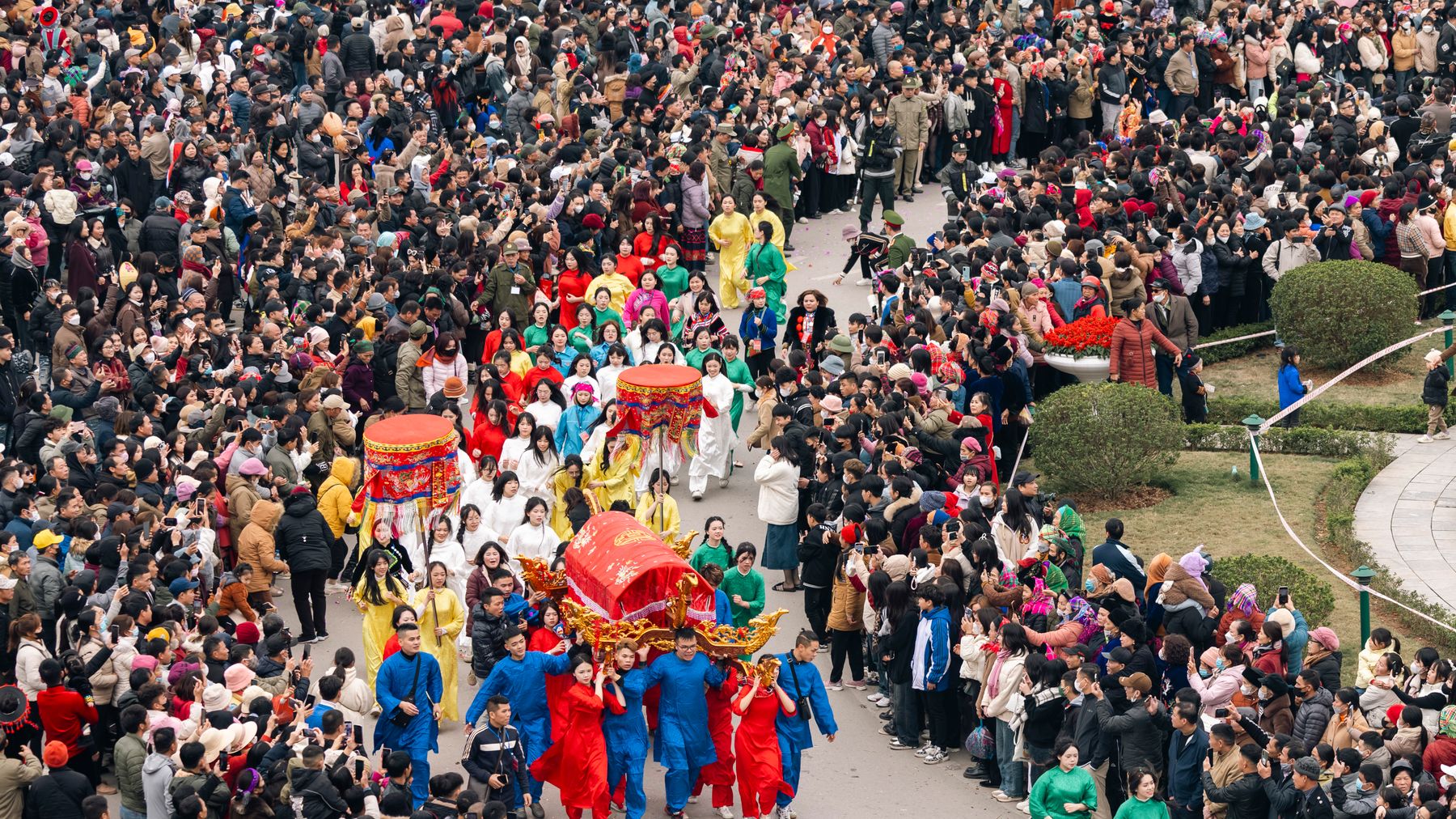
Photo by Vietnam Hidden Light on Pexels
How to get there from Hanoi
By bus: Catch a bus from My Dinh or Gia Lam bus stations in Hanoi. Multiple operators run the Hanoi–Lang Son route daily. The trip takes about 3-3.5 hours on the expressway (opened in recent years, cutting the old 4.5-hour drive significantly). Tickets run 120,000-180,000 VND depending on the operator and seat type. Get off at Lang Son bus station, then it's a 2 km taxi or xe om ride to the temple — around 20,000-30,000 VND.
By train: There's a Hanoi–Dong Dang railway line with a stop in Lang Son. The train takes about 5-6 hours and costs 70,000-120,000 VND for a hard seat. It's slow but scenic, passing through limestone karst valleys. Only worth it if you enjoy train travel for its own sake.
By motorbike: The QL1A route is straightforward, about 155 km. With the new expressway, you can also take the faster toll road (motorbikes allowed on the old national highway running parallel).
What to do at Den Ky Cung
Walk the full temple compound
Don't just peek into the main hall and leave. The compound has multiple altar rooms, a courtyard with stone carvings, and a riverside terrace. The back section, which many visitors skip, has an older shrine with original stonework. Budget 45 minutes to an hour.
Watch the incense rituals
If you arrive in the morning (before 10 AM), you'll likely see local worshippers performing "le bai" (prayer rituals). The offerings here often include "xoi" (sticky rice), roasted chicken, and locally made rice wine — distinct from what you'd see at temples in Hanoi or Saigon.
Cross to the south bank for the view
Walk across the bridge over the Ky Cung River and look back. The temple framed against the karst hills behind Lang Son city is one of the better photo angles in town. Early morning light works best.
Combine with Tam Thanh and Nhi Thanh caves
Both cave-temples are about 1.5 km south of Den Ky Cung. Tam Thanh has centuries-old inscriptions carved into the rock walls. You can walk between all three sites in a half-day loop.
Visit during the Lung Tung Festival
If your timing lines up (usually the 4th day of the first lunar month), the Lung Tung festival at and around the temple features "si luong" singing — a call-and-response folk music tradition of the Tay people. It's raw and unrehearsed, nothing like a tourist performance.
Where to eat nearby
Lang Son is known for two dishes you should seek out:
"Khau nhuc" — pork belly braised in fermented red bean curd, steamed until it collapses. It's a Tay/Nung specialty and tastes nothing like the pork dishes you'll find in Hanoi. Try it at the local restaurants along Tran Dang Ninh street, about 500 m from the temple. A plate runs 60,000-80,000 VND.
"Pho chua" — Lang Son's sour noodle dish, served cold with crispy rice paper, pork, and a tangy broth. It's closer to a salad than a soup. Street vendors near Dong Kinh Market (1 km from the temple) sell bowls for 30,000-40,000 VND. Pair it with a glass of "tra da" (iced tea) and you've got lunch for under 50,000 VND.
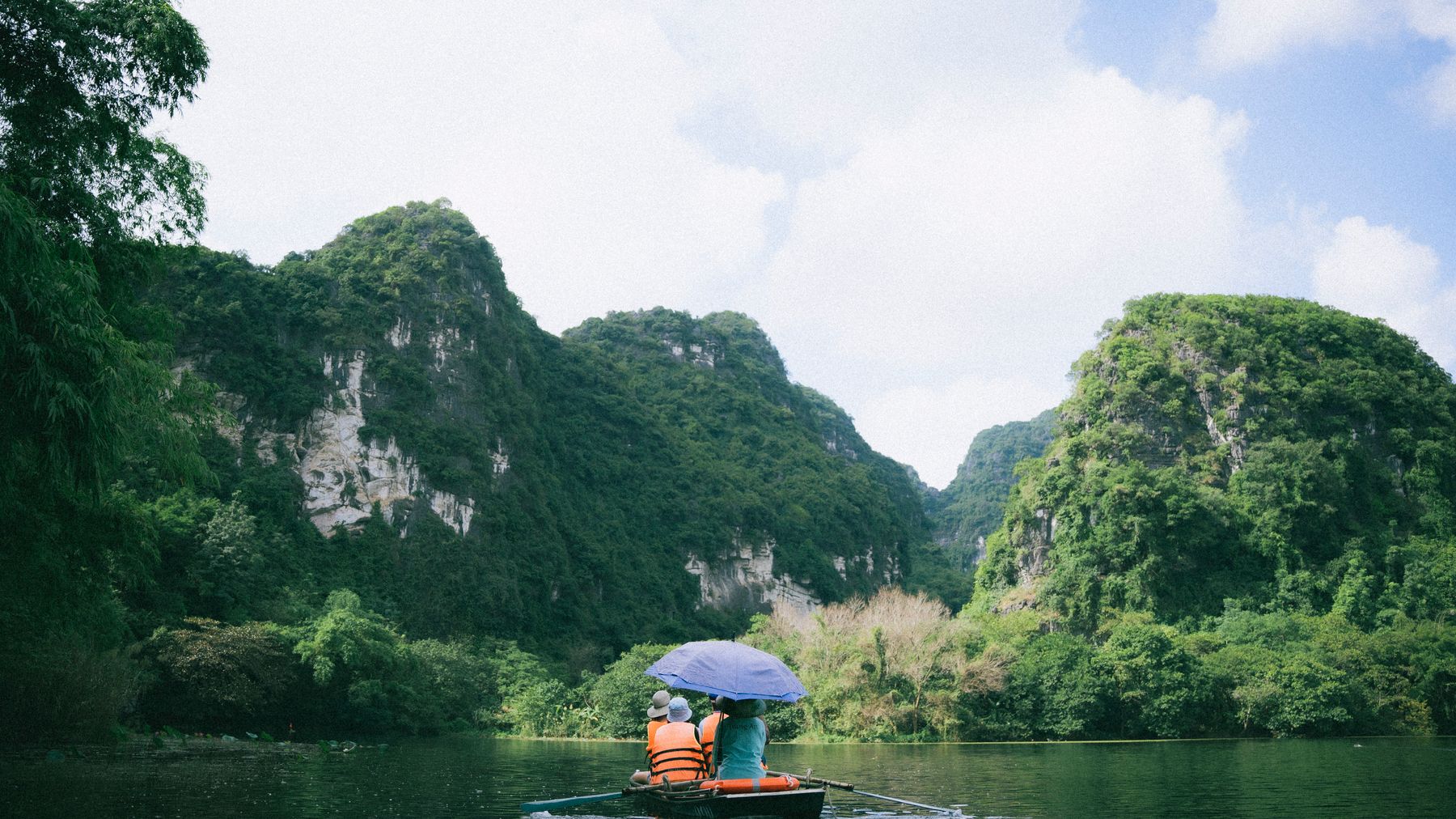
Photo by Bid on Pexels
Where to stay
Lang Son city has a decent range of hotels, though nothing luxurious:
- Budget: Guesthouses along Tran Dang Ninh and Le Loi streets, 200,000-350,000 VND/night. Basic but clean.
- Mid-range: Muong Thanh Hotel Lang Son or Ky Lua Hotel, 500,000-800,000 VND/night. Air conditioning, hot water, Wi-Fi — the essentials.
- No high-end options exist in Lang Son. If you need a proper resort experience, this isn't the town for it.
Practical tips
- Dress modestly at the temple. Shoulders and knees covered. This isn't strictly enforced, but locals will notice and it matters to them.
- Bring small bills for the donation box and for buying incense bundles at the temple entrance (10,000-20,000 VND).
- Don't photograph worshippers mid-prayer without asking. A nod or gesture of permission goes a long way.
- The temple closes around 5:30 PM. Morning visits (7-9 AM) are quietest and coolest.
- ATMs are available along Le Loi street in the city center. Don't count on card payments anywhere in Lang Son outside of hotels.
Common mistakes to avoid
Skipping Lang Son entirely on a Ha Giang or border-crossing trip is the biggest one. The city has more character than people give it credit for. Another mistake: visiting Den Ky Cung on a weekend afternoon during festival season and expecting a contemplative experience — it will be packed. Finally, don't confuse Den Ky Cung with Dong Kinh Market (Ky Lua Market), which is nearby but an entirely different kind of destination. Both are worth your time, just for very different reasons.
Last updated · May 29, 2026 · independently researched, never sponsored.






