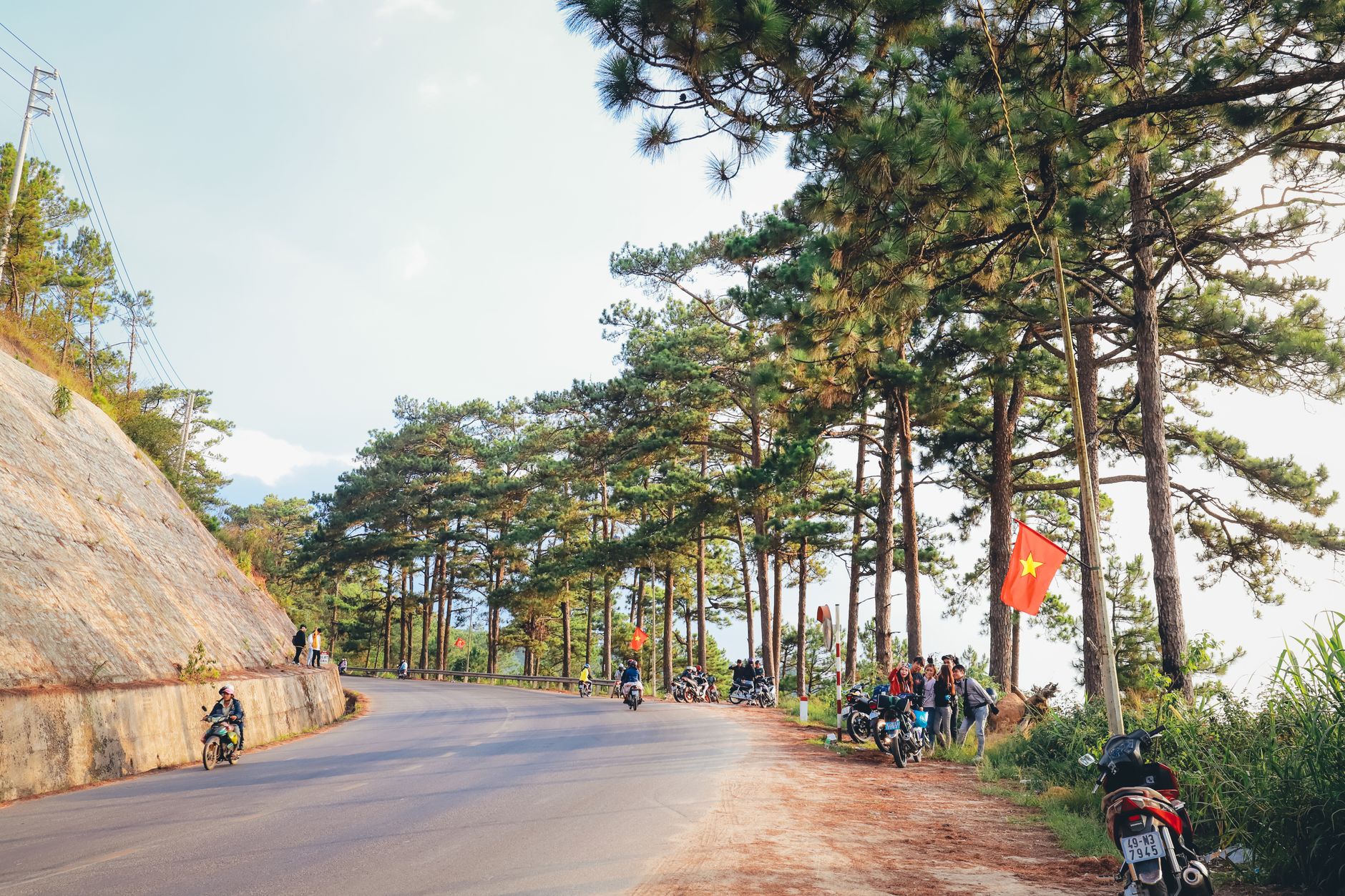
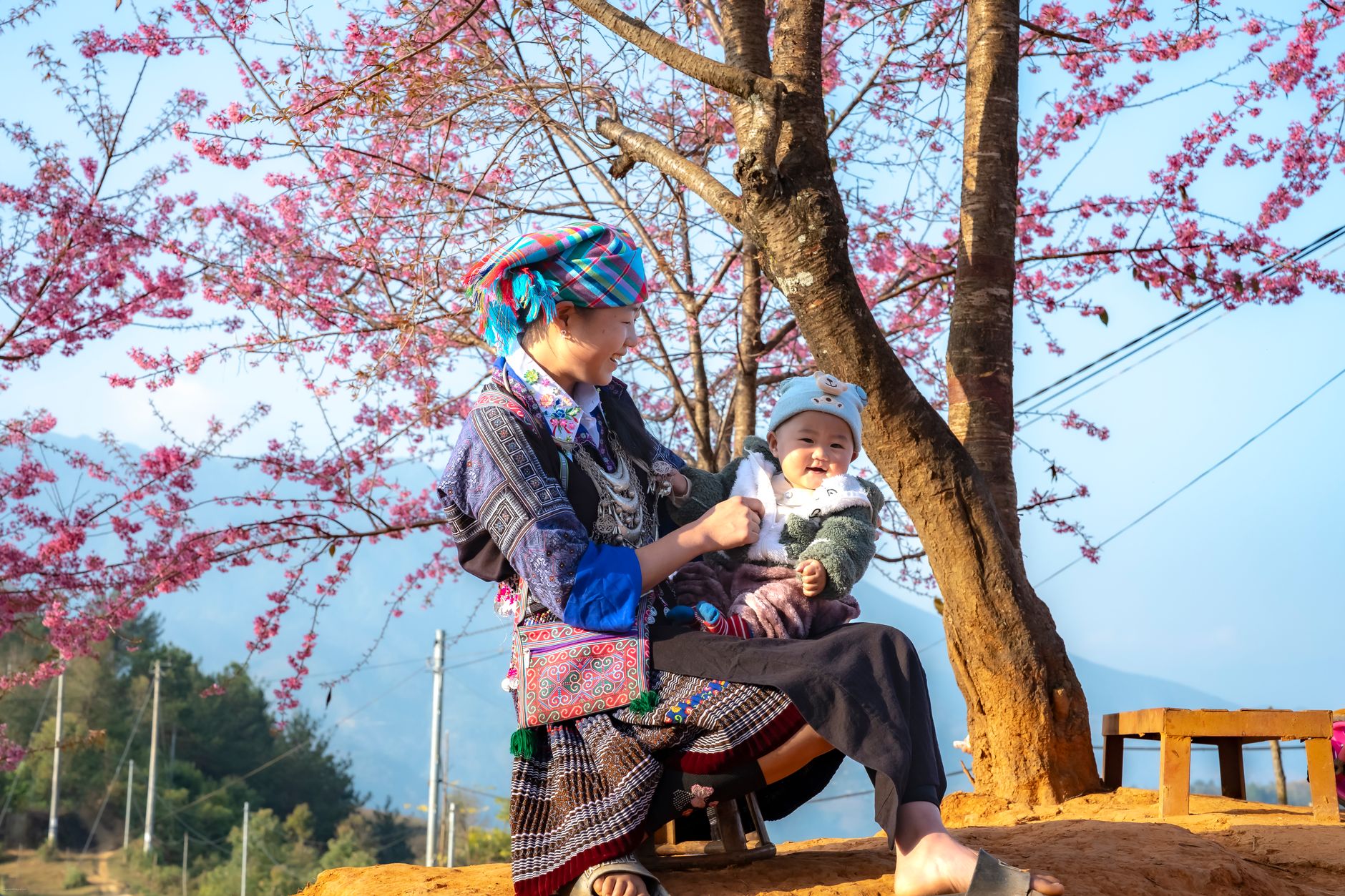
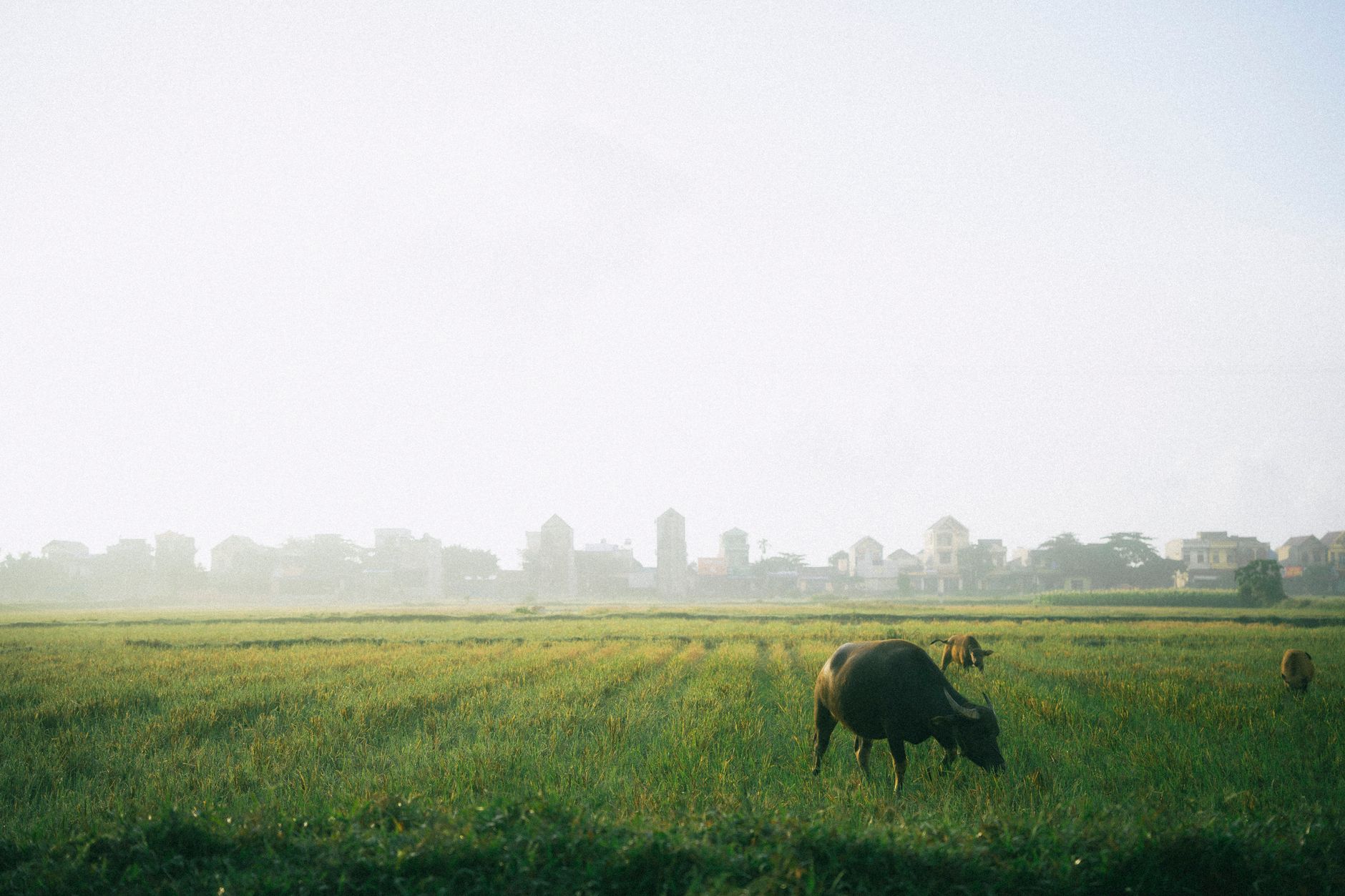
The northeast frontier—two hours past Ha Giang's end—is where the tourist infrastructure thins to almost nothing. No cable cars, no resort hotels, no tour-group schedules. Cao Bang and Bac Kan are genuinely remote. Lang Son, the border gateway to China, feels like a place that wasn't built with outsiders in mind. That's the entire appeal. This loop works best as a slow seven-day trip by motorbike or rental car, stopping in villages where you'll be the only foreigner in the day's market.
Day 1 — Hanoi to Bac Kan
Leave Hanoi early on National Route 3 northbound. The 240 km drive takes 5–6 hours depending on road conditions and stops. The landscape shifts from delta flatness to rolling limestone hills around Bac Can Province. Aim to arrive in Bac Kan town (the capital) by midday or early afternoon.
Bac Kan town itself is small—maybe 20,000 people—with basic guesthouses and a central market that's busiest before 10 a.m. Eat lunch at one of the open-air stalls near Dong Trung Market; the local noodle soup here is a lighter cousin of "bun oc" (snail and pork noodle soup). If you're arriving with energy left, walk to the riverside and get a sense of the place. Stay the night in town, or push on to Ba Be if you're riding strong—another hour's drive north.
Day 2 — Ba Be Lake and Ethnic Villages
Ba Be Lake, 50 km north of Bac Kan, is the centerpiece of a national park. The lake is long, narrow, and ringed by karst cliffs. Unlike the touristy boat tours that leave from piers, rent a private longtail boat (negotiate 150,000–250,000 VND for 4 hours) and ask the captain to take you to the Tay and Nung villages on the eastern shore. You'll see homes built on stilts over the water, fishing nets, and kids swimming.
Hang Puong (Puong Cave) is about 40 minutes by boat and worth the time: a massive natural arch that boats can motor through. Bring a headlamp; the interior tunnel is dark and the echo is impressive. Stop at one of the floating fish farms for lunch—they'll grill fresh carp with herbs and serve it on the boat for minimal cost (50,000–80,000 VND per person).
Return to Bac Kan for the night. If you're based at Ba Be itself, the national park has basic bungalows; they're functional but hardly luxurious. Most travelers prefer the slightly better rooms in Bac Kan town.
Day 3 — Bac Kan to Cao Bang
The drive from Bac Kan to Cao Bang is 150 km and takes 4–5 hours. Route 3 cuts through Ngo Dong pass, one of the nicest stretches of road in the north. The landscape opens into Cao Bang Province's limestone plateau. Cao Bang town is the provincial capital and another quiet place—around 50,000 people, with a main street of shops and cafes.
Base yourself in Cao Bang town for the next two nights. There are several mid-range hotels (rooms 200,000–400,000 VND); Ngan Ha Hotel and Nguoi Ba Hotel are reliable. In the afternoon, visit the market and pick up fresh fruit, water, and any supplies you'll need for the next couple of days. Eat dinner at a local restaurant on the main street; Cao Bang's food leans toward stir-fried greens and grilled meats, lighter and less "heavy" than the delta.
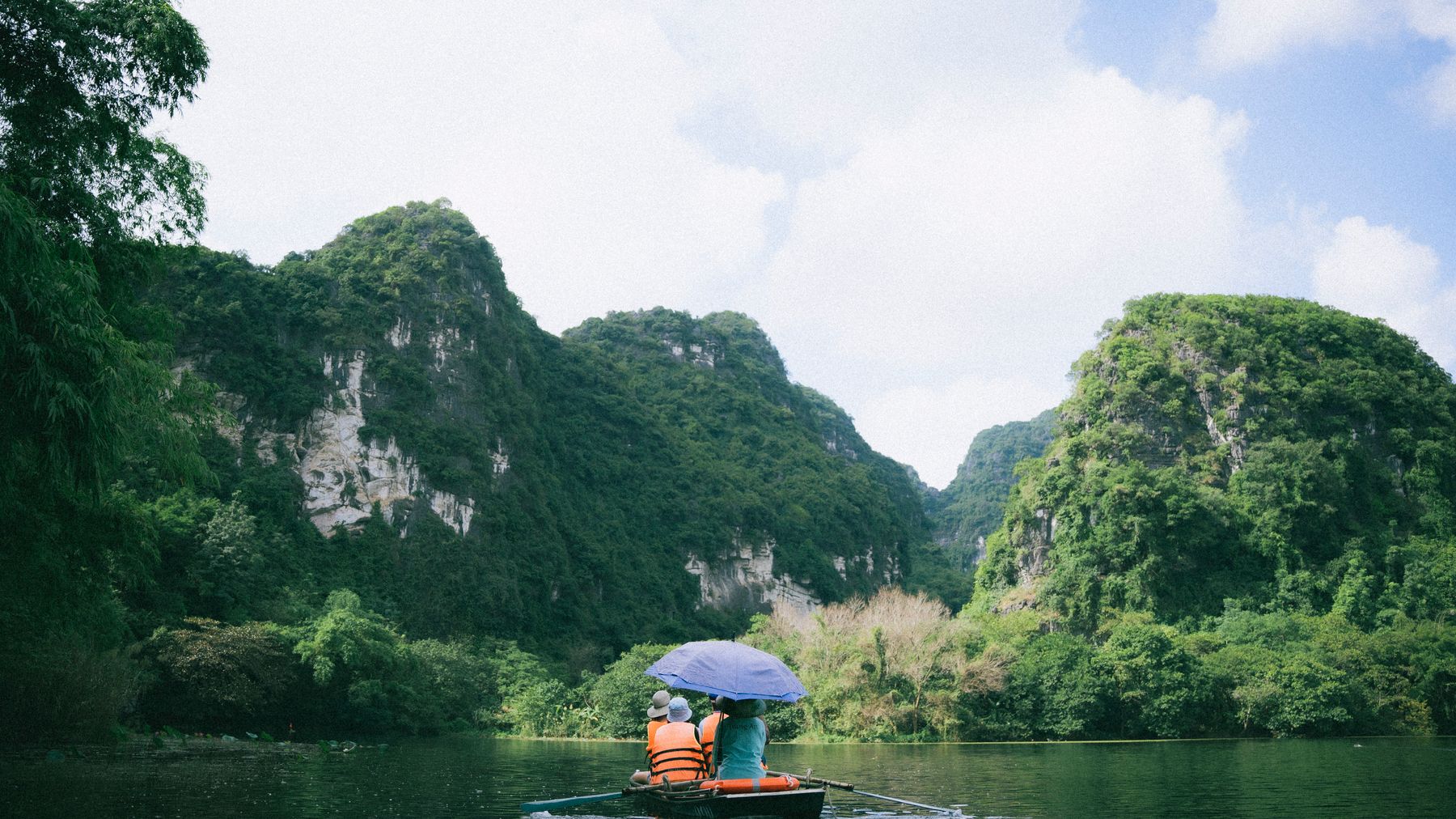
Photo by Bid on Pexels
Day 4 — Ban Gioc Falls and Nguom Ngao Cave
This is the highlight day. Ban Gioc Falls (also known as Detian Falls on the Chinese side) is 50 km northeast of Cao Bang, near the border. The waterfall is massive—80 meters wide, stair-stepping down three levels. It's one of Southeast Asia's largest waterfalls and far less crowded than better-known ones further south.
Hire a motorbike and guide in Cao Bang town (ask at your hotel; expect 600,000–900,000 VND for a full day for two people). Leave early—7 a.m. is ideal. The road is paved but narrow and winding. You'll pass Tay and Nung hamlets, rice paddies, and switchbacks with good views back toward the plateau.
Ban Gioc itself requires a short walk down stone steps to the base. In dry season (October–April), the water level is lower but the falls are still dramatic. In wet season (May–September), they roar. The Chinese side of the border is literally 100 meters away; you'll see Chinese vendors and tourists if you go in high season.
On the way back, stop at Nguom Ngao Cave, about 20 km before Cao Bang. This limestone cave is less famous than Hang Sung Sot in Ha Long Bay or Phong Nha caves further south, but it's spectacular: a stalactite-filled chamber lit by a natural skylight opening. A local guide leads you through; the walk is gentle and takes 45 minutes. Cost is around 80,000 VND per person.
Return to Cao Bang by 5 p.m. and rest.
Day 5 — Cao Bang to Lang Son
Lang Son is 170 km south of Cao Bang, a 4–5 hour drive via Route 3. This is the border city—a gateway to Guangxi Province, China. It's quieter than you'd expect, with a long history as a trading post and garrison town.
Lang Son has a single main street (Trang Tien) and a handful of temples and caves scattered in the limestone hills around town. Stay one night in Lang Son. Hotels like Ngan Ha (yes, there's one here too) or Hoa Tuc offer rooms for 250,000–400,000 VND.
Spend the late afternoon exploring. Nhi Thanh Cave is a quick walk from the town center—it's a rock shelter with French colonial graffiti inside from the 1880s. Mac Cau Market is the wholesale market where traders from the border work; go early (6–7 a.m.) to see it in motion, but be respectful with photos. Eat at an open-air restaurant on Trang Tien; the local "[com tam](/posts/com-tam-saigon (사이공 / 西贡 / サイゴン)-broken-rice)" (broken rice) is good, and fresh spring rolls are a standard.
Day 6 — Lang Son, Prep for Return
Lang Son deserves a slower day. The town doesn't rush. Walk to Chay Thi Cave (another limestone shelter) and the Ky Lua Border Gate, where you can stand near the actual border checkpoint. There's no tourist infrastructure here—it's a working gate—but the walk is scenic and you'll see traders and trucks moving goods across.
If you're interested in border towns and small-scale smuggling history (the reality of Vietnam-China trade in textiles and electronics), Lang Son feels like the real thing, not a polished narrative. Eat lunch at a local pho shop. In the afternoon, begin your route back toward Hanoi (하노이 / 河内 / ハノイ). If you're exhausted, stay a second night. If you're motorbike-strong, you can drive back toward Hanoi (260 km, 6 hours) and break it in two days, staying overnight in Bac Kan or a smaller town en route.
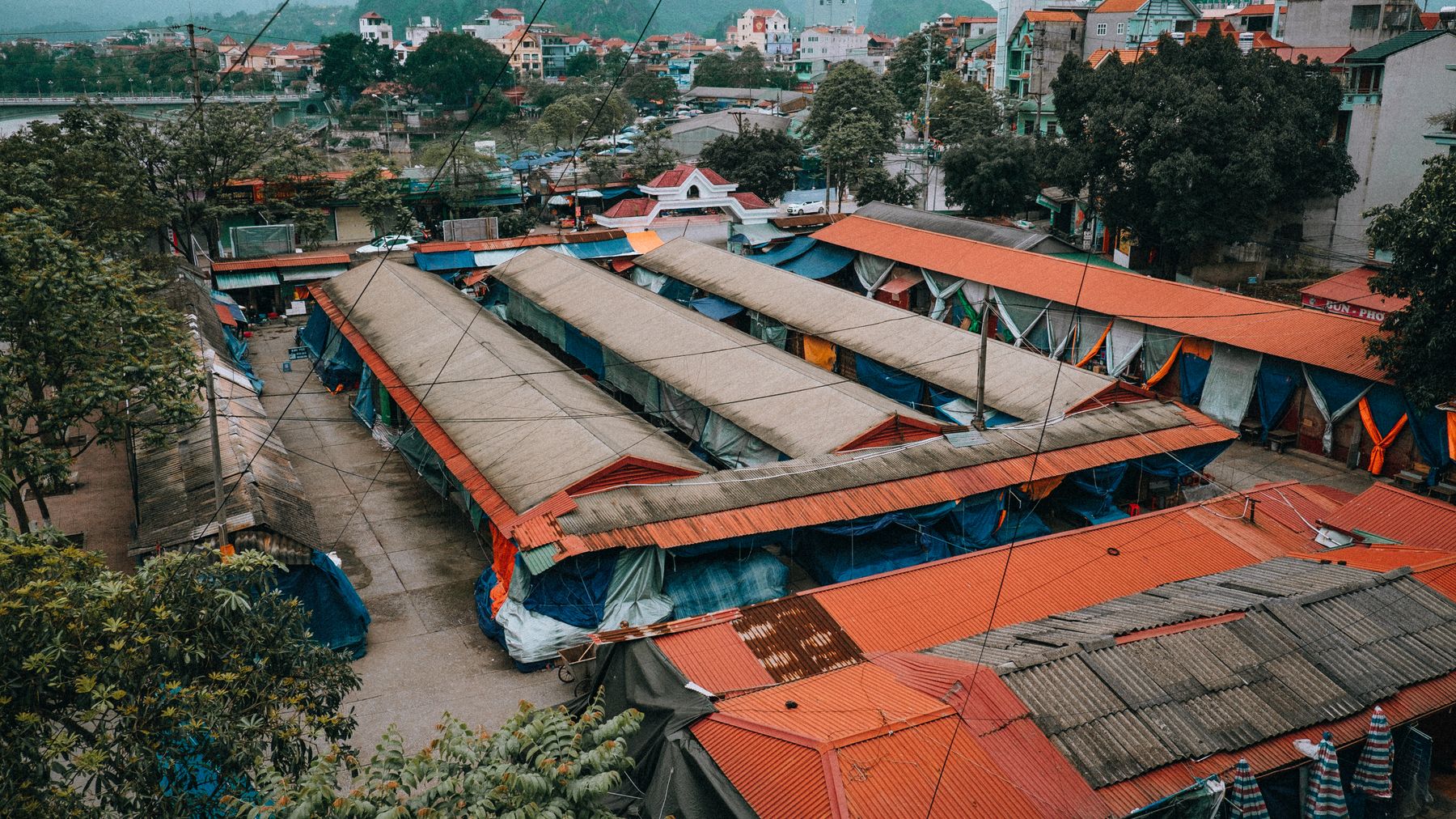
Photo by Chuot Anhls on Pexels
Day 7 — Return to Hanoi
Either finish your return journey on this day (if you departed Lang Son on Day 6 afternoon), or use this for a full rest day and leisurely drive back. The route is the same: Route 3 south. Stop for lunch in Bac Kan or at a roadside pho shop and arrive in Hanoi by early evening.
Why This Beats Sapa
Sapa is crowded, commercialized, and full of tour groups. Hotels book six months ahead. The surrounding hill-tribe villages have been "tourist-ified" for decades—homestays are organized, meals are served on schedule, and you're part of a coordinated flow.
The northern frontier—Cao Bang, Bac Kan, Lang Son—is still relatively under-visited. You'll encounter ethnic minorities in their daily lives, not in a tourism context. Villages don't have hostels or organized group activities. The waterfalls, lakes, and caves are real attractions, not manufactured photo spots. You'll need your own transport (motorbike or rental car), you'll spend time driving, and the towns feel genuinely provincial. But that's the point. This trip is slower, harder to package, and more honest.
Frequently Asked Questions
How do I get from Hanoi to Cao Bang on this route?
From Hanoi, take National Route 3 northbound. The drive to Bac Kan is 240 km and takes 5-6 hours; from Bac Kan, Cao Bang is another 150 km and 4-5 hours via Route 3 through Ngo Dong pass. Most travelers do this over two days, sleeping in Bac Kan town before continuing to Cao Bang, where mid-range hotels cost 200,000-400,000 VND per night.
What is the best way to see Ba Be Lake without joining a tour group?
Rent a private longtail boat directly from the pier rather than joining an organized tour. Negotiate 150,000-250,000 VND for a 4-hour trip and ask the captain to visit Tay and Nung villages on the eastern shore. You can stop at Puong Cave, a natural arch the boat motors through, and eat lunch at a floating fish farm for 50,000-80,000 VND per person.
When is the best time to visit the market in Bac Kan town?
The central market in Bac Kan town is busiest before 10 a.m. Food stalls near Dong Trung Market serve a local noodle soup similar to bun oc - snail and pork noodle soup - but lighter. Arriving by midday from Hanoi leaves time to eat at the market before exploring the riverside area on the same afternoon.
Practical Notes
Bring cash; ATMs are sparse outside Cao Bang town. Roads are paved but narrow; drive carefully, especially the Ngo Dong pass in rain. Late October through November is ideal (cool, dry, clear views). Guides for Ban Gioc and Nguom Ngao can be hired through hotels or tourist offices; English is limited, so learning a few Vietnamese phrases helps. A motorbike rental in Hanoi (150,000–200,000 VND per day) makes sense if you're confident riding; otherwise, hire a driver with a car for the week (40–60 USD per day including fuel).
Last updated · May 29, 2026 · independently researched, never sponsored.