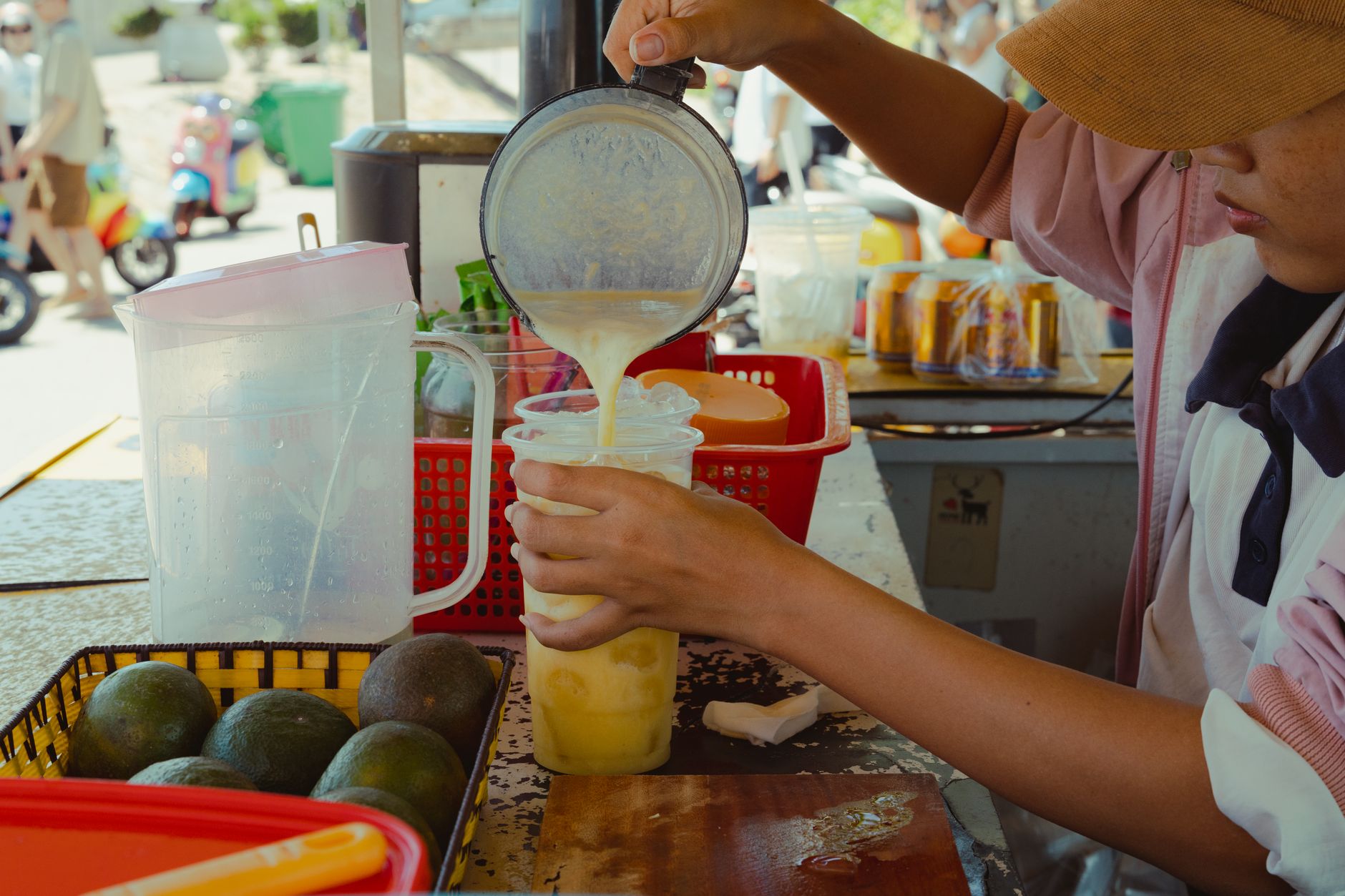
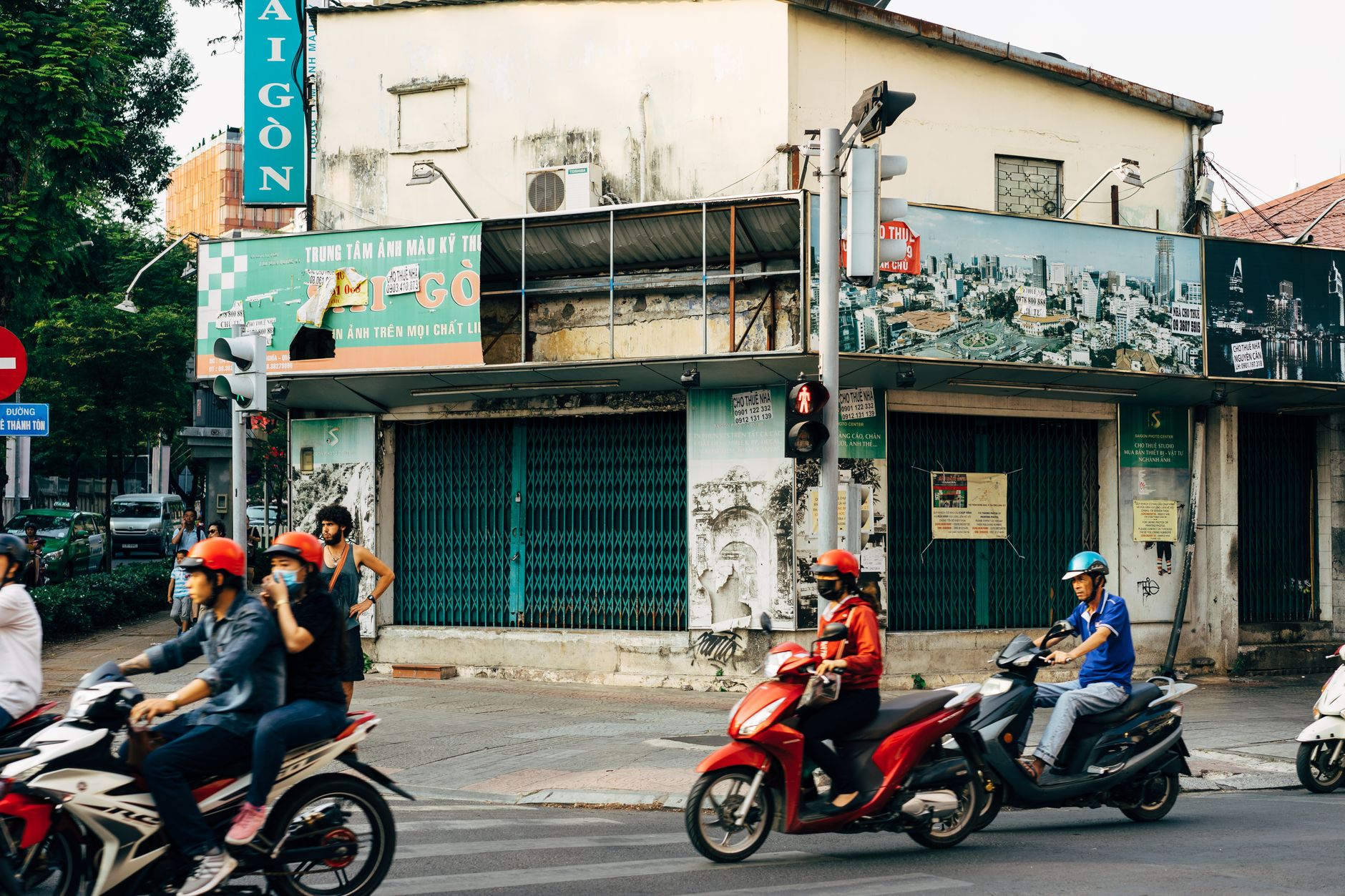
Lang Son sits about 170 km northeast of Hanoi, close enough for a weekend but far enough that most visitors don't bother — which is exactly why the food scene here has stayed honest. The two dishes that define the province are "vit quay" (roast duck) and "khau nhuc" (slow-braised pork belly with fermented mustard greens), both rooted in Tay and Nung culinary traditions and both completely different from anything you'll find down south.
Vit Quay — More Than Just Roast Duck
Lang Son's vit quay is not the same animal as the lacquered Peking duck you've seen pictures of, and it's not the honey-glazed version sold in Hanoi (하노이 / 河内 / ハノイ) tourist markets. The ducks here are smaller, leaner birds — typically raised free-range in the mountainous terrain around the province — and the marinade leans on local aromatics: ginger, galangal, five-spice, and a regional seasoning paste made from mac khen pepper, a small, intensely fragrant berry that grows across the northeastern highlands.
The preparation is methodical. The duck is marinated overnight, air-dried, then roasted over charcoal or in a wood-fired oven until the skin blisters into something that cracks when you tap it. The meat underneath stays moist because the birds are smaller and the fat layer is thin — there's no greasiness, just clean duck flavor sharpened by the spice paste.
You'll find whole ducks hanging in shop windows along Tran Dang Ninh street and around the Dong Kinh market area in Lang Son city. A whole bird runs roughly 300,000–450,000 VND depending on size, and most places will chop it to order. The standard way to eat it is with sticky rice — "xoi" — and a dipping sauce of ginger, salt, and lime. Some shops also serve it with a thin broth on the side for dipping the bones.
How to Pick a Good One
Look for ducks with deep mahogany skin, not pale tan. The skin should look taut and dry, not shiny with glaze. If the shop is doing a steady turnover — birds coming off the hook and being replaced throughout the morning — that's a better sign than a row of ducks that have been sitting since 7 a.m. The best window is between 9 a.m. and noon, when the morning roast is fresh.
Khau Nhuc — The Slow-Cook That Earns Its Time
"Khau nhuc" is a Tay dish that takes the better part of a day to make properly, which is why it's traditionally reserved for weddings, Tet, and other occasions when someone has the time and the incentive. What arrives on your table is a stack of soft, collapsing pork belly slices — skin, fat, and meat all intact — set over a bed of fermented mustard greens called "dua cai", with a rich, dark braising liquid pooled underneath.
The process: pork belly is deep-fried whole until the skin puffs and colors, then sliced and reassembled skin-down in a bowl with the mustard greens, dried mushrooms, taro, and a braising liquid built from fermented tofu ("chao"), soy sauce, five-spice, and a small amount of sugar. The whole thing goes into a steamer for four to five hours. What comes out is almost impossibly tender — the fat has rendered into something translucent and yielding, the skin has gone from crisp to silky, and the mustard greens have absorbed enough pork fat to taste like a different vegetable entirely.
The flavor profile is deeply savory, slightly funky from the fermented components, and rich without being heavy in the way you'd expect. A small serving goes a long way. Most restaurants around Lang Son city serve it as part of a set meal alongside steamed rice and a light vegetable dish — expect to pay around 80,000–120,000 VND per portion.
Khau nhuc is harder to find than vit quay because the preparation time means most places only make a batch or two per day. The area around Nguyen Du street and the lanes off Le Loi in the city center has a handful of family-run spots that serve it reliably for lunch. Arrive before 11:30 a.m. if you want a full portion — it sells out.
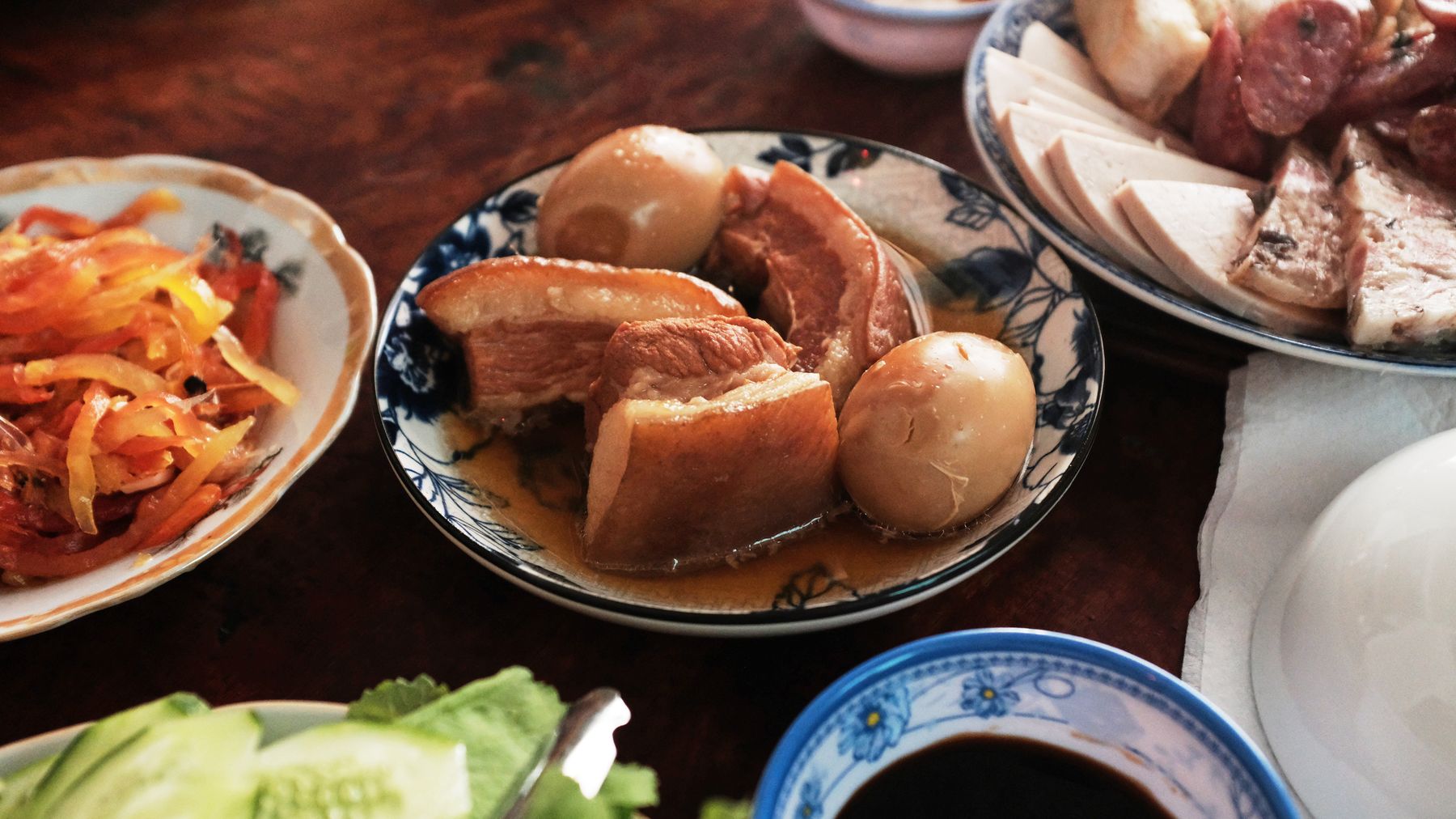
Photo by Nguyen Truong Khang on Pexels
Eating Both in the Same Trip
The logical move is to do this over a full day: vit quay in the morning from one of the market stalls, khau nhuc at lunch from a sit-down restaurant, and then spend the afternoon at Ky Lua market or the Nang Thi waterfall area before the drive back. Lang Son city is compact — most of the food action is within walking distance of the central market.
If you're coming from Hanoi, the drive on National Highway 1A takes about three hours depending on traffic through Bac Giang. There's also a train from Hanoi's Gia Lam station that takes roughly four hours and deposits you in Lang Son city center — slower, but more comfortable if you're not renting a motorbike.
For context on northern food more broadly, both pho and banh cuon have regional variants worth comparing when you're back in Hanoi — Lang Son's version of banh cuon, made with a thicker rice sheet and sometimes filled with wood-ear mushroom, is subtly different from the Hanoi standard and worth trying while you're there.
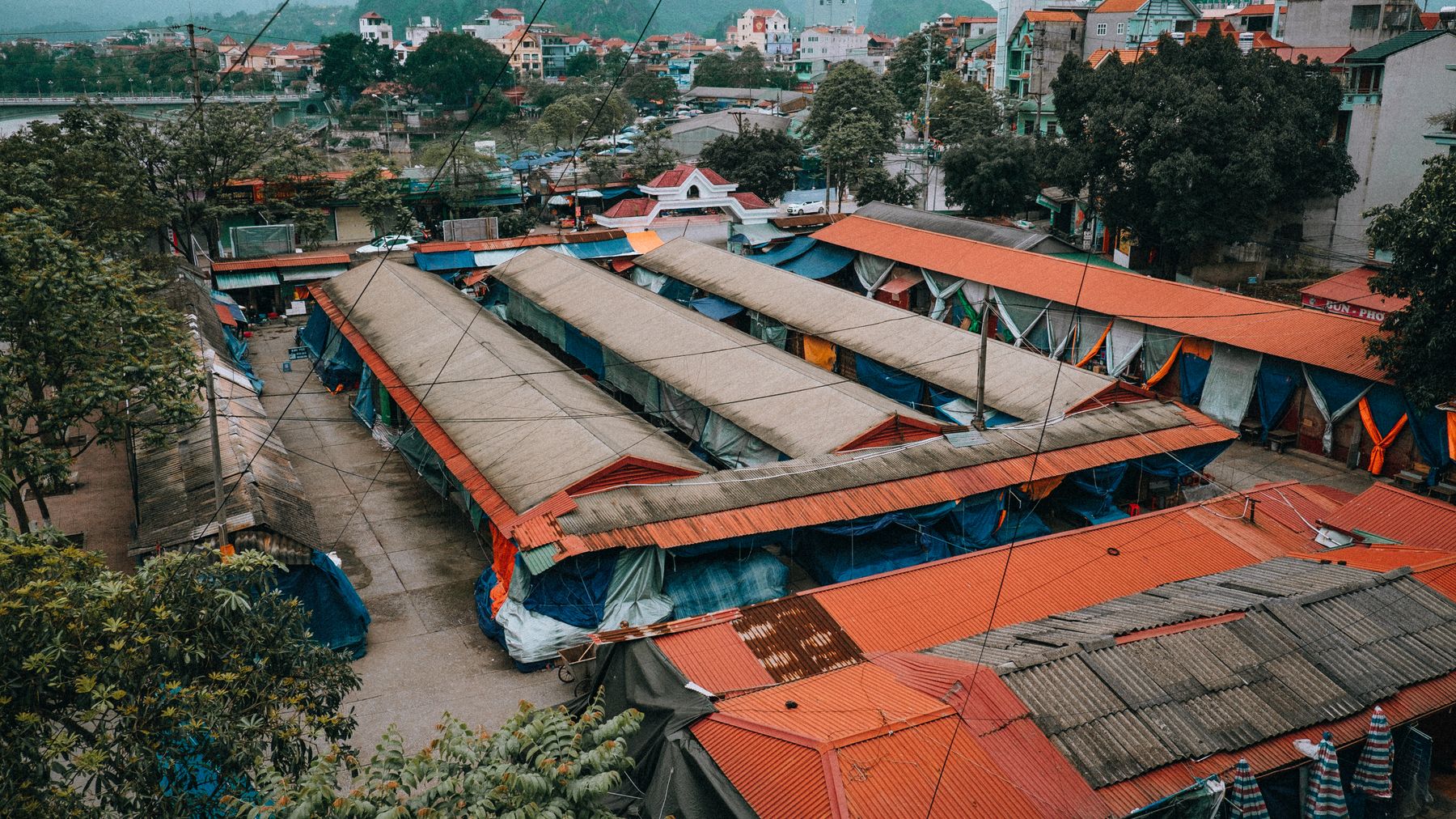
Photo by Chuot Anhls on Pexels
Practical Notes
Lang Son is a border province and the food reflects both Vietnamese and southern Chinese influence — don't be surprised if menus include dishes you won't find in Hanoi or Saigon. Most vit quay shops open by 7 a.m. and close when the ducks are gone; khau nhuc restaurants typically run lunch service only, 11 a.m.–2 p.m. Bring cash — card terminals are rare outside the main hotels.
Last updated · May 26, 2026 · independently researched, never sponsored.