What it is
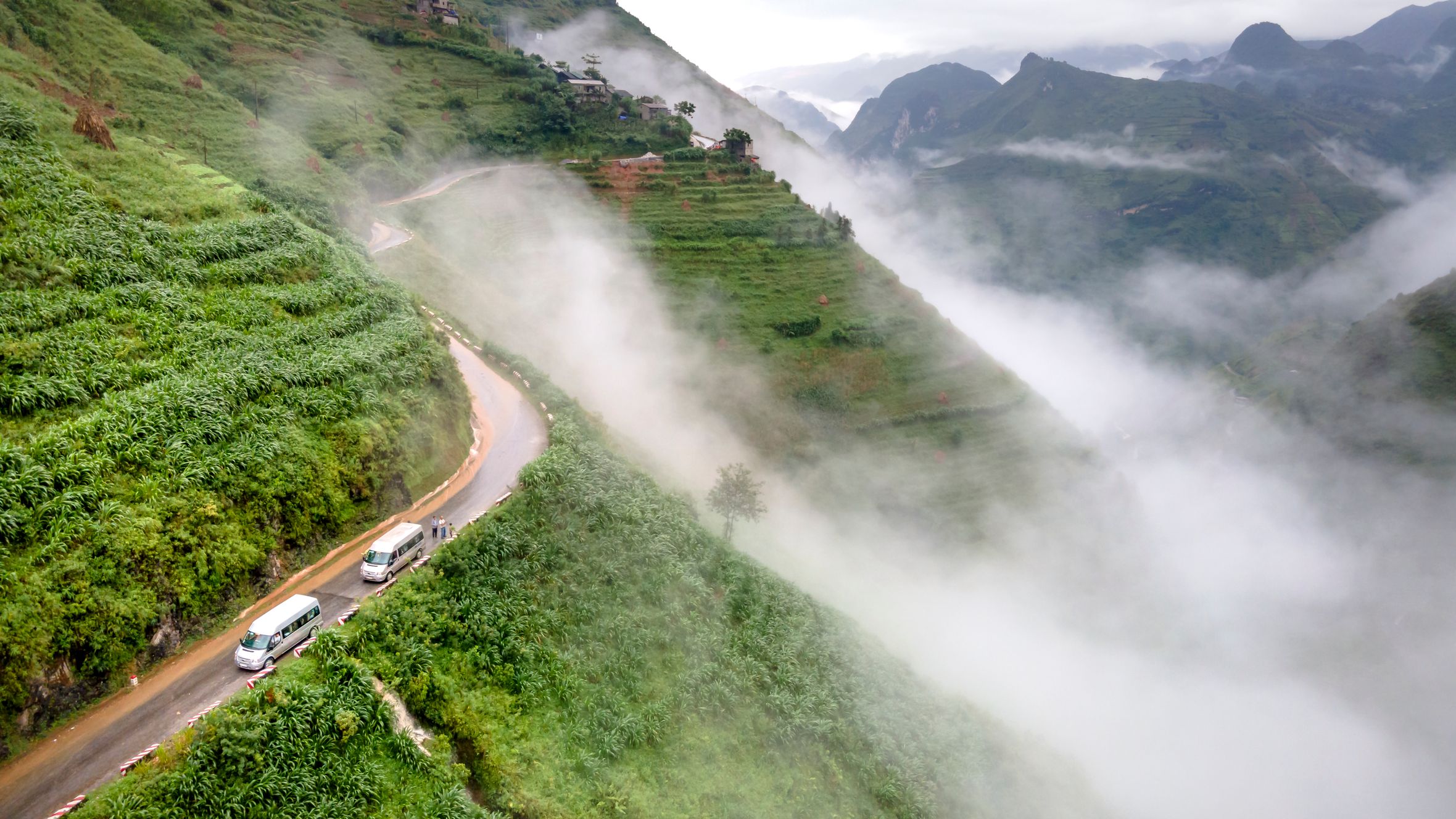
Deo Khau Pha sits along National Road 32, connecting the town of Tu Le to Mu Cang Chai in what is now Lao Cai province (formerly Yen Bai, before the 2025 provincial merger). The name translates roughly to "Sky Horn Pass" in the Hmong language — and that's not hyperbole. At its peak elevation of around 1,500 m, you're riding through cloud banks more often than not.
The pass stretches about 30 km with gradients steep enough to make motorbike engines whine. It's been part of the Northwest Loop route for years, drawing riders heading between Hanoi and Ha Giang or Sapa. But Khau Pha deserves more than a drive-through — the surrounding valley of Mu Cang Chai holds some of the most photogenic terraced rice fields in all of northern Vietnam (베트남 / 越南 / ベトナム).
Why travelers go
Three reasons, mostly:
-
The road itself. Tight switchbacks, minimal guardrails, fog rolling across the tarmac. It's one of Vietnam's four great passes (alongside O Quy Ho near Sapa, Pha Din, and Ma Pi Leng near Ha Giang (하장 / 河江 / ハーザン)). The riding is genuinely engaging — not a highway, not a death trap, but demanding enough to stay interesting.
-
Rice terraces. The Mu Cang Chai terraces below Khau Pha are UNESCO-recognized heritage landscapes. During late September and early October, the paddies turn gold before harvest. It's one of those views that actually lives up to the photos.
-
Hmong villages. La Pan Tan, Che Cu Nha, and De Xu Phinh sit along the slopes. These aren't tourist-facing "ethnic villages" — they're working agricultural communities. You can walk through, buy corn wine, watch weaving, but don't expect ticket booths or souvenir stalls.
Best time to visit
Two windows stand out:
- Late September to mid-October — Golden rice season. The terraces are at peak color. This is when photographers and tour groups flood in, particularly around the Mu Cang Chai rice harvest festival (usually late September). Book homestays early.
- May to June — Water-filling season. Terraces become mirrors reflecting sky and cloud. Fewer visitors, greener landscapes, occasional afternoon storms.
Avoid December through February unless you enjoy near-zero visibility. The pass gets socked in with fog, temperatures drop to 5-8°C at the summit, and the road surface gets slick.
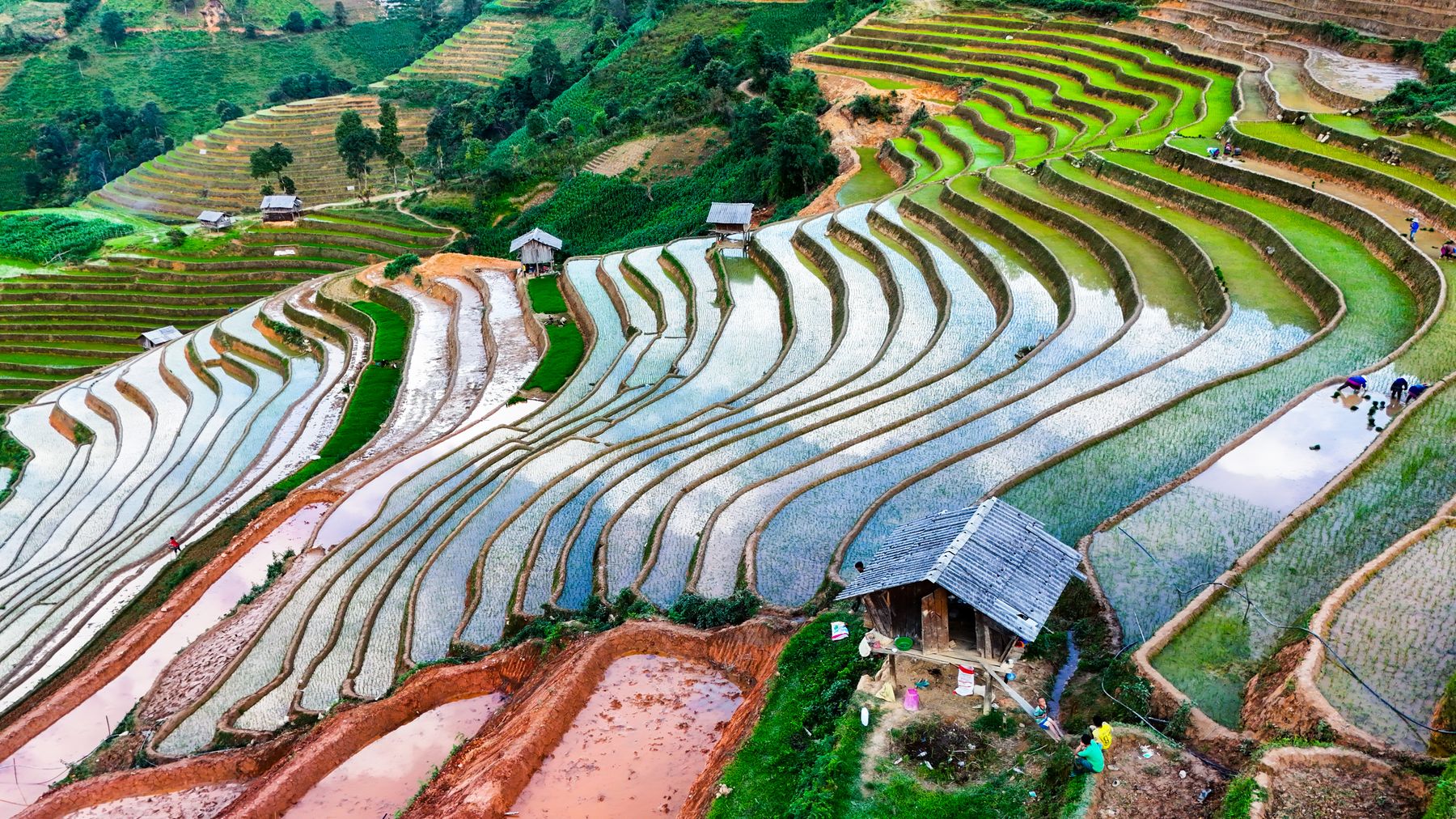
Photo by GIANG VU on Pexels
How to get there
From Hanoi
The most common route: Hanoi → Son Tay → Highway 32 through Nghia Lo → Tu Le → Khau Pha. Total distance is roughly 280 km. On a motorbike, budget 7-9 hours with stops. By car or private driver, 6-7 hours.
There's no direct bus to Khau Pha itself, but overnight sleeper buses run Hanoi → Mu Cang Chai (departing from My Dinh bus station, around 250,000-300,000 VND). From Mu Cang Chai town, you'd need a xe om or rented bike to actually ride the pass.
From Sapa
Sapa to Mu Cang Chai via Than Uyen is about 150 km. The road condition varies — some sections are freshly paved, others are gravel patches from recent landslides. Allow a full day if you want to stop and actually see things.
Renting a motorbike
Most riders pick up a Honda XR 150 or Win in Hanoi (350,000-500,000 VND/day for a semi-auto; 600,000-800,000 for a manual adventure bike). If you're not confident on mountain roads, hiring a local driver-guide from Mu Cang Chai costs around 800,000-1,200,000 VND per day including the bike.
What to do
- Ride the pass slowly. Stop at the summit viewpoint (marked by a large sign and usually a few parked tourist buses). The panorama of terraced valleys on both sides is the signature shot.
- Walk the terraces. Park near La Pan Tan village and walk the paths between paddies. No entrance fee, but stay on the raised earth walls — don't trample crops.
- Tu Le hot springs. At the base of the pass on the eastern side, Tu Le has natural hot springs and a few basic bathhouses. Good for sore legs after a long ride. Entry around 30,000-50,000 VND.
- Paragliding. During rice season, operators offer tandem paragliding flights from the pass summit over the terraces. Runs about 1,500,000-2,500,000 VND per flight depending on duration.
Where to eat
Don't expect restaurant rows. Your options:
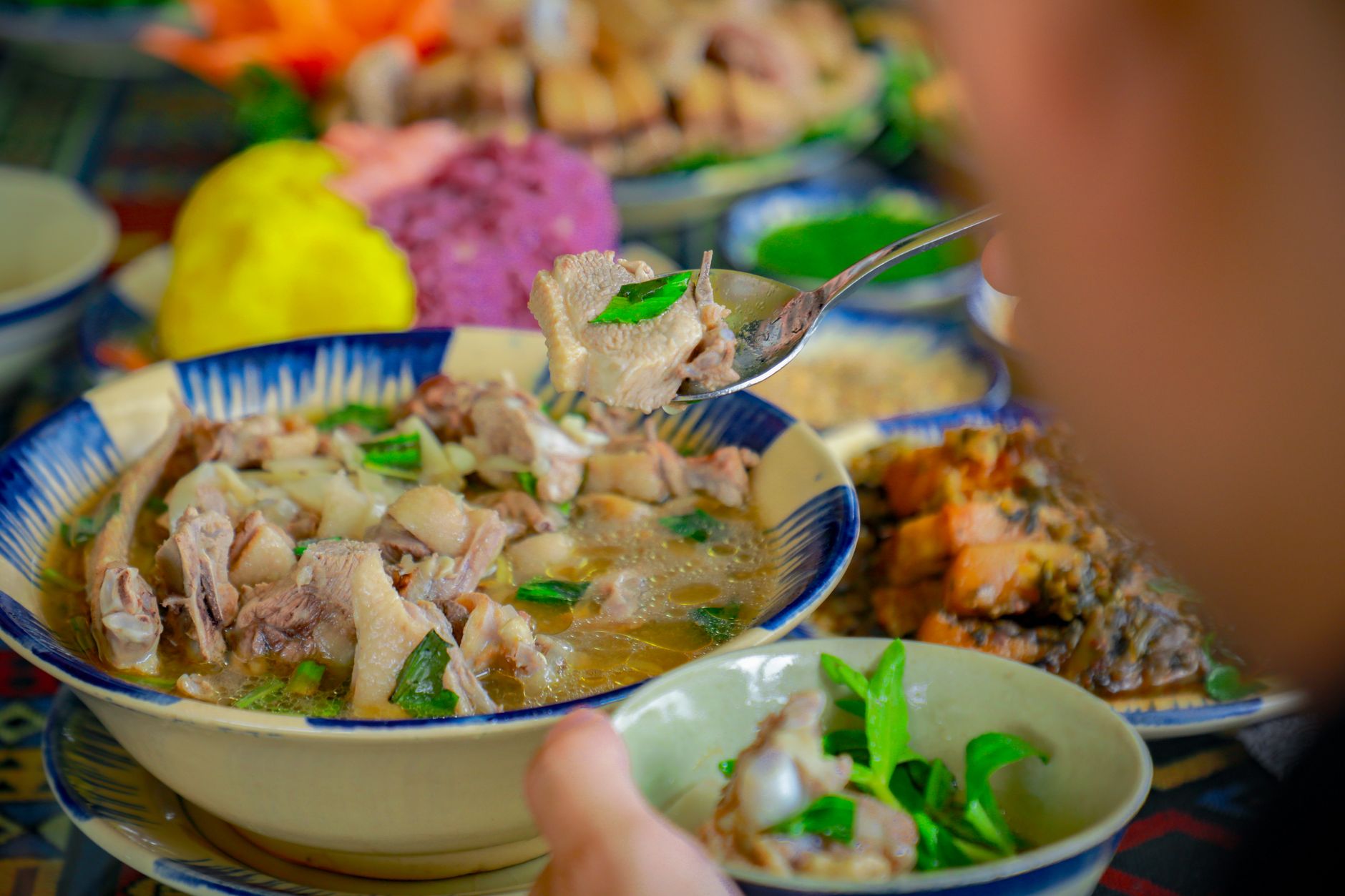
- Tu Le: "Com lam" (bamboo-tube sticky rice) and grilled stream fish are the local specialties. Small roadside com binh dan joints serve rice plates for 40,000-60,000 VND. Try the "xoi ngu sac" (five-color sticky rice) — it's dyed with natural plant extracts and tastes faintly herbal.
- Mu Cang Chai town: A handful of local restaurants along the main road. Lau (hotpot) with pork and local greens is the default dinner. A pot for two runs 150,000-200,000 VND.
- Homestays often include dinner — typically home-cooked Hmong or Thai dishes, corn wine included.
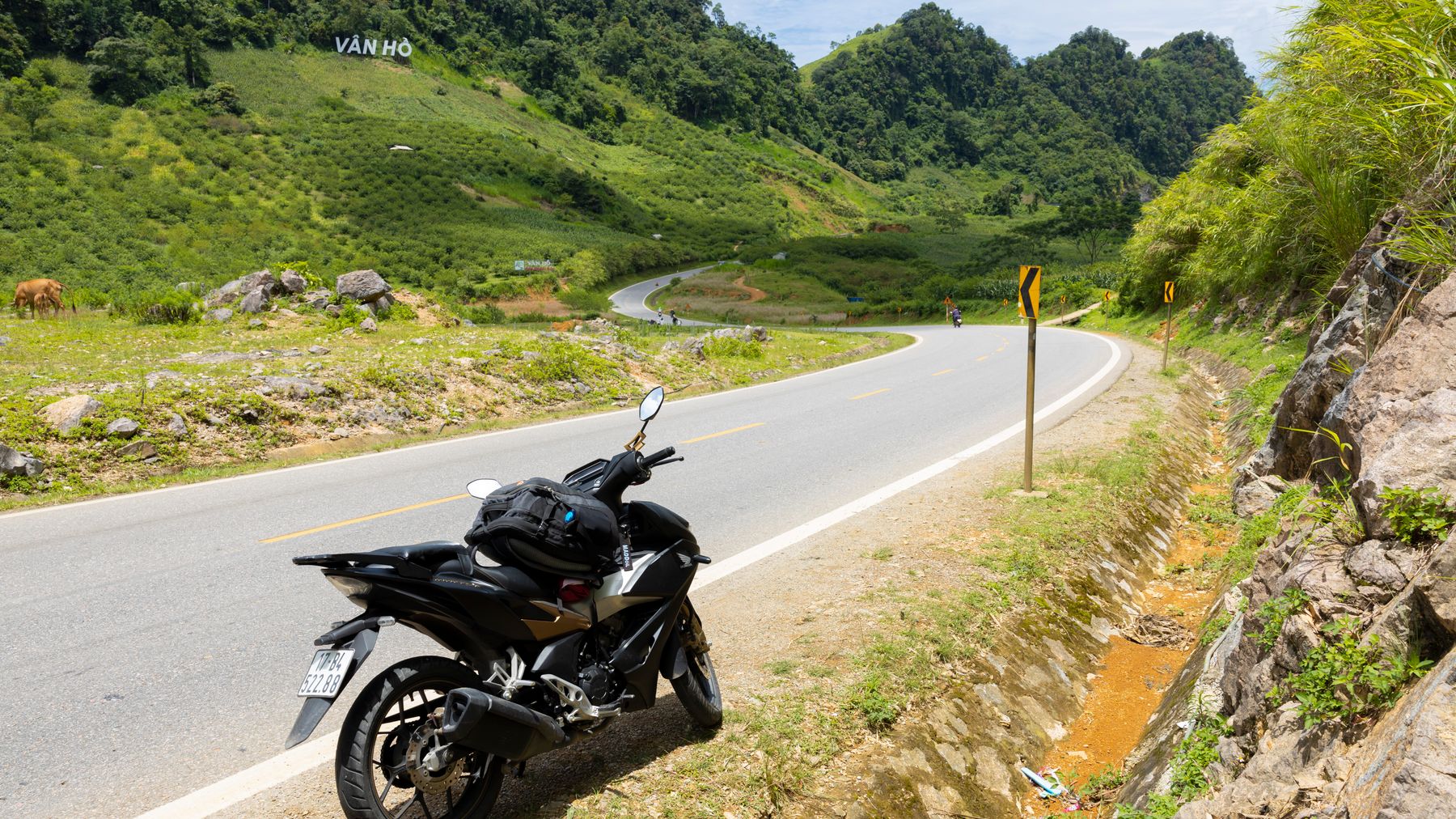
Photo by HONG SON on Pexels
Where to stay
- Mu Cang Chai: A few guesthouses and newer boutique homestays have opened along the valley. Expect 300,000-600,000 VND/night for a private room with hot water. "Mu Cang Chai Eco Lodge" and "Pu Luong-style" wooden stilt houses are the more comfortable options.
- Tu Le: Basic but clean guesthouses around 200,000-350,000 VND. The hot springs area has a couple of resorts pushing 800,000-1,200,000 VND.
- Homestays in La Pan Tan or Che Cu Nha: Simple mattress-on-floor setups, shared bathroom, dinner and breakfast included. Around 250,000-400,000 VND per person. The experience beats the comfort.
Common mistakes
- Rushing through. Most riders treat Khau Pha as a connector between Nghia Lo and Mu Cang Chai. Spend at least one night — the light at sunrise over the terraces is completely different from midday.
- Riding in flip-flops. The road is good tarmac but steep. Gravel patches appear without warning after rain. Closed shoes, always.
- No rain gear. Weather shifts in 20 minutes at altitude. A 15,000 VND plastic poncho from any roadside shop saves a miserable hour.
- Arriving in peak rice season without a booking. Mu Cang Chai has limited beds. During the harvest festival week, everything fills up. Book 2-3 weeks ahead or plan to sleep in Tu Le instead.
Practical notes
Fuel up in Tu Le or Mu Cang Chai — there's nothing on the pass itself. Phone signal (Viettel works best up here) cuts in and out along the summit section. Carry cash; no ATMs exist between Nghia Lo and Mu Cang Chai town. The pass is rideable year-round, but landslides occasionally close sections during heavy August rains — check local Facebook groups or ask your homestay host before heading out.
Last updated · May 29, 2026 · independently researched, never sponsored.