What Hang Coc Bo Is and Why It Matters
Hang Coc Bo — literally "Coc Bo Cave" — is a small limestone cave in Pac Bo commune, Ha Quang district, about 55 km north of Cao Bang city. This is where Ho Chi Minh (호치민 / 胡志明 / ホーチミン) lived and worked after returning to Vietnam in February 1941, following 30 years abroad. He stayed in and around this cave for several weeks, using it as a base while organizing revolutionary activities.
The cave itself is modest. It's not a vast cavern or a dramatic geological formation. It's a low, narrow opening in a karst hillside overlooking a stream that Ho Chi Minh named "Lenin Stream" and a nearby peak he called "Karl Marx Mountain." The names remain on maps and signage today. A small museum and memorial area sit near the entrance, displaying photographs and artifacts from the period.
For Vietnamese visitors, Coc Bo is deeply significant — it's a pilgrimage site taught in every school textbook. For foreign travelers, it's a window into 20th-century Vietnamese history set in genuinely beautiful countryside that few tourists reach.
Why Travelers Go
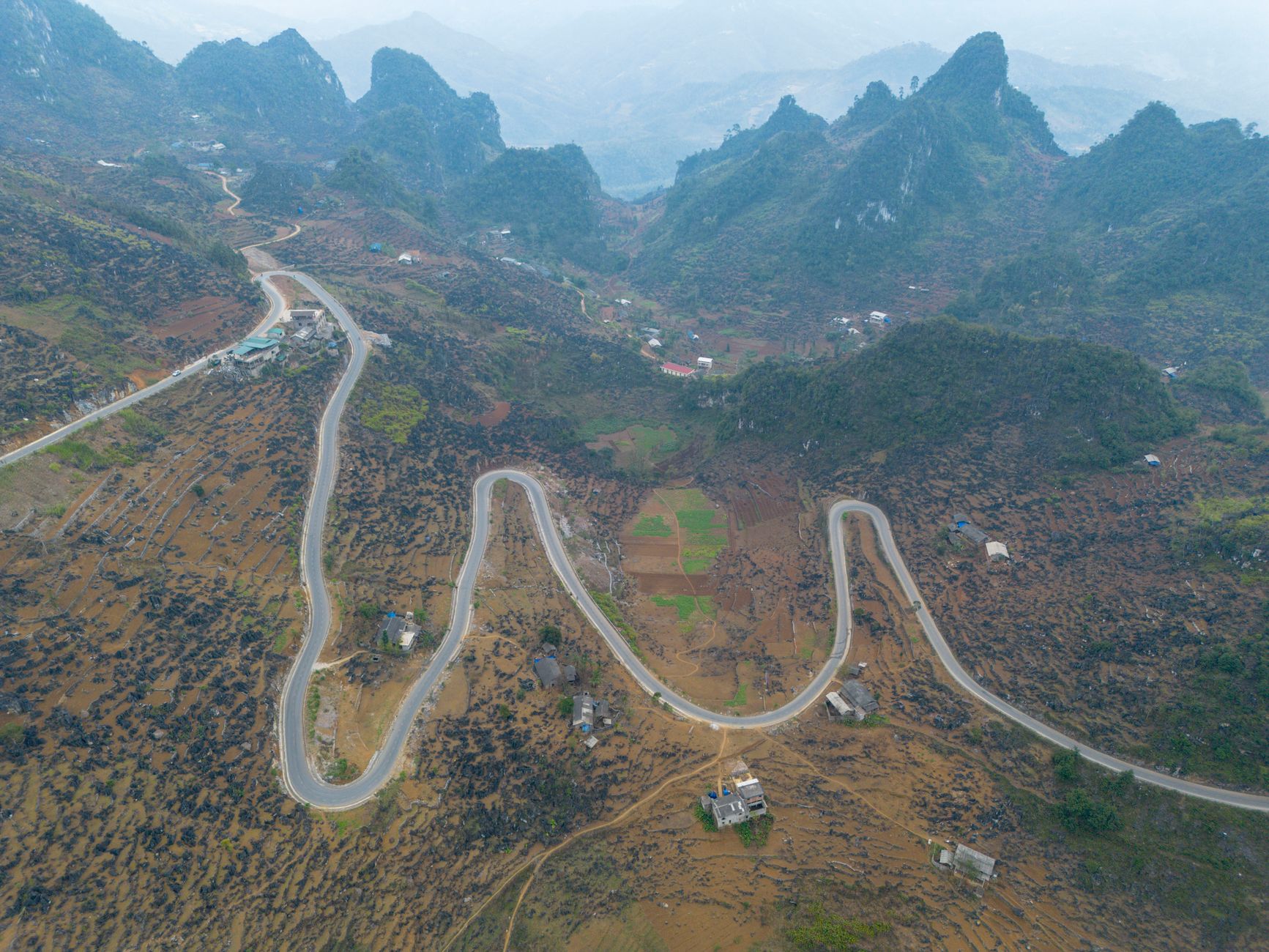
Cao Bang province sits in Vietnam (베트남 / 越南 / ベトナム)'s far northeast, and most travelers who make it here are already exploring the region's limestone landscapes, ethnic minority villages, and the spectacular Ban Gioc Waterfall. Coc Bo Cave adds a historical layer to the trip. The drive from Cao Bang city takes you through quiet valleys with rice paddies pressed between karst towers — scenery that rivals Ha Giang without the motorbike traffic.
The site appeals to history-minded travelers and anyone curious about how Vietnam's modern story began. It's also refreshingly uncommercialized. There's no theme park atmosphere. You walk through a forest, see the cave, read some plaques, and sit by the stream. That simplicity is the draw.
Best Time to Visit
September through November is ideal. The summer rains have tapered off, the rice terraces in the surrounding valleys are green or golden depending on the harvest cycle, and temperatures are comfortable — mid-20s Celsius during the day. December through February gets cold up here, sometimes dropping to 5–8°C at night, and fog can limit visibility on the mountain roads. March to May is pleasant but drier, with less dramatic landscapes. Avoid June through August if you dislike rain; the roads to Pac Bo can get muddy and the stream floods.
How to Get There
The nearest major hub is Cao Bang city, which is your staging point.
Hanoi to Cao Bang: The most common route is by bus from My Dinh bus station in Hanoi. Several operators run daily services (around 270 km, 6–7 hours). Expect to pay 200,000–280,000 VND for a standard seat. There's no train line. Driving a motorbike from Hanoi is possible via National Road 3 or the newer highway through Bac Kan — a solid day's ride.
Cao Bang city to Coc Bo Cave: The cave is 55 km north of Cao Bang, about 1.5 hours by motorbike or car. You can hire a "xe om" (motorbike taxi) for roughly 300,000–400,000 VND round trip including waiting time, or rent a motorbike in Cao Bang city for 120,000–150,000 VND per day. The road is paved and in decent shape, though narrow in places. If you're visiting Ban Gioc Waterfall, Coc Bo is often combined into the same day or a two-day loop.

Photo by Ákos Helgert on Pexels
What to Do
Walk the Cave and Memorial Trail
The main path takes you from the parking area through a forested trail to the cave entrance, Lenin Stream, and the Karl Marx Mountain viewpoint. The walk is easy — maybe 30 minutes at a relaxed pace. Inside the cave, there's a stone slab where Ho Chi Minh reportedly slept and a flat rock he used as a desk. Signage is in Vietnamese and English.
Visit the Pac Bo Museum
A small museum near the site entrance displays photographs, documents, and personal items from 1941. It won't take more than 20–30 minutes, but it provides context that makes the cave visit more meaningful. Free entry; the cave complex itself charges a modest 20,000 VND admission.
Explore the Surrounding Karst Landscape
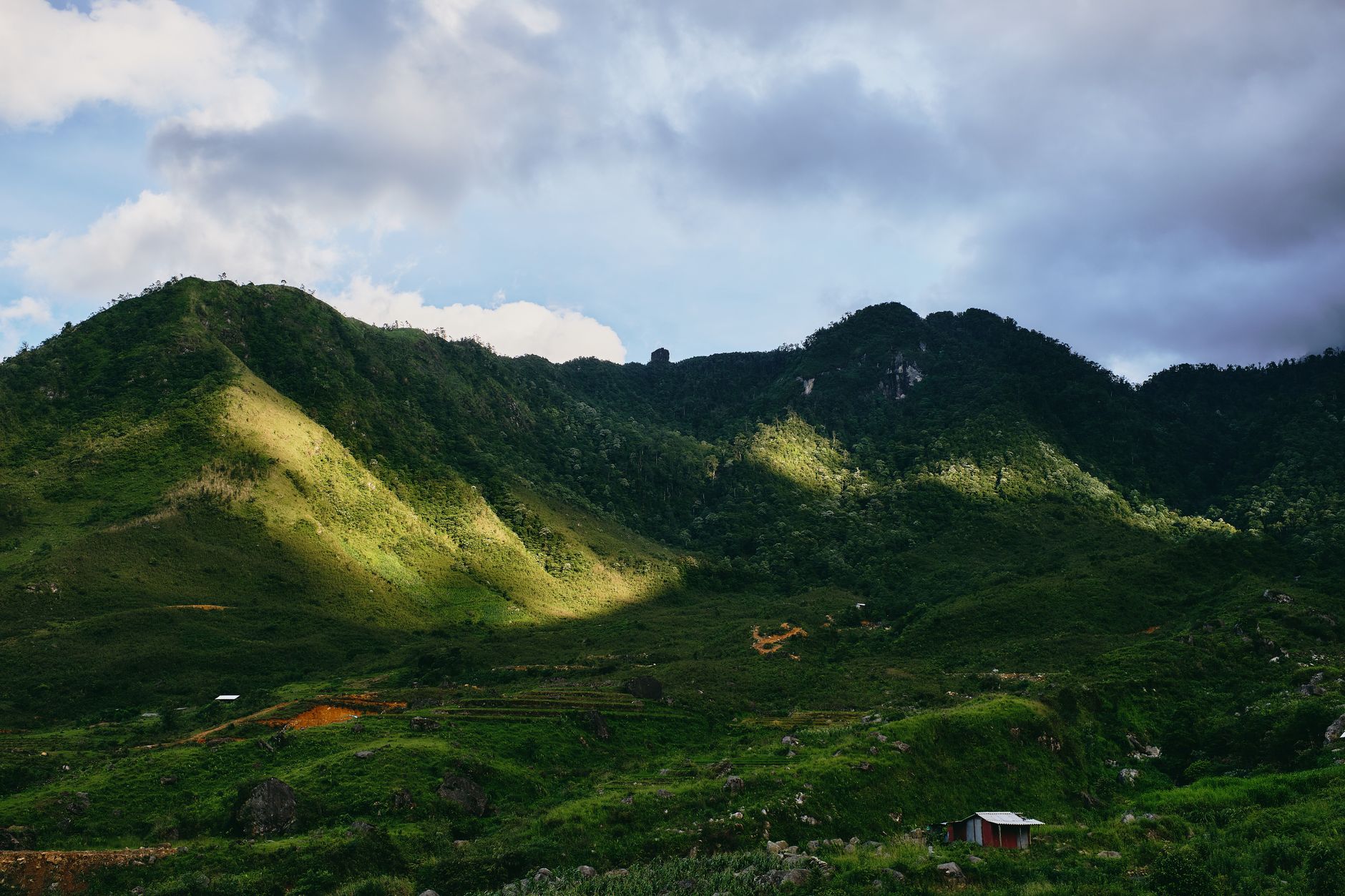
The valley around Pac Bo commune is classic northeast Vietnam — vertical limestone walls, narrow streams, bamboo groves. Walk beyond the memorial area and you'll find trails along the stream and into the hills. It's quiet and largely untouched by tourism infrastructure.
Combine with Ban Gioc Waterfall
Ban Gioc is about 90 km northeast of Cao Bang city, and most travelers pair Coc Bo Cave with the waterfall in a two-day trip. The waterfall is Vietnam's largest by width, and the road there passes through Trung Khanh district — good scenery, small Tay and Nung minority villages, and roadside sugarcane fields.
Talk to Local Residents
Pac Bo commune is home to Tay and Nung ethnic communities. People here are welcoming but not used to heavy tourist traffic. A few words in Vietnamese — or even just a smile and a wave — go a long way. If you speak some Vietnamese, asking about local life yields more interesting conversation than anything in the museum.
Where to Eat Nearby
There's not much at the cave site itself — a couple of basic food stalls selling noodle soup and drinks. Eat properly in Cao Bang city before or after your visit.
Cao Bang's signature dish is "pho chua" — sour noodles served cold with roasted duck, pork, and crispy rice paper, tossed in a tangy sauce. It's nothing like the "pho" you know from Hanoi. Look for it at small shops around Cao Bang market. A bowl runs 30,000–40,000 VND. Also try "banh cuon" here — the local version uses buckwheat and has a slightly different texture than the Hanoi style. Street stalls near the central market serve it in the mornings for 20,000–25,000 VND.
Where to Stay
Cao Bang city has a range of guesthouses and small hotels. Budget places along the main streets run 200,000–350,000 VND per night for a clean room with air conditioning and hot water. Mid-range hotels with better beds and breakfast included go for 500,000–800,000 VND. There are no international-brand hotels here. Homestays in the countryside around Pac Bo or Trung Khanh are available but require some advance arrangement — ask at your hotel or a local tour operator in Cao Bang city.

Photo by Quang Nguyen Vinh on Pexels
Practical Tips Locals Would Tell You
- Bring cash. There are ATMs in Cao Bang city, but nothing near Pac Bo. Card payment is essentially nonexistent outside the city.
- Wear proper shoes. The trail to the cave is short but can be slippery after rain. Sandals will work in dry weather, but sneakers are smarter.
- Start early. Leave Cao Bang by 7:00–7:30 AM if you're combining Coc Bo with Ban Gioc in one day. The roads are slower than the distance suggests.
- Fuel up in Cao Bang. There are a couple of petrol stations on the road to Pac Bo, but don't count on them being open or stocked.
Common Mistakes to Avoid
- Skipping Coc Bo because you've heard it's "just a cave." The cave is small, yes. But the setting is the real payoff — the valley, the stream, the forest trail. If you're already in Cao Bang, it's worth the detour.
- Only budgeting one day for Cao Bang province. People rush up from Hanoi, see Ban Gioc, and rush back. Two or three nights in the area lets you see Coc Bo, Ban Gioc, Nguom Ngao Cave, and some of the countryside without spending your whole trip in a vehicle.
- Expecting English signage or guides. English is limited. Download offline Vietnamese translation on your phone, or hire a local guide through your hotel in Cao Bang.
Practical Notes
Coc Bo Cave is open daily, typically 7:00 AM to 5:00 PM. Admission is 20,000 VND. The site is busiest on weekends and Vietnamese public holidays — especially around Tet and national commemoration days. Visit on a weekday morning and you may have the place largely to yourself.
Last updated · May 29, 2026 · independently researched, never sponsored.