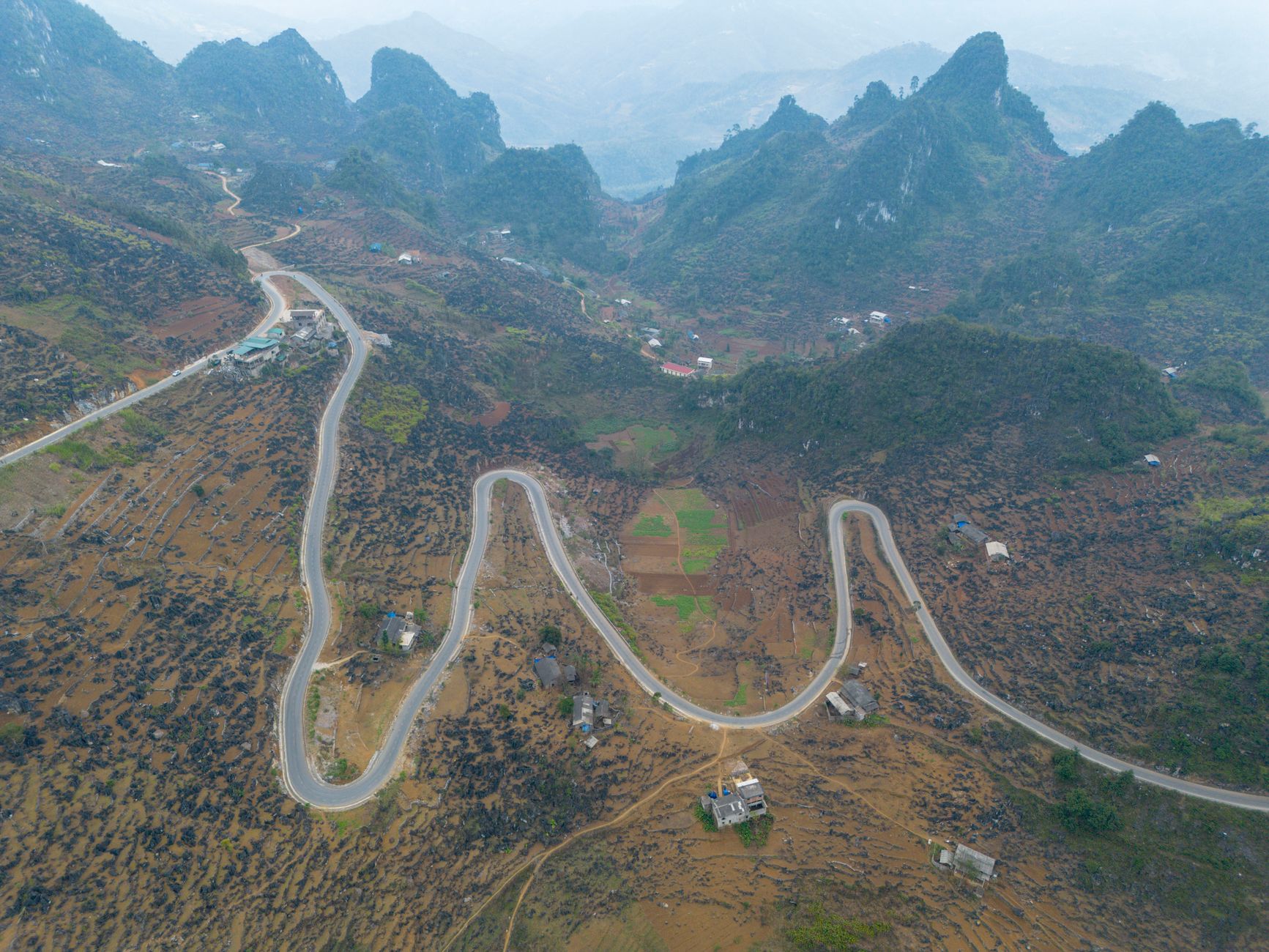
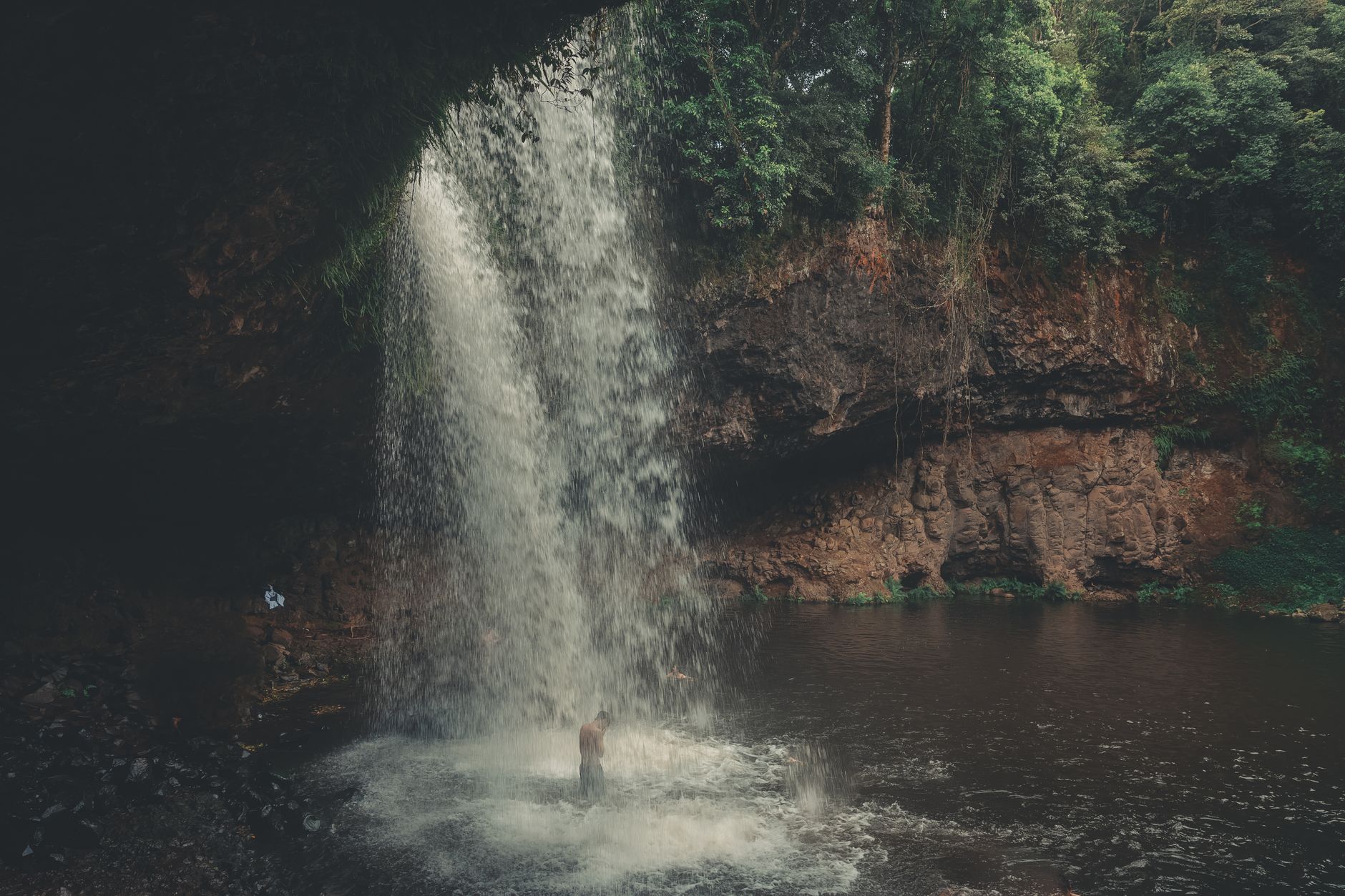
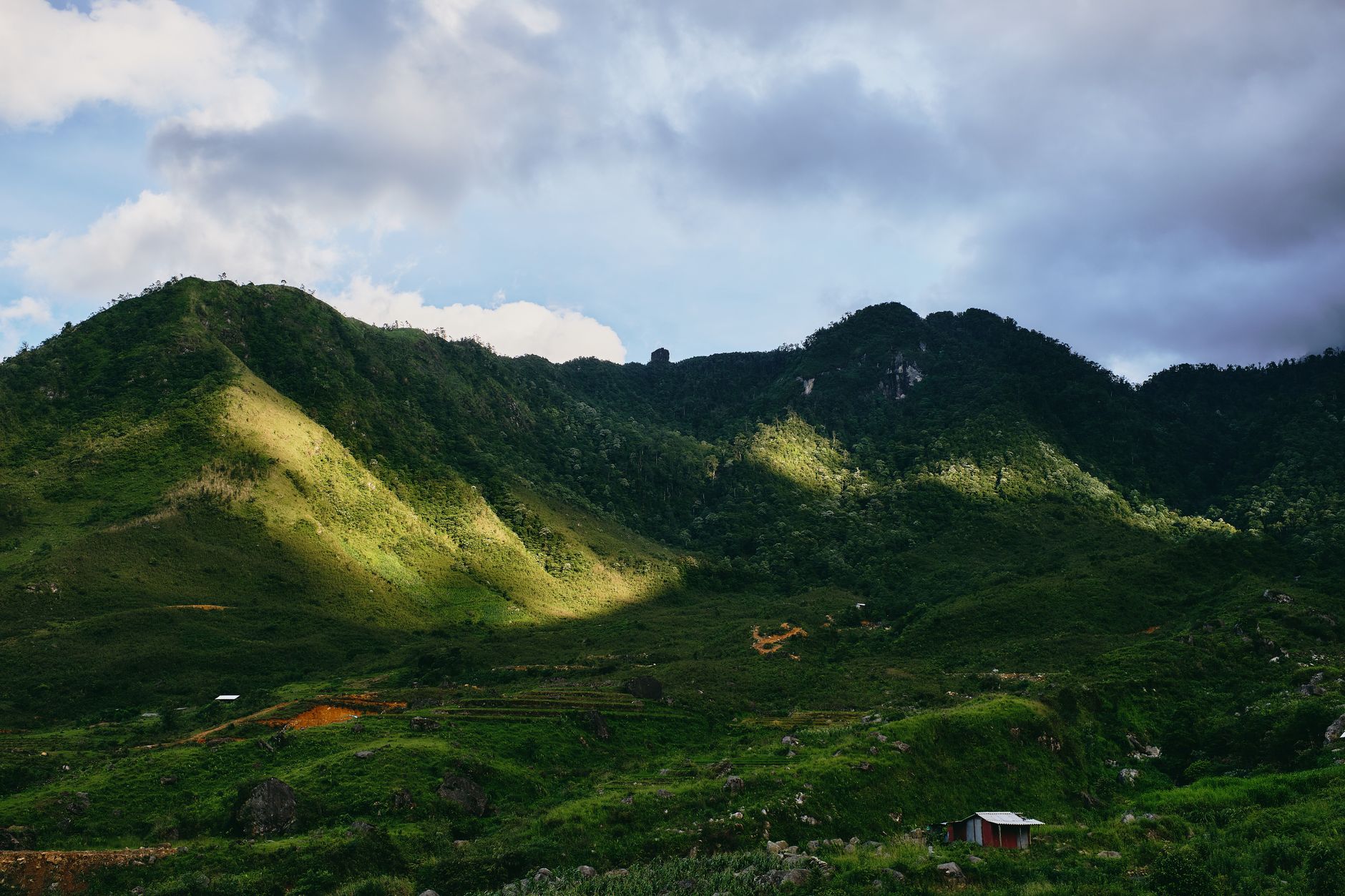
Ho Ban Viet sits in a limestone valley about 25 km from Cao Bang city, a freshwater lake ringed by karst hills and rice paddies that feels genuinely removed from anywhere. It doesn't appear on most tourist itineraries, and that's a large part of why it's worth the detour.
What it is
Ho Ban Viet is a natural lake formed by a depression in the karst landscape typical of Cao Bang province. The water is calm, shallow at the edges, and changes color depending on the season — pale green during dry months, deeper blue-green after the rains. Surrounding it are small Tay and Nung ethnic minority villages where daily life still revolves around rice farming and livestock. There's no ticket booth, no tourist infrastructure to speak of, and no crowds. It's a place you go to slow down.
Cao Bang province itself sits in the far northeast of Vietnam, bordering China and known primarily for Ban Gioc Waterfall. Ho Ban Viet doesn't get that kind of attention, but for travelers already making the long trip north, it adds a worthwhile half-day or full day to the route.
Why travelers go
The draw is simple: landscape and quiet. The lake reflects the surrounding karst peaks in a way that changes hour by hour, and the villages nearby haven't been reshaped by tourism. You can walk along the edges of the lake, sit with local families, and hear almost nothing except birds and water buffalo. Photographers come for the early morning mist that rolls off the hills and settles over the water. Others come because they've already done Ha Giang and Sapa and want somewhere with fewer motorbikes on the road.
If you've spent time in Ninh Binh (닌빈 / 宁平 / ニンビン) or Ha Long Bay and enjoyed the karst scenery but not the tour groups, Ho Ban Viet offers a similar geological drama without the infrastructure.
Best time to visit
The sweet spot is September through November, when the rice terraces around the lake turn golden before harvest and the rain tapers off enough for clear mornings. The mist effect is strongest in October. December through February can be cold — genuinely cold, not Hanoi cold — with temperatures dropping to 5-8°C at night. March through May is pleasant but drier, so the landscape is less green. June through August brings heavy rain; the lake swells, roads can get muddy, and some dirt tracks become difficult on a motorbike.
How to get there
Cao Bang city is the main hub. From Hanoi (하노이 / 河内 / ハノイ), you have two options:
- Bus: Sleeper buses run from My Dinh bus station to Cao Bang city, taking about 7-8 hours. Tickets run 250,000-350,000 VND depending on the operator. Several departures daily, mostly evening.
- Motorbike: The ride from Hanoi to Cao Bang is roughly 270 km and takes a full day if you're not rushing. Many riders combine it with a Ha Giang loop, swinging east through Bao Lac.
From Cao Bang city to Ho Ban Viet, it's about 25 km — roughly 40 minutes by motorbike on a mix of paved road and village lanes. You can rent a motorbike in Cao Bang city for 150,000-200,000 VND per day. There's no regular public transport to the lake itself, so a motorbike or hired car (around 500,000-700,000 VND for a half-day with driver) is necessary.

Photo by Vietnam Hidden Light on Pexels
What to do
Walk the lake circuit
A dirt path traces most of the lake's perimeter, passing through small hamlets and rice fields. The full loop takes about 90 minutes on foot at a relaxed pace. Wear shoes with grip — sections get slippery after rain. Early morning, before 8 AM, is when the light is best and the mist hasn't burned off.
Visit Tay and Nung villages
The settlements around Ho Ban Viet are home to Tay and Nung ethnic minority families. Stilt houses, small gardens, ducks wandering the paths. If you're respectful and not intrusive, people are generally welcoming. Some families sell local honey and dried herbs. A few words of Vietnamese — even just "xin chao" — go a long way here, since almost nobody speaks English.
Kayak or raft on the lake
Some local families have simple bamboo rafts you can use, sometimes for a small fee of 50,000-100,000 VND. Don't expect a rental counter — this is informal. Paddling out to the center of the lake in the early morning quiet is one of the better experiences you'll have in Cao Bang.
Combine with Ban Gioc Waterfall
Ban Gioc is about 85 km north of Cao Bang city. Most travelers doing Ho Ban Viet are already en route to or from the waterfall, so it makes sense to combine both into a two-day trip from Cao Bang city.
Photograph the rice terraces
The paddies surrounding the lake are tiered into the hillsides. During harvest season (late September to October), they turn a warm gold that contrasts with the green karst hills. Sunrise and the hour before sunset are prime shooting windows.
Where to eat nearby
There are no restaurants at the lake. Eat in Cao Bang city before or after your visit. Two things to look for:
- "Banh cuon" Cao Bang style — thinner than the Hanoi version, served with a pork and wood ear mushroom filling and a lighter dipping sauce. Several shops along Vuon Cam street in Cao Bang city serve it for 25,000-35,000 VND a plate.
- Roast duck with "mac mat" pepper — a Cao Bang specialty. "Mac mat" is a local forest pepper with a sharp, citrusy heat. Look for com binh dan (rice shops) near the central market. A full plate with rice runs about 50,000-60,000 VND.
Bring snacks and water to the lake. There are no shops along the trail.
Where to stay
Stay in Cao Bang city, where options range from basic guesthouses (200,000-350,000 VND/night) to mid-range hotels with hot water and Wi-Fi (400,000-700,000 VND/night). There are a couple of homestays in villages near the lake, but availability is unpredictable — ask at your hotel in Cao Bang city or check with local motorcycle guides.
If you're heading to Ban Gioc afterward, some travelers stay in Trung Khanh town, which is closer to the waterfall and has a few decent guesthouses in the 300,000-500,000 VND range.

Photo by Hiếu Vũ Vlog on Pexels
Practical tips locals would tell you
- Bring layers. Even in October, mornings at the lake are cool, especially on the water. A light fleece or windbreaker is worth packing.
- Fill your fuel tank in Cao Bang city. Fuel stations thin out quickly outside town, and the road to the lake has none.
- Cash only. No ATMs near the lake. The last reliable ATMs are in Cao Bang city center.
- Respect the villages. Ask before photographing people. Don't walk into homes uninvited. This isn't a tourism zone — it's where people live.
- Download offline maps. Google Maps coverage is patchy. Maps.me or the offline function in Google Maps with pre-downloaded Cao Bang region tiles will save you from wrong turns.
Common mistakes to avoid
- Arriving midday. The lake loses most of its atmosphere under flat noon light. Plan for early morning or late afternoon.
- Expecting facilities. No toilets, no cafes, no ticket office. Pack what you need.
- Underestimating the road. The last few kilometers involve narrow village lanes. If it's rained recently, a semi-automatic scooter with small wheels can struggle. A Honda XR or Wave handles it better than a Vespa-style automatic.
- Treating it as a quick stop. Rushing through in 30 minutes misses the point. Give yourself at least two or three hours to walk, sit, and absorb the place.
Practical notes
Ho Ban Viet works best as part of a broader Cao Bang trip — pair it with Ban Gioc Waterfall and the drive through Phuc Sen blacksmith village for a solid two to three days in the province. From Cao Bang, you can also loop west toward Ha Giang for one of the best motorbike routes in northern Vietnam. The lake itself costs nothing and asks nothing of you except time.
Last updated · May 29, 2026 · independently researched, never sponsored.