What Ho Dai Lai actually is
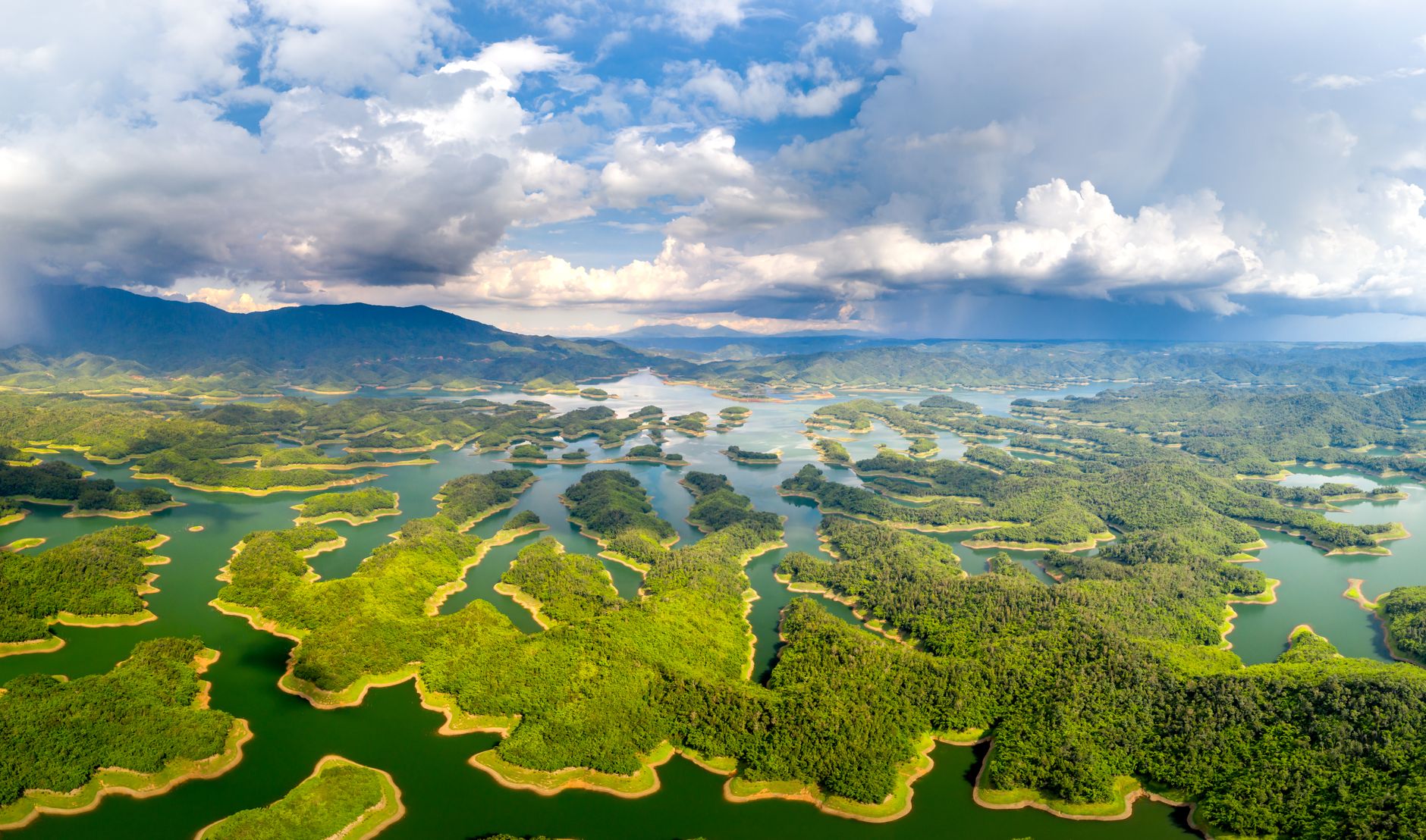
Ho Dai Lai is a man-made reservoir built in the early 1960s, sitting in a valley flanked by low hills in Phu Tho province, about 45 km northwest of central Hanoi. The lake covers roughly 525 hectares when full, fed by streams draining the forested ridges around Ngoc Thanh commune. It was originally an irrigation project, but over the decades the area quietly became one of Hanoi's closest countryside getaways — mostly frequented by Vietnamese families and the occasional office retreat group.
You won't find Ho Dai Lai in most English-language guidebooks. That's part of what makes it worth knowing about. The lake sits at an elevation just high enough — around 80 meters — that temperatures drop a few degrees compared to the capital, and the surrounding pine and eucalyptus plantations give the air a noticeably cleaner feel once you leave the highway.
Why travelers go
The short answer: proximity and quiet. Ho Dai Lai is close enough to Hanoi (하노이 / 河内 / ハノイ) for a day trip but has enough breathing room to feel like you've left the city behind. There are no major historical monuments, no UNESCO sites, no lines. People come here to kayak on flat water, cycle through empty roads between pine stands, or sit in a lakeside hammock and do very little.
If you're spending a week or more in Hanoi and want a break from the Old Quarter noise without committing to the longer trip up to Sapa or out to Ha Long Bay, Dai Lai fills that gap well. It also pairs naturally with a visit to the Hung Kings Festival temple complex in Viet Tri, about 50 km further northwest, if you're in the area during the spring festival season.
Best time to visit
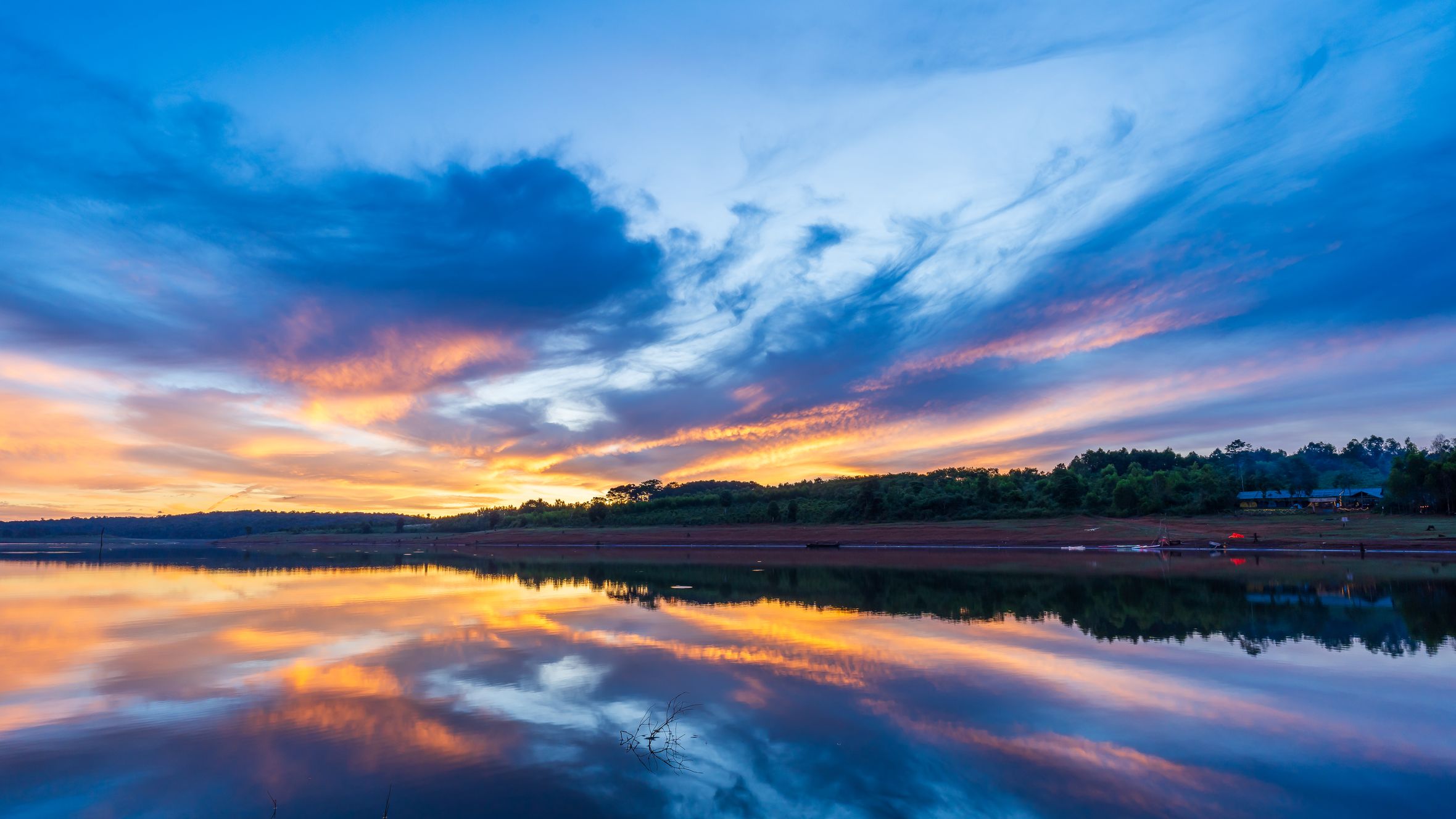
The sweet spot is October through April. Skies are clearer, humidity drops, and the lake level is usually stable enough for water activities. November and December mornings can bring a thin mist over the water that burns off by 9 AM — genuinely atmospheric without needing to exaggerate.
Avoid July and August if you can. Summer storms fill the reservoir fast and the surrounding trails get muddy. Weekends year-round bring more Vietnamese day-trippers, so if you prefer quiet, aim for a Tuesday or Wednesday.
How to get there from Hanoi
From central Hanoi, take the Noi Bai expressway heading north past the airport. At the Phuc Yen exit, follow signs toward Ngoc Thanh. Total drive time is about 45-60 minutes depending on traffic.
By motorbike: The most flexible option. Rental bikes in Hanoi run 150,000-200,000 VND/day. The road from Phuc Yen to the lake is paved and mostly two-lane — straightforward riding.
By car (Grab or private): A Grab car from Hanoi Old Quarter runs roughly 350,000-500,000 VND one way. Book the return in advance or keep your driver's number — ride-hail availability drops sharply out here.
By bus: Local buses run from My Dinh station to Phuc Yen (about 30,000 VND), but you'll still need a xe om or taxi for the last 15 km to the lake. Not ideal unless you're on a tight budget and don't mind the extra logistics.

Photo by ㅤ quang vinh ㅤ on Pexels
What to do
Kayak or pedal boat on the lake
Several spots along the southern shore rent kayaks (80,000-120,000 VND/hour) and pedal boats (100,000-150,000 VND/hour). The lake is calm — no motorboat traffic to speak of — so even beginners can paddle out comfortably. Early morning is best, before the wind picks up.
Cycle the lake loop
A rough loop around the reservoir runs about 15 km on a mix of paved road and packed dirt tracks. Some resorts rent basic bicycles for 50,000 VND/half day. The northern stretch passes through eucalyptus groves with almost no traffic — a good stretch to take slowly.
Hike the pine hills east of the dam
The low ridgeline east of the dam wall has informal trails through pine plantations. Nothing technical — more of a forest walk — but it gives you an elevated view over the full lake. Allow about 90 minutes for a comfortable out-and-back from the dam.
Flamingo Dai Lai Resort grounds
Even if you're not staying at Flamingo (the large resort on the southern shore), you can often access the public areas, restaurants, and pool for a day-use fee. The architecture — designed by a Vietnamese firm with open-air pavilions over the waterfront — is worth seeing on its own. Check at reception; day rates vary seasonally but hover around 200,000-300,000 VND.
Camp by the water
Vietnamese outdoor groups have been setting up lakeside camps on the northern shore for years. There are no formal campsites, so bring everything you need and pack out your trash. Flat grassy patches near the water's edge work well for two-person tents. No permits required as of writing, but don't be surprised if a local guard asks what you're doing — a friendly explanation usually sorts it.
Where to eat nearby
The lake area itself has limited food options beyond resort restaurants. For something with more character, stop in Phuc Yen town on your way in or out.
Look for "com binh dan" (everyday rice plates) shops along the main road through Phuc Yen — 35,000-50,000 VND gets you rice with two or three dishes. If you spot a place grilling "nem chua" (fermented pork rolls) over charcoal, pull over. Phu Tho province is known for this snack — tangy, slightly sour, wrapped in banana leaf — and it's noticeably better here than the packaged versions sold in Hanoi.
For something more substantial, the floating restaurants on the lake's southern bank serve reservoir fish (ca nuong, grilled whole) and local greens. Expect 150,000-250,000 VND per person for a proper meal with beer.
Where to stay
Budget (under 500,000 VND/night): A few "nha nghi" guesthouses in Ngoc Thanh commune offer basic rooms — fan, hot water, not much else. Fine for one night.
Mid-range (800,000-1,500,000 VND): Smaller lakeside homestays and mini-hotels have popped up along the access road. Rooms are clean, some have balconies facing the water. Book ahead on weekends.
Upscale (2,500,000+ VND): Flamingo Dai Lai Resort is the main high-end option — pool villas, spa, multiple restaurants. Rates jump significantly on weekends and holidays.
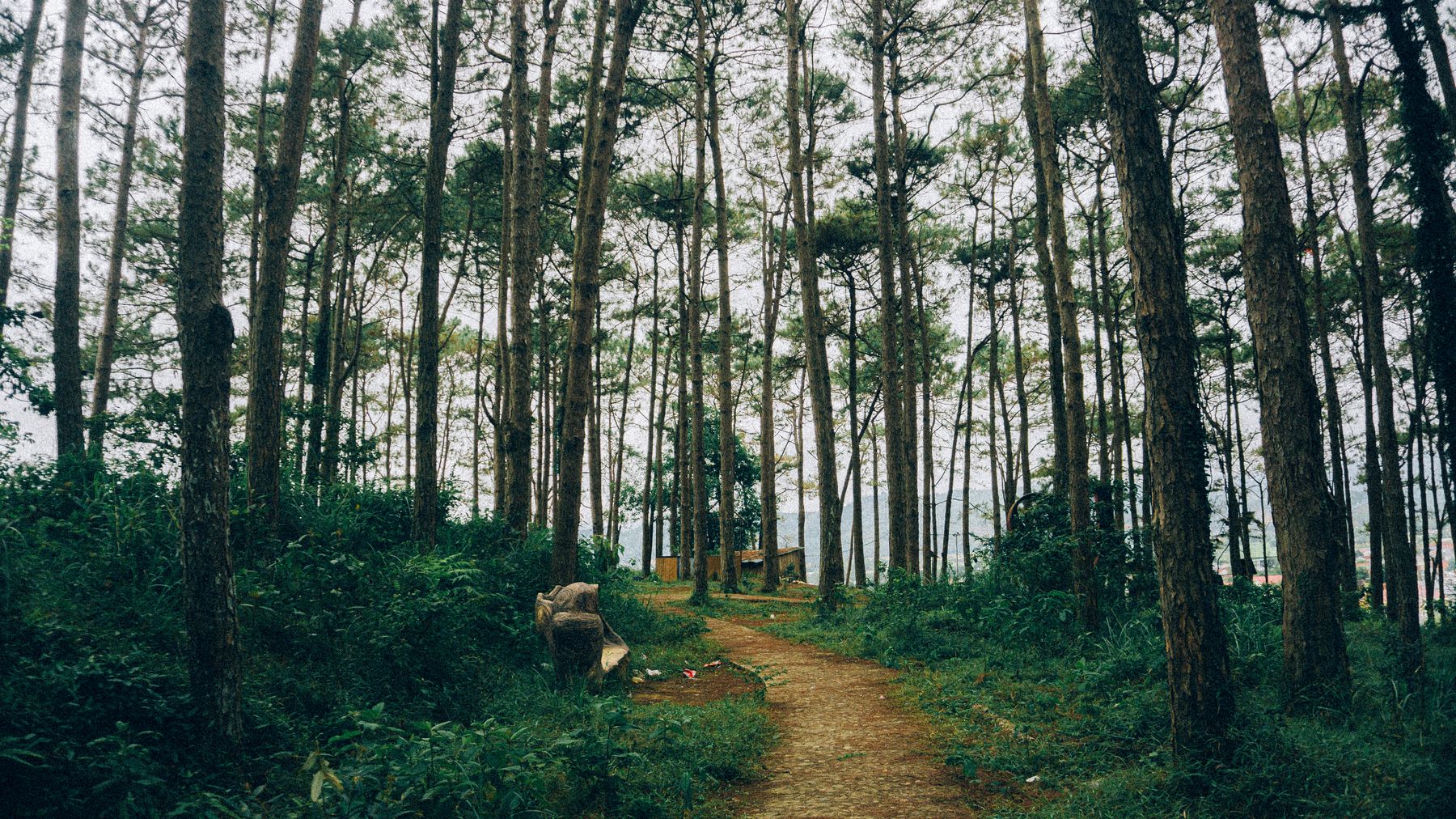
Photo by Tài Nguyễn Văn on Pexels
Practical tips locals would tell you
- Bring cash. ATMs exist in Phuc Yen but not at the lake itself. Card acceptance is limited to the resort.
- Sunscreen and a hat matter. The lake reflects hard, and there's little shade on the water. You'll burn faster than you expect.
- Fill your fuel tank in Phuc Yen. The last reliable petrol station is in town.
- Mosquito repellent after 4 PM. The tree cover and standing water mean the evenings get bitey, especially near the northern shore.
Mistakes to avoid
- Coming on a Saturday expecting solitude. Weekend crowds from Hanoi are real, especially from April through June. Midweek visits are a different experience entirely.
- Relying on Grab for the return trip. Drivers cancel frequently out here. Arrange transport before you arrive or keep a local taxi number (ask your accommodation).
- Skipping Phuc Yen town. Most people drive straight to the lake and miss the better food options along the way. Budget 30 minutes for a stop.
Practical notes
Ho Dai Lai works best as an overnight trip from Hanoi or a half-day stop on a longer route toward Viet Tri and the Hung Kings temples. It's not a destination that demands three days — but it's an honest, low-key escape that rewards you for not needing every day of your trip to be packed with sights.
Last updated · Sep 20, 2026 · independently researched, never sponsored.