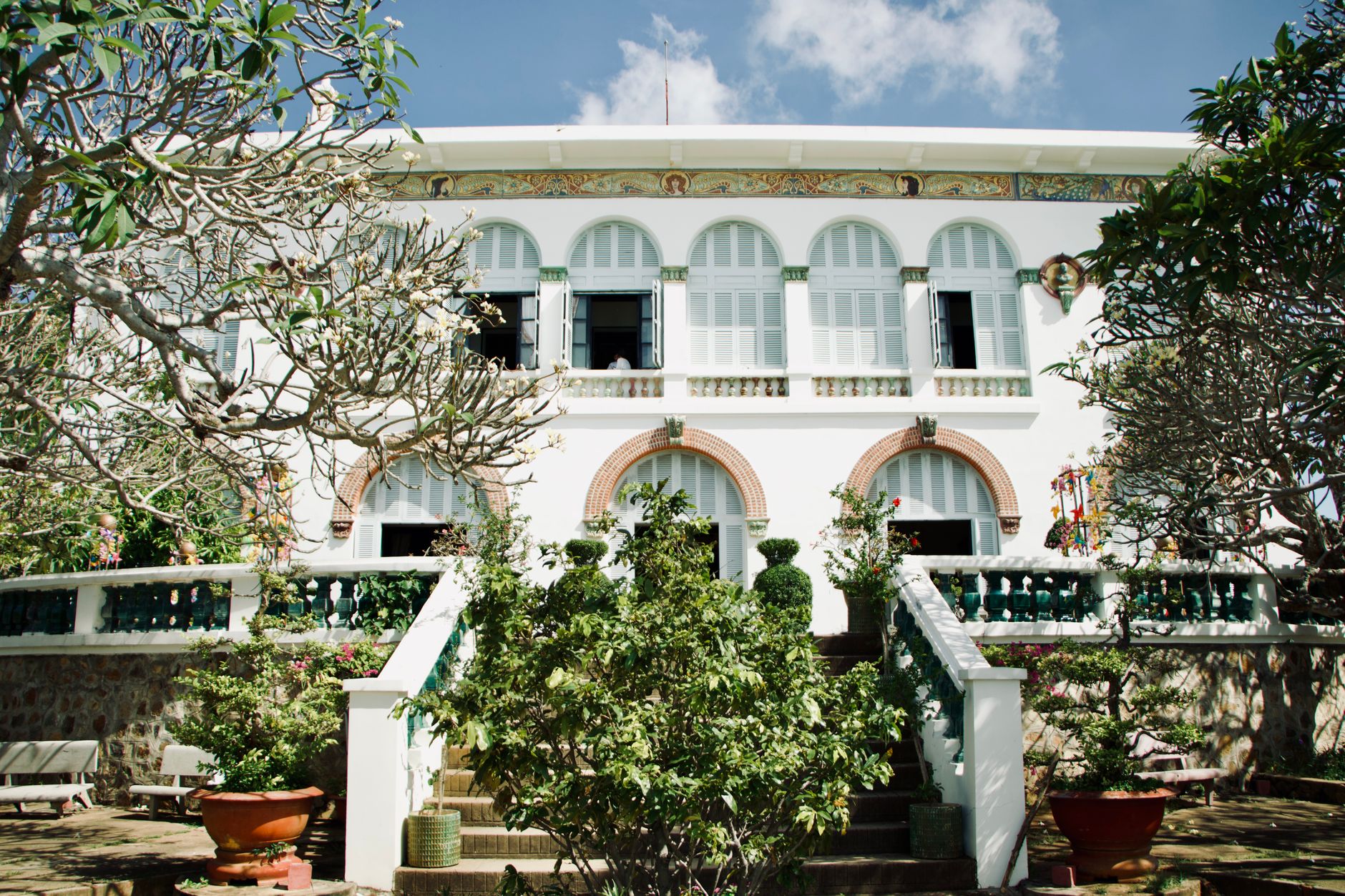
Hoi An's Ancient Town earns its UNESCO status not through a single monument but through density — 30 blocks where 15th-century trading-port architecture survived wars, floods, and time largely intact. Walk it right and it rewards you; walk it wrong and you'll be fighting tour groups at noon in 35-degree heat.
Getting Your Bearings
The protected core sits between the Thu Bon River to the south and Tran Phu Street to the north — roughly 1 km east to west. Most of the landmark buildings line Tran Phu, Nguyen Thai Hoc, and Bach Dang (the riverside road). You can walk the full core in under two hours, but budget four if you plan to enter buildings.
Tickets are sold at booths near the main entrances on Hoang Dieu and Le Loi streets. A standard combo ticket costs 120,000 VND and covers five entries from a list of 21 sites — old houses, assembly halls, museums, and the Japanese Bridge. You choose which five. If you want more than five, buy additional tickets at 40,000 VND each. The ticket is valid for the day only, so don't buy it until you're ready to start walking.
Photography Hours
Shoot the yellow walls and lantern-strung alleys before 8 a.m. or after 5 p.m. By 9 a.m., the tour buses from Da Nang have arrived and the core streets become genuinely difficult to move through, let alone photograph cleanly. The lanterns on Nguyen Thai Hoc and the side alleys off Tran Phu look their best at dusk, when the daylight and the lantern glow roughly balance. Full dark looks flat by comparison.
On the 14th day of each lunar month (full moon), motorized vehicles are banned from the Ancient Town and residents hang traditional lanterns. It's not a secret event — it draws large crowds — but it's still worth timing a visit around if you're flexible.

Photo by Quang Nguyen Vinh on Pexels
The Route
Tran Phu: The Spine
Start at the west end of Tran Phu Street, at the Japanese Covered Bridge (Cau Nhat Ban). Built in the early 17th century by Hoi An (호이안 / 会安 / ホイアン)'s Japanese merchant community, it's the town's most-photographed structure and uses one of your five combo entries. Go early. By 9 a.m. there's a permanent queue for photos on the bridge itself.
Walk east along Tran Phu. This was the town's main commercial artery when Hoi An was a major Southeast Asian trading port from the 15th to 18th centuries. The Phuc Kien Assembly Hall (Hoi Quan Phuc Kien) sits about 400 m east of the bridge, and it's the most ornate of the assembly halls — built by the Fujian Chinese community, with a courtyard, ceramic-encrusted roof ridges, and a main hall dedicated to Thien Hau, the sea goddess. This one is worth a combo entry.
Further east on Tran Phu, the Cantonese Assembly Hall (Hoi Quan Quang Dong) is less dramatic but quieter, which is a recommendation in itself.
The Old Houses
Turn south off Tran Phu onto Nguyen Thai Hoc to find the two most visited merchant houses. Tan Ky Old House at 101 Nguyen Thai Hoc is a 200-year-old family home still occupied by the seventh generation of the Tan Ky family. The architecture blends Japanese roof trusses, Chinese carved details, and Vietnamese layout — a direct record of who was trading with whom. Entry costs one combo ticket.
A few minutes' walk away, Phung Hung Old House at 4 Nguyen Thi Minh Khai is slightly less visited and has a better-preserved second-floor balcony. Also uses one combo entry. The family sells silk and lacquerware inside, but browsing is low-pressure.
If you have a spare combo entry, the Museum of Trade Ceramics on Tran Phu gives useful context on the port's history — the ceramics recovered from shipwrecks in the Thu Bon estuary show exactly what was moving through here in the 16th century.
Bach Dang and the Riverside
Head south to Bach Dang Street along the Thu Bon River. This stretch is pleasant in the early morning when vendors are setting up and the fishing boats are still active. The market (Cho Hoi An) sits at the eastern end of the riverfront — it's a working fresh market, not a tourist one, and the produce and fish sections in the early hours are worth the short detour even if you're not buying anything.
The riverfront itself has been cleaned up considerably over the past decade; there are now dedicated lanes for cyclos and walking. Sit at one of the low-key coffee spots on Bach Dang with a "ca phe sua da" and watch the boats before the day heats up.
The Side Alleys
The alleys running north off Tran Phu between the main landmarks are easy to skip and shouldn't be. Le Loi, Phan Chau Trinh, and the unnamed cuts between them are where residents actually live — laundry on lines, kids on bicycles, small altars at doorways. The density of working tailors and lantern workshops on these blocks is still genuine. Many of the roughly 50 tailors in the Ancient Town can produce clothing in 24-48 hours; price and quality vary significantly, so look at finished samples before committing.
For food inside the Ancient Town, "cao lau" is the dish to order — thick wheat noodles with pork, herbs, and crispy crackers, and traditionally made with water from a specific local well. Locals eat it at Truong Son (26 Thai Phien) for around 35,000-45,000 VND a bowl.
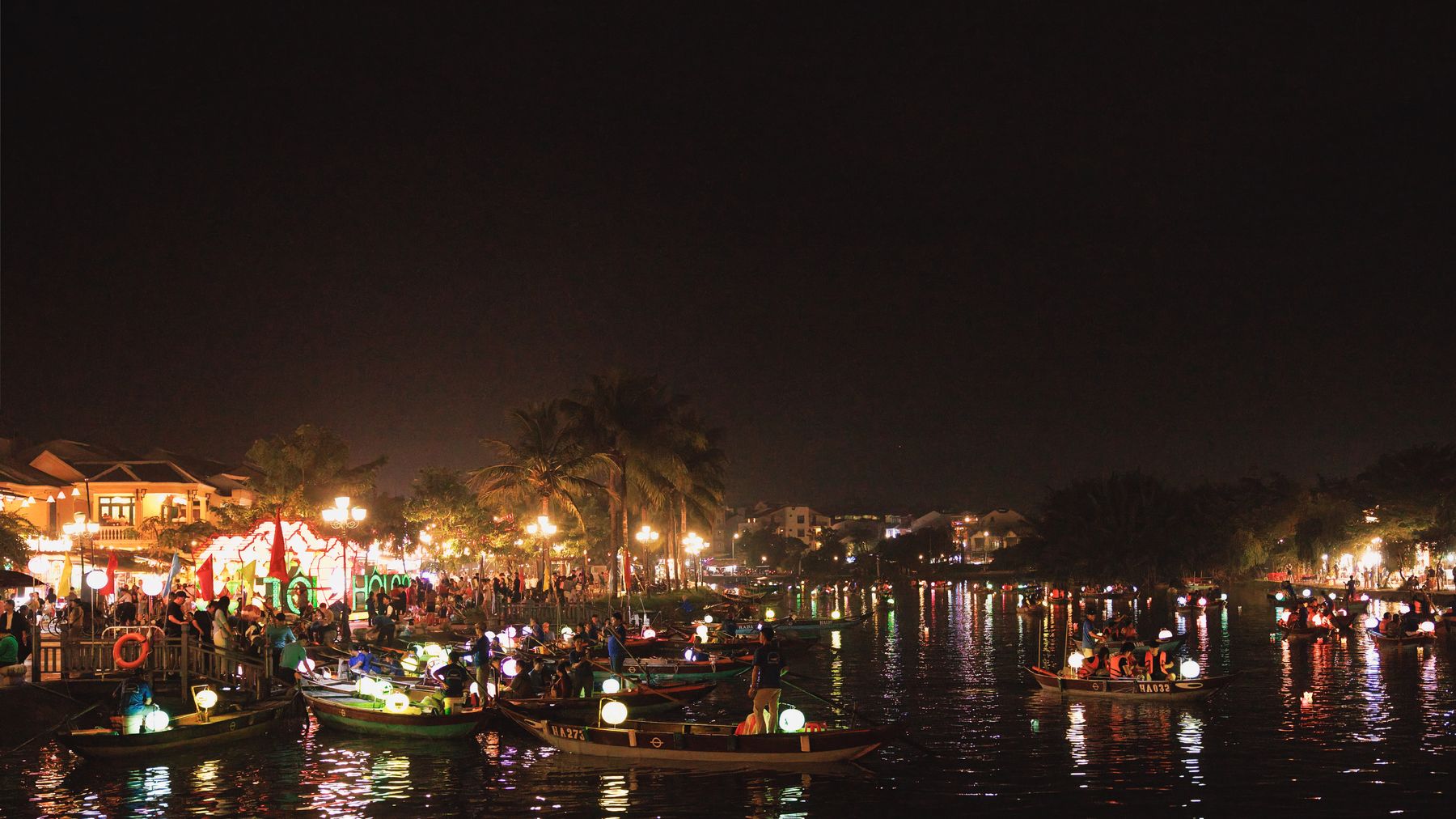
Photo by Fernando B M on Pexels
Frequently Asked Questions
How much does it cost to enter Hoi An Ancient Town?
A standard combo ticket costs 120,000 VND and covers five entries chosen from a list of 21 sites, including old houses, assembly halls, and the Japanese Bridge. If you want to visit more than five sites, additional entries cost 40,000 VND each. The ticket is valid for one day only, so wait to purchase it until you are ready to begin walking.
What is the best time of day to photograph the yellow walls and lanterns?
Shoot before 8 a.m. or after 5 p.m. Tour buses from Da Nang arrive by 9 a.m., making the core streets crowded and difficult to photograph. Dusk is the best window for lanterns on Nguyen Thai Hoc and the alleys off Tran Phu, when natural light and lantern glow balance each other. Full dark produces flat results by comparison.
When does Hoi An ban vehicles and hang traditional lanterns in the Ancient Town?
On the 14th day of each lunar month — the full moon — motorized vehicles are banned from the Ancient Town and residents hang traditional lanterns throughout the streets. The event draws large crowds, so it is not a quiet experience, but if your travel dates are flexible it is worth planning your visit to coincide with it.
Practical Notes
The Ancient Town entrance ticket is not required to walk the streets — only to enter ticketed buildings. Wear shoes you can slip on and off easily, as most old houses require removing footwear. Motorbikes are restricted (not fully banned) in the core during daytime hours, but the streets are narrow enough that pedestrian-vehicle conflict is still a real annoyance — stay aware, especially on Tran Phu.
Last updated · May 26, 2026 · independently researched, never sponsored.