Hoi An's most photographed structure is also its most argued-over. The Japanese Bridge — a covered wooden span barely 18 metres long — has been standing since the late 16th century, and in 2024 it became the subject of a heated public debate about what 'restoration' actually means.
Origin Story: Built by Japanese Merchants
The bridge was constructed around 1593 by the Japanese merchant community then living in Hoi An (호이안 / 会安 / ホイアン)'s trading port. At the time, Hoi An was one of Southeast Asia's busiest commercial hubs, drawing Chinese, Japanese, Dutch, and Portuguese traders. The Japanese quarter sat on the western bank of the Thu Bon tributary; the Chinese quarter on the eastern side. The bridge connected the two communities — practically and symbolically.
The original builders dedicated the structure to a deity capable of calming natural disasters. A small temple sits inside the bridge itself, tucked into the northern side: a modest room with an altar to Bac De Tran Vo, the god associated with controlling weather and earthquakes. The belief was that a subterranean monster's body ran beneath Asia, and the bridge — positioned over its midsection — would pin it down. Whether or not that worked is a matter of faith.
Japanese traders had largely left Hoi An by the mid-1600s due to Japan's isolationist policies. The bridge stayed. Vietnamese locals adopted it, maintained it, and by the 18th century it appeared on the back of the 20,000 VND banknote — where it remains today.
Architecture Details
The structure is small enough that most visitors walk across in under a minute, which is part of why it surprises people. It spans an inlet of the Thu Bon River on Tran Phu Street, connecting to Nguyen Thi Minh Khai Street on the western end.
The covered walkway is supported by a wooden frame with a curved, tiled roof — the style blends Japanese bridge-building technique with Vietnamese and Chinese decorative sensibilities. At each entrance stand stone animal guardians: a pair of dogs on the eastern end, a pair of monkeys on the western end. Local tradition holds that the bridge's construction began in the year of the dog and was completed in the year of the monkey, though historians debate this.
The interior is dim, cool, and smells of old timber and incense from the small temple. The bridge has been repaired and rebuilt multiple times over four centuries — estimates range from seven to eight major restorations. The 2024 work was the most controversial of them all.

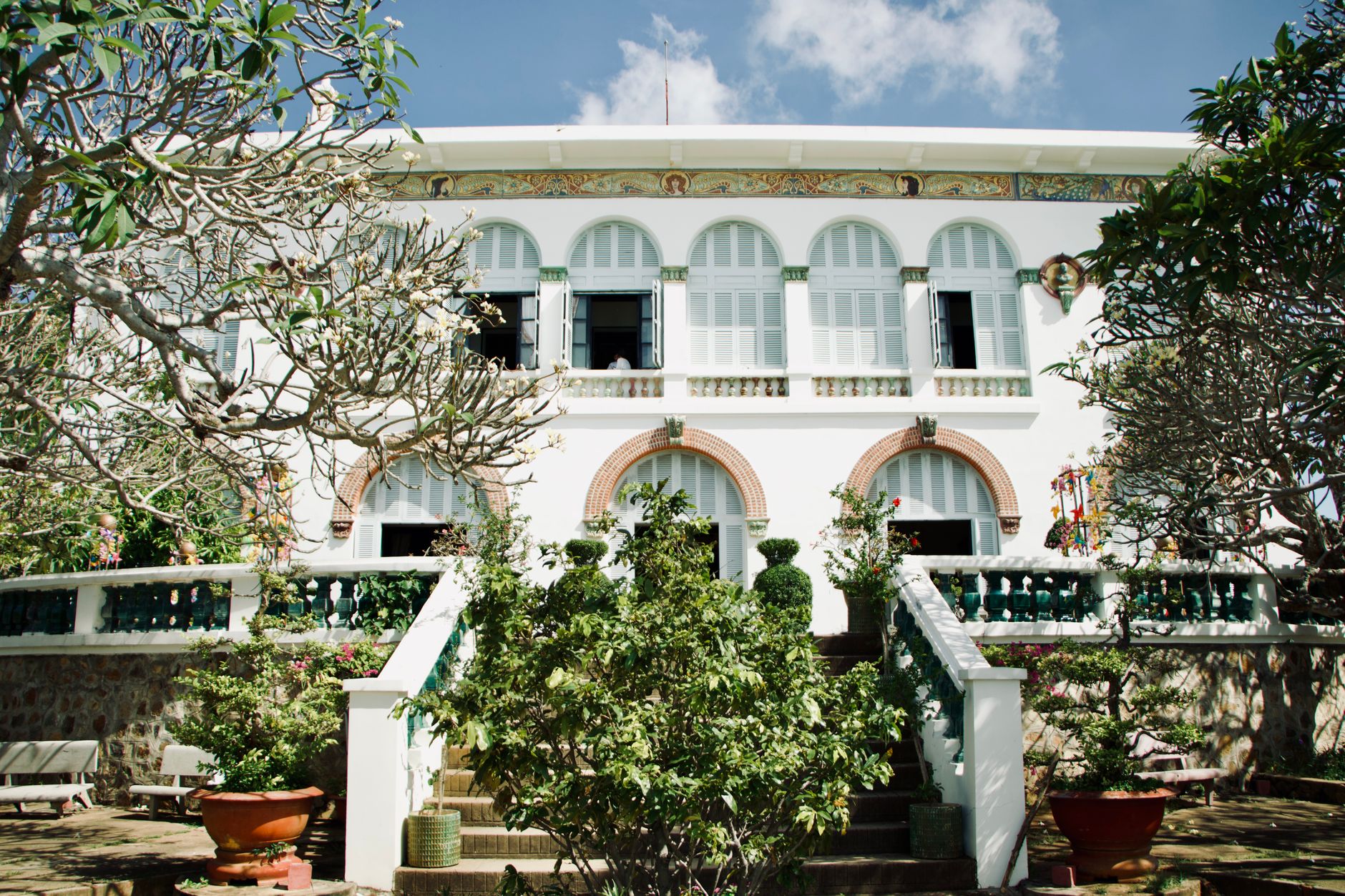
Photo by VANNGO Ng on Pexels
The Restoration Controversy
In early 2024, after years of structural assessment, Hoi An authorities undertook a significant restoration of the bridge. When scaffolding came down, the reaction from residents, architects, and heritage observers was sharp: the newly restored bridge looked too new. The wood was bright, the paintwork fresh, the surfaces scrubbed clean of the patina that had made it feel genuinely old.
Critics — including several Vietnamese conservation architects — argued publicly that the restoration had prioritised structural integrity over authentic appearance, stripping away the aged character that gave the bridge its historical weight. Supporters countered that the underlying timber had been genuinely unsafe, and that leaving a deteriorating structure in place risked both visitors and the monument itself.
The tension here is real and not unique to Hoi An. Vietnam (베트남 / 越南 / ベトナム)'s heritage sites increasingly face the same question: preserve the look of age, or preserve the physical structure? The two are not always compatible. What's clear is that the 2024 restoration has changed the visual character of the bridge — at least for now. Timber weathers. The patina will return.
When to Visit
Sunrise — the Practical Choice
The bridge sits at the intersection of two of Hoi An Ancient Town's busiest streets. Between 9am and 5pm, it is almost impossible to photograph without crowds. The single most effective way to see it without people is to arrive at first light — around 5:30am. The lantern sellers aren't out yet. Tour groups haven't assembled. The light coming in low from the east catches the roof tiles and the water below cleanly.
Bring a small flashlight if you want to look inside the temple before the site opens properly — the interior stays dark.
Lantern Nights
On the 14th day of each lunar month, Hoi An dims its electric lights and the Ancient Town runs on candles and paper lanterns. The Japanese Bridge on these nights is genuinely atmospheric — the warm lantern glow softens the post-restoration brightness considerably. These evenings are crowded, but the crowd itself becomes part of the scene. Check the lunar calendar before you book; these nights fall on different Gregorian dates each month.

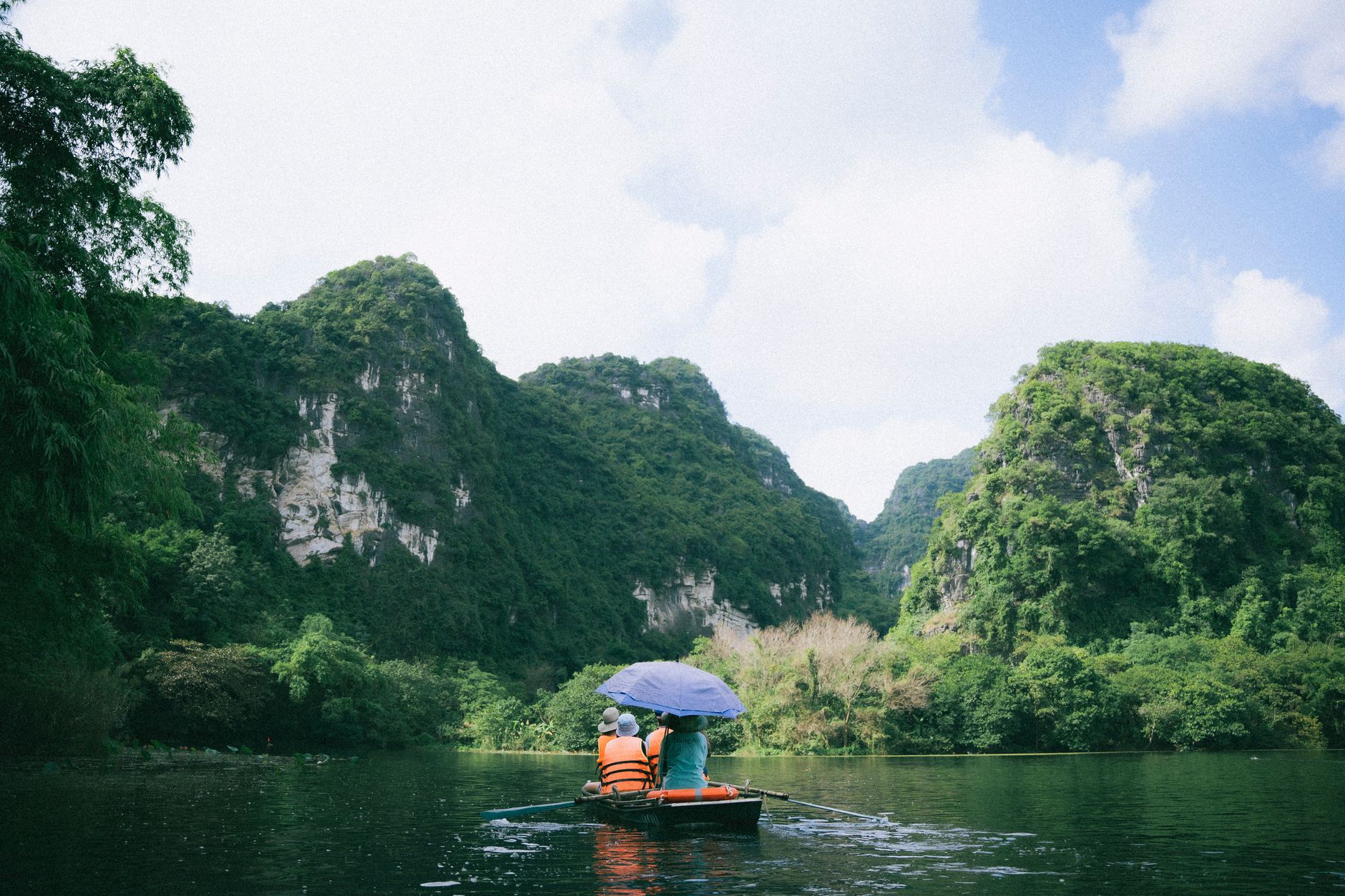
Photo by Quang Nguyen Vinh on Pexels
Tickets and Practicalities
Entering Hoi An Ancient Town requires a ticket: 120,000 VND for adults as of mid-2025, which covers entry to five heritage sites including the Japanese Bridge. Tickets are sold at booths near the main entrances to the Ancient Town — you'll be asked to show one if you want to cross the bridge or enter the temple inside it.
The bridge is on Tran Phu Street, roughly 200 metres west of the central market area. It's an easy walk from most accommodation in the Ancient Town core. If you're coming from Da Nang, it's about 30 km south — a 45-minute taxi or 90-minute local bus.
Wear flat shoes. The bridge deck is uneven timber and gets slippery when wet. The structure is short and narrow; during peak hours, crossing takes longer than it should because people stop to photograph from inside.
Frequently Asked Questions
How old is the Japanese Bridge in Hoi An?
The Japanese Bridge was constructed around 1593 by Japanese merchants living in Hoi An's trading port, making it approximately 400 years old. It has undergone seven to eight major restorations over those four centuries. The structure is significant enough to appear on the back of Vietnam's 20,000 VND banknote, where it has been featured since at least the 18th century.
What are the stone animal statues at each end of the bridge?
Stone guardians stand at both entrances: a pair of dogs on the eastern end and a pair of monkeys on the western end. Local tradition holds that construction began in the year of the dog and was completed in the year of the monkey, though historians debate this explanation. The bridge spans an inlet of the Thu Bon River on Tran Phu Street, connecting to Nguyen Thi Minh Khai Street at its western end.
When did the controversial restoration of the Japanese Bridge take place?
The most debated restoration occurred in early 2024. When scaffolding was removed, residents, architects, and heritage observers criticized the result for looking too new — bright wood, fresh paintwork, and surfaces stripped of their aged patina. Authorities defended the work by arguing the underlying timber had become genuinely unsafe. The restoration changed the bridge's visual character, reigniting a broader debate about structural preservation versus authentic appearance at Vietnamese heritage sites.
Practical Notes
The Japanese Bridge is worth seeing — its scale is modest, but its age and position at the heart of Hoi An make it the single most representative object in town. The restoration debate is real, but the bridge itself still delivers. Go early, or go on a lantern night, and you'll understand why traders thought it was worth building in the first place.
Last updated · May 26, 2026 · independently researched, never sponsored.