Vietnam (베트남 / 越南 / ベトナム)'s most interesting food rarely shows up in guidebooks. It gets cooked in a blackened wok on a wood-fire stove, served on a low table, and eaten cross-legged with the family that made it. Homestays are how you get there.
What Makes Homestay Food Different
In a homestay, the meal is tied to what's growing nearby, what was caught that morning, and what the family actually eats. You won't find a laminated menu or a tourist markup. In Sapa, that might mean "thang co" — a slow-simmered horse-meat stew — alongside stir-fried bamboo shoots and black bean rice. In the Mekong Delta (메콩 델타 / 湄公河三角洲 / メコンデルタ), it's whatever came out of the fish trap an hour before you sat down. The cooking methods, spice levels, and even the eating posture are things you simply can't replicate by ordering off a menu.
Sapa — Hmong Homestays in the Rice Terraces
Sapa is the entry point for most first-time homestay travelers in the north. The Red Dao and Black Hmong villages around the valley — Cat Cat, Lao Chai, Ta Van — all have families offering overnight stays, typically 200,000–350,000 VND per person including dinner and breakfast.
The food here is distinctly northwest highland: sticky rice steamed in bamboo, "lam" style, with sesame salt on the side. Wild greens foraged from the terraces. Pork braised with star anise and local wine. Some families make their own "ruou can" — rice wine sipped communally through long bamboo straws — and will bring it out after dinner without you asking.
Book direct where possible. The village women who approach trekkers on the main Sapa strip are often the same people running homestays — bargaining is expected, and 300,000 VND per person with two meals is a fair starting point. Avoid the heavily marketed "eco-lodge" operations that use the word homestay but seat 40 people at once; ask specifically how many guests the family takes per night (two to six is genuine, twelve-plus is a guesthouse in disguise).
If you are trekking from Sapa into Muong Hoa Valley, the Ta Van village homestays tend to be quieter and the food more varied than the Cat Cat options closer to town.

Photo by Quang Nguyen Vinh on Pexels
Mai Chau — White Thai Stilt Houses and Communal Tables
Mai Chau sits about 135 km southwest of Hanoi and offers a different energy from Sapa — less trekker traffic, lower prices, and a food culture rooted in White Thai traditions. The stilt houses in Lac and Pom Coong villages are the classic base, with most homestays charging 150,000–250,000 VND per person for a mat on the communal sleeping floor plus a shared dinner.
That dinner is the reason to go. White Thai cooking leans on fresh herbs, river fish, and fermented flavors. Expect "pa pinh top" — grilled fish stuffed with lemongrass and wrapped in banana leaf — alongside steamed sticky rice, "mang chua" (sour bamboo soup), and stir-fried river snails with chili. Meals are communal and unhurried. The family eats with you.
Mai Chau is easy to combine with a longer northern loop through Ninh Binh or onward to Ha Giang, and the homestay food experience here is consistent enough that it's worth stopping even for a single night. Weekends draw day-trippers from Hanoi, so arriving on a Tuesday or Wednesday gives you a quieter table.
Mekong Delta — Island Homestays on the Water
The Mekong Delta's homestay food scene operates on a different logic from the highlands. Here, proximity to water defines everything. Can Tho is the main hub, but the more rewarding experiences are on the smaller islands accessible by boat — An Binh Island (Vinh Long province) being one of the most accessible, about 15 minutes by ferry from Vinh Long town.
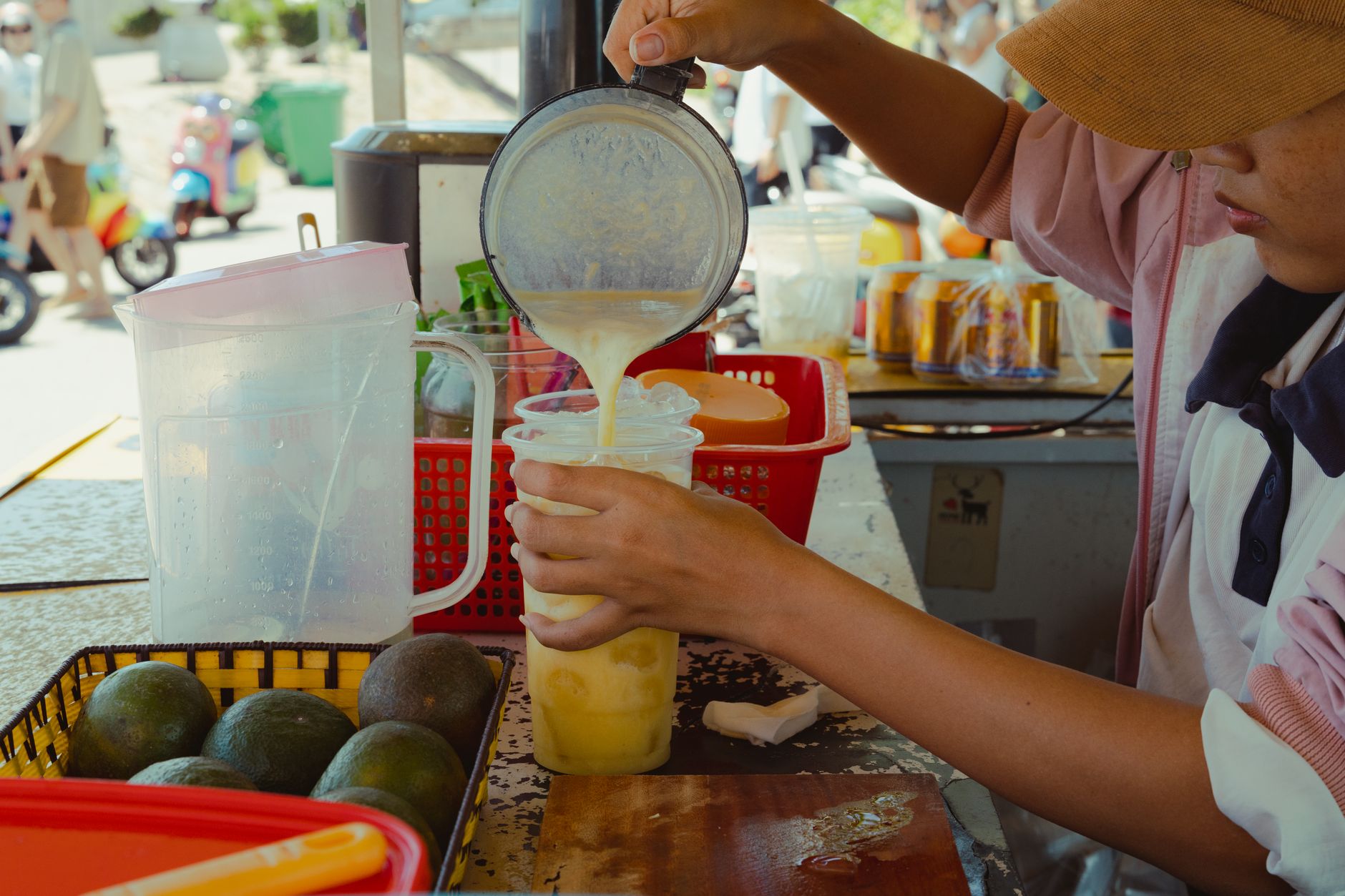
Families on these islands grow their own fruit, raise freshwater fish in cage ponds, and cook over clay stoves. A typical homestay dinner might include "ca kho to" — caramelized fish braised in a clay pot — with morning glory stir-fried in garlic, fresh spring rolls ("goi cuon") assembled at the table, and coconut rice. Breakfasts are often "hu tieu" made from scratch with a broth the family has simmered overnight.
Prices in the Delta are lower than anywhere else in Vietnam. Expect 200,000–280,000 VND per person all-in. Book through local guesthouses in Vinh Long or Can Tho rather than large tour operators — the latter tend to run "homestay day tours" that are essentially lunch stops with a cooking demo, not actual overnights.
The floating markets around Can Tho — Cai Rang is the largest — are best seen at 5:30–6:30 a.m., so staying on an island the night before puts you in a better position than commuting from a hotel in town.

Photo by Vietnam Tri Duong Photographer on Pexels
How to Find a Genuine Homestay (Not a Tourist Guesthouse)
The word "homestay" has been diluted. Here's how to filter:
- Ask how many beds the family has. A real homestay has one room or one communal floor. Six to ten guests maximum.
- Ask if the family eats with you. At a genuine homestay, yes. At a converted guesthouse, no.
- Check the meal. If the menu lists "pizza available" or shows a QR code, it's not a homestay.
- Book through local trekking guides or village contacts, not via large OTA platforms where "homestay" is just a category filter.
- Facebook groups for specific regions ("Sapa Trekking", "Mekong Delta Travel") often have direct contacts from families who don't have a booking website.
Learning a few words before you arrive matters more than you'd expect. "An com chua?" (Have you eaten yet?) is a greeting that doubles as an invitation in Vietnamese culture — using it when you arrive at a homestay lands differently than showing up in silence.
Practical Notes
Bring cash in small denominations — 50,000 and 100,000 VND notes — since village homestays rarely have card readers. Dietary restrictions are difficult to accommodate in advance; if you don't eat pork or fish, message ahead rather than explaining on arrival. Tipping isn't expected but a small amount (20,000–50,000 VND per person) given directly to the host, not a tour operator, is appreciated.
Last updated · May 29, 2026 · independently researched, never sponsored.