Vietnam (베트남 / 越南 / ベトナム) has one of Southeast Asia's most developed vegetarian food cultures, built around Buddhist fasting days and centuries of temple cooking. The catch: it was never designed with foreign travelers in mind, and the gap between what you ordered and what arrives can be frustratingly wide.
The Phrase That Will Save You
Before anything else, get this sentence onto your phone in copy-paste form:
"Toi an chay. Khong thit, khong ca, khong trung, khong hai san."
Breaking it down: toi an chay means "I eat vegetarian"; khong thit is "no meat"; khong ca is "no fish"; khong trung is "no eggs"; khong hai san is "no seafood." Show this to every cook, every vendor, every restaurant host. Saying an chay alone is usually enough to redirect you to vegetarian options — most Vietnamese people understand it immediately.
If you're vegan and need to cover fish sauce specifically, add: "Khong nuoc mam." Fish sauce is the invisible ingredient in a huge percentage of Vietnamese dishes, and vendors often don't count it as "meat."
What to Order
Vietnam's Buddhist vegetarian tradition — called com chay — gives you a solid base. Look for restaurants or stalls displaying the word "Chay" (sometimes written as "Com Chay"). These are dedicated vegetarian spots, often Buddhist-affiliated, and they're genuinely reliable. You'll find them in most cities, and they tend to be cheap: a full plate in Hanoi or Saigon typically runs 30,000–60,000 VND.
Dishes worth knowing by name:
- "Pho chay" — the vegetarian version of pho, made with mushroom and vegetable broth. Honest versions exist; fake ones use the same pot the beef bones came out of.
- "Banh mi chay" — a vegetarian banh mi, usually filled with tofu, pickled veg, and mushroom pate. Widely available in bigger cities.
- "Banh cuon chay" — steamed rice rolls filled with wood ear mushroom and tofu. A genuinely excellent breakfast option.
- "Com tam chay" — vegetarian broken rice plates. You'll get mock meat (made from soy or gluten), grilled tofu, and a small salad.
- "Goi cuon chay" — fresh spring rolls with tofu and herbs instead of shrimp or pork. Very common, very safe.
- "Mi quang (미꽝 / 广南面 / ミークアン) chay" — available in Da Nang and Hoi An, the turmeric noodle dish in vegetarian form, usually with peanuts and sesame crackers.
In Hue especially, com chay culture runs deep — the city's Buddhist heritage means dedicated vegetarian restaurants cluster around the old temples and the Thien Mu Pagoda area. If you're spending time in Hue, it's genuinely one of the best places in the country to eat plant-based.
What's Secretly Meaty
This is where people get caught out.
Broth. The base of most Vietnamese soups — pho, "bun bo hue", "bun rieu", "banh canh" — is meat or seafood stock. Even if the toppings look vegetarian, the liquid probably isn't. Always ask specifically about the broth (nuoc dung), not just the toppings.
Fish sauce (nuoc mam). It's in dipping sauces, marinades, salad dressings, and stir-fries. It's often not considered an ingredient in the same way meat is. Even dishes labeled vegetarian at non-chay restaurants may contain it.
Mam tom (fermented shrimp paste). Used in some noodle soups and as a side condiment. Strong smell, usually visible, but worth knowing.
"Banh xeo" — the sizzling crepe — is almost always made with shrimp and pork. Vegetarian versions exist at chay restaurants but are not the default anywhere.
"Cao lau" in Hoi An. Traditionally involves lye water and pork; vegetarian versions exist but need to be specifically requested.
Mock meat. Many com chay restaurants use gluten-based or soy-based mock pork, duck, and shrimp. If you're avoiding highly processed food or gluten, this matters — it's labeled "chay" but it's not whole food vegetarian.

Photo by Vika Glitter on Pexels
The Buddhist Lunar Calendar Trick
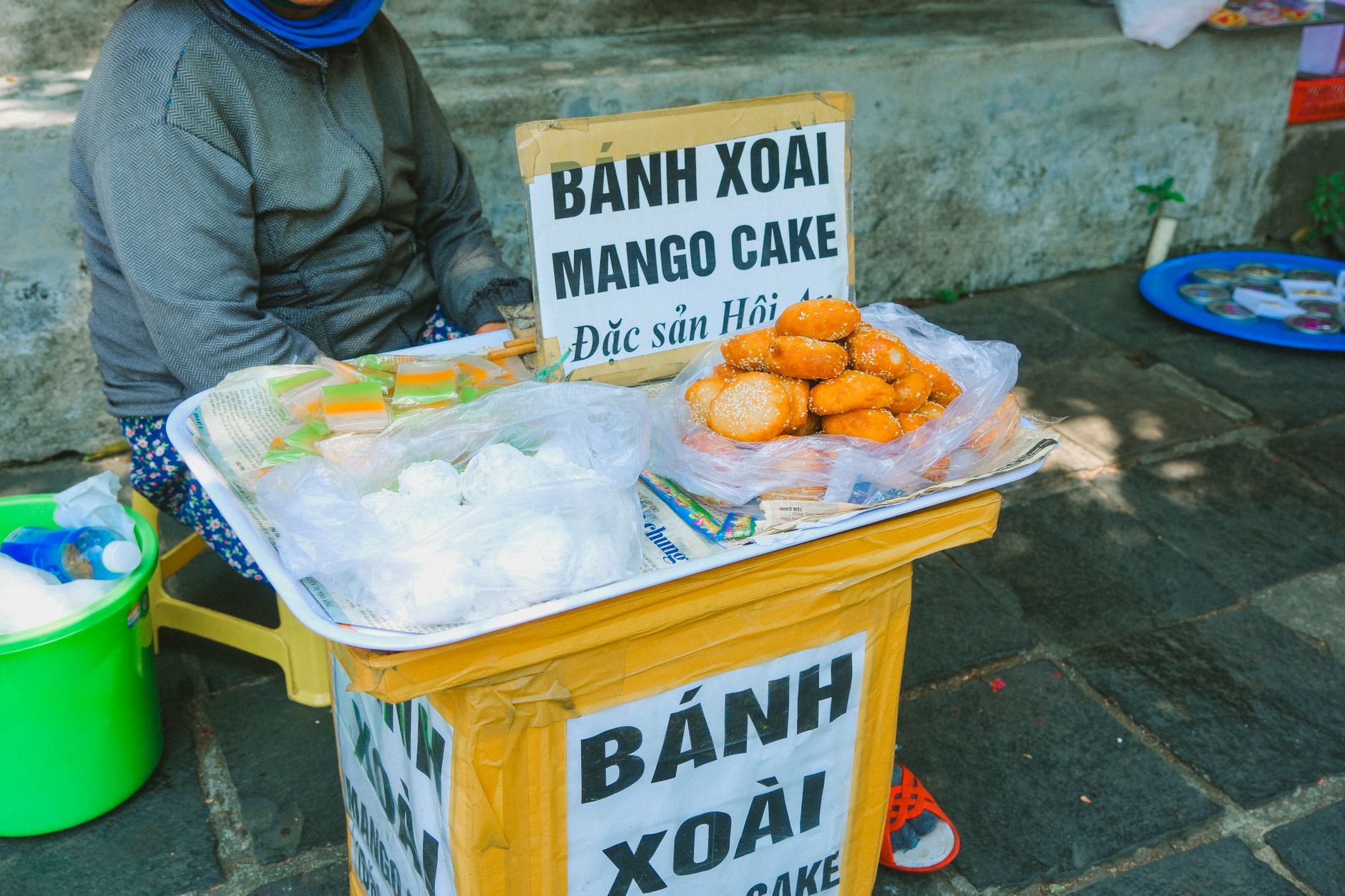
On the 1st and 15th of the lunar calendar month, Buddhist Vietnamese observe fasting days by eating chay. This is your best day to eat vegetarian in Vietnam. Regular street stalls and small restaurants that normally serve meat will pivot entirely to vegetarian menus. Even vendors who don't usually do it will have a chay option. Mark the dates on your calendar before you go — it's genuinely useful timing.
Regional Pitfalls
Hanoi: Good com chay options exist, but scattered. The Old Quarter skews heavily toward tourist Vietnamese food; head toward Truc Bach or Ba Dinh for neighborhood chay spots.
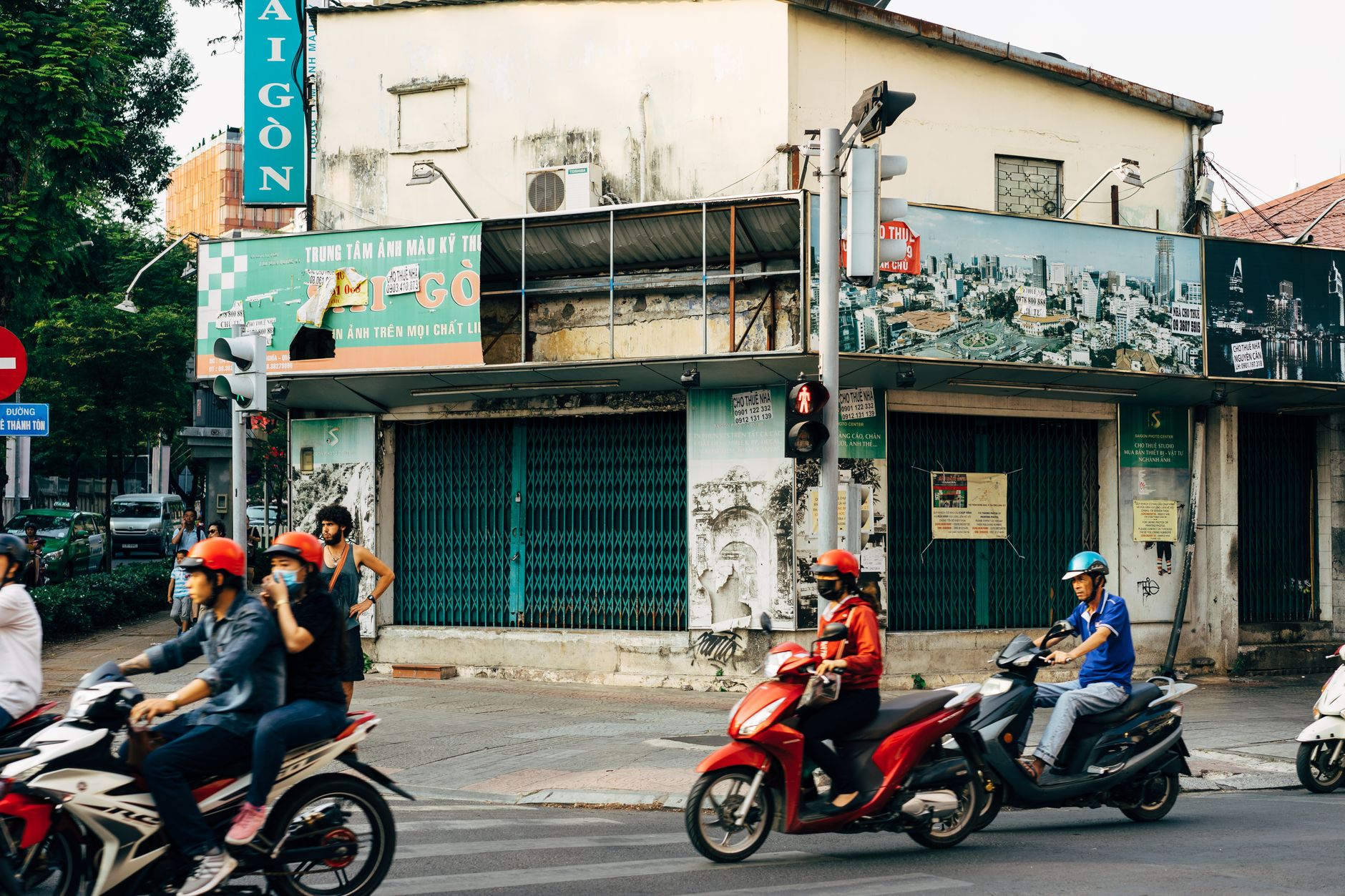
Saigon: Easiest city in the country for vegetarians. District 3 and District 1 have clusters of dedicated chay restaurants. The sheer size of the food scene means you're rarely more than a few blocks from an option.
Da Nang: Improving, but thinner on the ground than Hue or Saigon. The fish sauce problem is particularly acute here — central Vietnamese cooking leans heavily on it.
Ha Giang and northern mountain areas: This is harder territory. Minority food culture in the north is meat-centered — "com lam" (bamboo sticky rice) is usually fine, grilled corn is fine, but the protein options are almost all meat. Come prepared with snacks, or eat before you go remote.
Phu Quoc and beach destinations: Resort-area restaurants are generally accommodating but often expensive for what you get. Fish sauce and seafood stock remain invisible problems in the cheaper local spots.

Photo by HONG SON on Pexels
One Practical Tip Worth Memorizing
Download the HappyCow app before you arrive. It's not perfect for Vietnam — listings go stale, hours change — but it's the fastest way to find a dedicated chay restaurant near you in an unfamiliar city. Cross-reference with Google Maps reviews for anything outside of Hanoi and Saigon.
Practical Notes
The an chay tradition means dedicated vegetarian food in Vietnam is genuinely good, not an afterthought — you're not just getting sad salads. The main work is learning which dishes are safe by default and which need a direct question about broth and fish sauce. Keep the phrase "Toi an chay, khong nuoc mam" accessible, and you'll eat well almost everywhere.
Last updated · May 29, 2026 · independently researched, never sponsored.