Vietnam (베트남 / 越南 / ベトナム)’s religious landscape is layered, but the architecture of its Buddhist sites offers a specific, grounded way to see the country. This itinerary prioritizes the structural history and the physical environment of these spaces, moving from the northern capital to the southern delta.
Day 1 — Hanoi: The Foundations
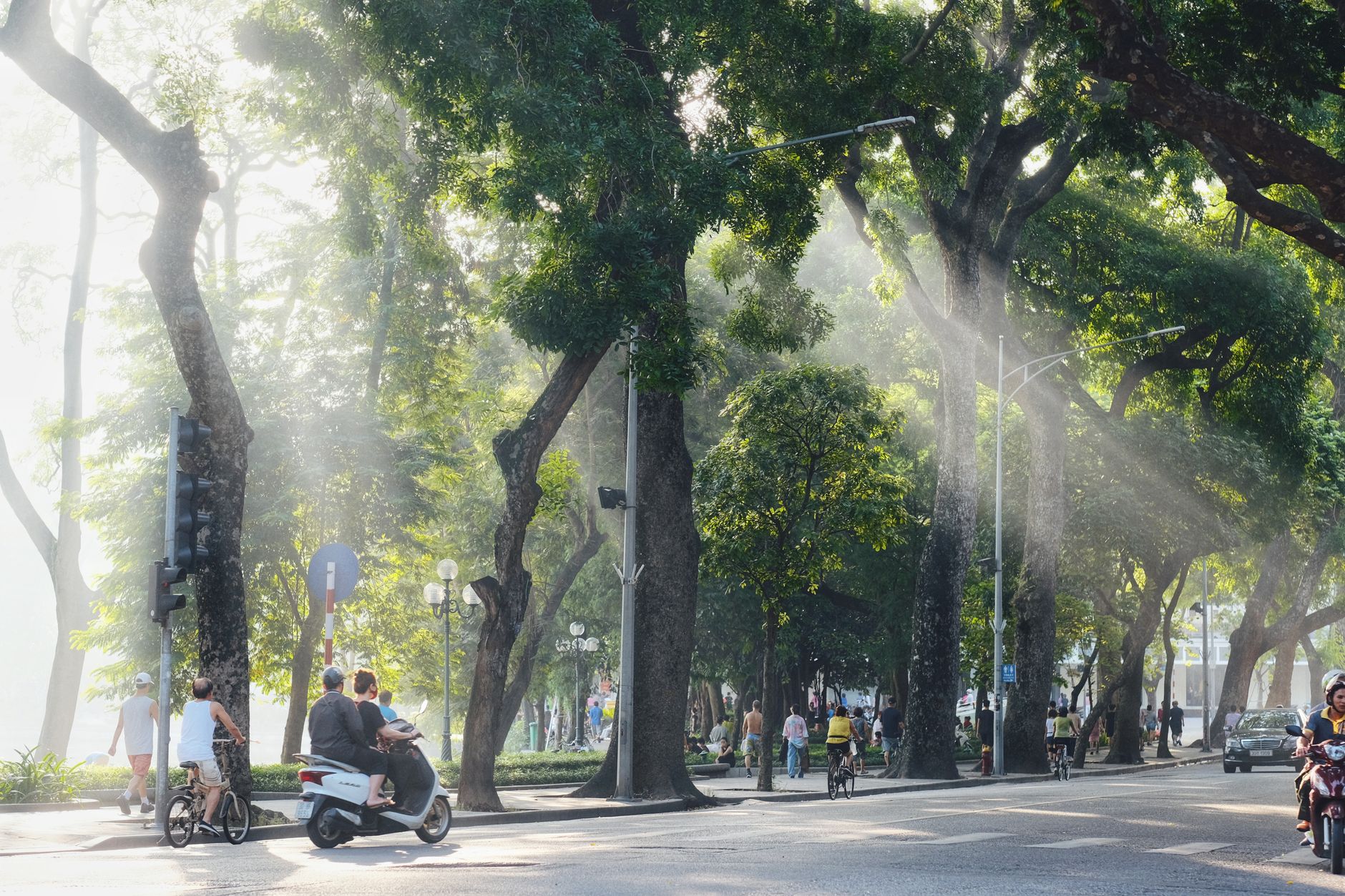
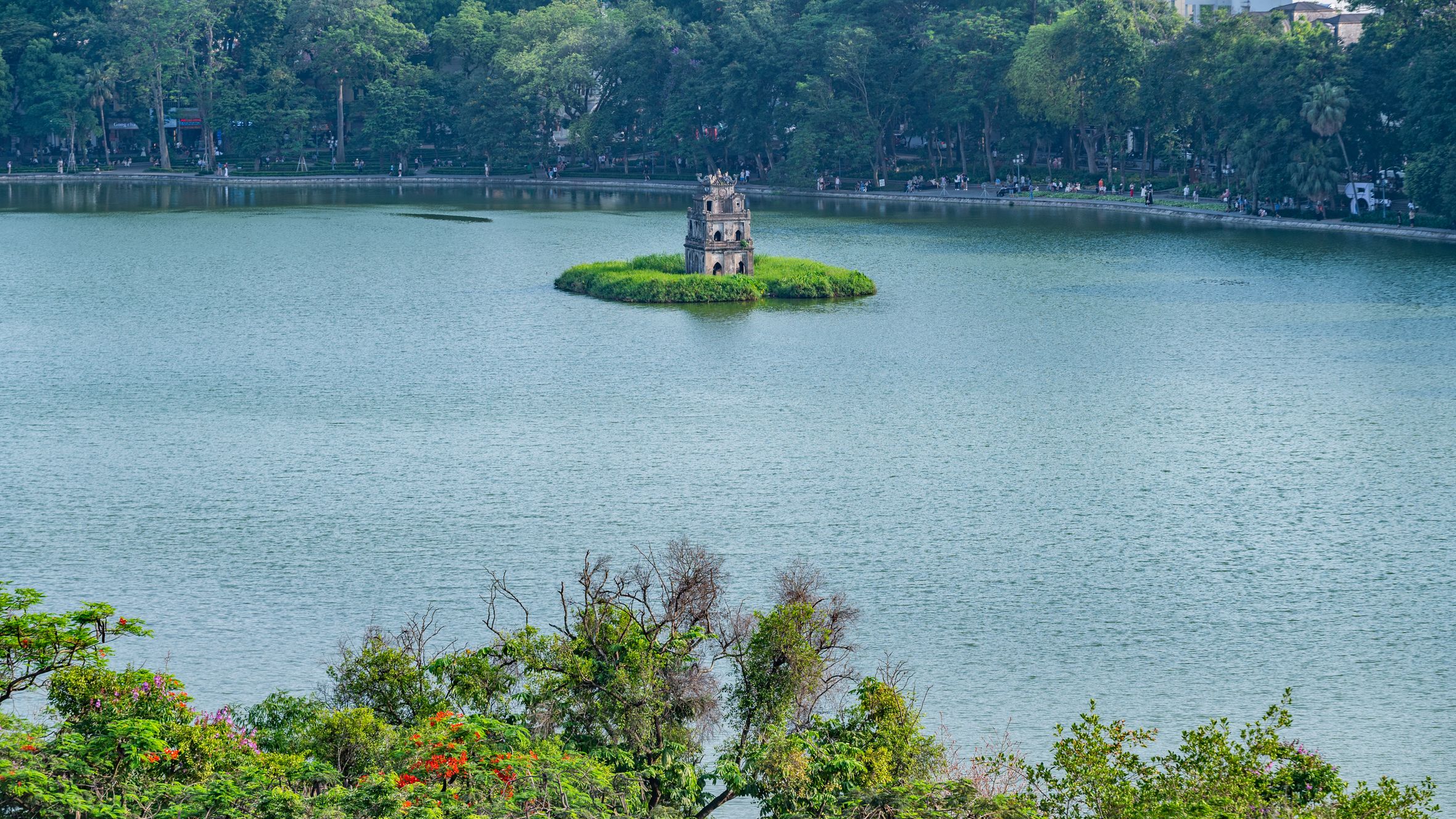
Start at the "Tran Quoc Pagoda" on the edge of West Lake. It is the oldest in the city, dating back to the 6th century. After, head to the "Temple of Literature"—while Confucian, it provides the necessary historical context for the scholarly tradition that influenced local Buddhism. Spend your evening near the "One Pillar Pagoda," a small but iconic structure that represents the lotus flower.
Day 2 — The Red River Delta
Take a morning drive (approx. 90km) to the "Bai Dinh" pagoda complex in Ninh Binh (닌빈 / 宁平 / ニンビン). This is a modern massive site, but it serves as a masterclass in scale. Spend the afternoon in "Tam Coc," where the limestone karsts provide a natural, quiet backdrop that has drawn monks for centuries.
Day 3 — The Imperial Legacy in Hue
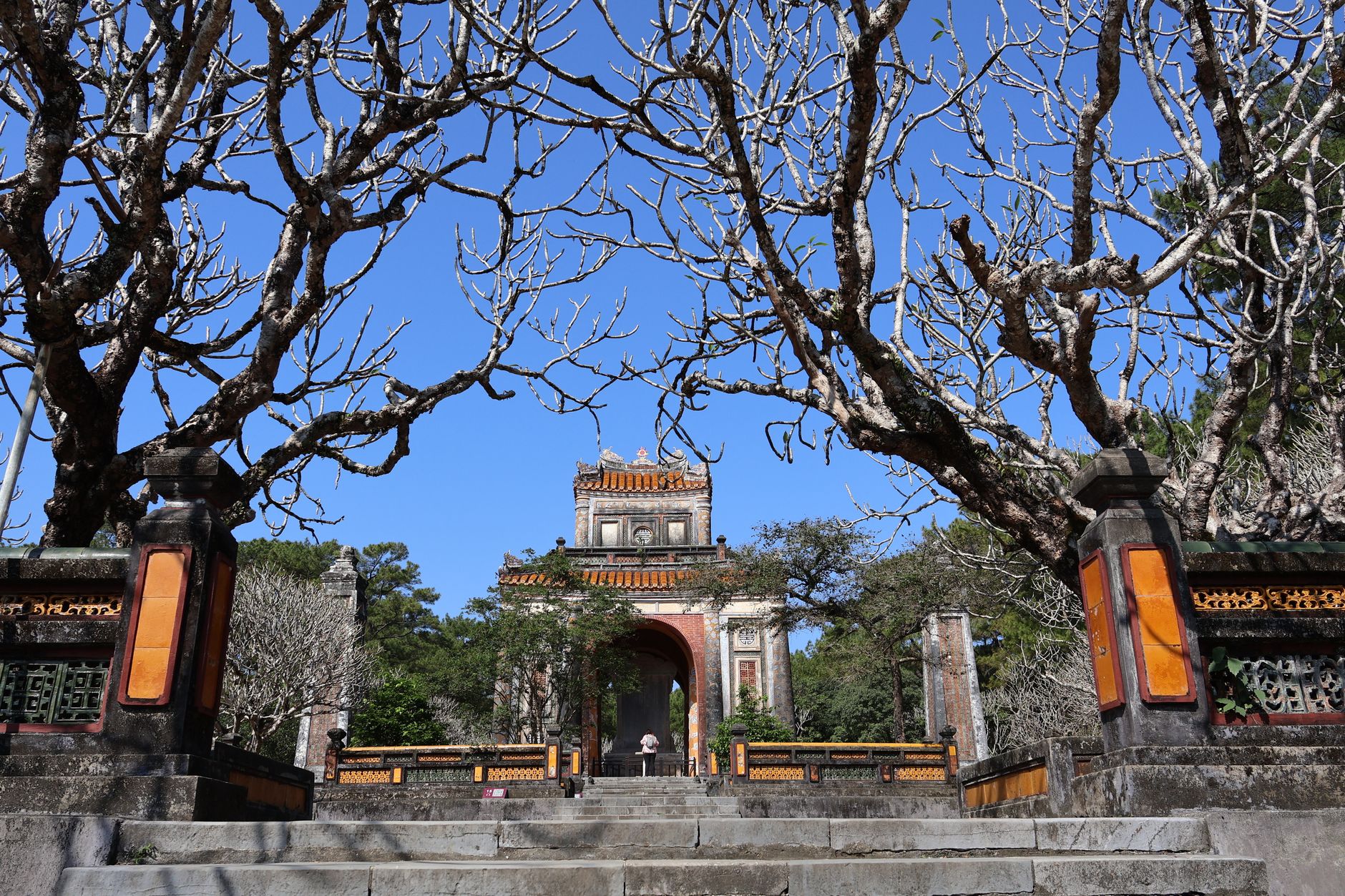
Fly from Hanoi to Hue. Spend your afternoon at the "Tomb of Khai Dinh" and the "Tomb of Tu Duc." While these are royal burial sites, they are deeply infused with Buddhist aesthetics and geomancy. The integration of these tombs into the surrounding pine forests offers a rare sense of stillness.
Day 4 — Hue: The Zen Influence
Visit the Thien Mu Pagoda, which overlooks the Perfume River. It is the unofficial symbol of the city. Spend the afternoon exploring the smaller, less-visited pagodas in the hills surrounding the city, where you can often hear the rhythmic chanting of monks in the late afternoon. For dinner, seek out local vegetarian "bun bo hue" to align with the local tradition of meat-free meals on lunar calendar days.

Photo by Nguyen Ngoc Tien on Pexels
Day 5 — Hoi An: Ancient Trade and Faith
Travel south to Hoi An. The architecture here is a mix of Chinese, Japanese, and Vietnamese styles. Visit the local pagodas scattered within the Ancient Town. Unlike the grand complexes in the north, these are intimate, family-run spaces. Try "cao lau" for lunch, a dish whose unique texture is said to come from the local well water.
Day 6 — The Champa Influence
Head toward the "My Son" sanctuary. While primarily Hindu, the site is essential for understanding the religious transition and architectural evolution of the region. The brickwork and the way the structures sit in the valley are a testament to the skill of the Champa civilization. Return to Hoi An for a quiet evening by the river.
Day 7 — The Coastal Transit
Take a train or drive along the coast toward the south. Stop in Da Nang to see the Marble Mountains, which contain numerous natural caves converted into shrines. The climb is steep, but the view of the coastline from the top of the caves is a necessary perspective shift.
Photo by Nguyen Ngoc Tien on Pexels
Day 8 — Saigon: Urban Spirituality
Arrive in Saigon. The city is loud, but the pagodas here are hidden sanctuaries. Visit the Jade Emperor Pagoda, known for its intricate wood carvings and incense-filled air. In the evening, try "com tam" at a street stall, then find a quiet cafe to enjoy a "vietnamese coffee" while watching the city move.
Day 9 — The Mekong Delta
Take a day trip to Can Tho. The Mekong Delta is the heart of southern Buddhist practice. Visit the local temples along the riverbanks. The pace of life here is significantly slower, and the connection between the water and the religious life of the people is immediate. This is a good time to observe the local "don ca tai tu" music, which often carries themes of impermanence.
Day 10 — Reflection
Spend your final day in Saigon visiting the smaller, neighborhood pagodas in District 3. Avoid the main tourist hubs. Sit in the courtyards and observe the daily rituals of the residents. It is a quiet way to end a trip that has spanned the architectural and cultural breadth of the country.
Practical notes
Dress modestly at all times; keep shoulders and knees covered when entering any religious site. If you visit during "Tet" or other major festivals, expect large crowds and significant noise, which can be a fascinating experience but quite different from the quiet contemplation of a standard weekday.
Last updated · May 30, 2026 · independently researched, never sponsored.