What it is
Lang Noi Tan Lap is an eco-tourism area built around a flooded cajuput ("tram") forest in Moc Hoa district, on the edge of the Dong Thap Muoi (Plain of Reeds) wetland. The site covers roughly 135 hectares of submerged forest, lotus ponds, and waterways that flood seasonally from the Mekong system. It opened as a managed tourism site around 2015, after locals had been harvesting cajuput oil and fishing here for generations.
The draw is simple: you get a narrow wooden walkway cutting through a flooded forest, a boat ride through corridors of cajuput trees, and a landscape that feels far removed from Saigon despite being only about 100 km away. It's not wilderness — there are ticket gates, tourist boats, and a floating restaurant — but the forest itself is real, and during flood season the whole place turns into a genuinely surreal stretch of green water and white-barked trees.
Why travelers go
Most visitors come from Saigon (사이공 / 西贡 / サイゴン) or the western Mekong provinces on a day trip. The appeal is the contrast: you leave the concrete and motorbike exhaust behind and within two hours you're walking on planks over tea-colored water with dragonflies the size of your thumb.
Photographers come for the lotus fields (best July through September) and the light filtering through the cajuput canopy. Birdwatchers show up during the wet months when wading birds — herons, egrets, cormorants — congregate in the flooded forest. And plenty of people come just to sit in a hammock over the water, eat grilled snakehead fish, and do absolutely nothing productive for a few hours.
Best time to visit
The site is open year-round, but the experience changes dramatically by season.
Flood season (August – November)
This is when the forest floods properly. Water levels rise, the boat routes open up fully, and the lotus fields peak around August–September. The cajuput forest looks its best when partially submerged. Expect afternoon rain showers — bring a light poncho.
Dry season (December – April)
Water recedes significantly. Some boat routes become too shallow. The wooden walkways are still accessible and you can see the root systems of the cajuput trees, which has its own appeal, but the atmosphere is less dramatic. Weekdays are quieter; weekends draw domestic tour groups year-round.
The sweet spot is late August through early October — full water, lotus blooms still holding, and the forest canopy at peak green.
How to get there from Saigon
Lang Noi Tan Lap is about 100 km west of Saigon, in Moc Hoa district. Driving time is roughly 2.5 hours depending on traffic getting out of the city.
By motorbike or car: Take National Highway 1A west toward Tan An (Long An provincial capital), then continue on Highway 62 northwest to Moc Hoa. The road is flat and straightforward. Fuel up before leaving Tan An — stations thin out after that.
By bus: Catch a bus from Ben xe Mien Tay (Western Bus Station) in Saigon to Moc Hoa. Tickets run about 80,000–120,000 VND. From Moc Hoa town, you'll need a "xe om" (motorbike taxi) or grab a local taxi for the remaining 5 km to the site entrance. Budget around 30,000–50,000 VND for that last stretch.
By tour: Several Saigon-based operators run day trips that include transport, entrance fees, and a boat ride for 400,000–700,000 VND per person. Convenient if you don't want to navigate, but you'll be on someone else's schedule.

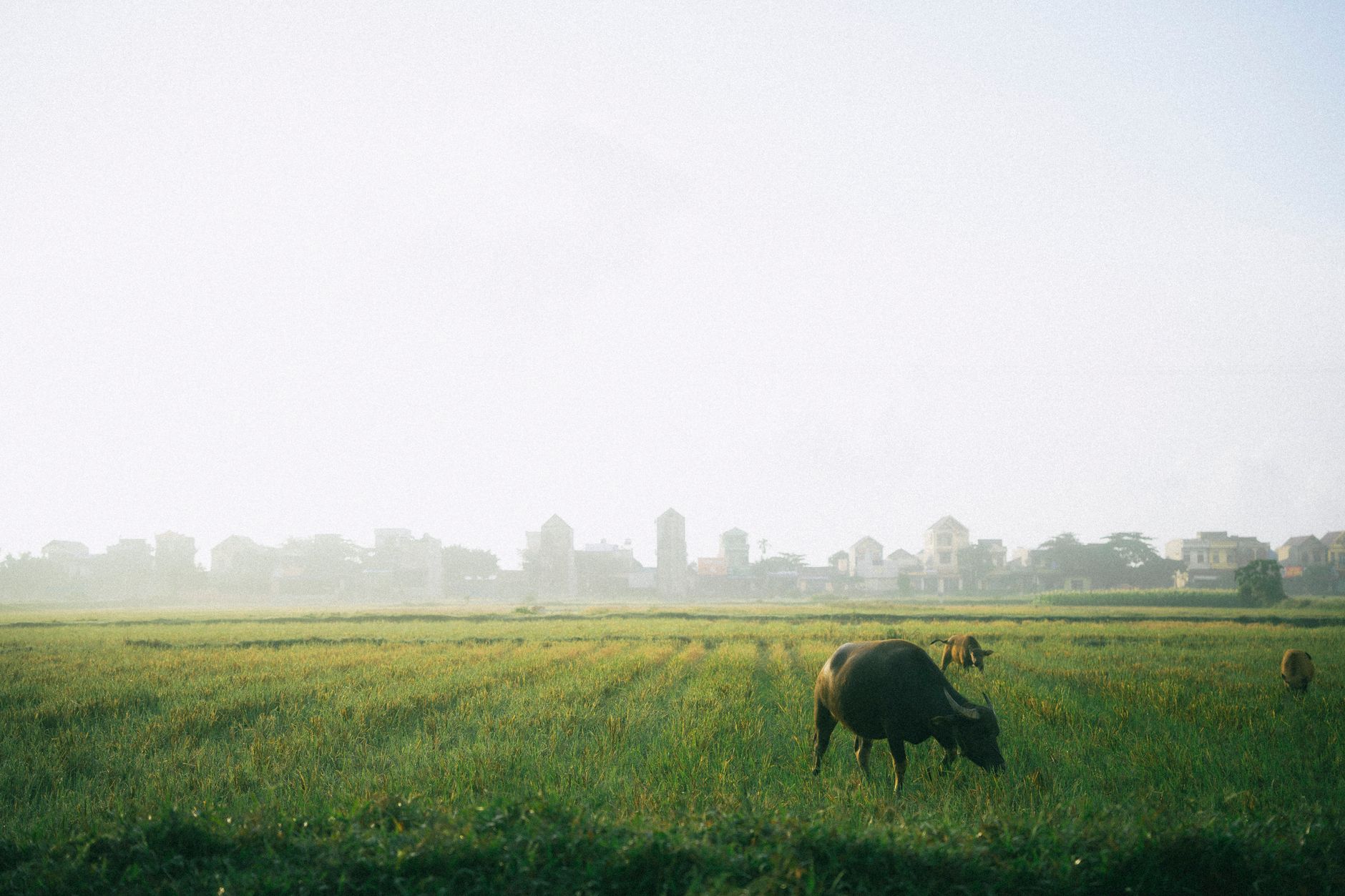
Photo by Quang Nguyen Vinh on Pexels
What to do
Walk the wooden boardwalk. The main walkway stretches about 2 km through the cajuput forest. It's narrow — single-file in places — and hovers just above the waterline during flood season. Take your time. The forest is dense and the light changes constantly.
Take a boat through the forest canopy. Small rowing boats ("xuong") carry 2–4 passengers through waterways too narrow for the walkway. This is the highlight for most visitors. A boat ride runs about 50,000–80,000 VND per person and lasts 20–30 minutes. The rowers are local and know where the birds nest.
Visit the lotus fields. If you're here between July and September, the lotus ponds on the approach to the forest are worth a stop. Locals sell fresh lotus seeds ("hat sen") at small stands — crack and eat them raw, they're mildly sweet and starchy.
Watch for wildlife. This isn't a safari, but patient visitors spot water monitors, snakes (mostly harmless), kingfishers, and during flood months, flocks of wading birds. Early morning is best.
Hammock and eat. The floating platform area near the entrance has hammocks, a restaurant, and views over the water. It's unapologetically touristy, but after a hot walk through the forest, a cold drink in a hammock over the pond earns itself.
Where to eat nearby
The on-site restaurant does grilled snakehead fish ("ca loc nuong trui") — a Mekong Delta (메콩 델타 / 湄公河三角洲 / メコンデルタ) staple where the whole fish is packed in mud or straw and roasted over coals. It's served with rice paper, herbs, and green mango. Expect to pay around 150,000–250,000 VND for a whole fish, enough for two.
If you're driving back through Moc Hoa town, look for "hu tieu" — the southern-style rice noodle soup common across the Mekong Delta. A bowl runs 30,000–45,000 VND. It's lighter than pho, with a clear pork broth and a pile of fresh herbs.
Where to stay
Most visitors do Lang Noi Tan Lap as a day trip from Saigon. There's limited accommodation near the site itself — a few basic guesthouses ("nha nghi") in Moc Hoa town for 200,000–400,000 VND per night. Don't expect much beyond a bed, AC, and a hot shower.
For something more comfortable, Tan An city (about 60 km back toward Saigon) has a handful of mid-range hotels in the 400,000–800,000 VND range with reliable wifi and breakfast included.
If you want to combine this with a broader Mekong Delta trip, Can Tho is roughly 150 km further southwest and has a proper range of hotels and hostels.

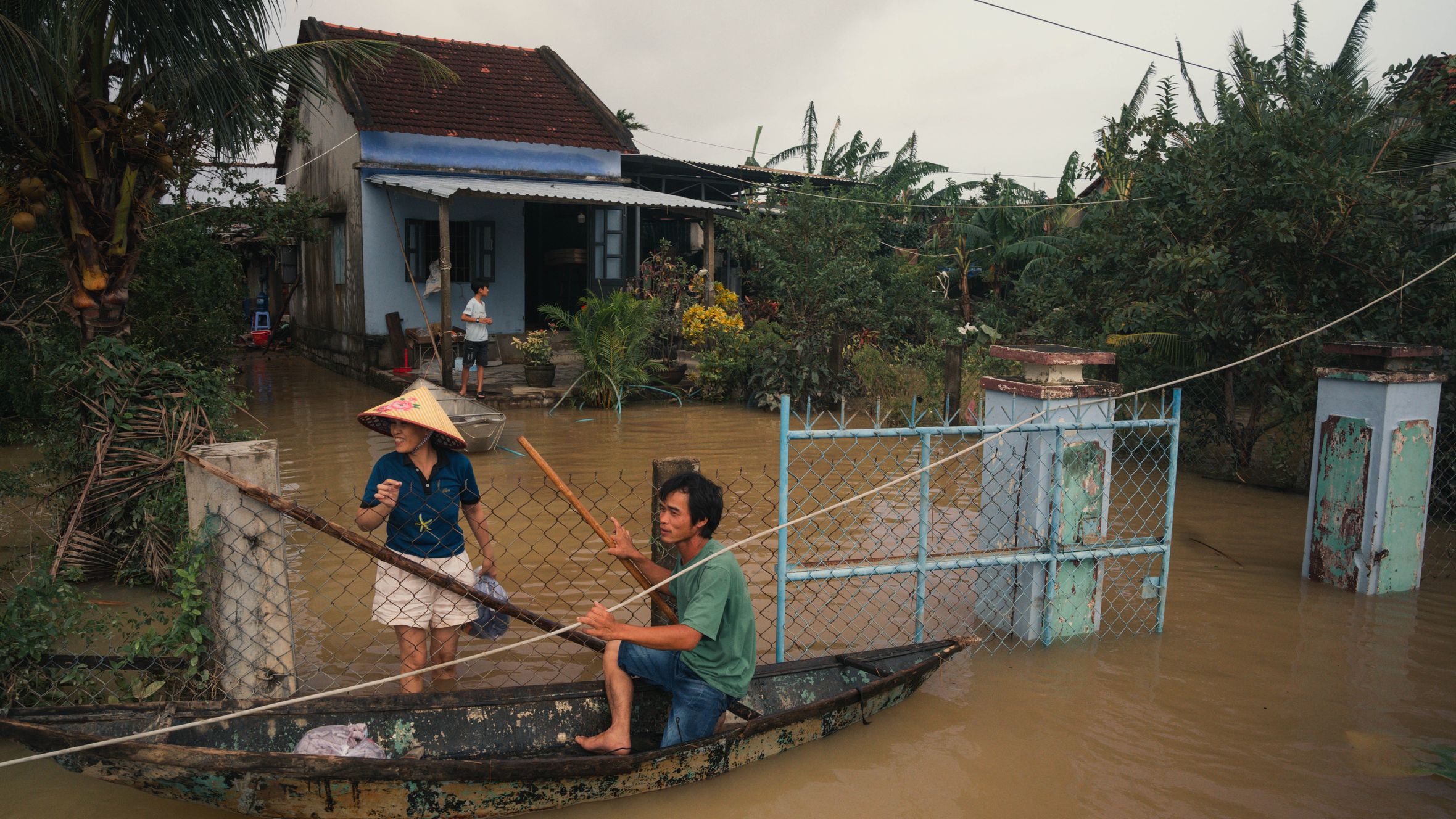
Photo by Alberto Capparelli on Pexels
Practical tips locals would tell you
- Bring mosquito repellent. The flooded forest is mosquito territory, especially late afternoon. Spray up before the boardwalk.
- Wear shoes that can get wet. The walkways splash during flood season. Flip-flops are fine but sandals with a strap are better for grip.
- Entrance fee is around 100,000 VND per adult (as of recent visits), separate from boat rides. Pricing updates occasionally — carry extra cash since card payment isn't reliable here.
- Go early. Arrive before 9 AM if possible. The light is better, domestic tour buses haven't arrived yet, and the birds are more active.
- Sunscreen and a hat. The lotus field and open-water sections have zero shade.
Common mistakes to avoid
Coming in dry season expecting the full experience. If the water is low, the boat routes shrink and the forest loses its flooded-forest character. Check conditions before you drive out.
Rushing it. This place rewards slow visits. Budget at least 3–4 hours to walk, boat, eat, and actually sit still for a while. People who blast through in 90 minutes wonder what the fuss was about.
Skipping the boat ride. The walkway is good, but the narrow waterways accessible only by "xuong" are where the forest feels most immersive. Don't cheap out on the 50,000 VND.
Practical notes
Lang Noi Tan Lap works well as a day trip from Saigon or as a stop on a longer loop through the Mekong Delta toward Can Tho. It pairs naturally with a visit to the Cao Dai Holy See in Tay Ninh if you're willing to drive a bit further north. Pack light, bring cash, and time your visit for flood season if you can.
Last updated · May 29, 2026 · independently researched, never sponsored.