Why this loop matters
Most visitors tick Cu Chi off as a morning excursion from Saigon, then head back. This route lets you stretch into the less-touristed provincial towns of Tay Ninh, catch the noon "Cao Dai" ceremony at one of Southeast Asia's strangest temples, climb Ba Den Mountain, and actually reach the Cambodia border at Moc Bai. It's three days that justify getting a motorbike driver or rental — and it's cheaper than staying central Saigon.
The loop covers roughly 180 km one-way if you return to Saigon, or about 140 km if you cross into Cambodia at Moc Bai and keep going toward Phnom Penh. Either way, you spend two nights outside the city for a fraction of District 1 hotel prices, eat provincial food that never makes it onto tourist menus, and see a side of southern Vietnam (베트남 / 越南 / ベトナム) that most short-stay visitors miss entirely.
Day 1 — Cu Chi Tunnels and the outskirts
Leave Saigon (사이공 / 西贡 / サイゴン) by 7:30 a.m. The Cu Chi Tunnels are 40 km northwest; traffic on Highway 22 is worst between 7:00–9:00 a.m., so go early or wait until 9:30 a.m. A motorbike taxi (Grab bike) costs around 60,000–80,000 VND; a full rental car with driver, 800,000–1,200,000 VND for the day.
Arrive at Ben Dinh or Ben Duoc (the two main entrance points). Ben Dinh is closer to town and more touristy; Ben Duoc is quieter and has less reconstructed "experience" feel — choose based on your patience for crowds. Spend 2–3 hours crawling through the tunnels, watching the propaganda film, and firing an AK-47 if you want (optional, costs extra). The tunnels are real and historically significant; the experience is half living-history museum, half theme park.
A few specifics worth knowing: entry tickets at Ben Dinh run 110,000 VND for adults (foreign visitors). Ben Duoc charges the same but offers a longer, less-polished tunnel route where you actually feel the claustrophobia. The AK-47 firing range at Ben Dinh charges roughly 60,000 VND per bullet, sold in packs of ten. Ear protection is provided but flimsy — bring your own plugs if you're noise-sensitive. The short documentary screened at the entrance is unapologetically one-sided, but it's part of the experience. Watch it.
Eat lunch nearby: pho or com tam (broken rice with grilled pork or fish) at one of the roadside stalls clustered near the entrance gates. Budget 40,000–60,000 VND per meal. The stalls closest to the parking lot charge a slight premium; walk 200 meters down the road for better prices and the same food. If you spot a place with a charcoal grill out front and a queue of local workers, sit down — that's your lunch sorted.
By 1:00 p.m., push northwest toward Tay Ninh town (another 40 km). Stop at Trang Bang village if you have time — it's on the way, famous for a Pulitzer-winning war photograph, and has a small museum and temple. Trang Bang is also locally known for "banh canh" — a thick tapioca-flour noodle soup served with pork knuckle. If you skipped lunch at Cu Chi, this is a worthy detour. A bowl runs 35,000–45,000 VND at the market stalls near the main road.
Otherwise, press on to Tay Ninh and find your accommodation. Guesthouses range from 200,000–400,000 VND. The town itself is unremarkable: dusty, provincial, real. That's the point.

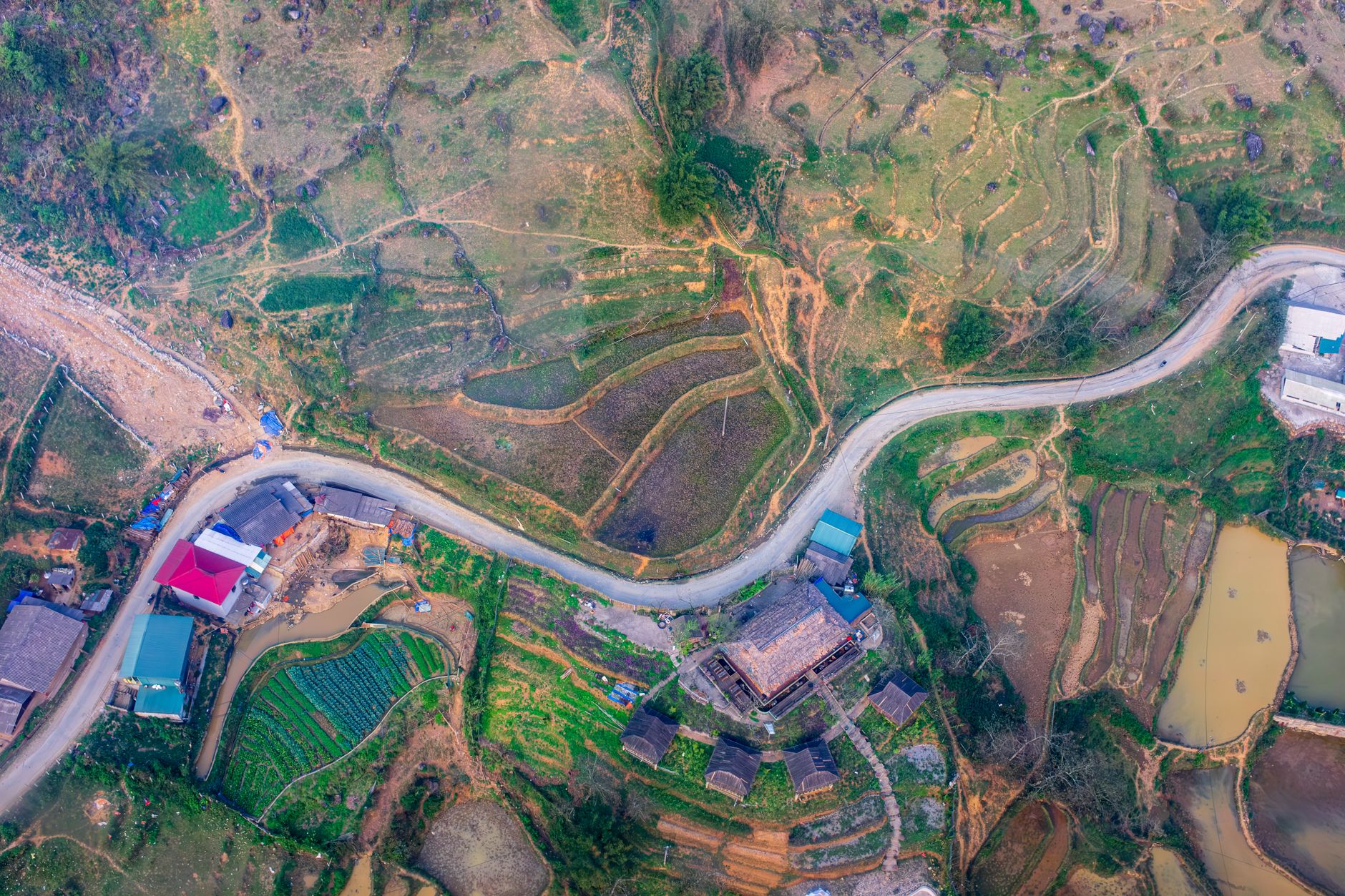
Photo by Thinh La on Pexels
Day 2 — Cao Dai Temple ceremony and Ba Den Mountain
Wake at 10:30 a.m. and head to the Holy See of Cao Dai Temple (5 km southeast of town). The main ceremony happens at noon and lasts about 45 minutes. Visitors can stand in a gallery overlooking the sanctuary — the sight is genuinely surreal: priests in elaborate robes of different colors (representing different faiths), incense clouds, chanting in Vietnamese. "Cao Dai" is a syncretic religion blending Buddhism, Confucianism, Catholicism, and local spirituality; the temple's architecture is a maximalist fever dream of symbols, neon dragons, and all-seeing eyes.
Respect the rules: no shoes inside, no loud talking, no photos during ceremony (photos allowed before/after). Dress modestly — shoulders and knees covered. The gallery sits on the upper level on both sides of the main hall; the left side (as you face the altar) tends to be less crowded. Arrive by 11:30 a.m. to get a spot near the railing. There is no entry fee, but a small donation box sits near the exit.
After the ceremony, walk the grounds. The complex is large — gardens, administrative buildings, side temples — and almost empty once the noon crowd disperses. The architecture deserves a slow lap: pastel columns, ceramic mosaics, and a globe-shaped altar piece with a giant eye painted on it. If you've been to Catholic cathedrals across Europe and Buddhist pagodas across Southeast Asia, this place will feel like someone merged them in a dream and added Christmas lights.
Lunch in Tay Ninh town at a local spot — try hu tieu (clear broth with pork and shrimp) or a banh mi from a street vendor. Budget 30,000–50,000 VND. Tay Ninh's version of "hu tieu" is slightly sweeter than the Saigon version and comes with more herbs — look for a shop near the central market called Cho Tay Ninh. You won't find English menus here. Point at what others are eating, or say "hu tieu kho" for the dry-noodle version, "hu tieu nuoc" for soup.
Afternoon: climb Ba Den Mountain (Black Virgin Mountain), 15 km north of town. It's not high (986 m) but has a cable car, temple on the summit, and decent views of Tay Ninh province and the flatlands. The hike up is 1–1.5 hours; cable car is 60,000 VND each way. The temple at the top is a popular local pilgrimage site. Bring water and sun protection. Descend by 4:30 p.m.
The cable car was upgraded a few years ago and now runs smoothly — it's a 10-minute ride with open views over the province's cassava and rubber plantations. If you hike, the trail is well-marked but steep in sections, with uneven stone steps. Wear proper shoes, not sandals. On weekends and holidays (especially [Lunar New Year](/posts/tet / 越南春节 / テト)-lunar-new-year-guide) or the Ba Den festival in spring), the mountain draws thousands of domestic pilgrims and the cable car queue can stretch to 45 minutes. Weekdays are dramatically quieter.
Dinner in Tay Ninh: look for a small "com ninh" spot or grilled chicken place. Nothing fancy — this is provincial eating. 40,000–60,000 VND. The grilled chicken joints along the road toward Ba Den are worth seeking out: whole birds roasted over charcoal, served with salt-pepper-lime dip, pickled vegetables, and rice. Split a chicken between two people for about 120,000 VND total.

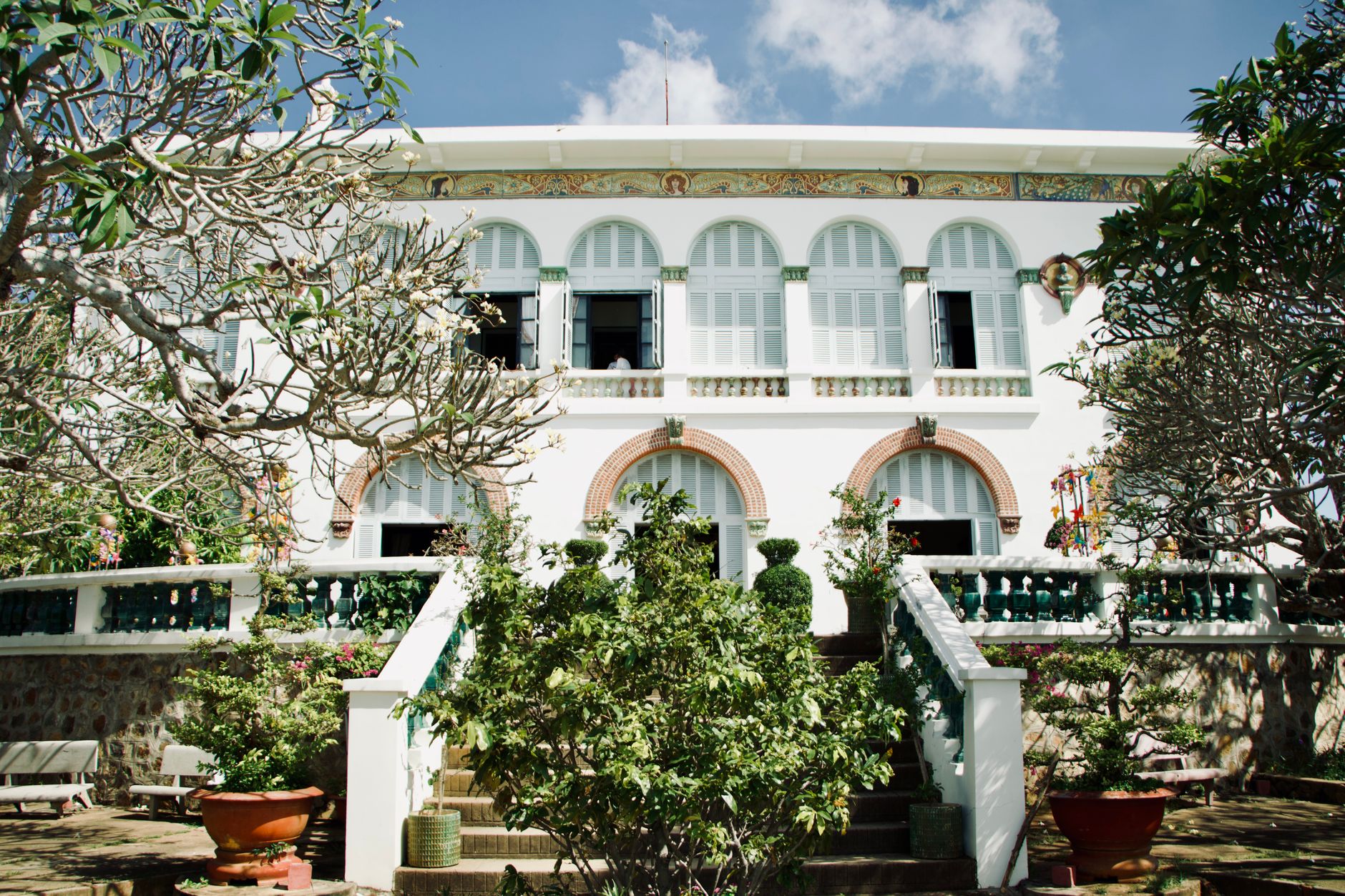
Photo by Ba Uoc Phung on Pexels
Day 3 — Moc Bai border or return to Saigon
If you're doing a visa run or just curious about the border, Moc Bai crossing is 40 km north of Tay Ninh. It's the main land crossing between Vietnam and Cambodia; buses and trucks rumble through constantly. You can visit the border zone, walk to the Cambodian side (if you have a visa), or simply turn around and head back to Saigon.
If you're not crossing, leave Tay Ninh by 8:00 a.m. and return to Saigon via Highway 22, arriving by midday. It's a straightforward 100 km drive south.
If you are crossing into Cambodia: Moc Bai has basic guesthouses and restaurants, but it's not a destination. Most travelers spend 1–2 hours at the border, take photos, and either cross or return. Visas and border fees vary; confirm current rules with your embassy before arrival.
A note on the Moc Bai crossing itself: the Vietnamese side is organized but slow. Expect queues of 20–40 minutes on busy mornings (weekdays are calmer). You'll pass through Vietnamese exit immigration, walk or ride across a short no-man's-land, then enter Cambodian immigration at Bavet. Cambodia offers visa-on-arrival here — a tourist visa (T-class) costs USD 30, payable in cash. Bring a passport photo; they technically require one, though enforcement varies. Don't pay "extra fees" demanded by individual officers — this is a known racket at land borders. The official price is posted on the wall. Be polite, be patient, don't argue loudly.
On the return route to Saigon, Highway 22 passes through Cu Chi district again. If you skipped Ben Duoc on Day 1 or want a second look, you could stop. Otherwise, the drive is flat, straight, and uneventful — rubber plantations, rice paddies, industrial zones. You'll hit suburban Saigon sprawl around Hoc Mon district, and traffic thickens from there. Budget 2–2.5 hours for the full drive, more during afternoon rush.
What to eat along the way
This loop passes through some underrated food territory. Beyond the pho, com tam, and hu tieu already mentioned, keep an eye out for:
- "Banh canh" in Trang Bang: thick, chewy noodles in a pork-bone broth. This is the town's signature dish. Stalls near the highway intersection are the go-to.
- "Banh trang phoi suong" in Tay Ninh: thin rice paper dried in the morning dew, often eaten as a snack with shredded green mango, dried shrimp, and chili sauce. This is a Tay Ninh specialty you won't find easily in Saigon. Buy sheets at the market (5,000–10,000 VND per pack) to take home.
- Grilled "bo" (beef) at roadside barbecue spots between Cu Chi and Tay Ninh — cheap cuts grilled over lychee-wood charcoal. Usually served with rice paper wraps and herbs.
- Goi cuon (fresh spring rolls) are available everywhere as a snack, but provincial versions tend to be larger and stuffed with more herbs than the Saigon tourist-menu kind.
- Ca phe sua da — iced coffee with condensed milk — is the default drink at every rest stop. Order by saying "ca phe sua da" and nothing else. A glass costs 15,000–25,000 VND. Some roadside cafes also serve "ca phe den" (black coffee) if you skip the sweetness.
Common mistakes on this route
- Booking a Cu Chi day tour and trying to add Tay Ninh. Most Saigon tour companies offer Cu Chi + Cao Dai as a single day trip. It works, technically, but you'll spend six hours in a van and get 30 minutes at each site. This itinerary is built around staying overnight so you actually experience the places.
- Arriving at the Cao Dai ceremony late. The noon ceremony starts at 12:00 sharp. If you walk in at 12:15, the gallery is full, the chanting has begun, and staff will shush you. Be there by 11:30.
- Wearing shorts and tank tops to the temple. Cao Dai clergy take dress codes seriously. You may be turned away or given a wrap that doesn't quite fit. Bring a light long-sleeve shirt and trousers.
- Underestimating the Ba Den hike. It's under 1,000 meters, but the trail gains elevation quickly and there's no shade on the lower sections. Bring at least 1.5 liters of water per person. Heatstroke cases happen here, mostly among visitors who assume a short hike means an easy one.
- Not carrying enough cash. Tay Ninh has ATMs (Vietcombank, Agribank near the market), but they occasionally run dry on weekends. Cards are essentially useless outside Saigon on this route. Carry at least 1,000,000 VND in small bills for the two provincial days.
- Expecting English at the Moc Bai border. Immigration officers speak limited English. Have your documents ready, printed where possible. Don't rely on Google Translate mid-queue — cell signal can be weak at the crossing.
Quick reference
- Total loop distance: ~180 km (Saigon – Cu Chi – Tay Ninh – Moc Bai – Saigon)
- Duration: 3 days / 2 nights
- Budget (backpacker): 1,200,000–1,800,000 VND total (excluding Saigon accommodation)
- Budget (comfortable): 2,500,000–3,500,000 VND total with a hired driver
- Cu Chi Tunnels entry: 110,000 VND (Ben Dinh or Ben Duoc)
- Ba Den cable car: 60,000 VND one way
- Cao Dai Temple: free entry, donations welcome
- Moc Bai border hours: generally 7:00 a.m. – 5:00 p.m. (confirm in advance)
- Cambodia visa on arrival (Bavet): USD 30, passport photo required
- Best time to go: November – March (dry season, cooler mornings)
- Worst time: May – September (afternoon downpours can flood Highway 22 sections)
Practical notes
Rent a motorbike (200,000–300,000 VND/day) or hire a driver (800,000–1,200,000 VND/day for the loop). Public buses exist but are slow and less flexible — the Saigon-to-Tay-Ninh bus from An Suong station costs about 60,000 VND and takes 2.5–3 hours, but drops you at Tay Ninh bus station with no onward connection to Ba Den or Moc Bai without a xe om (motorbike taxi).
Tay Ninh town has no tourist infrastructure — ATMs work, but English is rare. The ceremony at Cao Dai Temple runs on a fixed schedule; check times in advance (usually noon, 6:00 p.m., midnight, 4:00 a.m.). Bring cash for all meals and small expenses; cards don't work reliably outside Saigon.
If you're riding a motorbike, fill up in Cu Chi town — fuel stations thin out between Cu Chi and Tay Ninh. Highway 22 is in decent condition but has no lighting outside towns, so avoid riding after dark. Trucks use this road heavily, especially near the border, and they don't yield to bikes.
For those returning to Saigon with time to spare, consider a stop in Saigon's Chinatown (Cho Lon / District 5) on the way back. It's slightly off the Highway 22 route but only adds 15 minutes, and the food — especially mi quang at the Binh Tay Market area or a bowl of bun rieu from a District 5 side street — is a strong contrast to what you've been eating in the provinces.
Bottom line
This loop won't show up in most Saigon guidebooks because each stop gets reduced to a half-day excursion. Taken together, though, Cu Chi, Tay Ninh, and the Moc Bai corridor give you a look at southern Vietnam that sits completely outside the backpacker trail. The food is cheaper, the towns are quieter, and the Cao Dai ceremony alone is worth the overnight stay. Pack light, carry cash, leave early, and give the provinces the time they deserve.
Last updated · May 29, 2026 · independently researched, never sponsored.