What it is
Lang Plei Op sits about 4 km east of central Pleiku, the capital of Gia Lai province in Vietnam's Central Highlands (중부 고원 / 中部高原 / 中部高原). It's a functioning Jarai village — not a museum recreation — where around 200 households live in traditional stilt houses clustered around a communal "rong" house. The village has been here for generations, predating Pleiku's expansion as a provincial city, and it remains one of the most accessible ethnic minority settlements in the highlands for travelers who don't have time to venture deep into remote districts.
The Jarai are the largest ethnic group in Gia Lai, and Plei Op preserves a way of life that's rapidly disappearing in villages closer to main roads. Gong ensembles still perform during festivals, rice wine jars appear at communal gatherings, and the tall-roofed rong house functions as a genuine community meeting point rather than a tourist prop.
Why travelers go
Most people visiting Gia Lai are passing through on a motorbike loop or heading to the sea forests and waterfalls further out. Lang Plei Op works because it's close to Pleiku — you can visit in a couple of hours without organizing a full expedition.
The draw is cultural, not scenic. You're walking through a village where the architecture, social structure, and daily activities reflect Jarai traditions. The rong house is the centerpiece: a soaring wooden structure with a thatched roof that can reach 15-17 meters high. Inside, you'll see gong sets, woven textiles, and carved wooden figures. If you time it right during a festival or ceremony, you might witness a gong performance — the Central Highlands gong culture is recognized by UNESCO as intangible heritage.
Photographers come for the stilt houses against the red-earth backdrop, the texture of woven walls, and the light filtering through the rong house interior.
Best time to visit
Gia Lai's dry season runs from November through April. The best months are December to March — clear skies, cooler highland temperatures (18-25°C in Pleiku), and minimal mud on the village paths.
If you want to see ceremonies, aim for the period after the rice harvest (roughly March-April) when villages hold communal celebrations. The Jarai "poh" water-blessing ceremonies and buffalo sacrifice festivals tend to happen in this window, though exact dates shift yearly. Ask at your guesthouse or the Gia Lai Department of Culture for current schedules.
Avoid June through September — heavy rain turns the unpaved village paths slippery and photography conditions deteriorate.
How to get there
Pleiku has a domestic airport (Pleiku Airport, code PXU) with daily flights from Saigon and Hanoi on Vietnam (베트남 / 越南 / ベトナム) Airlines and VietJet. Flight time from Saigon is about 1 hour.
From Pleiku center, Lang Plei Op is a 10-minute motorbike ride east along Tran Nhan Tong street. A Grab bike costs around 20,000-30,000 VND one way. If you're riding your own motorbike, follow Le Duan east from the center, then turn onto Tran Nhan Tong — the village entrance is marked by a modest gate on the left side.
From Da Nang or Hoi An, the overland route via Kon Tum takes about 6-7 hours by bus. Buses from Saigon's Mien Dong station run overnight (10-11 hours, around 250,000-350,000 VND).

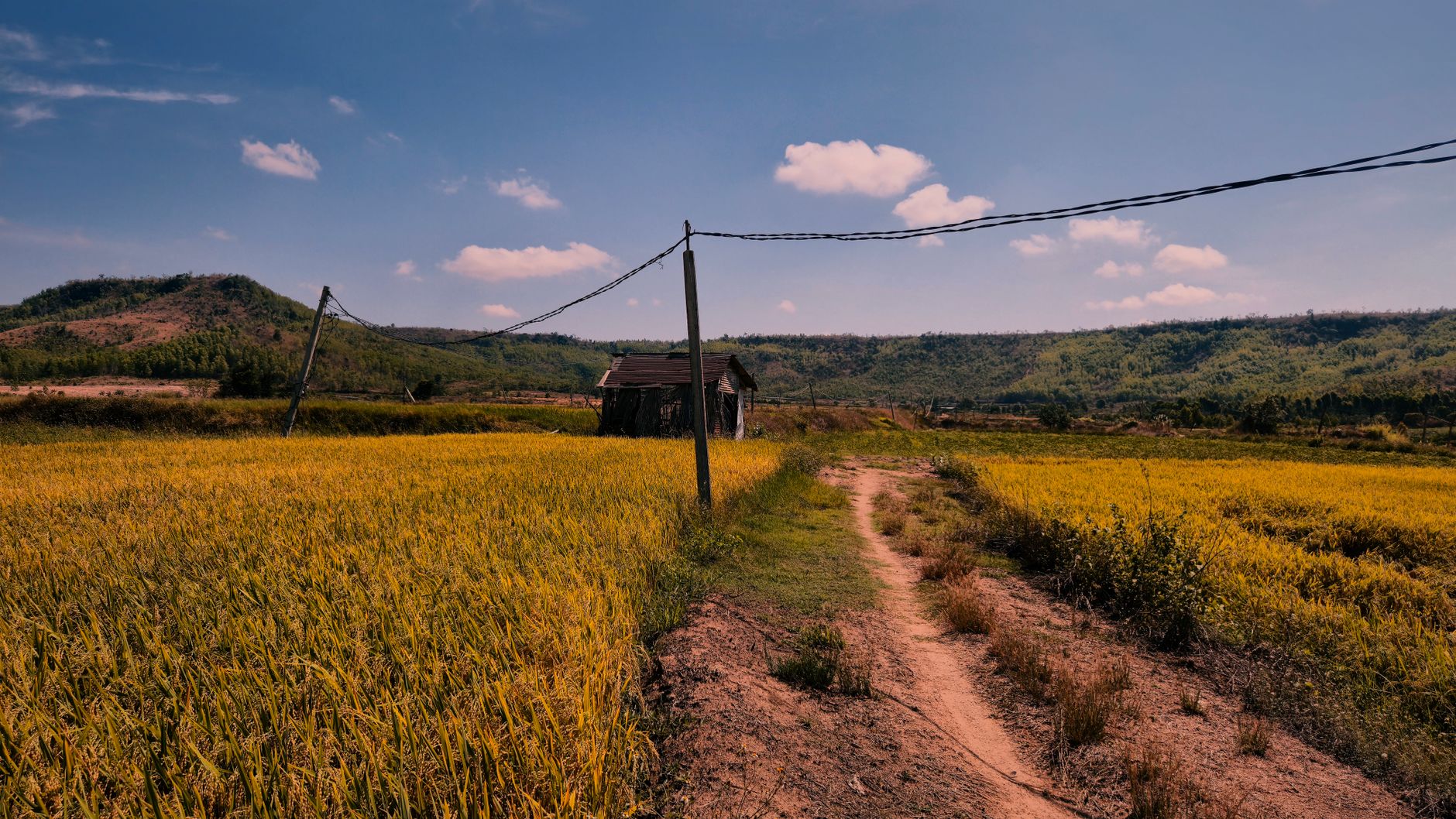
Photo by Tường Chopper on Pexels
What to do
Walk the village
No ticket booth, no guided route. Enter through the main gate and follow the packed-earth paths between stilt houses. The rong house is usually visible from the entrance — it's the tallest structure. You can walk underneath the stilt houses (the ground level is open, used for storage and shade). Locals are generally relaxed about visitors, but ask before photographing people directly.
Visit the rong house
The communal house is open most days. Remove shoes before entering. Inside, look for the gong collection, rice wine jars ("che" — fermented rice wine drunk through bamboo straws), and carved wooden totems. If a village elder is around, a small gift (fruit, cigarettes, or a modest cash contribution of 50,000-100,000 VND to the community fund) goes a long way.
Catch a gong performance
Outside of festivals, some local tour operators in Pleiku can arrange a gong demonstration with advance notice (typically 500,000-1,000,000 VND for a group). The Gia Lai Museum of Ethnology on Quang Trung street in Pleiku also occasionally hosts highland cultural performances.
Combine with Bien Ho (Sea Lake)
Bien Ho (also called T'Nung Lake) is a volcanic crater lake about 7 km north of Pleiku. Pair it with Plei Op for a half-day loop — the lake in the morning for mist views, the village in the afternoon when light hits the rong house roof.
Where to eat
Lang Plei Op itself has no restaurants. Head back to Pleiku for meals:
- Pho Kho Gia Lai — Gia Lai's signature dish is dry "pho" served with broth on the side and minced pork. Try stalls along Nguyen Van Troi street, 30,000-40,000 VND per bowl.
- Com tam — broken rice plates with grilled pork are everywhere along Tran Phu street.
- Bun cha Gia Lai — a local variation closer to bun cha than anything you'd find in Hanoi, with grilled pork patties and a thinner broth.
- For highland coffee, Pleiku produces some of Vietnam's best robusta. Skip chains and try any small "ca phe" shop on Hung Vuong street — iced black with condensed milk runs 15,000-20,000 VND.
Where to stay
Pleiku has limited international-standard hotels but decent budget and mid-range options:
- Hoang Anh Gia Lai Hotel — the nicest option in town, around 600,000-900,000 VND/night. Clean, central, rooftop restaurant.
- HAGL Hotel — same ownership group, slightly newer.
- Guesthouses on Hung Vuong and Tran Phu — basic but clean rooms from 200,000-350,000 VND. Air conditioning, hot water, wifi.
Booking.com coverage is thin here. Walk-ins or call ahead.

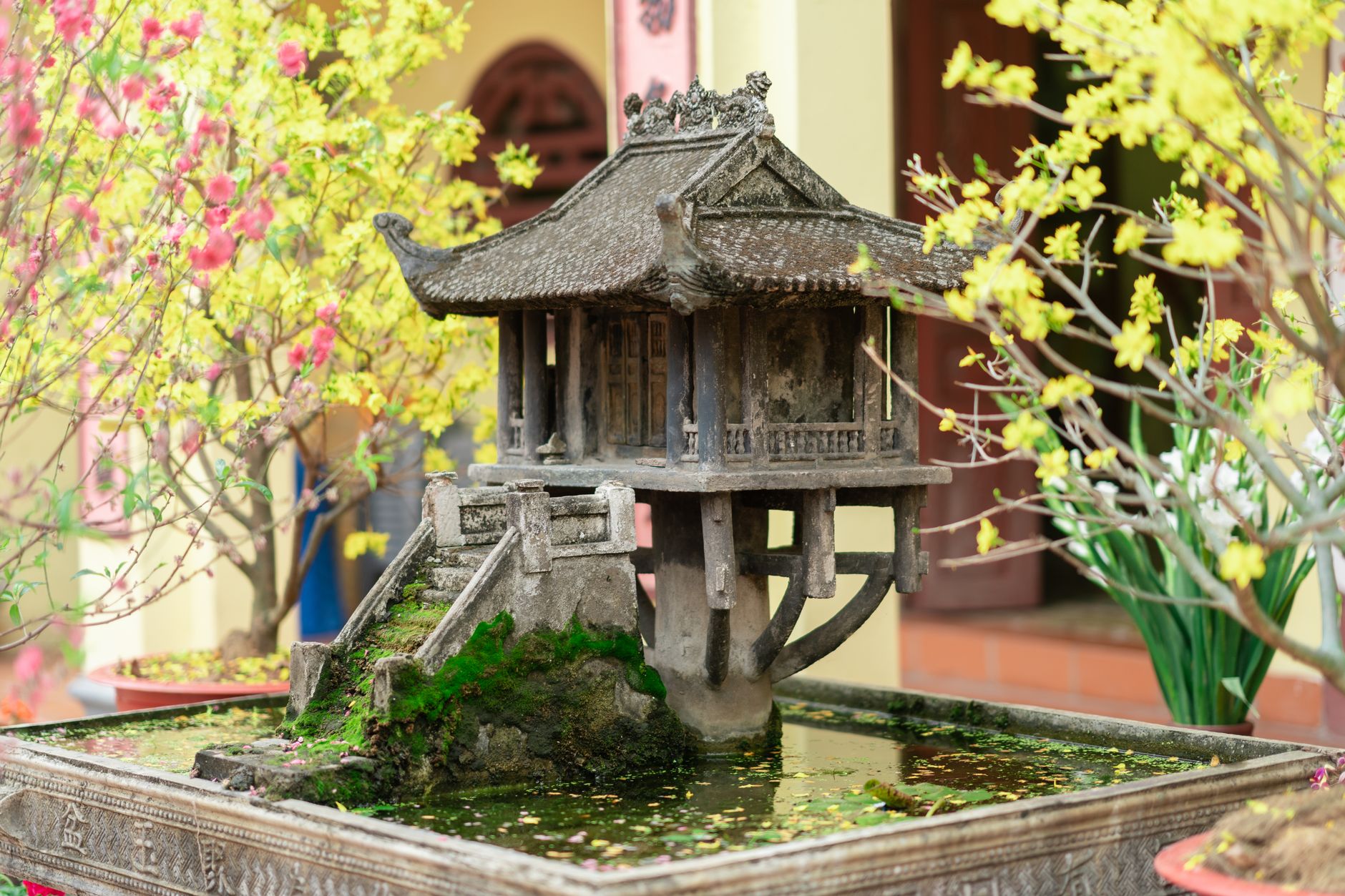
Photo by Quang Nguyen Vinh on Pexels
Practical tips
- Dress modestly. Shoulders and knees covered shows respect in a village setting.
- Bring cash — no ATMs or card machines in the village.
- A local guide isn't strictly necessary but adds depth. Ask at your hotel; expect 300,000-500,000 VND for a half-day.
- The village is a real community. Keep voices low, don't enter houses uninvited, and don't fly drones without asking.
Common mistakes
- Showing up during midday heat — villagers rest indoors from 11am-2pm. Come early morning or late afternoon.
- Expecting a polished tourism experience — there's no visitor center, no English signage, no souvenir shop. That's the point.
- Skipping Pleiku entirely — many travelers rush through Gia Lai toward Kon Tum or the coast. Pleiku itself is underrated: good food, cool weather, and easy access to highland villages like Plei Op.
Practical notes
Lang Plei Op works best as a half-day side trip from Pleiku rather than a standalone destination. Pair it with Bien Ho, the Gia Lai Museum, or a drive out to the tea and coffee plantations south of town. The village is free to enter, but bringing a small contribution for the community is good practice.
Last updated · May 29, 2026 · independently researched, never sponsored.