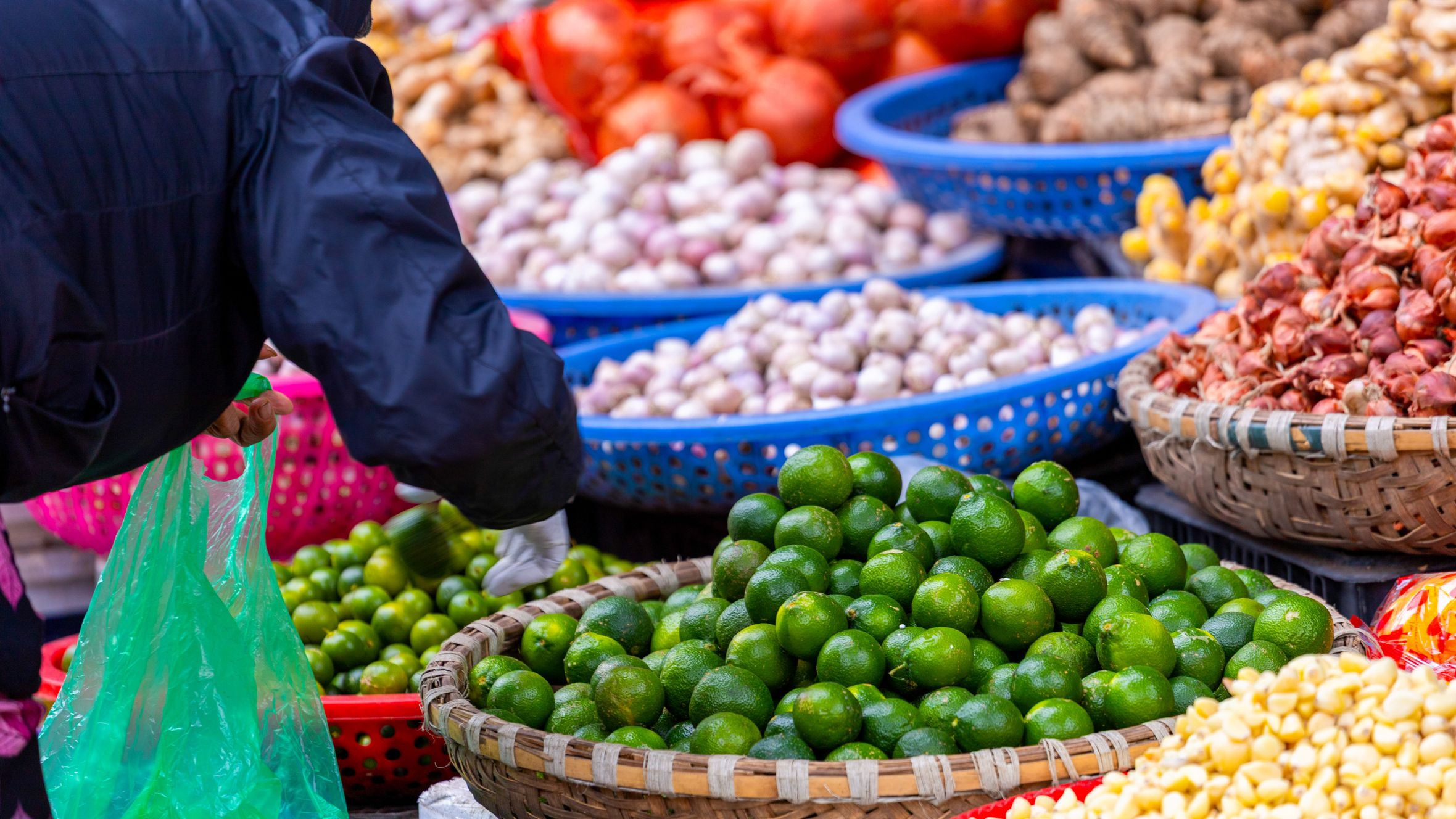
Cho Dong Kinh is the kind of market where you walk in for a pair of socks and walk out three hours later carrying a ceramic tea set, two kilos of dried longans, and a winter jacket you didn't know you needed. Sitting right in the center of Lang Son city, about 150 km northeast of Hanoi, it's one of northern Vietnam (베트남 / 越南 / ベトナム)'s largest border trade markets — and one of the few that still feels like it exists for locals rather than tour groups.
What it is
Cho Dong Kinh (also written Dong Kinh Market) is a multi-story indoor market in Lang Son, a small provincial capital near the Chinese border. The current building dates to the mid-1990s, though market trading on this site goes back much further — Lang Son has been a trade corridor between Vietnam and China for centuries, and the area around the market has functioned as a commercial hub for generations.
The market sprawls across four main floors. Ground level is food: fresh produce, dried goods, spices, medicinal herbs, and snacks. Upper floors shift to clothing, textiles, household goods, electronics, and an enormous selection of Chinese-manufactured products at prices that undercut anything you'd find in Hanoi (하노이 / 河内 / ハノイ). There's also an outdoor section along the surrounding streets where vendors spread tarps and sell everything from knock-off luggage to ceramic cookware.
Why travelers go
Most foreign visitors end up in Lang Son either as a stopover on the way to or from China (the Huu Nghi border gate is about 15 km north) or as a day trip from Hanoi. Cho Dong Kinh is the main draw in the city itself. It's not a sanitized tourist market — it's loud, crowded, and genuinely commercial. Vietnamese traders come from across the north to buy wholesale. That energy is the point.
If you're interested in how cross-border trade actually works in Vietnam, this is one of the most accessible places to see it. And if you just want to shop, the prices on clothing, bags, and household items are consistently lower than Hanoi's Dong Xuan Market.
Best time to visit
Lang Son's climate is cooler than Hanoi, especially from November through February when temperatures can drop to 5-10°C — bring a jacket. The market is busiest (and most interesting) on weekends and in the weeks leading up to Tet, when traders stock up on goods for the holiday. If you want a calmer experience, go on a weekday morning.
Avoid the first few days of Tet / 越南春节 / テト) itself (usually late January or early February) — most stalls close entirely. The market picks back up around the fifth or sixth day of the lunar new year.
Summer months (June through August) are hot and humid but less crowded with domestic shoppers, so you'll have more room to browse.
How to get there from Hanoi
Lang Son is about 150 km from Hanoi, reachable via the Hanoi–Lang Son expressway. You have a few options:
- Bus: Limousine buses run from My Dinh and Gia Lam bus stations in Hanoi to Lang Son bus station. The trip takes roughly 3-3.5 hours. Tickets cost 120,000-180,000 VND depending on the operator. Hoang Long and Duc Phuc are reliable carriers.
- Train: A slow train runs from Hanoi's Gia Lam station to Dong Dang (near Lang Son). It takes about 5-6 hours and costs around 80,000-120,000 VND for a hard seat. Not the fastest option, but the scenery through the limestone valleys north of Bac Giang is worth it if you're not in a rush.
- Motorbike: If you're comfortable riding, the QL1A route is straightforward. Budget 3.5-4 hours with stops.
From Lang Son bus station, Cho Dong Kinh is about 2 km into the city center. A xe om (motorbike taxi) costs 15,000-20,000 VND, or you can grab a local taxi for around 30,000 VND.
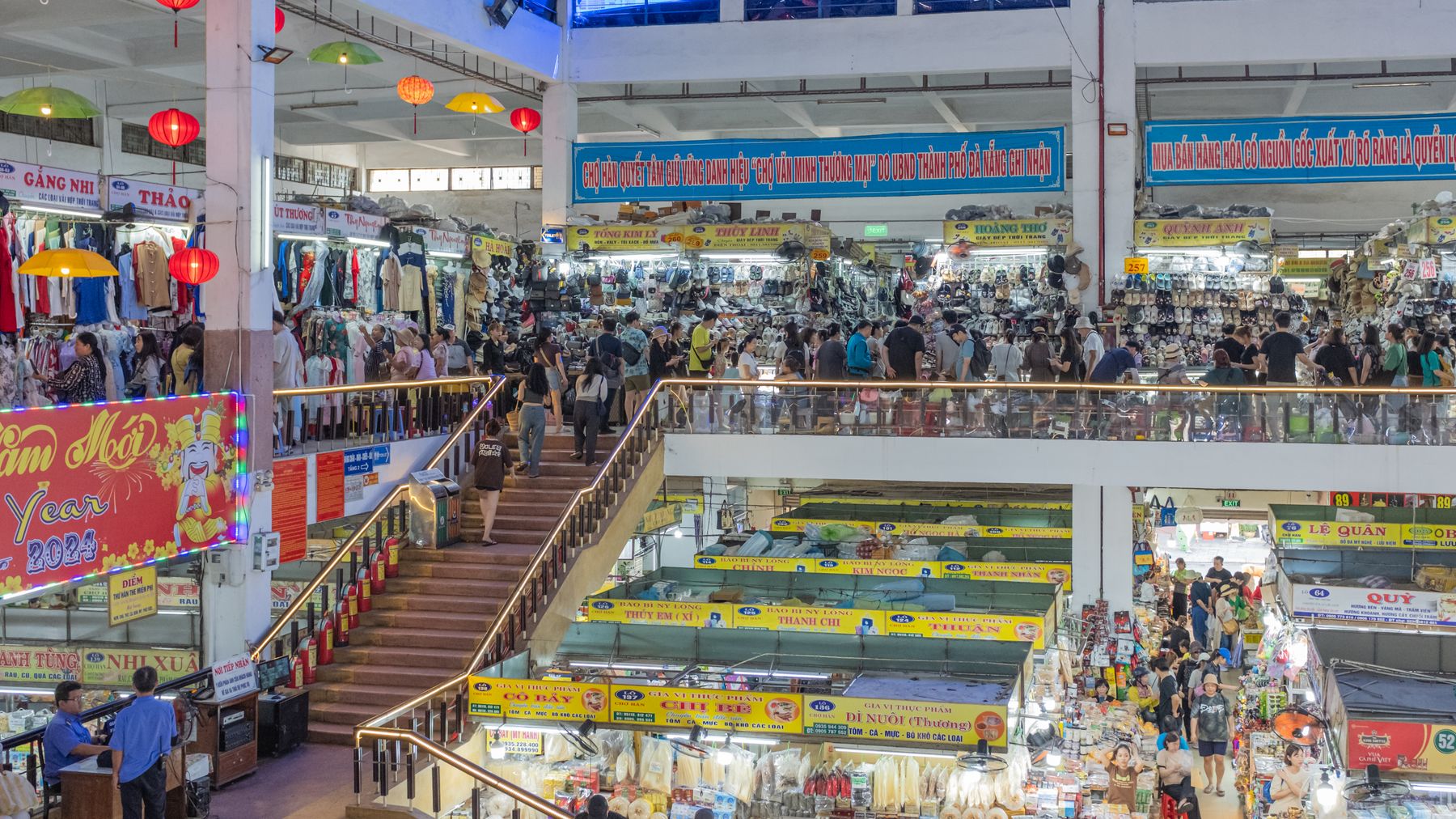
Photo by Kirandeep Singh Walia on Pexels
What to do
Browse the dried goods section (ground floor)
The ground floor is where Cho Dong Kinh is at its most chaotic and rewarding. Vendors sell dried fruits, mushrooms, Chinese medicinal herbs, star anise by the kilo, and an absurd variety of preserved meats. This is the place to pick up dried longan, black cardamom, and cinnamon bark at prices well below what you'd pay in Hanoi.
Shop for clothing and textiles (second and third floors)
The upper floors are stacked wall-to-wall with clothing — winter jackets, down vests, thermal wear, jeans, and knockoff brand-name gear. Quality varies wildly, so inspect seams and zippers before you buy. Bargaining is expected; start at about 60% of the asking price and work from there.
Walk the outdoor street market
The streets surrounding the main building turn into an open-air market, especially on weekends. Ceramics, kitchen tools, toys, cheap electronics, and fabric bolts are spread across tarps on the pavement. It's hectic and disorganized, which is part of the appeal.
Visit Ky Lua Market nearby
Cho Ky Lua, a few hundred meters from Dong Kinh, is another large market worth combining into your visit. It's slightly more focused on food and daily necessities and has a good selection of local mountain produce — forest honey, wild vegetables, and fresh tofu.
Try the roast duck
Lang Son is known across northern Vietnam for its roast duck ("vit quay"), prepared in a style influenced by the Chinese border region. The skin is lacquered and crispy, the meat tender and faintly sweet. Several stalls near the market sell it by the half or whole bird. A half duck runs about 150,000-200,000 VND.
Where to eat nearby
Aside from roast duck, Lang Son has a strong street food scene worth exploring. Look for "pho chua" (sour pho) — a local specialty that uses cold rice noodles tossed with pork, herbs, roasted peanuts, and a tangy vinegar-based dressing. It's nothing like the pho you know from Hanoi. Stalls along Tran Dang Ninh street serve solid versions for 30,000-40,000 VND.
For something warming, try "banh cuon" trung (rice rolls with egg) — a regional variation where a whole egg is cracked into the steamed rice batter. The stalls along Le Loi street near the market do this well.
Where to stay
Lang Son isn't a major tourist hub, so accommodation is mostly local hotels and guesthouses. Budget places near the market start at 200,000-300,000 VND per night for a clean room with air conditioning and hot water. Mid-range hotels with better furnishings and breakfast run 400,000-600,000 VND. There are no international-brand hotels here — expect Vietnamese-style nha nghi and khach san.
Muong Thanh Lang Son, on Tran Dang Ninh street, is probably the most comfortable option in town at around 500,000-700,000 VND per night.

Photo by RDNE Stock project on Pexels
Practical tips locals would tell you
- Bring cash. Almost no stalls accept card payments. ATMs are available near the market, but they occasionally run low on weekends. Withdraw in Hanoi before you go.
- Go early. The market opens around 6:00-6:30 AM, and mornings are the best time for fresh food shopping. By mid-afternoon, vendors start packing up.
- Bargain firmly but politely. Prices are often inflated for obvious outsiders. Speaking even a few words of Vietnamese helps.
- Watch your belongings. Pickpocketing happens in crowded market areas, especially on weekends. Keep your phone in a front pocket and leave valuables at your hotel.
Common mistakes to avoid
- Assuming everything is genuine. Brand-name goods here are almost always knockoffs. If a North Face jacket costs 200,000 VND, adjust your expectations accordingly.
- Not checking dried food quality. Some dried goods, especially mushrooms and herbs, can be old stock. Check for moisture, mold, or stale smells before buying in bulk.
- Trying to see everything in an hour. The market is bigger than it looks. Give yourself at least 2-3 hours to explore properly, more if you plan to eat.
- Skipping the surrounding streets. The outdoor market area and nearby Ky Lua Market are as interesting as the main building. Don't just stay inside.
Practical notes
Cho Dong Kinh is open daily from roughly 6:00 AM to 6:00 PM, with reduced hours on public holidays. Lang Son works well as a day trip from Hanoi if you leave early, or as an overnight stop if you're heading to or from the Chinese border. Combine it with a visit to Nhi Thanh Cave or Tam Thanh Pagoda if you have an extra half-day.
Last updated · May 29, 2026 · independently researched, never sponsored.






