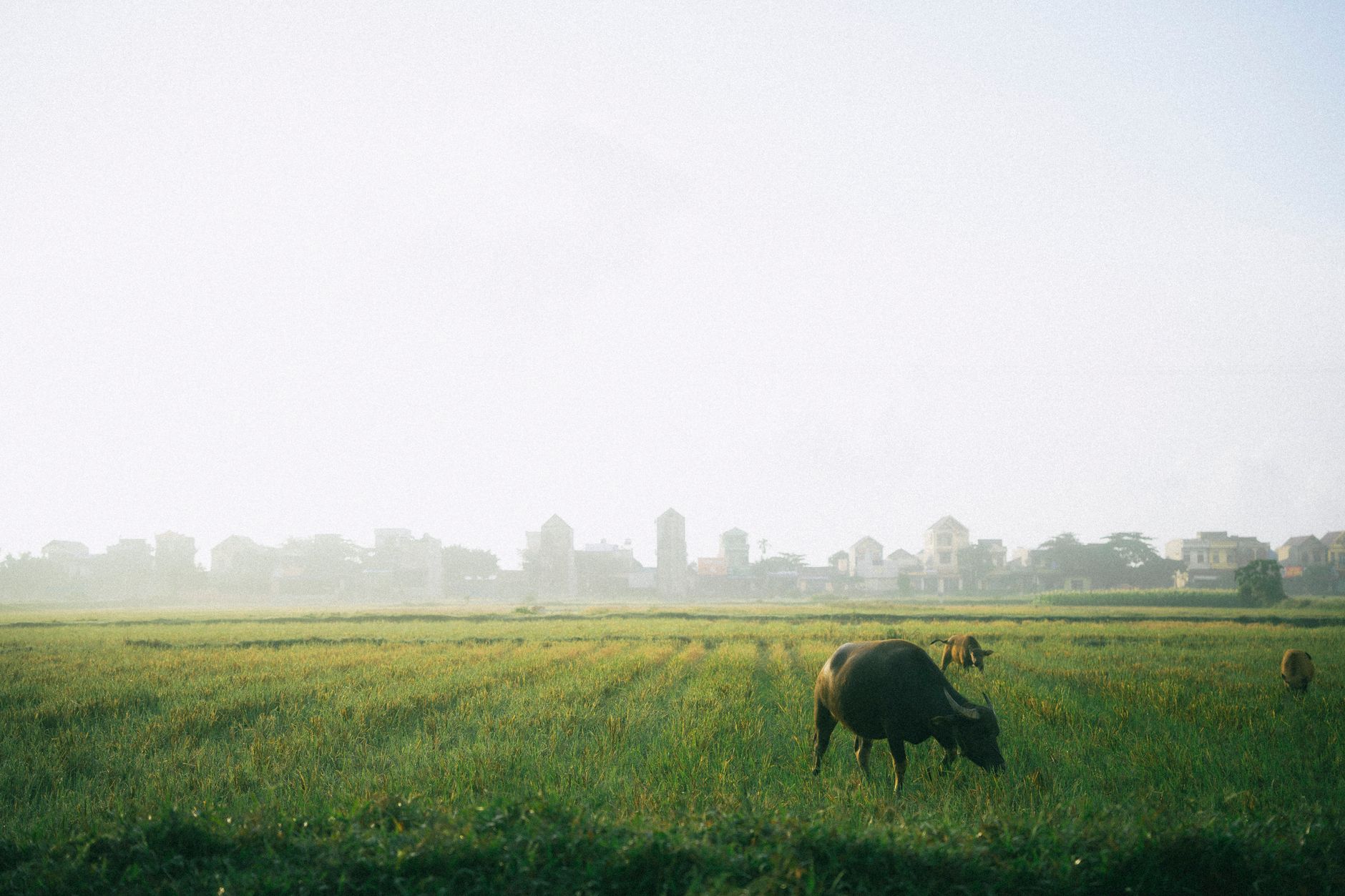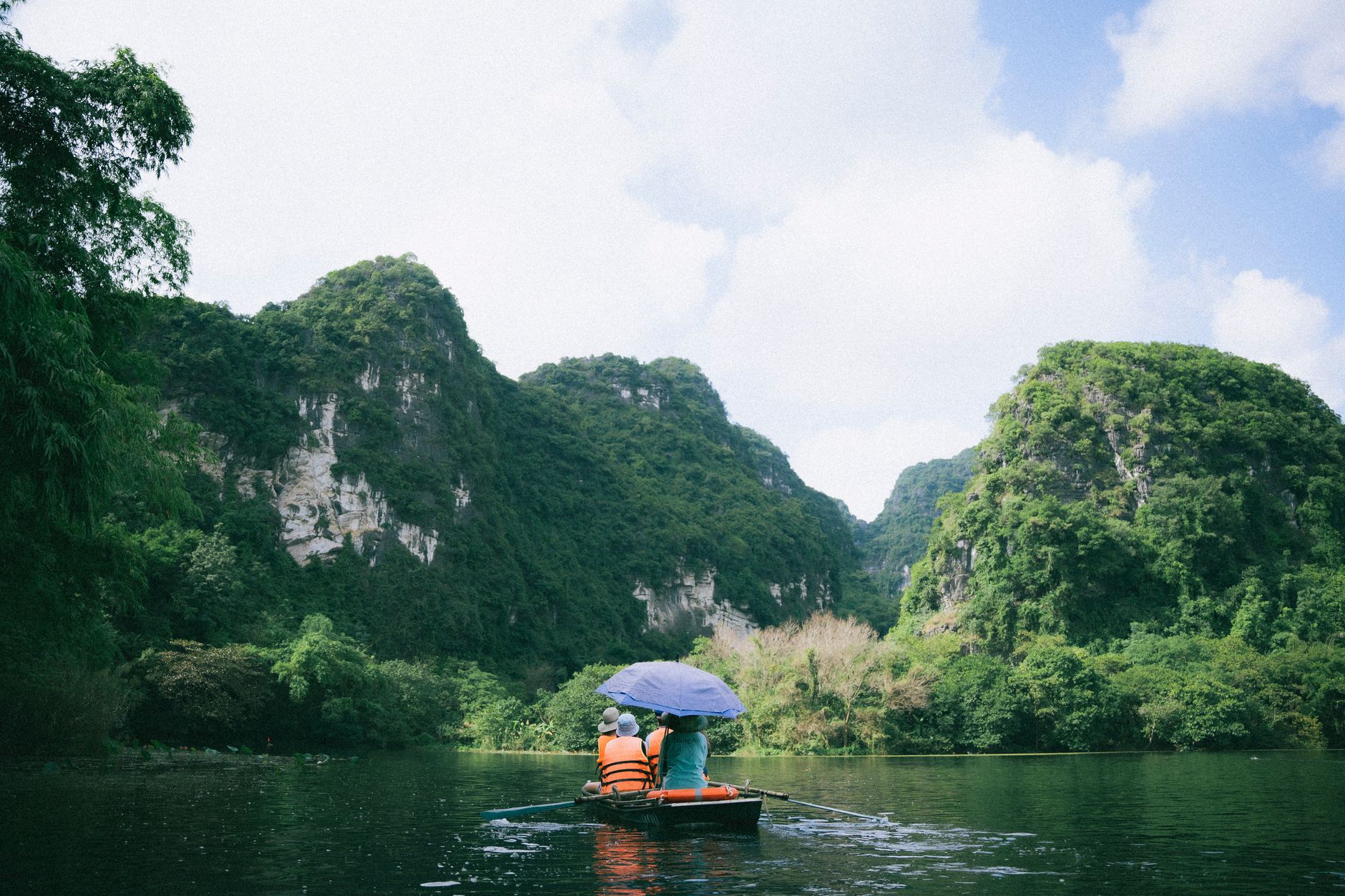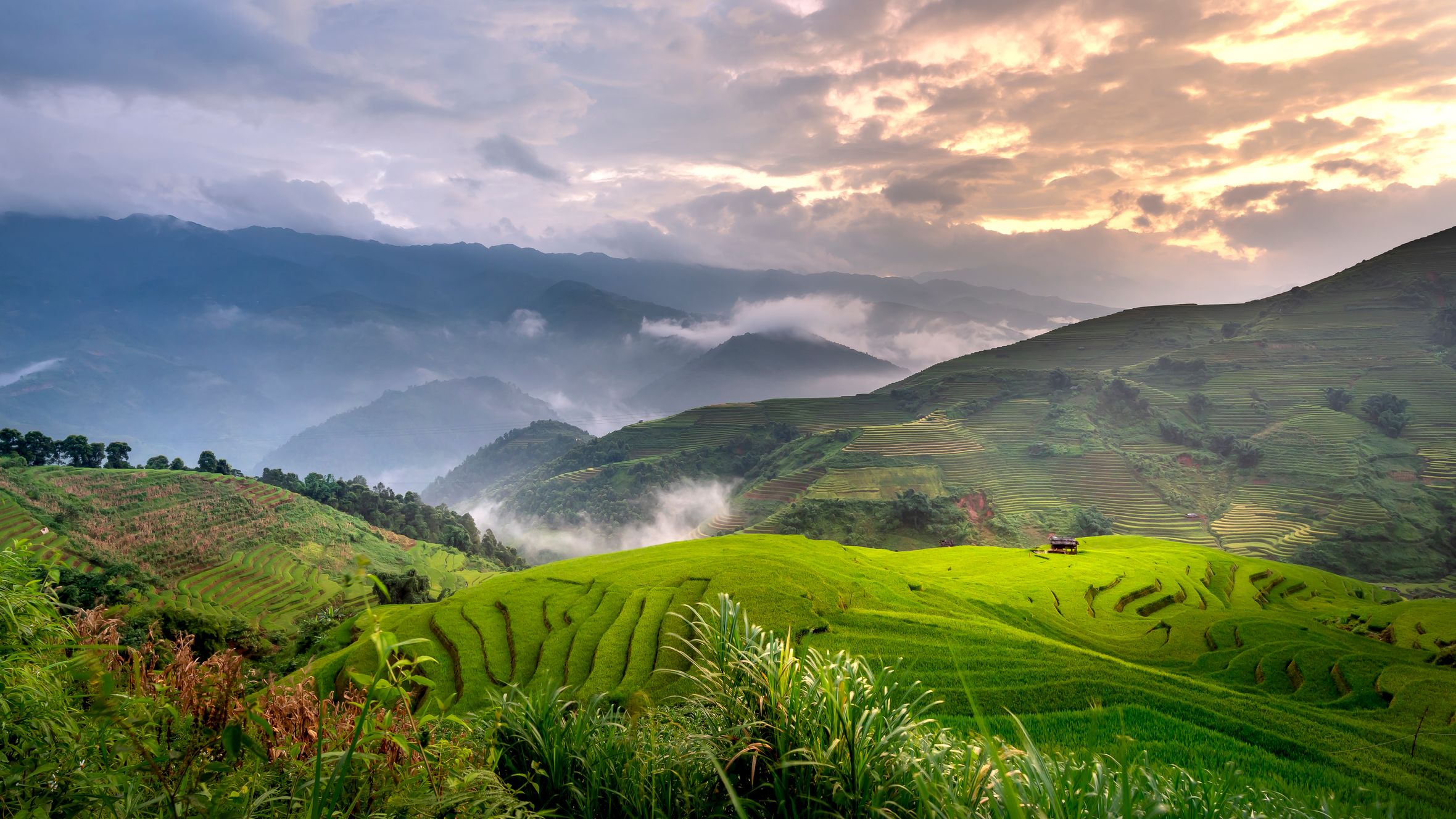
Lo Go - Xa Mat National Park sits in the northwest corner of Tay Ninh province, pressed against the Cambodian border about 35 km from Tay Ninh city. It's not on most tourist radars, and that's precisely why it's worth the trip if you care about wildlife, quiet trails, and seeing a part of southern Vietnam (베트남 / 越南 / ベトナム) that hasn't been smoothed over for visitors.
What It Is
The park covers roughly 18,800 hectares of semi-evergreen lowland forest, grassland, and seasonal wetlands — a landscape type that's been almost entirely cleared elsewhere in the Vietnamese south. It was designated a national park in 2002, upgraded from its earlier status as a nature reserve. The terrain is mostly flat, nothing like the highlands further north, but the biodiversity is serious: over 700 plant species, around 200 bird species, and populations of black-shanked douc langurs, one of Vietnam's rarest primates.
During the American War, this border area saw heavy activity along supply routes. You'll occasionally spot old bomb craters reclaimed by vegetation. The forest itself has regenerated significantly since the 1970s.
Why Travelers Go
Birdwatching is the main draw. The wetland areas attract a dense concentration of waterbirds during the wet season, and the forest supports species like the orange-necked partridge that birders travel considerable distances to spot. Beyond birds, the park offers a genuine sense of isolation — you can walk for hours without seeing another person, which is increasingly hard to find in southern Vietnam.
It's also a legitimate option if you're already visiting Tay Ninh for the Cao Dai Holy See temple and want to extend the trip beyond a single-day excursion from Saigon.
Best Time to Visit
The sweet spot is November through February — dry season, cooler temperatures (hovering around 26-30°C rather than the 35°C+ of March-April), and the trails are passable without wading through mud. The wetland areas still hold water from the preceding rains, so birdlife remains active.
Avoid May through October if you can. The park's flat topography means trails flood easily during the wet season, and some areas become genuinely impassable. Leeches come out in force.
How to Get There
From Saigon (사이공 / 西贡 / サイゴン), the most practical route:
- Bus to Tay Ninh city: Catch a bus from An Suong bus station (northwest Saigon) to Tay Ninh. Runs regularly, takes about 2.5-3 hours, costs around 80,000-100,000 VND.
- Tay Ninh to the park: From Tay Ninh city, you'll need a motorbike (rent one for about 150,000-200,000 VND/day) or hire a "xe om" (motorbike taxi) for the 35 km ride northwest to the park entrance near Tan Lap commune. Expect to pay around 150,000-200,000 VND one way for a xe om.
- Total travel time from Saigon: 4-5 hours including the connection.
If you're riding your own motorbike from Saigon, take QL22B through Tay Ninh city and continue northwest on DT795. The road is paved the whole way but narrow in the final stretch. Total distance: roughly 170 km.
There's no public transport directly into the park. This is a place where having your own wheels matters.

Photo by Vladimir Srajber on Pexels
What to Do
Walk the Forest Trails
The park maintains several marked trails through semi-evergreen forest. The main loop near the ranger station runs about 6 km and takes 2-3 hours at a relaxed pace. The canopy is dense enough to keep temperatures tolerable even in the warmer months. Keep an eye on the upper branches for langurs — early morning gives you the best odds.
Birdwatch at the Seasonal Wetlands
The "tram" (melaleuca) wetlands in the park's southern section are the real prize for birders. Bring binoculars. During dry season, birds concentrate around shrinking water sources, making them easier to spot. Look for painted storks, lesser adjutants, and various kingfisher species. A local ranger guide is worth hiring (around 300,000-500,000 VND for a half day) — they know exactly where species are nesting.
Visit the Border Area
The Xa Mat border gate with Cambodia is adjacent to the park's northern edge. There's not much to do at the crossing itself unless you're heading into Cambodia, but the ride up through the park's buffer zone passes through quiet Khmer and Vietnamese farming villages with sugar palm trees lining the road — a landscape that feels more Cambodian than Vietnamese.
Explore the Grasslands
The park's eastern sections open into "dong co" grassland areas, unusual for southern Vietnam. These flat expanses are best explored in the early morning when ground-nesting birds are active. It's also where you're most likely to encounter fresh animal tracks — wild boar and deer are present but shy.
Check the Ranger Station Exhibits
Small but informative. The displays cover local wildlife, forest ecology, and the park's conservation work with douc langurs. Worth 20 minutes before heading out on trails.
Where to Eat Nearby
Don't expect restaurants inside the park. Stock up in Tay Ninh city before heading out.
In Tay Ninh, seek out "banh canh" Tay Ninh style — thick tapioca noodles in a pork-based broth, topped with pork ribs and a generous hit of fried garlic. It's the local staple and costs 30,000-45,000 VND a bowl. "Banh trang phoi suong" (Tay Ninh rice paper) is the province's most famous product — thin, slightly chewy, eaten wrapped around herbs and grilled meat. Several shops along Cach Mang Thang Tam street in the city center sell it fresh.
Pack water and snacks for the park itself. There's nothing once you pass the entrance.
Where to Stay
The park has basic guesthouse accommodation near the ranger station — expect simple rooms with fans, shared bathrooms, around 200,000-350,000 VND per night. Book through the park management board in advance; don't show up assuming there's space.
Most visitors base themselves in Tay Ninh city, where budget hotels run 250,000-400,000 VND and mid-range options with air conditioning and decent beds go for 500,000-800,000 VND. Nothing fancy, but functional.
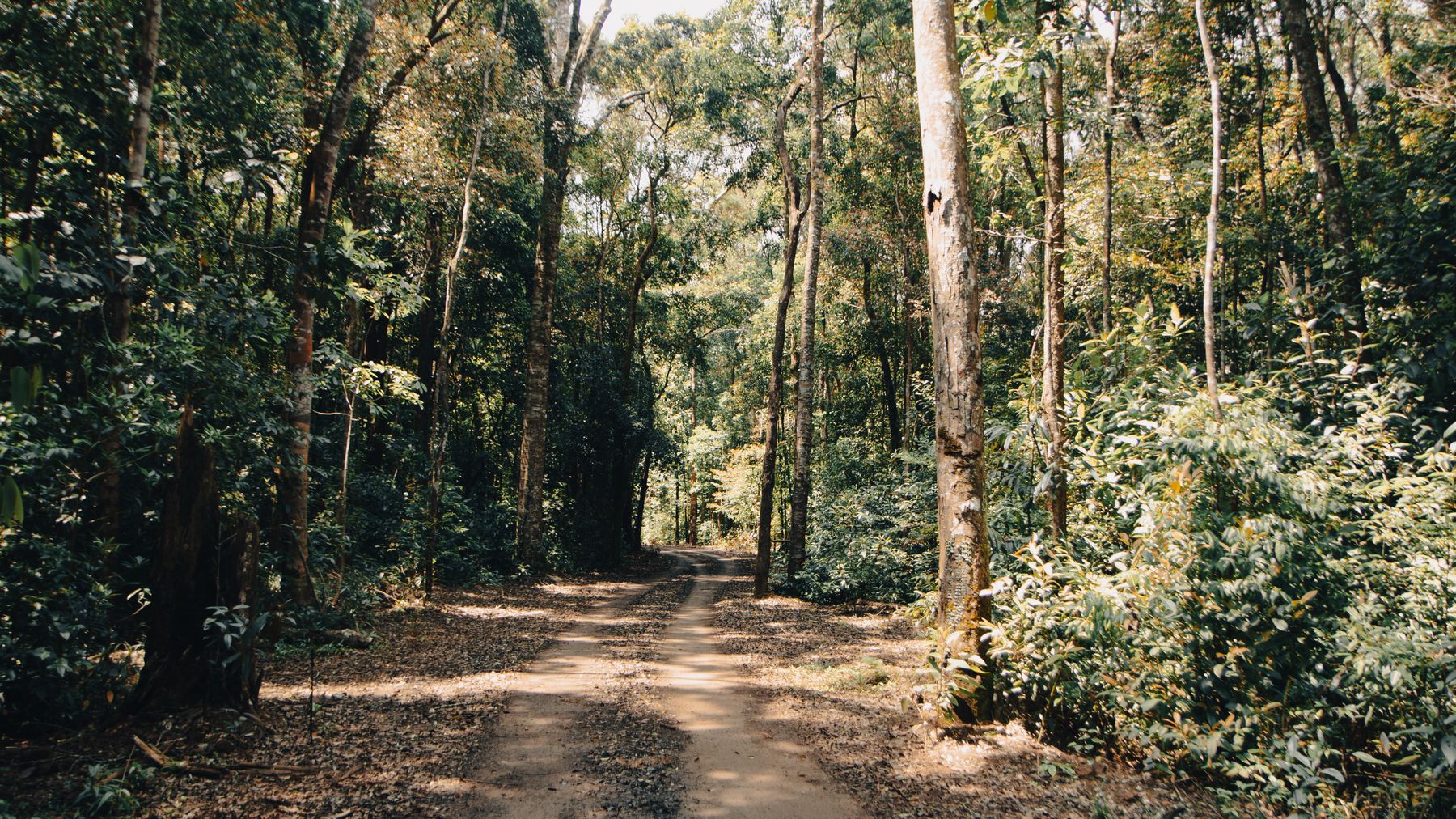
Photo by Tường Chopper on Pexels
Practical Tips
- Bring insect repellent. The wetland areas breed mosquitoes year-round. Long sleeves and DEET are non-negotiable.
- Hire a ranger guide. The trails aren't always well-marked, and a guide dramatically increases your chances of spotting wildlife. Arrange this at the entrance station.
- Carry cash. There are no ATMs anywhere near the park. Load up in Tay Ninh city.
- Start early. Wildlife is most active between 5:30 and 8:00 AM. The midday heat flattens everything.
- Fuel up in Tay Ninh. The last reliable gas station is in the city.
Common Mistakes
- Treating it as a half-day trip from Saigon. The travel time alone eats most of a day. Plan for at least one overnight in Tay Ninh.
- Skipping the guide. Walking alone means you'll see trees and hear birds. Walking with a ranger means you'll actually find the langurs and nesting sites.
- Coming in peak wet season. July-September rainfall turns trails into channels. You'll spend more time dealing with mud than enjoying the forest.
- Expecting national park infrastructure. This isn't Cat Tien. Facilities are minimal. That's part of the appeal, but come prepared.
Practical Notes
Lo Go - Xa Mat rewards the kind of traveler who doesn't need a curated experience. Pair it with a visit to the Cao Dai temple in Tay Ninh city, and you've got a solid two-day side trip from Saigon that most visitors to southern Vietnam never consider. Just bring your own water, your own wheels, and realistic expectations about comfort.
Last updated · May 26, 2026 · independently researched, never sponsored.