What it is
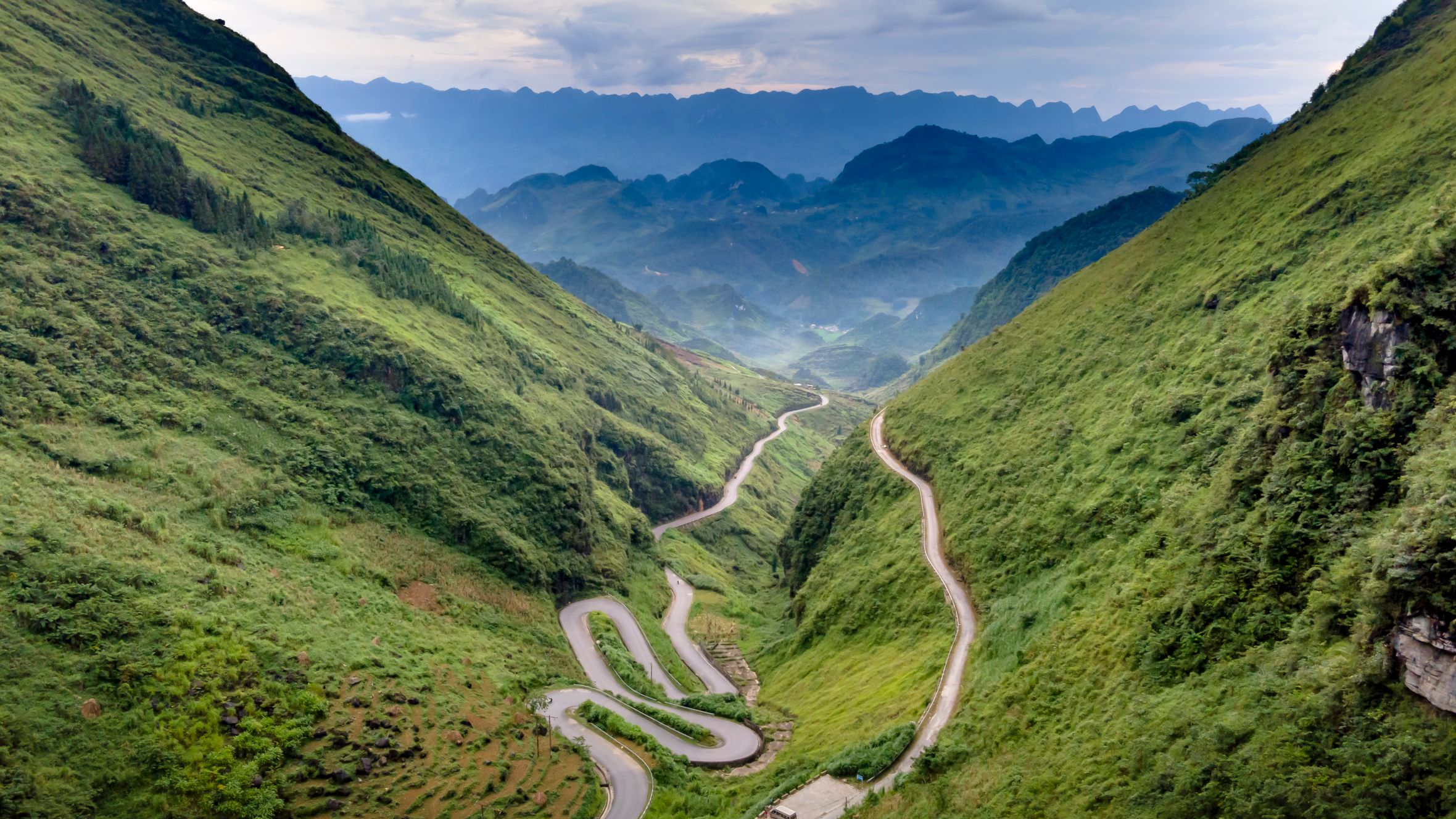
Muong Hoa Valley is the long, terraced river valley stretching about 15 km southeast of Sapa town in Lao Cai province. The Muong Hoa stream cuts through the center, flanked by some of the most photographed rice terraces in northern Vietnam (베트남 / 越南 / ベトナム). Several ethnic minority villages — Lao Chai, Ta Van, Hau Thao, Su Pan — sit along the valley floor and hillsides, home primarily to Black Hmong and Giay communities.
The valley also holds a collection of roughly 200 carved boulders scattered along the stream banks, etched with symbols that predate any written records in the region. Nobody knows exactly who made them or why. They were classified as a national monument in 1994.
Why travelers go
Three reasons, mostly:
-
The terraces themselves. Not postcard-flat like Bali — these are steep, narrow, stacked dramatically up mountainsides. In September-October, they turn gold before harvest. In May-June, they're flooded and mirror the sky.
-
Village walks without the theme-park feeling. Lao Chai and Ta Van are on the tourist trail, yes, but walk 30 minutes past Ta Van toward Giang Ta Chai and the crowds thin fast. You'll pass through working farms, not souvenir corridors.
-
The rock carvings. Easy to miss if you don't know where to look — most are between Hau Thao and Ta Van along the stream. Strange geometric patterns and human-like figures on moss-covered boulders.
If you're already visiting Sapa (사파 / 沙坝 / サパ), Muong Hoa Valley is the main event. The town itself is mostly hotels and tourist restaurants — the valley is where you actually experience the landscape.
Best time to visit
Late September to mid-October — harvest season. The terraces glow amber and gold, farmers are cutting rice, and the weather is usually clear with cool mornings.
Late May to June — transplanting season. Terraces are flooded, creating mirror-like pools. Lush green everywhere, but expect afternoon rain.
Avoid December-February unless you like fog. Sapa gets cold (5-10°C at night, occasionally frost), and the terraces are brown stubble. Visibility can drop to 20 meters for days. Some travelers like the moody atmosphere — most find it frustrating for photography and trekking.
March-April is a middle ground: dry, warming up, terraces starting to green. Fewer tourists than autumn.
How to get there
From Hanoi to Sapa:
- Sleeper bus: 5-6 hours overnight. Companies like Sapa Express or Hung Thanh run daily departures from My Dinh bus station. Around 250,000-350,000 VND one way.
- Train to Lao Cai city (8 hours, departing Hanoi station around 21:00-22:00), then a 45-minute minibus or taxi up to Sapa. Train berths run 500,000-700,000 VND depending on class.
- Private car: about 5 hours via the Hanoi-Lao Cai expressway. Expect 3,500,000-4,500,000 VND for the whole vehicle.
From Sapa to Muong Hoa Valley:
- The valley starts roughly 8 km from Sapa town center. You can walk downhill from town to Lao Chai village in about 90 minutes — a paved road most of the way, then a concrete path.
- Motorbike rental in Sapa: 150,000-200,000 VND/day. The road to the valley is paved and manageable for confident riders.
- Xe om (motorbike taxi) to Lao Chai: around 50,000-80,000 VND one way.
- Many hotels arrange shuttle vans to the valley trailhead for 30,000-50,000 VND per person.
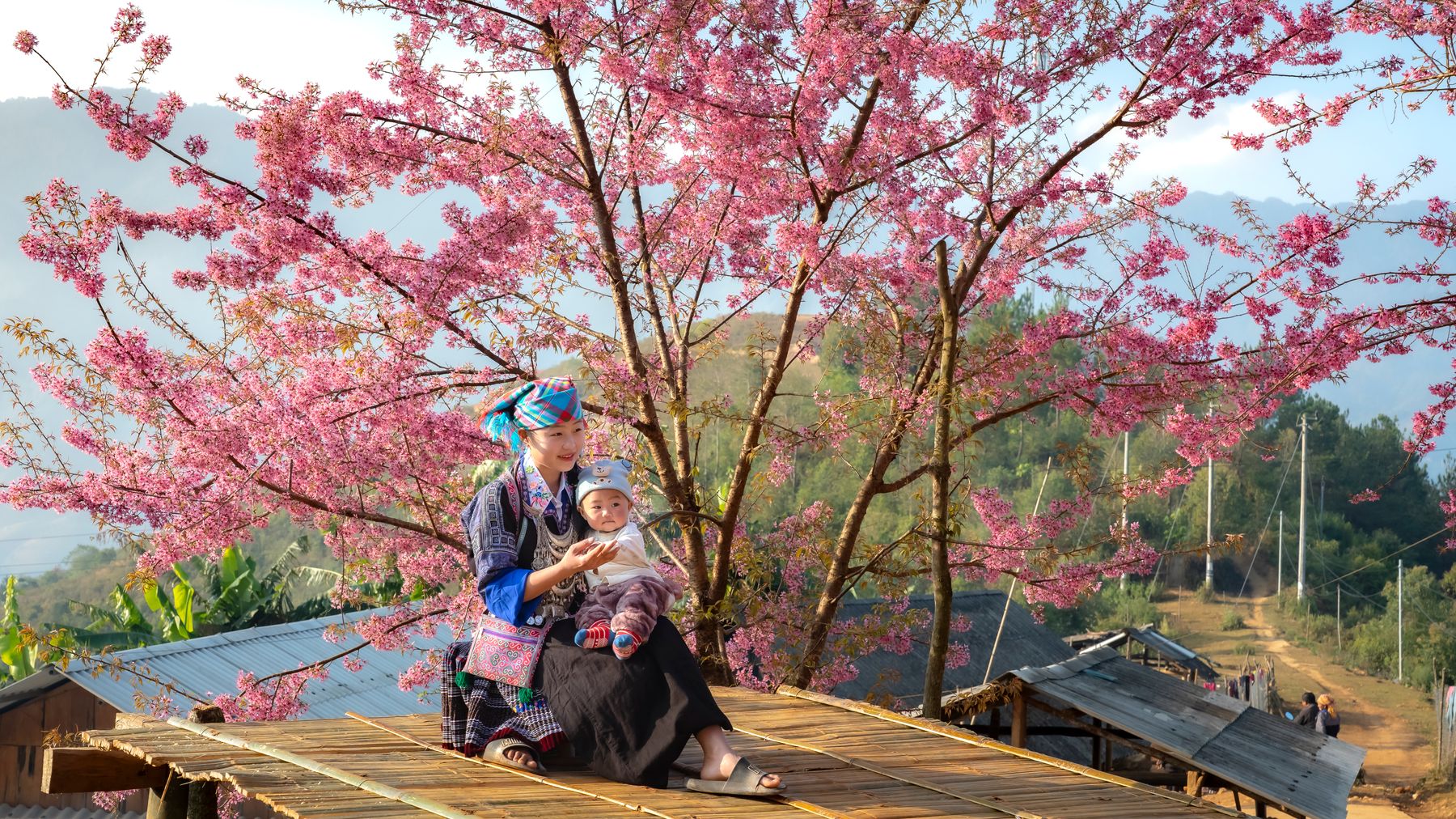
Photo by Quang Nguyen Vinh on Pexels
What to do
Trek the valley floor
The classic route: Sapa → Lao Chai → Ta Van (about 10 km, mostly downhill, 3-4 hours at a relaxed pace). You don't technically need a guide for this — the path is well-worn and easy to follow. But a local Hmong guide (200,000-300,000 VND for a half-day) adds context and supports the community directly.
For something longer, continue from Ta Van to Giang Ta Chai (another 3 km), where there's a waterfall and a suspension bridge. The trail gets quieter here.
Visit the ancient rock carvings
Look for them along the stream between Hau Thao and Ta Van. Some are fenced off with small signs; others you'll spot by watching for flat boulders near the water with circular and linear etchings. Bring a water bottle to wet the surface — the carvings show up much more clearly when damp.
Homestay overnight
Staying in Ta Van or Ban Ho rather than returning to Sapa gives you the valley at dawn, when mist fills the terraces and the tour groups haven't arrived yet. Most homestays include dinner and breakfast.
Ride the valley road by motorbike
The road running parallel to the stream from Lao Chai through to the far end of the valley (toward Ban Ho) is scenic and quiet midweek. About 25 km round trip from Sapa.
Where to eat
Don't expect restaurant variety in the valley itself. Options:
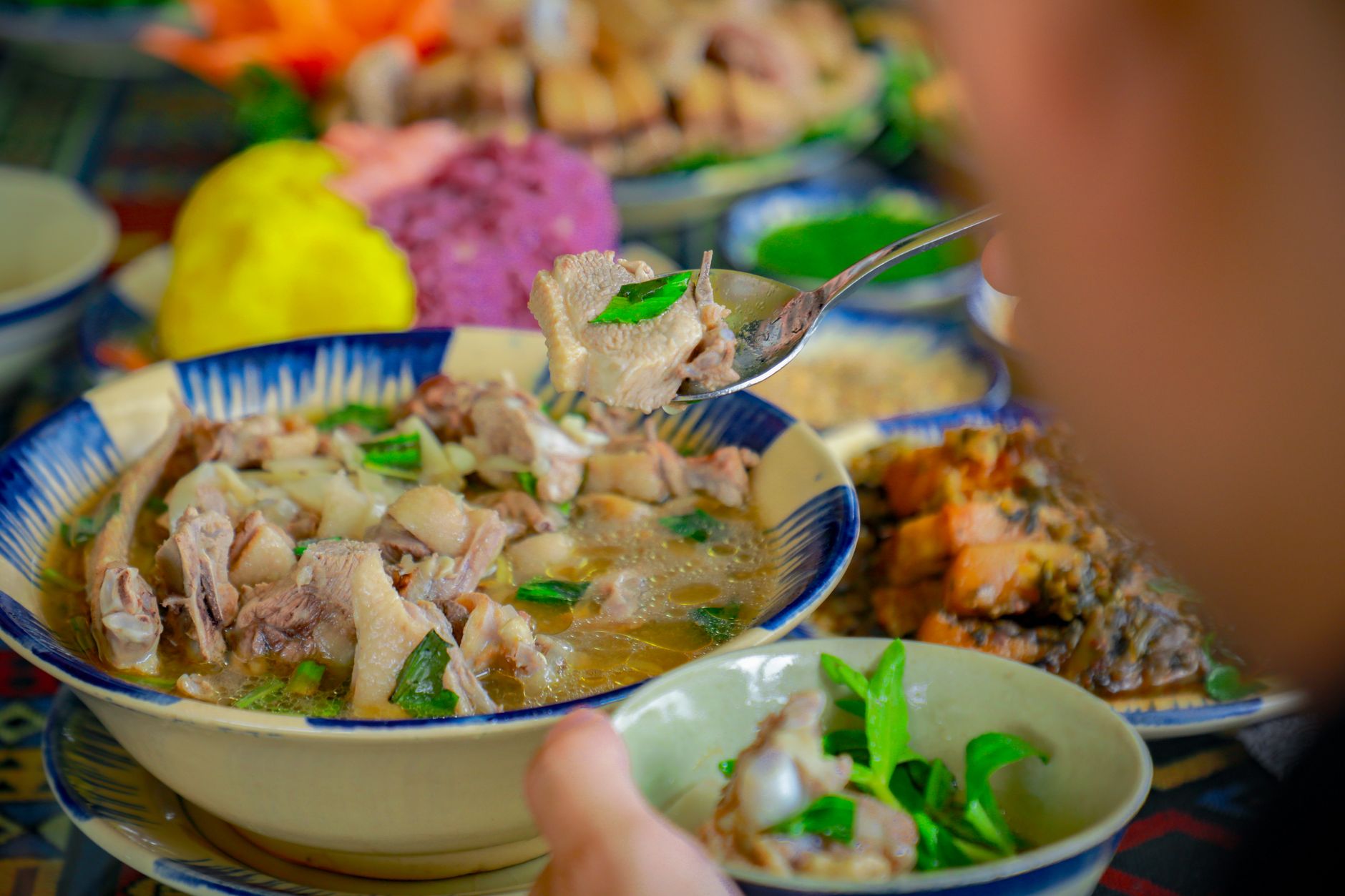
- Homestay meals — the best food in the valley. Expect stir-fried greens, pork with bamboo shoots, rice, "thang co" (a Hmong offal soup — acquired taste, worth trying once), and local rice wine. Dinner + breakfast usually included in the 200,000-350,000 VND homestay rate.
- Small com binh dan stalls in Lao Chai village — basic rice plates, 30,000-50,000 VND.
- Back in Sapa town: Hill Station Signature for upscale Hmong-inspired cooking, or the market food stalls on Thach Son street for grilled meats and "pho" in the morning.
Where to stay
- Ta Van homestays (150,000-350,000 VND/person including meals): basic mattresses on a shared floor, cold or lukewarm showers, real hospitality. Zao May and Chien's Homestay are both reliable.
- Topas Ecolodge (2,500,000-4,000,000 VND/night): granite bungalows on a ridge overlooking the valley. Pool, good restaurant, infinity views. About 18 km from Sapa — they run their own shuttle.
- Sapa town hotels if you prefer hot showers and a proper bed, then day-trip to the valley. Plenty of options from 300,000 VND guesthouses to 2,000,000+ VND boutique places.
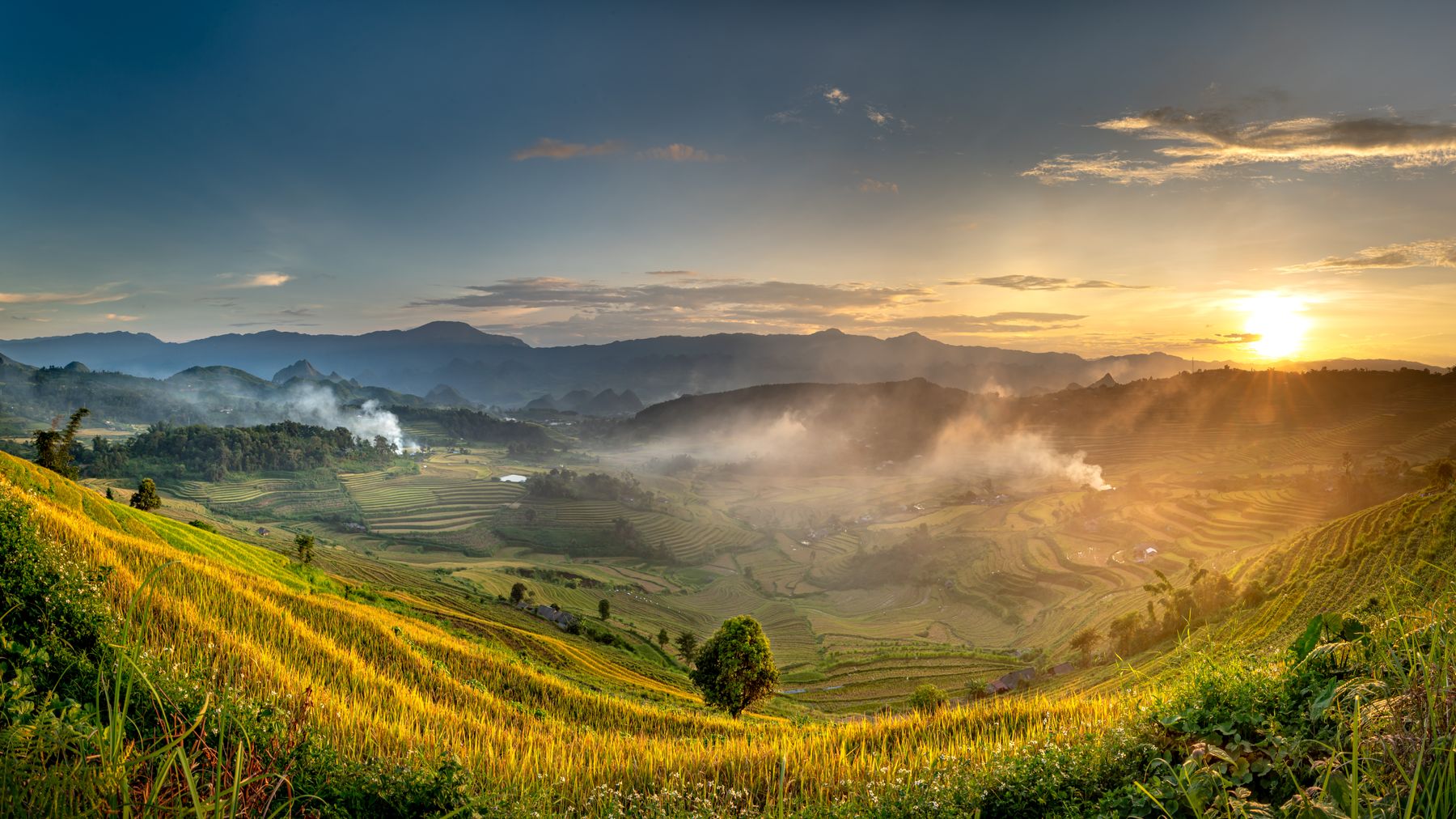
Photo by Quang Nguyen Vinh on Pexels
Practical tips
- Footwear matters. The paths between villages can be muddy and slippery, especially May-September. Proper hiking shoes or at minimum shoes with grip — not sandals.
- Cash only in the valley. No ATMs past Sapa town. Bring enough dong for homestays, food, and any handicrafts you might buy.
- Buying textiles. Hmong women will approach you on the trail selling embroidered bags, scarves, and bracelets. Prices start around 50,000-150,000 VND for small items. It's not aggressive, and the work is genuinely handmade. Bargain gently or not at all — the margins are already thin.
- Guides vs. solo. For the Lao Chai-Ta Van route, solo is fine. For anything off the main path (Cat Cat in the opposite direction, or multi-day treks to Ban Ho or beyond), a guide is worth the money for navigation and safety.
- Entrance fee. Sapa charges a 70,000 VND tourism ticket for access to certain trekking areas including Muong Hoa Valley. Sometimes collected at trailheads, sometimes at your hotel. Keep the receipt.
Common mistakes
- Only doing the short Cat Cat village walk and thinking you've seen the terraces. Cat Cat is fine for an hour but it's basically a tourist attraction at this point. Muong Hoa is the real thing.
- Going in December for "winter charm" without realizing you might see nothing but white fog for three days straight.
- Booking a large group tour when two or three people with a local guide is cheaper per person and infinitely more flexible.
- Skipping the overnight. The valley at 6 AM, with no one else around and smoke rising from village kitchens, is a different place than at 10 AM when the buses arrive.
Practical notes
Muong Hoa Valley is the reason most people visit Sapa — plan at least a full day here, preferably with an overnight in Ta Van. The terraces are real working farmland, not a tourist set, and that's exactly what makes them worth the trip north from Hanoi.
Last updated · May 29, 2026 · independently researched, never sponsored.