Na Hau Nature Reserve sits in the southern part of Lao Cai province (formerly Yen Bai, before the 2025 merger), about 180 km from Hanoi as the crow flies but considerably longer by road. It's one of the last stretches of primary forest in the northwest — 16,400 hectares of subtropical evergreen canopy between 300 and 1,800 meters elevation — and it sees almost no international visitors.
What it is
Na Hau was designated a nature reserve in 2006 to protect a corridor of old-growth forest in the Hoang Lien Son range's eastern foothills. The reserve spans four communes — Na Hau, Deo Nhu, Phong Du Thuong, and Phong Du Ha — and is home to several rare species including the Tonkin snub-nosed monkey, Owston's civet, and various hornbills. The human population is almost entirely Mong (Hmong), living in small hamlets at the forest edge, growing rice and cardamom under the canopy.
This isn't a national park with ticket booths and paved paths. It's a working conservation area with minimal tourism infrastructure, which is exactly why some travelers seek it out.
Why travelers go
Three reasons, mostly:
- Forest trekking without crowds. If you've done Sapa and found it too built-up, Na Hau offers what Sapa's outskirts used to be — dense forest, steep terrain, and almost no one else on the trail.
- Ethnic Mong villages. The hamlets here feel genuinely remote. Traditional indigo-dyed clothing is still daily wear, not performance. Homestays are basic but real.
- Birdwatching. The reserve's bird list is growing as more birders visit. Silver pheasant, bar-backed partridge, and several species of laughingthrush have been recorded.
Best time to visit
October to March is driest and clearest. December–January gets properly cold at elevation — expect 5–10°C at night in the villages, colder on ridgelines. Bring layers.
April–May brings wildflowers but also increasing rain. June–September is leech season and trails turn to mud; only serious trekkers should attempt it.
Rice terraces (in the valleys below the reserve) are best photographed in September–October when they turn gold before harvest.
How to get there
From Hanoi (하노이 / 河内 / ハノイ), take the expressway toward Yen Bai city (about 2.5 hours). From Yen Bai, continue northwest on QL32 toward Van Chan district, then follow DT174 toward Na Hau commune. Total drive from Hanoi: roughly 5–6 hours depending on road conditions.
No public bus runs directly to Na Hau. Options:
- Motorbike from Hanoi or Yen Bai. The DT174 stretch is scenic but narrow with some unpaved sections after rain. Only for confident riders.
- Private car/driver. Book through your Hanoi hotel or a travel agency. Expect 2,500,000–3,500,000 VND round trip from Hanoi with a driver who waits.
- Local bus to Van Chan (from Yen Bai bus station, ~60,000 VND), then hire a "xe om" (motorbike taxi) for the remaining 25 km to Na Hau village. Negotiate around 150,000–200,000 VND.

Photo by Quang Nguyen Vinh on Pexels
What to do
Trek the primary forest
The main trail leads from Na Hau village into the reserve's core zone — a half-day hike through bamboo understory and broadleaf canopy. You'll need a local guide (required by reserve management). Guides are arranged through the commune's community tourism group; expect 400,000–600,000 VND per day per guide.
A longer two-day trek crosses a ridgeline at around 1,500 meters and descends into Phong Du Thuong commune. This requires camping or arranging a homestay at the far end.
Visit Mong hamlets
The villages closest to the forest edge — Ban Cang, Ban Tat — are small and quiet. If you stay in a homestay, your host family will likely invite you to eat with them. Ask before photographing; most people are fine with it but appreciate being asked.
Waterfall hikes
Several waterfalls are accessible within 1–3 hours of Na Hau village. Your guide will know current water levels and which are worth the walk. The largest drops around 40 meters during wet season.
Where to eat
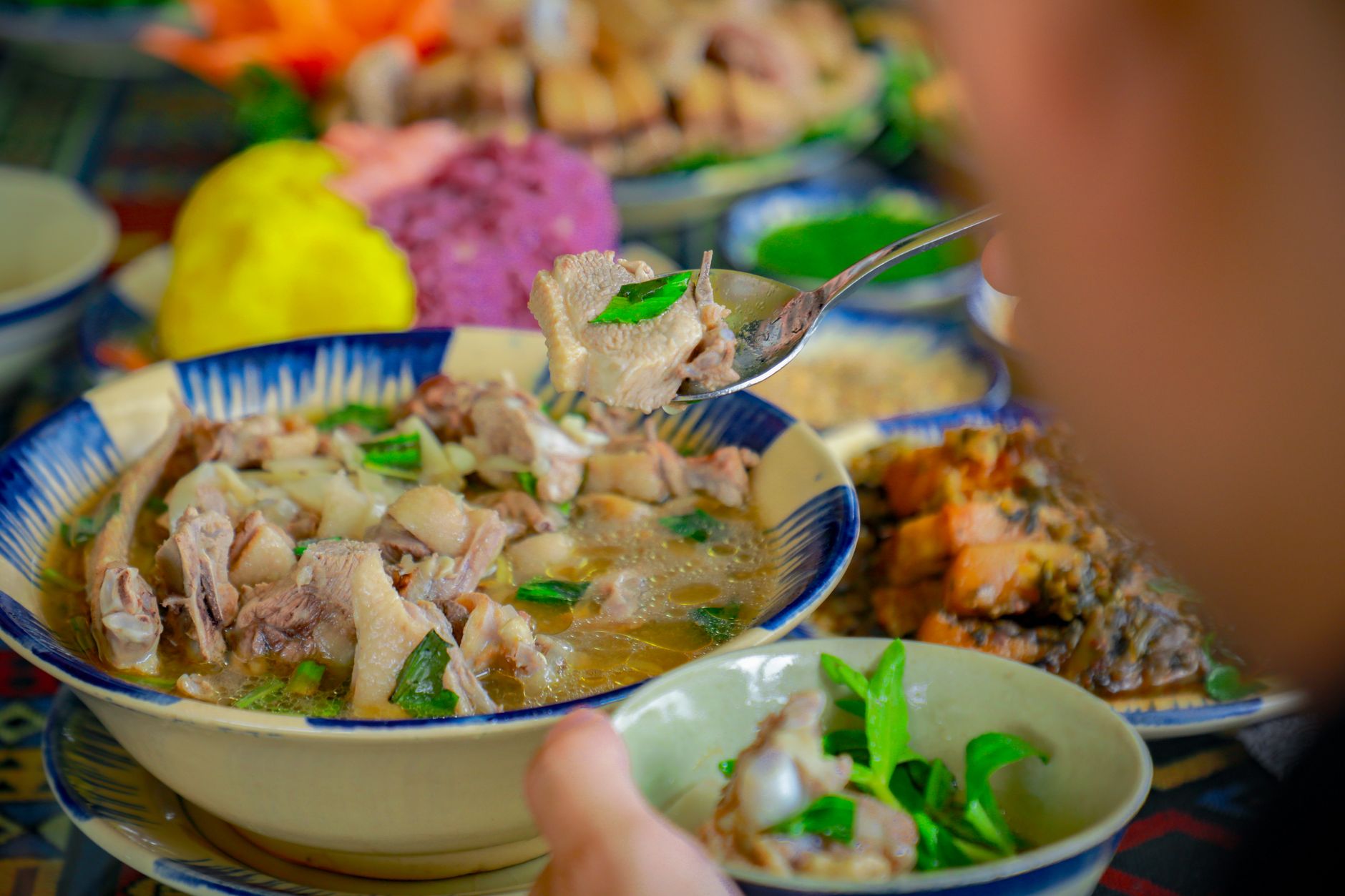
There are no restaurants in the reserve area. You eat what your homestay family cooks — typically sticky rice, boiled greens, pork or chicken, and "thang co" (a Mong-style organ soup, rich and funky, served with herbs). Expect meals included in homestay cost at around 100,000–150,000 VND per meal.
Bring snacks from Yen Bai or Van Chan town: instant noodles, dried fruit, energy bars. The small shop in Na Hau village sells biscuits, instant coffee, and bottled water, but stock is unpredictable.
If you're passing through Yen Bai city on the way back, stop for "bun thang" — the delicate Hanoi-style noodle soup has a decent local version at the market near the river.
Where to stay
Homestays are the only real option in Na Hau commune. These are wooden stilt houses with shared sleeping mats, mosquito nets, and squat toilets. Hot water is unlikely. Prices run 200,000–350,000 VND per person including dinner and breakfast.
The commune tourism group (ask at the People's Committee office in Na Hau) can match you with a family. If you arrange through a tour operator in Hanoi, they'll handle this.
Fallback: Van Chan town (25 km away) has basic guesthouses ("nha nghi") from 250,000–400,000 VND/night with hot water and wifi.
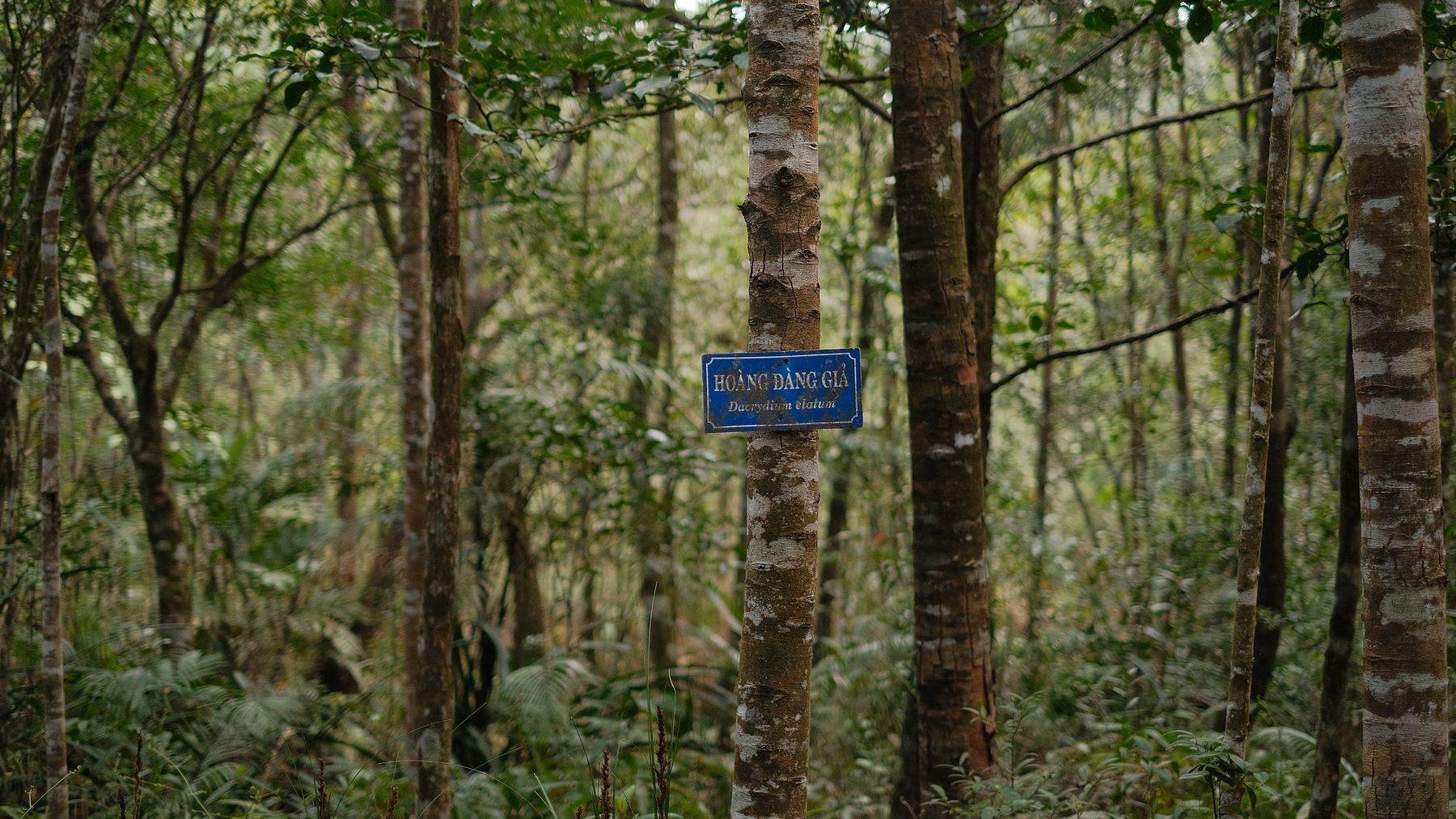
Photo by Pew Nguyen on Pexels
Practical tips
- Guides are mandatory for entering the reserve's core zone. Don't try to wing it — trails are unmarked and the forest is dense enough to get genuinely lost.
- Cash only. No ATMs in Na Hau. Withdraw in Yen Bai city.
- Phone signal is weak to nonexistent in the forest. Viettel has the best coverage in the village itself.
- Leeches are present May–September. Tuck pants into socks, carry salt or a lighter.
- Language barrier is real. Very little English spoken. Download Vietnamese on Google Translate offline, or hire a guide/translator through a Hanoi operator.
- Leave-no-trace principles apply. Pack out all rubbish.
Common mistakes
- Showing up without a guide arrangement. You might wait a day while one is found.
- Underestimating travel time. The last 25 km from Van Chan can take over an hour on a bad day.
- Packing too light in winter. Nights are genuinely cold. A sleeping bag liner at minimum.
- Expecting Sapa (사파 / 沙坝 / サパ)-level amenities. This is not Sapa. That's the point — but it means no hot showers, no craft beer, no cafe with wifi.
Final note
Na Hau works best as a 2–3 night side trip, combined with a broader loop through the northwest — you could pair it with Ha Giang to the north or a stop in Sapa before heading back to Hanoi. It rewards travelers who are comfortable with basic conditions and genuinely want forest, not just a backdrop for photos.
Last updated · Aug 14, 2026 · independently researched, never sponsored.