What Ngai Thau is
Ngai Thau is a small commune in Bat Xat district, Lao Cai province, perched at roughly 2,000-2,200m elevation in Vietnam (베트남 / 越南 / ベトナム)'s far northwest. The village is home primarily to Black Hmong families who've farmed these slopes for generations. Unlike Sapa — just 50km to the southeast as the crow flies — Ngai Thau sees almost no international visitors. The terraced fields here are smaller, steeper, and less photographed. The air is thinner. The roads are worse. That's exactly the point.
The commune includes several hamlets scattered across ridgelines, with Ngai Thau center being the main cluster of homes, a small school, and a weekly market.
Why travelers go
Three reasons, mostly:
- Trekking without the Sapa (사파 / 沙坝 / サパ) crowds. The trails here connect Hmong and Dao hamlets through bamboo forests and terraced valleys. You won't pass another foreign traveler.
- Altitude and scenery. On clear mornings, you get views across the Hoang Lien Son range. Cloud seas fill the valleys below by 7am in the cool season.
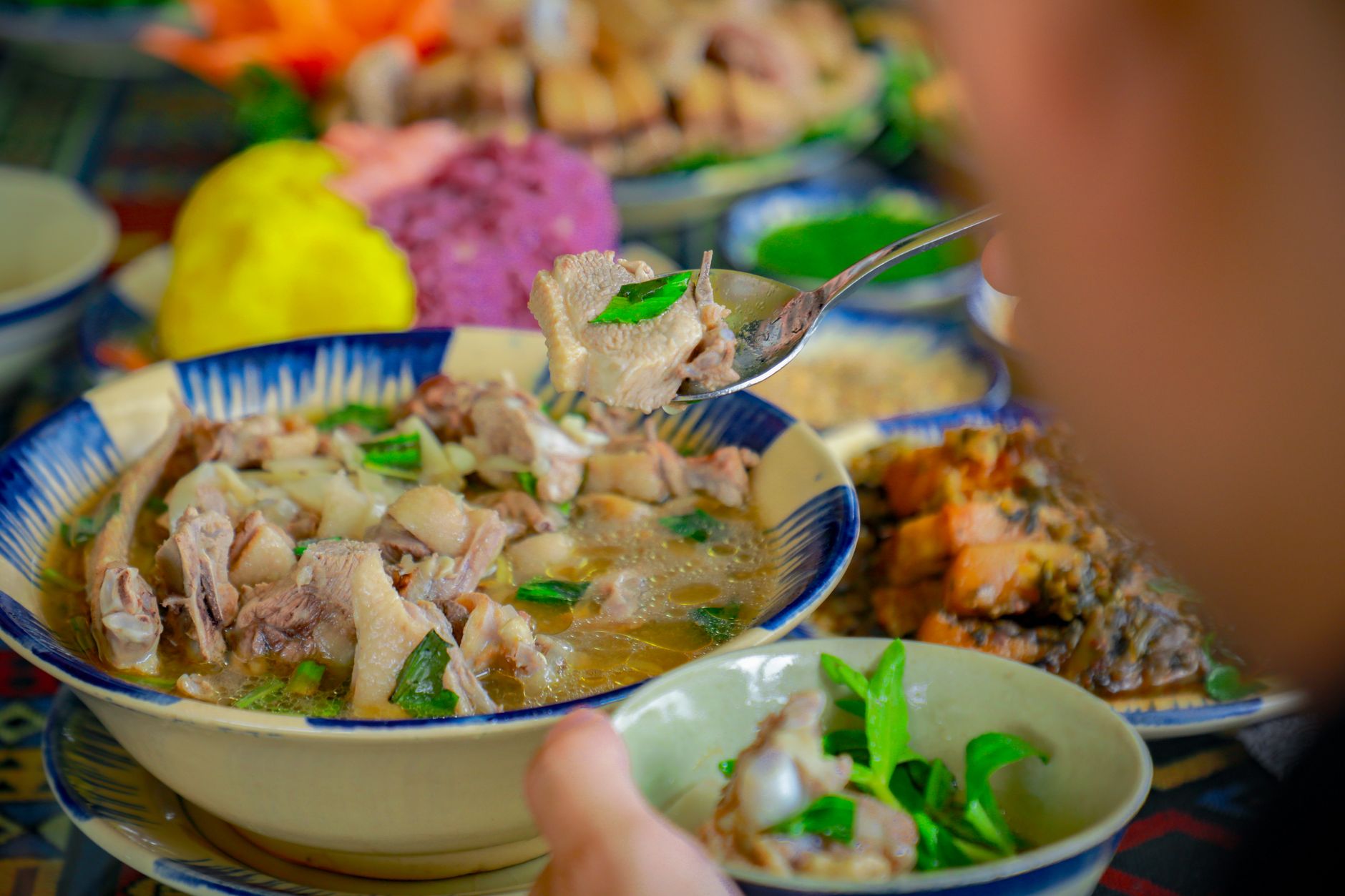
- Cultural immersion. Homestays are basic — think shared meals of sticky rice, "thang co" (horse meat stew), and homemade corn wine around a wood fire. No menus, no Wi-Fi passwords taped to the wall.
If you've already done Sapa and want something rawer, or if you're heading toward Ha Giang and want to break the journey with a highland detour, Ngai Thau fits.
Best time to visit
The sweet spot is September through November — rice terraces are golden-green before harvest (late September to mid-October), skies are clearer than in summer, and temperatures sit around 10-18°C during the day.
December to February brings frost and occasional snow above 2,000m. Stunning if you're prepared for near-freezing nights and muddy trails. Locals bundle up in layers of indigo-dyed cloth. Visibility can drop to nothing for days.
March to May is dry and warming, good for trekking but the terraces are brown and fallow.
June to August means monsoon — landslides on the access roads are common, and the village can be cut off for a day or two after heavy rain. Beautiful cloud formations, though, if you're lucky.
How to get there
Ngai Thau is about 65km from Lao Cai city, but the road takes 2.5-3 hours depending on conditions.
From Hanoi
- Take the overnight train to Lao Cai (8-9 hours, 300,000-600,000 VND depending on berth class). Trains depart from Hanoi's Gia Lam station around 9-10pm.
- Alternatively, sleeper buses run from My Dinh bus station (6-7 hours, around 250,000 VND).
From Lao Cai city to Ngai Thau
- Hire a motorbike taxi or arrange a car through your homestay. The road goes through Bat Xat town, then climbs steeply on increasingly narrow and potholed tarmac. The last 15km is single-lane concrete or packed dirt.
- If you ride your own motorbike, you want at least a 125cc semi-automatic. The final climb has 15-20% gradients with loose gravel in places. Not for beginners.
- No public bus runs directly to Ngai Thau. A minibus from Lao Cai to Bat Xat (30,000 VND, 45 minutes) gets you partway, then you'd need a "xe om" (motorbike taxi) for the remaining 35km uphill — negotiate around 200,000-300,000 VND.
From Sapa
- The direct route over the mountains is roughly 50km but involves unpaved sections and can take 3+ hours by motorbike. Most people loop back through Lao Cai city instead.
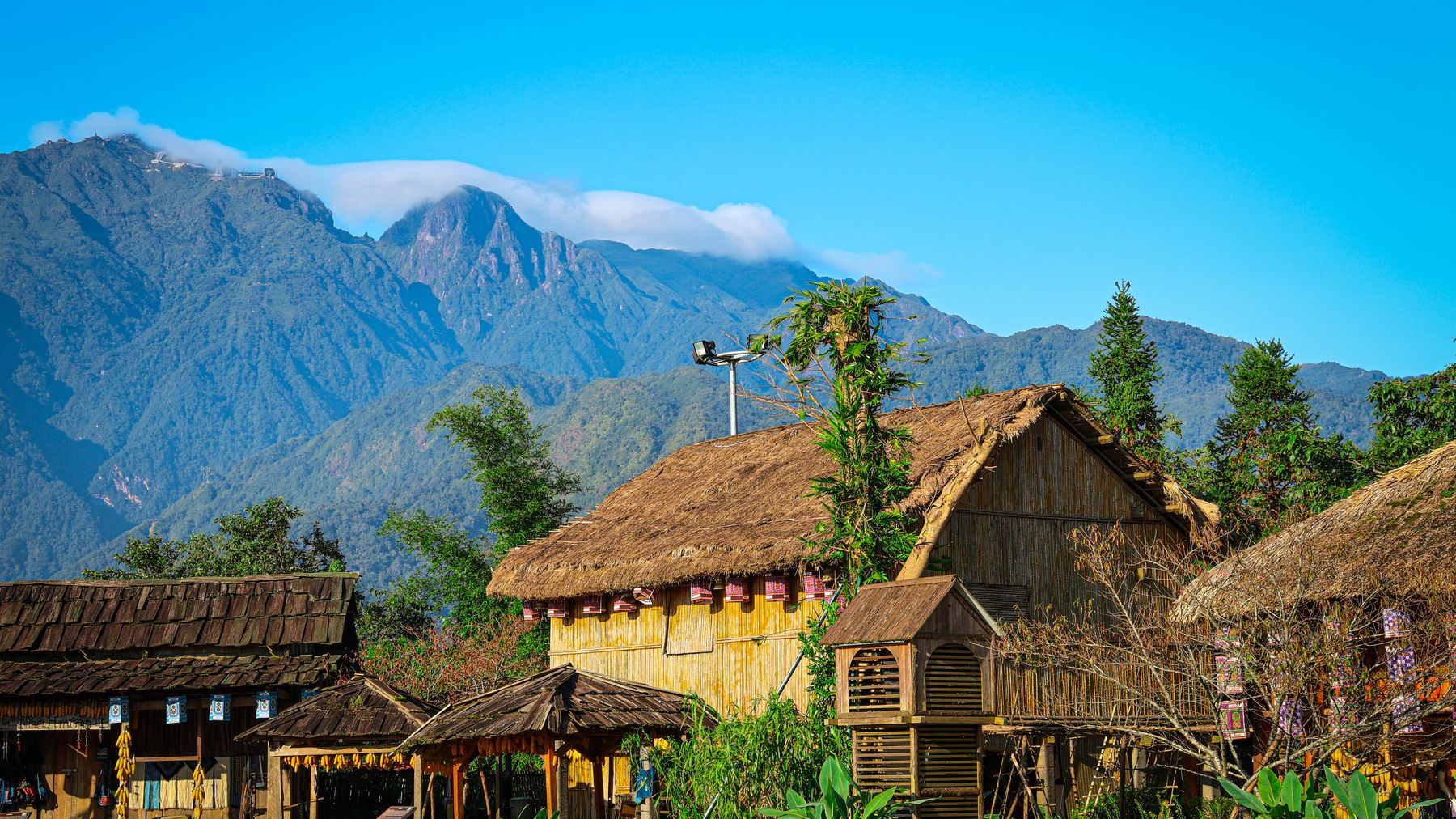
Photo by Haneul Trac on Pexels
What to do
Trek between hamlets. The main walking route connects Ngai Thau center to neighboring villages like Sang Ma Sao and Trung Leng Ho. A full day loop covers 12-15km with 600m+ elevation change. No marked trails — a local guide (arranged through your homestay, 300,000-500,000 VND/day) is strongly recommended.
Visit the weekly market. Ngai Thau's small market operates on certain days (ask locally — schedules shift). Hmong families come down from surrounding ridges to trade vegetables, livestock, and textiles. The bigger Bat Xat market on Sundays is worth the detour if timing works.
Watch textile work. Hmong women here still hand-embroider and batik-dye hemp cloth. If you stay more than one night, your host family will likely be working on something — ask to watch. Buying directly supports the household.
Chase the cloud sea. Set an alarm for 5:30am. Walk uphill from the village center 10-15 minutes to the ridge viewpoint. If conditions are right, the valleys below fill with cloud while peaks poke through like islands.
Where to eat
There are no restaurants in Ngai Thau. You eat with your homestay family.
Expect: sticky rice (steamed in banana leaf), boiled greens, pork or chicken stir-fried with ginger, "men men" (a Hmong cornmeal dish), and corn wine that hits harder than you'd think. Meals are communal — you sit on low stools around the fire.
Bring snacks for trekking: instant noodles, dried fruit, energy bars. The small shop in the village center stocks rice, instant noodles, and bottled water, but selection is limited.
If you pass through Bat Xat town, grab a bowl of "pho" or "bun" at the market stalls for 30,000-40,000 VND before heading uphill.
Where to stay
Homestays are the only option. Most are family homes with a shared sleeping room — mattresses on the floor, heavy blankets, no heating beyond the kitchen fire downstairs. A night typically costs 150,000-250,000 VND per person including dinner and breakfast.
Book ahead by phone (Vietnamese language needed — ask your hotel in Lao Cai to call, or contact a local tour operator in Sapa who covers Bat Xat district). Don't show up unannounced expecting a bed — families need to prepare food.
Electricity exists but is unreliable. Charge your devices in Lao Cai or Bat Xat before arriving.

Photo by Manh Pham on Pexels
Practical tips
- Bring layers. Even in October, mornings drop to 8-10°C. A down jacket and warm hat are essential November through March.
- Cash only. No ATMs anywhere near Ngai Thau. Withdraw in Lao Cai city.
- Phone signal is patchy — Viettel has the best coverage in highland areas, but expect dead zones on trails.
- Language barrier is real. Very few people speak English. Download Vietnamese phrases offline, or bring a phrasebook. Pointing and smiling works for basics.
- Pack light but include a headlamp, rain shell, and basic first aid. The nearest pharmacy is in Bat Xat town.
Common mistakes
- Underestimating the road. The climb from Bat Xat is not a casual scooter ride. If you're not confident on mountain roads with no guardrails, hire a driver.
- Coming for just one night. You need at least two nights to justify the travel time and actually experience the village rhythm. Three is better.
- Expecting Sapa-level infrastructure. There are no cafes, no hot showers, no tour desks. That's the trade-off for having the place largely to yourself.
- Skipping the guide. Trails aren't signed. Getting lost above 2,000m in fog is not fun. A local guide costs less than a nice dinner in Hanoi.
Final note
Ngai Thau won't stay this quiet forever — the road is being improved, and domestic tourism is creeping into every corner of the northwest. If you want highland Vietnam without the polish, go now. Bring patience, warm clothes, and an appetite for corn wine.
Last updated · May 29, 2026 · independently researched, never sponsored.