What it is
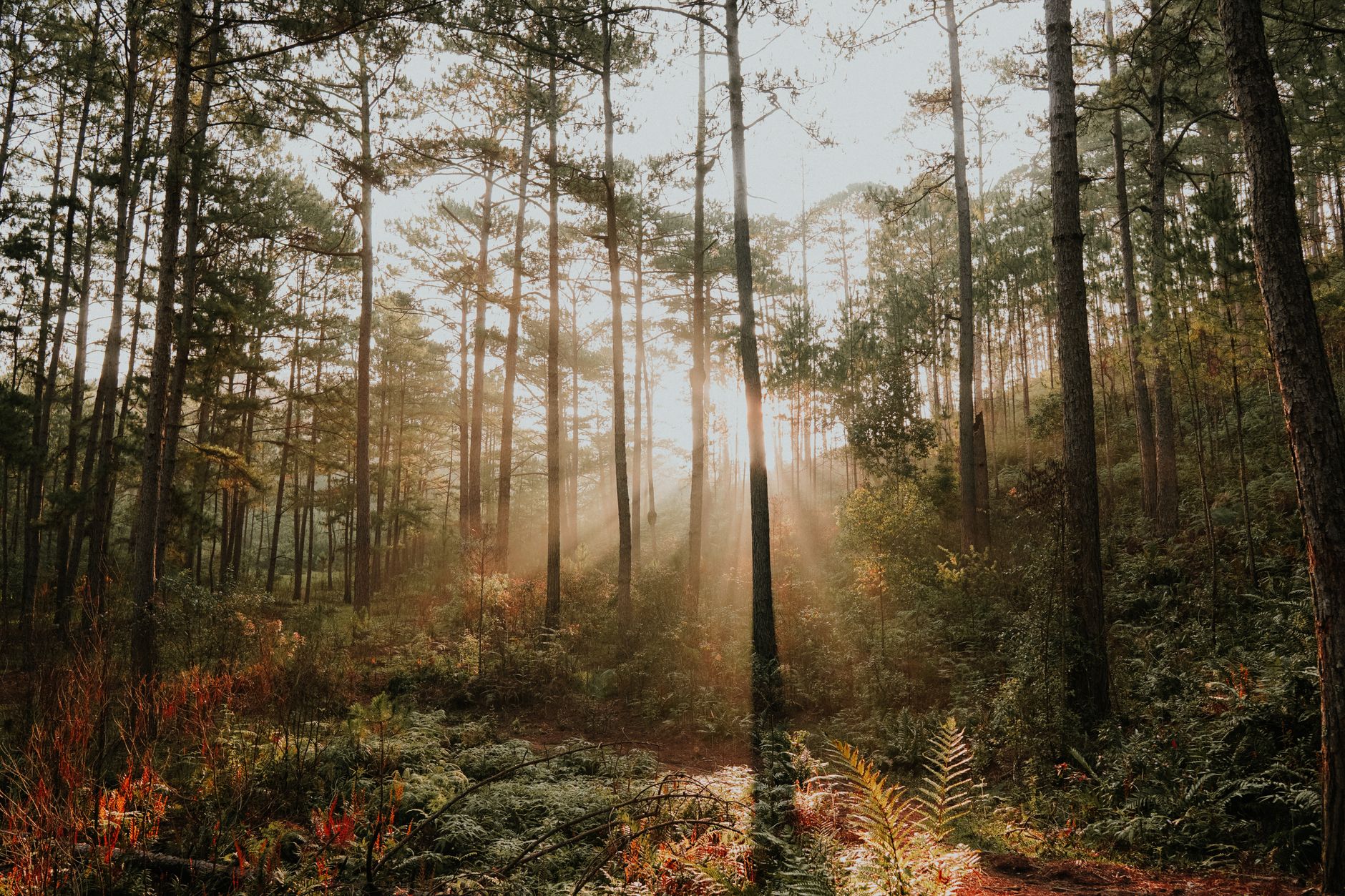
Thien Son - Suoi Nga is a nature park tucked into the limestone karst landscape of Ba Vi district, about 70 km west of central Hanoi. The name translates roughly to "Heavenly Mountain - Ivory Stream," which is a bit grandiose, but the place delivers on the basics: a forested valley threaded with streams, a series of small waterfalls, caves you can actually walk into, and enough elevation change to keep things interesting.
The site opened to visitors in the early 2000s and sits within the broader Ba Vi range — the same mountains you can see on a clear day from Hanoi (하노이 / 河内 / ハノイ)'s western suburbs. It draws mostly Vietnamese families on weekends and school groups during the week. Foreign visitors are rare here, which means signage is limited in English but prices stay honest.
Why travelers go
Hanoi can wear you down. The traffic, the heat trapped between buildings, the noise that starts at 5 AM and doesn't quit. Thien Son - Suoi Nga works as a pressure valve. You're swimming in a cold mountain stream by mid-morning while everyone else is still stuck on the Ring Road.
The appeal is simple: it's close enough for a day trip, the scenery is genuinely good without requiring a multi-day trek, and the entry cost is low. If you've already done the Perfume Pagoda route and want something less crowded and more nature-focused, this fits.
It also pairs well with a visit to Ba Vi National Park, which is only about 15 km further west. You could reasonably do both in a long day, though doing them justice means staying overnight somewhere nearby.
Best time to visit
The sweet spot is October through December and again in March through May. You get cooler temperatures (low 20s°C), less rain, and the forest canopy is thick and green without being waterlogged.
Avoid July and August if you can — the streams swell and some trails get slippery enough to be genuinely dangerous. The waterfalls look more impressive after rain, but the trade-off isn't worth it unless you're comfortable scrambling over wet rock.
Weekdays any time of year will be quieter. Saturday afternoons and Sundays from April through September bring big crowds from Hanoi — families grilling by the stream, music playing from portable speakers, the whole scene. If that's not your thing, arrive early on a weekday.
How to get there from Hanoi
From central Hanoi, you're looking at roughly 70 km due west. The route follows Highway 32 through Son Tay town, then cuts south toward Ba Vi.
By motorbike: The most flexible option. Budget 1.5-2 hours depending on traffic getting out of the city. The road is paved the entire way and in decent shape. Fuel for a round trip runs about 80,000-100,000 VND.
By car or taxi: A private car hire through your hotel or a Grab booking will cost 800,000-1,200,000 VND round trip with waiting time. Negotiate the waiting fee before you leave.
By bus: Take bus 71 from My Dinh bus station toward Son Tay (about 15,000 VND, 1.5 hours). From Son Tay, you'll need a xe om (motorbike taxi) for the remaining 20 km — expect to pay 80,000-120,000 VND one way. This route works but requires patience and some basic Vietnamese or a translation app.
Entry to Thien Son - Suoi Nga costs around 60,000 VND for adults.

Photo by Q. Hưng Phạm on Pexels
What to do
Swim in the stream pools
The main draw. A series of natural pools sit along the stream running through the valley, some deep enough for proper swimming, others just right for sitting in the current and cooling off. The water is cold year-round — genuinely refreshing in summer, bracing in winter. Bring water shoes; the rocks are uneven.
Walk the cave circuit
Several limestone caves are accessible via marked trails. The largest, Thien Son cave, has basic lighting installed and runs maybe 200 meters into the hillside. It's not Phong Nha, but it's atmospheric enough. Bring a headlamp or phone flashlight for the deeper sections where the installed lights thin out.
Hike the forest trails
A network of paths climbs through the surrounding forest, ranging from flat 20-minute strolls to steeper loops of 2-3 hours. The longer trails take you up to viewpoints looking across the Ba Vi range. Trail markers exist but aren't always reliable — take photos of the map at the entrance gate.
Sit under the waterfalls
Multiple small waterfalls cascade through the park, the largest dropping maybe 15 meters. In the dry season they're modest; after rain they pick up real force. The base pools are swimmable at most of them.
Picnic by the river
Vietnamese visitors come prepared — hammocks strung between trees, portable stoves, coolers of food. You're welcome to do the same. Flat areas along the stream bank are plentiful. Clean up after yourself; the park has waste bins but they overflow on busy days.
Where to eat nearby
The park has a few food stalls near the entrance selling "com binh dan" (everyday rice plates) for 30,000-50,000 VND and basic drinks. Quality varies.
Better eating is in Son Tay town, about 20 km back toward Hanoi. Look for "pho ga" — chicken pho served in the northern style with a cleaner, lighter broth than what you'll find in the tourist districts. A bowl runs 35,000-45,000 VND. Son Tay also has decent "bun cha" shops along its main strip — charcoal-grilled pork with rice noodles and herbs, the same dish Hanoi is famous for.
If you're heading back through the Ba Vi area, keep an eye out for roadside stalls selling "com lam" — sticky rice cooked inside bamboo tubes over charcoal. It's a mountain specialty and pairs well with grilled chicken.
Where to stay
Most visitors do Thien Son - Suoi Nga as a day trip from Hanoi, but if you want to stay overnight:
Budget: Guesthouses around Ba Vi and Son Tay run 200,000-400,000 VND per night. Basic but functional — expect a fan room, hot water if you're lucky, and friendly owners.
Mid-range: Several resorts and homestays have opened along the Ba Vi foothills, charging 600,000-1,200,000 VND per night. Some have pools and decent restaurants. Look for places along the road between Son Tay and Ba Vi National Park.
Camping: Some visitors camp inside the park, though facilities are minimal. Bring everything you need.

Photo by Mr Alex Photography on Pexels
Practical tips locals would tell you
- Bring cash. There are no ATMs inside the park and card payment doesn't exist here. Son Tay has ATMs if you need to top up.
- Wear proper shoes. Flip-flops are fine for the stream pools but useless on the trails. Lightweight hiking shoes or sturdy sandals with ankle straps work best.
- Start early. Leave Hanoi by 6:30-7:00 AM to beat traffic on Highway 32 and get the park mostly to yourself before midday crowds.
- Sunscreen and insect repellent. The canopy provides shade but the stream areas are exposed. Mosquitoes pick up in the late afternoon.
- Trash bags. Bring your own for carrying out waste. The park's infrastructure doesn't always keep up with visitor numbers.
Common mistakes to avoid
Don't plan this trip on a public holiday weekend unless you enjoy gridlock. Tet and the April 30th holiday period turn the access roads into parking lots and the park into a festival ground.
Don't skip the caves because the trails look more appealing from the entrance. The cave sections are short but worth the 30 minutes.
Don't assume you'll find food options inside the park — bring snacks and water. The stalls near the gate close early or run out on slow days.
Don't leave valuables unattended while swimming. It's generally safe, but wet phones and unattended bags near a busy stream are asking for trouble.
Practical notes
Thien Son - Suoi Nga works best as part of a broader western Hanoi day out — combine it with Ba Vi National Park or a stop at one of the Duong Lam ancient village houses nearby. It's not a destination that needs a full day on its own, but paired with one more stop, it makes for one of the better escapes within striking distance of the capital.
Last updated · May 26, 2026 · independently researched, never sponsored.