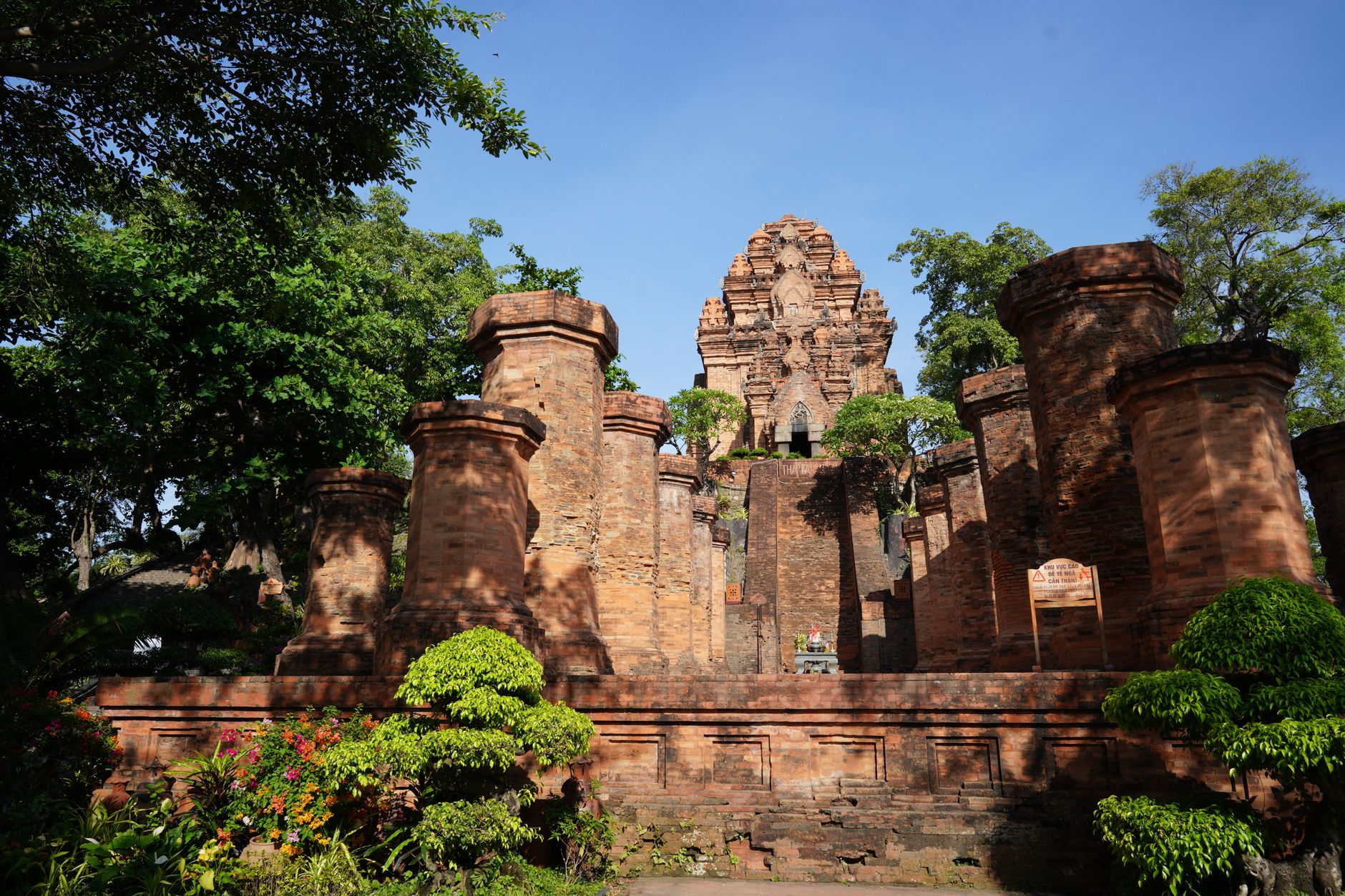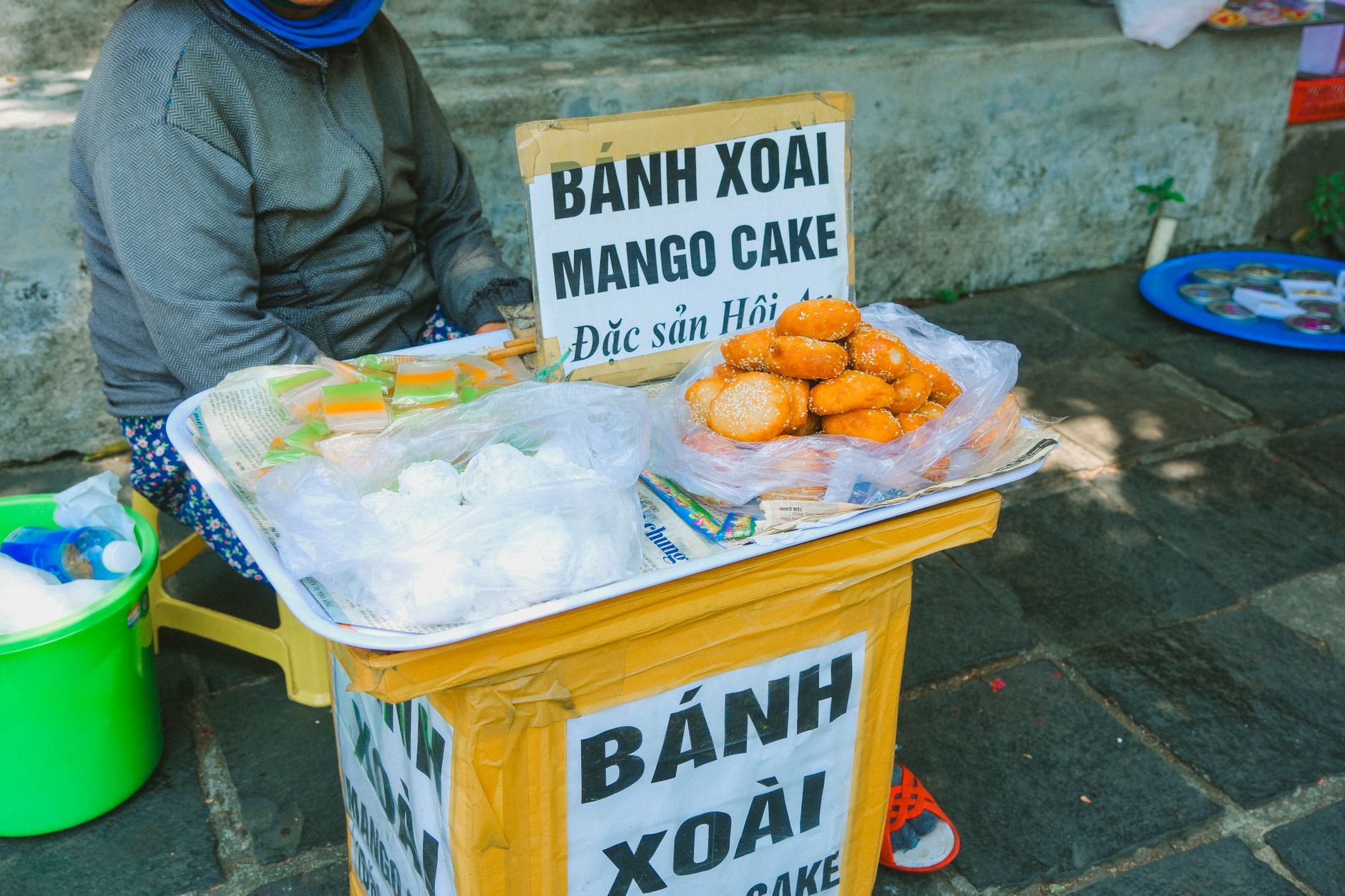
Nha Trang (냐짱 / 芽庄 / ニャチャン) gets typecast as a beach city, which means its coffee culture gets ignored. That's a mistake. Between the resort strip and the local neighborhoods, there's a genuine scene worth spending a morning — or three — working through.
The Baseline: Sidewalk Ca Phe
"Ca phe sua da" — iced coffee with sweetened condensed milk — is the default order at any of the small street-side shops that cluster around Cho Dam market and along Nguyen Thien Thuat street. These places open around 6am, charge 15,000–20,000 VND a glass, and operate on the same principle they always have: strong robusta dripped through a phin filter, poured over ice, cut with condensed milk. You sit on a plastic stool. You watch the street. Nobody hurries you.
The robusta-forward profile here is sharper and more bitter than what you'd get from arabica-heavy third-wave menus. That's not a flaw — it's the point. The condensed milk exists to balance it, and after a few days in the heat, you'll understand why this combination won out.
If you want to go even more local, ask for "ca phe den da" — black iced coffee, no milk — and you'll get a clearer read on the beans the shop is using.
Egg Coffee and the Northern Import
Nha Trang isn't the birthplace of "egg coffee" — that's Hanoi — but a handful of cafes here have picked it up and run with it. The drink is a phin-brewed coffee topped with a whipped mixture of egg yolk, condensed milk, and sometimes cheese or butter. It arrives warm, custard-thick on top, bitter underneath.
A few places along Biet Thu street serve it for around 35,000–45,000 VND. Worth trying once if you haven't had it in Hanoi. Worth returning for if you have.
Third-Wave Shops: Where the Beans Get Talked About
The specialty coffee conversation arrived in Nha Trang later than it did in Saigon or Da Lat, but it arrived. A cluster of roaster-cafes has opened in the last five years, mostly targeting a younger Vietnamese clientele rather than tourists.
Nha Trang's Da Lat Connection
Da Lat sits about 130km inland and at altitude, and it supplies a significant portion of Vietnam (베트남 / 越南 / ベトナム)'s arabica crop. Several Nha Trang shops source directly from Da Lat farms, and the menus reflect it: single-origin pour-overs, cold brew made with highland beans, filter options that taste nothing like the robusta baseline of the street shops. Prices jump to 55,000–85,000 VND a cup, which is still reasonable.
These cafes tend to cluster in the area between Tran Phu boulevard and the backpacker streets. Look for chalkboard menus and manual brewing equipment — that's the tell.

Photo by Tiểu Bảo Trương on Pexels
Coconut Coffee and the Regional Variations
Less talked-about but worth seeking out: "ca phe cot dua", coconut coffee. It shows up at a few spots near the beach, particularly around Hon Chong headland. The base is iced black coffee blended or layered with coconut cream — richer than sua da, less sweet, slightly tropical without being kitschy. A 30,000–40,000 VND drink that makes more sense in Nha Trang than it would inland.
Some shops also serve "ca phe muoi" — salt coffee — which originated in Hue but has spread down the coast. A pinch of salted cream floats on top of the iced coffee. It sounds wrong. It isn't.
Drinking Slow: The Right Cafes for That
Nha Trang has a category of cafe that exists primarily as a place to sit for two hours without anyone checking on you. These are distinct from tourist-facing rooftop bars and from the sidewalk stool joints. They tend to occupy converted shophouses or upper-floor spaces, run ceiling fans instead of air conditioning, and stock Vietnamese music at low volume.
The streets behind Nha Trang Cathedral — particularly around Thai Nguyen and Nguyen Trai — have a higher concentration of these. Order whatever you want; come back the next day. The staff will remember your face but won't make a thing of it.

Photo by 🇻🇳🇻🇳Nguyễn Tiến Thịnh 🇻🇳🇻🇳 on Pexels
What to Drink Beyond Coffee
A few non-coffee options worth noting for completeness:
Tra da (free iced tea) arrives automatically at most local cafes. It's jasmine or green tea, lightly brewed, poured into a plastic cup from a communal jug. Drink it. It's not an afterthought — it's a palate reset.
Sinh to (fruit smoothies) made with fresh jackfruit, avocado, or soursop are technically not coffee-shop drinks, but many cafes along the beach road double as juice bars. A "sinh to bo" — avocado smoothie — runs 30,000–40,000 VND and is thick enough to eat with a spoon.
Nuoc mia (sugarcane juice) is pressed fresh at carts near the market. Not a cafe drink, but it pairs well with a morning walk before you've committed to coffee.
Practical Notes
Most local cafes keep morning hours — 6am to noon is common, with a lull in the early afternoon before reopening around 3pm. Third-wave shops tend to run 7:30am to 9pm. Bring small bills (10,000–50,000 VND notes) for sidewalk spots; card payments are possible at specialty cafes but not universal. The beach-road tourist cafes charge two to three times local prices for equivalent drinks — nothing wrong with that if you want the sea view, but know what you're paying for.
Last updated · May 26, 2026 · independently researched, never sponsored.