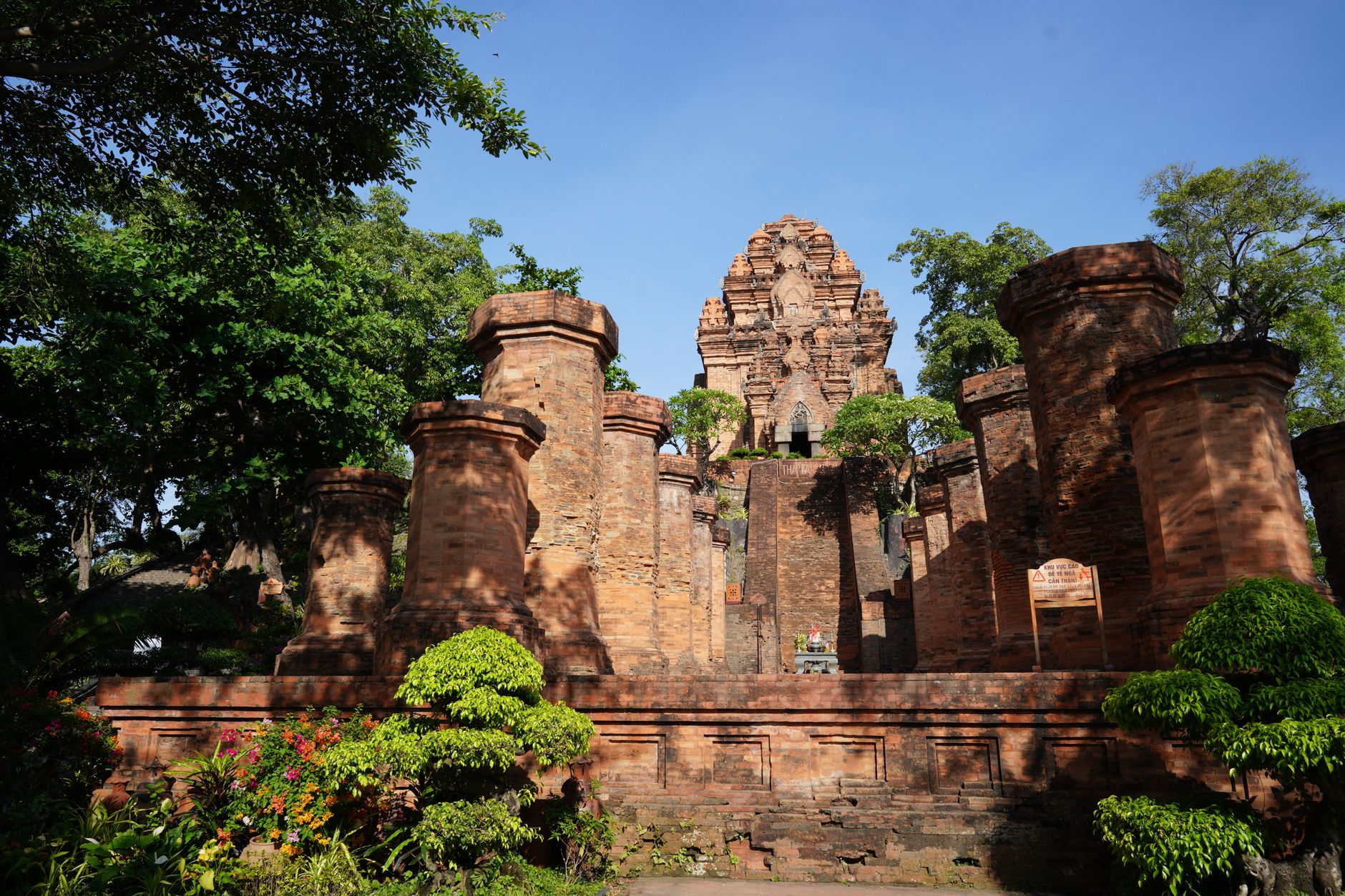
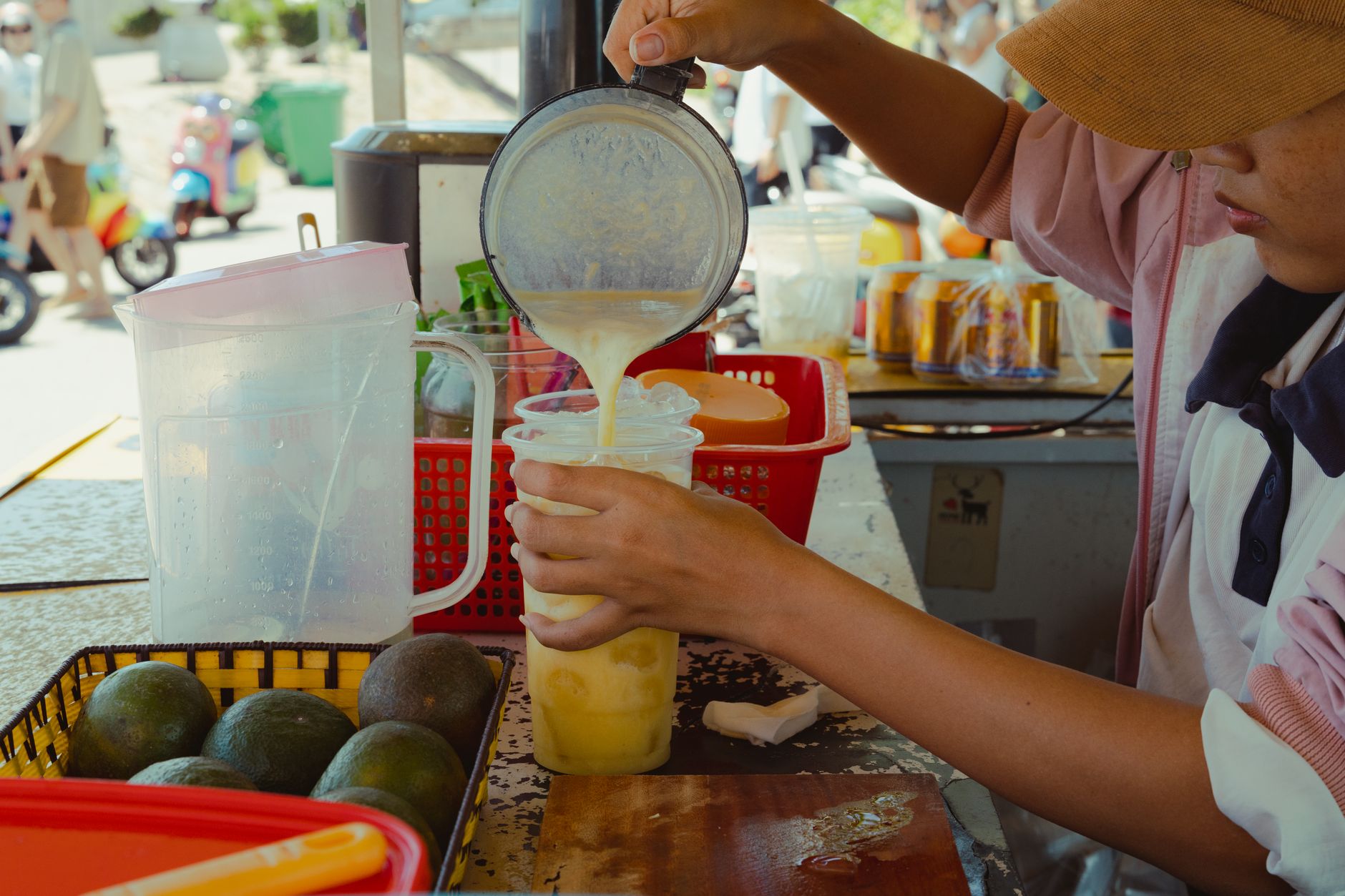
Nha Trang (냐짱 / 芽庄 / ニャチャン) has a reputation as a beach town, but the eating is genuinely good if you get away from the beachfront strip. The city is compact enough to cover on foot or by xe om, and the street food scene runs from 5am rice porridge to midnight grills with almost no gaps in between.
Cho Dam Market Area (City Center) — Morning to Noon
Cho Dam is the city's main wet market and the best place to start a food day. The market itself sits on a small island in the middle of a roundabout, but the real action is on the surrounding streets: Phan Boi Chau, Bach Dang, and the northern side of Nguyen Hong Son.
Arrive before 7am and you'll find two or three stalls on Bach Dang selling "banh canh cha ca", the thick tapioca noodle soup with fish cake that is Nha Trang's most local breakfast. A bowl runs 25,000–35,000 VND. The broth is mild and slightly sweet — nothing like the heavier soups of Hue or Hanoi. Don't confuse it with the thinner "bun ca" versions you'll see elsewhere on the same street; banh canh uses flat, chewy noodles pressed from tapioca.
For a lighter start, duck into the market's ground floor where several vendors sell "banh uot" — steamed rice sheets topped with dried shrimp and scallion oil, served with a small bowl of pork-based dipping sauce. 15,000–20,000 VND, eaten standing.
The Cho Dam zone winds down for street food around 11am. If you're still hungry, the far eastern end of Phan Boi Chau has a cluster of "com tam" stalls serving the cracked-rice-and-grilled-pork plate that travels well from Saigon up the coast.
Walking radius: everything within 400m of the market roundabout. No motorbike needed.
Tran Phu and the Beach Road — Skip for Breakfast, Worth It at Night
Tran Phu is the main beachfront boulevard and it's mostly tourist restaurants during the day, but a section between the Vinpearl cable car pier and roughly Le Thanh Ton comes alive after 6pm with a loose row of plastic-stool vendors. The dominant format here is grilled seafood by weight: squid, clams, mantis shrimp, corn on the cob. Prices for tourists tend to run higher than the same items inland — 80,000–150,000 VND per 100g for seafood is typical — so treat it as an atmosphere spend, not a budget meal.
One honest exception: the "bun cha ca" stalls that set up near the junction of Tran Phu and Nguyen Thien Thuat around 5:30pm. These are locals-first operations, folding chairs on the pavement, and a bowl of fish cake noodle soup with fresh herbs costs 30,000 VND. The fish cake here is grilled over charcoal before going into the broth, which gives it a smokiness you don't get at the market version.
Best time: 5:30pm–8:30pm. Later than that and the pavement stalls start packing up as the restaurant crowds take over.

Photo by Trần Phan Phạm Lê on Pexels
Nguyen Thien Thuat — The All-Day Eating Street
If you only have time for one street, make it Nguyen Thien Thuat. It runs about 800m slightly inland from the beach, parallel to Tran Phu, and it functions as the city's main eating corridor for both locals and the backpacker crowd.
Mid-morning, look for the banh mi cart near the intersection with Nguyen Thi Minh Khai. "Banh mi" here is built the southern way — a split baguette loaded with pate, cha lua (pork roll), cucumber, pickled daikon and carrot, coriander, and chili. 20,000–25,000 VND. The bread is reliably fresh because the cart restocks at 10am.
Lunch on this street means "mi Quang"-adjacent options — though the canonical version of "mi quang" is a Quang Nam dish, Nha Trang's version uses a thinner, yellower noodle in a smaller amount of turmeric-tinged broth, topped with peanuts and a rice cracker. 35,000–40,000 VND at the stalls near the Perfume Pagoda end of the street.
In the evening, the northern block near Biet Thu Street gets a run of "goi cuon (고이꾸온 / 越南春卷 / ゴイクオン)" carts — fresh "goi cuon" rice paper rolls with shrimp and pork, served with a thick peanut-hoisin dip. These are more snack than meal but worth an order alongside a "bia hoi" from one of the nearby plastic-stool spots.
Best time: This street has something worth eating at almost any hour, but 7am–9am for banh mi and 6pm–9pm for the fuller spread.

Photo by DUONG QUÁCH on Pexels
Vinh Nguyen and the Fishing Harbor — Early Risers Only
The fishing boats dock at Vinh Nguyen harbor, about 3km south of the center via Tran Phu, and the food scene here is built around when the fleet comes in: 4:30am–7am. It's not a tourist circuit at all.
The stalls on Dong Da street, just back from the harbor, serve "chao ca" — rice porridge with fresh fish, ginger, and fried shallots — for 20,000–30,000 VND. The fish changes daily depending on the catch. It's worth the early start once if you're willing to grab a xe om (motorbike taxi) from your guesthouse before dawn.
The same stretch has vendors selling boiled "bun" with crab and fermented shrimp paste — closer to a bun rieu character — that disappear before 8am. Ask locally the night before if you want to be sure of the timing.
Walking radius: Vinh Nguyen is not walkable from the main tourist zone. Plan for a 10,000–15,000 VND xe om ride or a bicycle.
Practical Notes
Most street stalls in Nha Trang are cash-only; carry small bills (10,000–50,000 VND denominations). The city center is flat and easy to navigate on foot, but the harbor area and outer neighborhoods need wheels. Midday heat between April and August is serious — plan heavy eating in the early morning or after 5pm.
Last updated · May 29, 2026 · independently researched, never sponsored.