The Sunday markets of Vietnam (베트남 / 越南 / ベトナム)'s northern highlands are not craft fairs or tourist spectacles — they are weekly supply runs for Hmong, Tay, Dao, and Giay communities who may have walked two hours down a mountain to get there. The food reflects that: filling, cheap, built for people who still have the walk home ahead of them.
Bac Ha — The Flower Hmong Market
Bac Ha, roughly 65 km northeast of Sapa, runs its main market on Sundays. Arrive before 9 a.m. if you want the food section before it gets crowded and before the best pots run dry.
The thing to eat here is "thang co", the highland horse-meat and organ stew that has been a Hmong market staple for generations. It is served from large blackened cauldrons over wood fires, ladled into deep bowls with a handful of herbs on the side. The smell is powerful and the flavor is rich, funky, and deeply savory. A bowl runs around 30,000–40,000 VND. Order it with a small cup of "ruou can" (rice wine drawn through bamboo straws from a communal jar) if the vendor offers it — at Bac Ha they usually do.
Along the covered food rows you will also find "banh cuon" made to order, thinner and plainer than the Hanoi version, served with a light broth rather than dipping sauce. There are grilled corn cobs, steamed sweet potato, and vendors selling homemade "nem chua" wrapped in banana leaf. The pork skewers grilled over charcoal near the market's outer edge — no specific name, just pork on a stick — are worth two or three.
The Flower Hmong women's indigo-and-magenta dress is everywhere, which makes Bac Ha visually distinct from every other market on this circuit.
Coc Ly — The Tay River Market
Coc Ly sits on the Chay River, about 35 km southwest of Bac Ha, and runs on Tuesdays. It draws a more mixed crowd — Tay, Dao, Nung, and Phu La — and feels less visited than Bac Ha, which suits it.
The food here leans toward Tay cooking: "banh chung" (the square glutinous rice cake, though here made smaller than the Tet version and eaten as a snack), grilled river fish wrapped in banana leaf, and pork fat rice that vendors pack into bamboo tubes and slice onto plates for around 20,000 VND. The noodle stalls serve a simple pork broth soup closer in spirit to "hu tieu" than anything else — mild, clear, with a few slices of pork and a pile of fresh herbs you add yourself.
Coc Ly is also one of the better places to buy locally produced green tea sold loose by the gram, usually by older Tay women sitting on low plastic stools with large sacks around them.
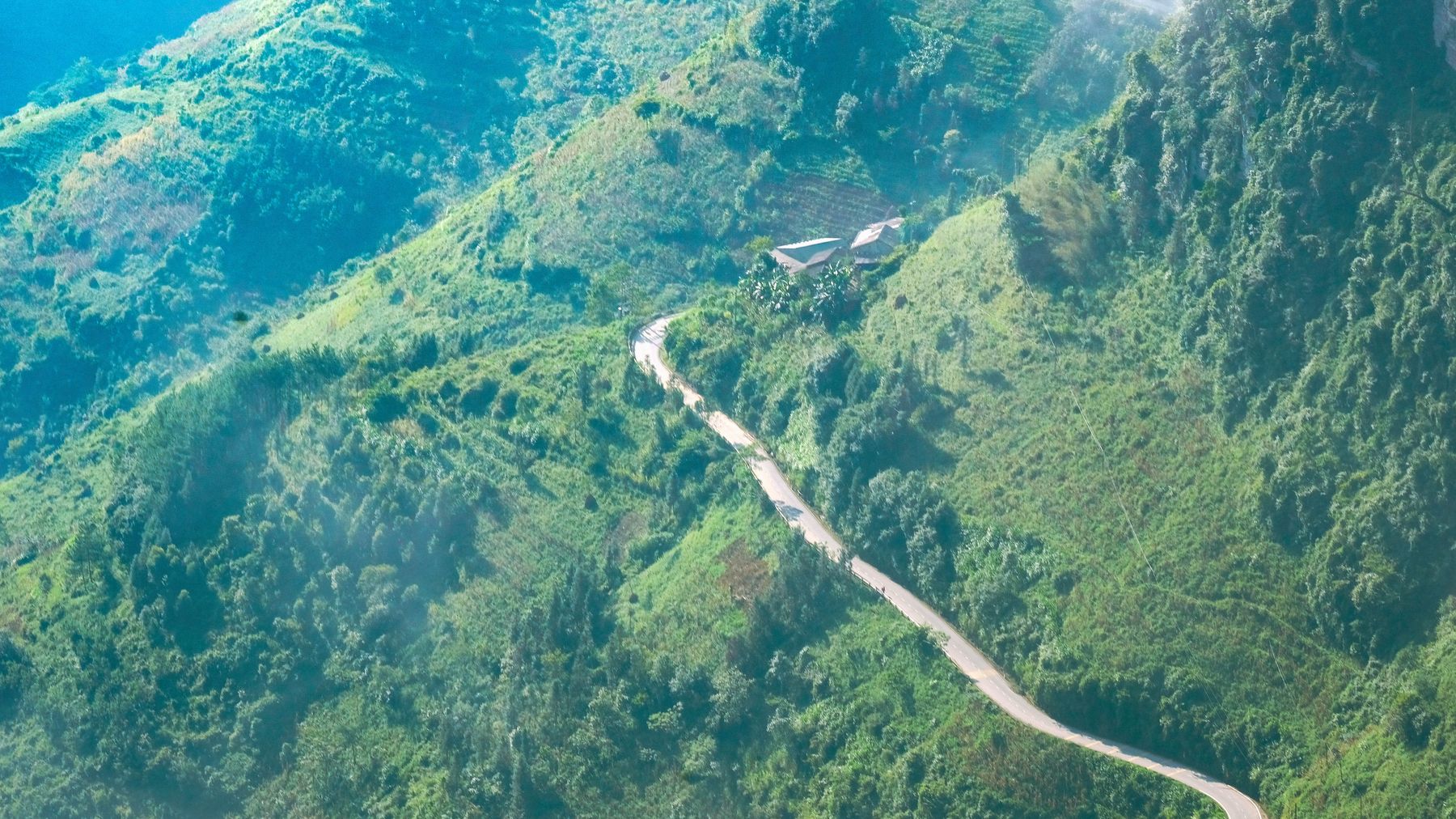
Photo by Du Tử Mộng on Pexels
Dong Van — The Old Quarter Market
Dong Van is the centerpiece of the Ha Giang (하장 / 河江 / ハーザン) loop, sitting on the Dong Van Karst Plateau about 150 km north of Ha Giang city. The Sunday market takes place in and around the old French-era quarter, a cluster of wooden shop-houses that survived well enough to feel genuinely old.
The food at Dong Van skews toward the Lo Lo and Hmong communities. Look for "au tau" porridge — made from a local medicinal root — which vendors sell from small pots near the market entrance in the early morning. It is bitter, warming, and medicinal-tasting; locals say it helps with the altitude cold. A bowl is around 15,000–20,000 VND.
Dong Van's corn-based food culture is more apparent here than at the other markets. "Men men", a steamed crumbled corn dish, is the everyday staple for many communities on the plateau, and you can find it served plain or alongside braised pork. Corn wine is sold in repurposed plastic bottles and is considerably stronger than it looks.
The grilled meat scene at Dong Van after dark (the market spills into evening) centers on skewered pork intestine and "cha" — a coarse ground pork sausage grilled on wire grates over charcoal. Eat standing up at the fire with a piece of bread from the French-influenced bread sellers nearby; the bread is one of the small pleasures of this corner of Vietnam.
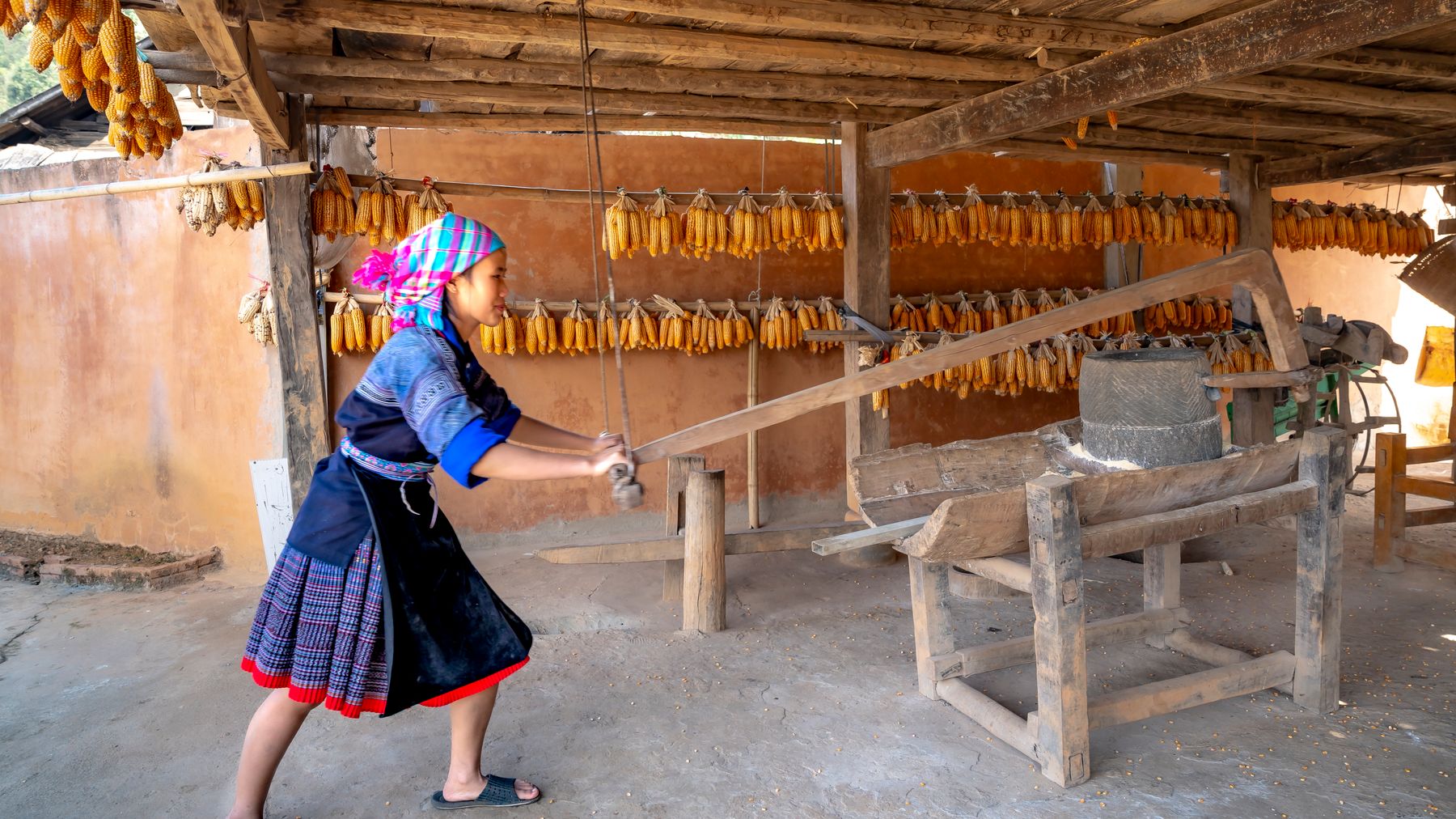
Photo by Quang Nguyen Vinh on Pexels
Meo Vac — The Thursday Market
Meo Vac is 24 km east of Dong Van along one of the most dramatic stretches of road in Vietnam. Its market runs on Sundays but the smaller Thursday gathering is less photographed and easier to move through.
Food at Meo Vac is rougher and less tourist-oriented than Bac Ha. Thang co is again present, simmering all morning. The specialty worth seeking is the dry-cured pork that Hmong and Lo Lo vendors bring down from their villages — sold in whole pieces or sliced, with a deep smokiness from being hung above the house fire for weeks. Buy a piece to eat with the sticky rice sold in small bamboo-leaf parcels for 10,000 VND each.
Meo Vac also has the best view from a market food stall of anywhere on this circuit: eat your bowl of soup looking out over the Ma Pi Leng Pass valley, which drops several hundred meters straight down behind the row of plastic chairs.
Practical Notes
All four markets require your own transport — motorbike or hired car. Sunday is the big day for Bac Ha and Dong Van; Coc Ly runs Tuesday, Meo Vac has its main market Sunday with a smaller Thursday version. Roads to Dong Van and Meo Vac require a motorbike license or a confident driver — the Ha Giang loop is beautiful but not forgiving. Bring small bills: 10,000 and 20,000 VND notes move faster than 100,000 at these stalls.
Last updated · May 26, 2026 · independently researched, never sponsored.