Day 1 — Arrival in Ha Giang City
Arrive by sleeper bus from Hanoi and check into a homestay near the city center. Spend your first day acclimating to the altitude and the pace of life. Walk to the local market to observe the morning trade. Off-script: Visit the local museum to understand the history of the ethnic groups in the region before you head deeper into the mountains.
Day 2 — The Gateway to the Plateau
Rent a semi-automatic motorbike or hire a local "easy rider" guide. Head toward Quan Ba. Stop at the Heaven Gate pass for your first look at the limestone karst formations. Off-script: Stop at a roadside stall in Quan Ba to try "thang co", a traditional horse meat stew, if you are feeling adventurous.
Day 3 — Into the Karst Plateau
Ride toward Yen Minh. The road winds through pine forests and steep valleys. The air gets noticeably thinner and cooler here. Off-script: Look for small, unmarked roadside stalls selling "banh tam giac mach" (buckwheat cake), a specialty of the region.
Day 4 — The History of Vuong Palace
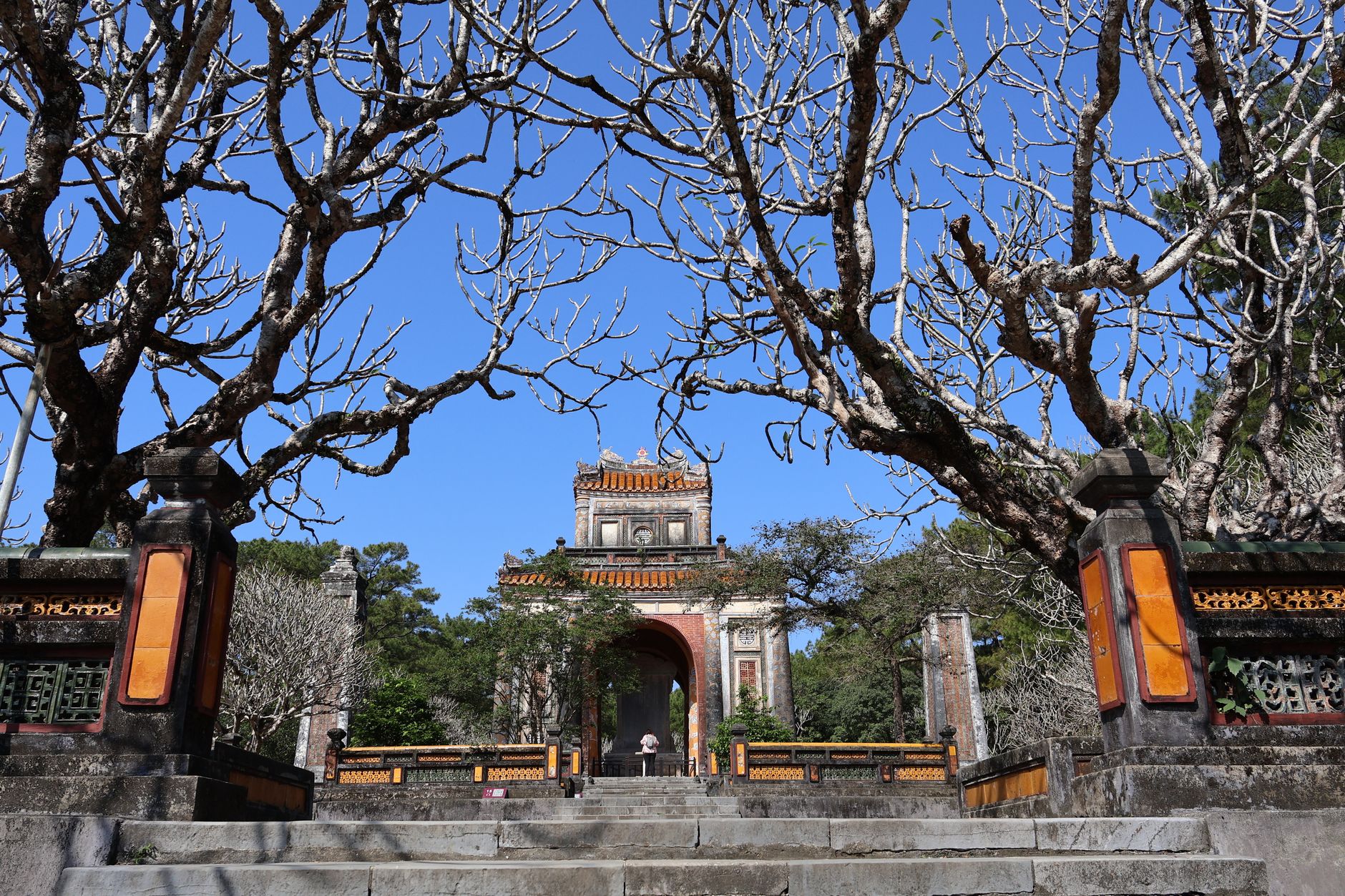
Head toward Sa Phin. This is where you will find the Vuong Palace, a historic residence of the Hmong kings. It is a quiet, atmospheric spot that feels frozen in time. Off-script: Spend an hour just sitting in the courtyard of the palace; the architecture is a masterclass in local craftsmanship.

Photo by Quang Nguyen Vinh on Pexels
Day 5 — Dong Van Old Quarter
Spend the day in Dong Van. The town is nestled in a valley and comes alive in the evening. The architecture here is distinct, with yellow-walled houses and tiled roofs. Off-script: Grab a "vietnamese coffee" at a cafe overlooking the main square and watch the local children play after school.
Day 6 — The Ma Pi Leng Pass
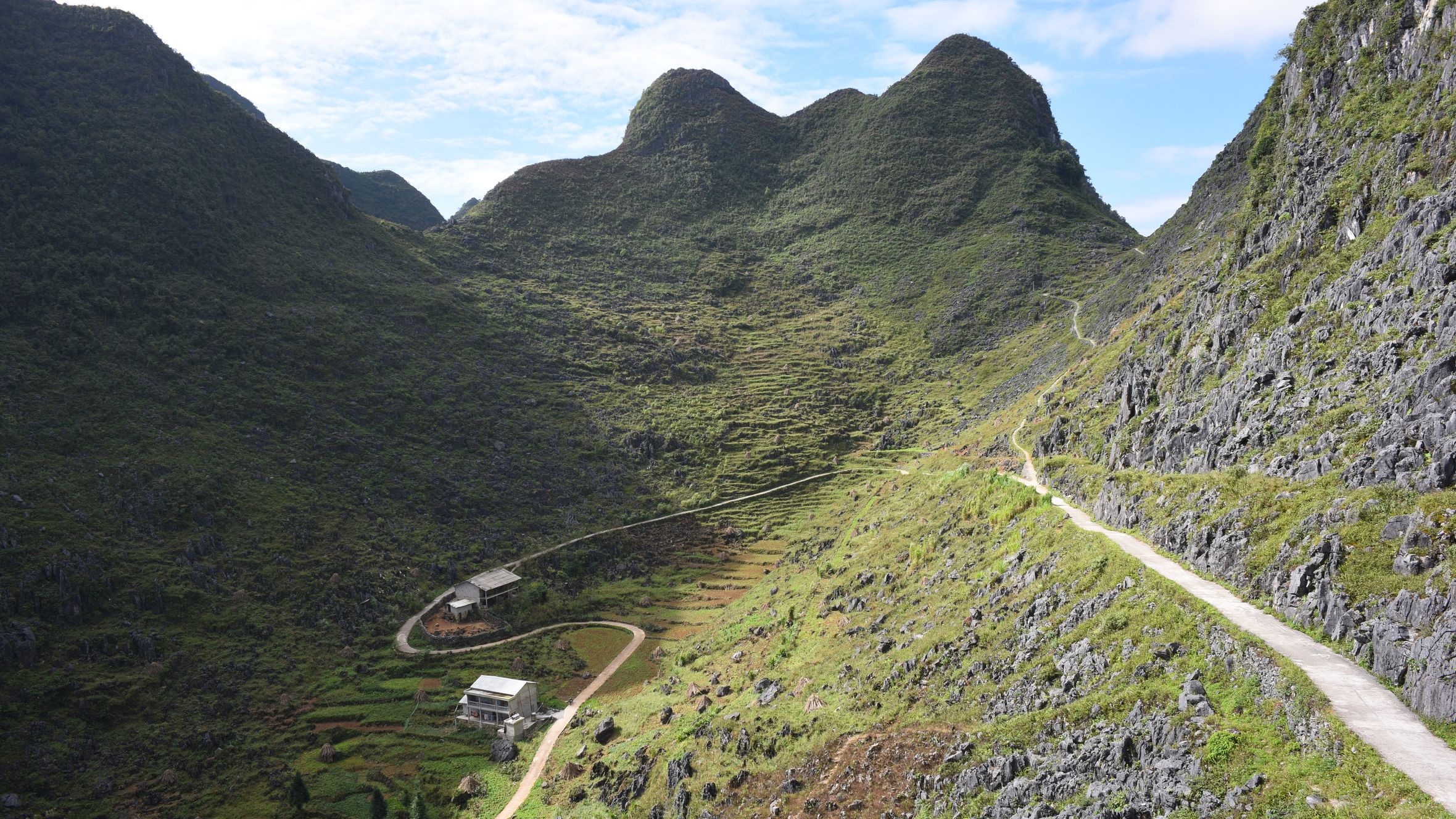
This is the highlight of the trip. The road between Dong Van and Meo Vac is carved into the side of the mountain. It is narrow and steep, so take your time. Off-script: Park your bike at the top of the pass and walk down the Sky Path for a view of the Nho Que River that most tourists miss.
Day 7 — Meo Vac and Local Markets
Meo Vac is less touristy than Dong Van. If your timing aligns with a Sunday, the market here is an essential experience for seeing the diversity of the local ethnic groups. Off-script: Try "men men" (steamed corn flour), a staple food for the Hmong people, at the market.
Photo by Quang Nguyen Vinh on Pexels
Day 8 — The Road to Du Gia
Head toward Du Gia, a village known for its waterfalls and rice paddies. The road is rougher here, but the scenery is some of the most rewarding in the province. Off-script: Ask your homestay host to show you how to make "banh chung" if you are visiting during a festive season.
Day 9 — Waterfall and Relaxation
Spend the day at the Du Gia waterfall. It is a quiet spot to swim and reflect on the journey. The village is incredibly welcoming to solo travelers. Off-script: Take a walk through the surrounding rice fields at sunset; the light hitting the limestone peaks is unmatched.
Day 10 — Return to Ha Giang City
Make the final ride back to Ha Giang City. The descent from the mountains is a good time to process the scale of the landscape you have just traversed. Off-script: Treat yourself to a bowl of "pho" at a local spot in the city center to celebrate the completion of your loop.
Practical Notes
Solo female travel in Ha Giang is safe, but always inform your homestay hosts of your next destination each morning. Carry a physical map as phone signal is unreliable in the deep valleys, and ensure your motorbike has a working headlight for the mountain tunnels.
Last updated · May 30, 2026 · independently researched, never sponsored.