Nui Ba Den rises 986 meters out of the flat Mekong plains northwest of Saigon, and there's nothing else like it for a hundred kilometers in any direction. It's the highest point in southern Vietnam (베트남 / 越南 / ベトナム), a major pilgrimage site, and — since the cable car system went in — one of the most accessible mountain day trips from Ho Chi Minh City.
What it is and why it matters
Nui Ba Den translates to Black Lady Mountain, named after a local legend involving a woman called Ly Thi Thien Huong who threw herself from the peak rather than betray her husband. The mountain has been a Buddhist pilgrimage destination for centuries, and the temples clustered around its slopes still draw enormous crowds during Tet and other lunar holidays.
The broader area falls under Tay Ninh province (recently merged with the former Long An province in a national administrative reorganization). For travelers, not much changes on the ground — Tay Ninh town remains your base, and the mountain is still about 11 km northeast of the town center.
During the war, both sides used the mountain for strategic positions, and you can still spot old bunker remnants near the summit. Today it's entirely peaceful — monks, cable cars, and weekend hikers.
Why travelers go
The views from the top are the main draw. On a clear morning, you can see the patchwork of rice paddies, rubber plantations, and the faint outline of Saigon (사이공 / 西贡 / サイゴン)'s skyline to the southeast. The cable car ride itself is worth the trip — it's one of the longest in Vietnam, and the sensation of floating above dense tropical forest with nothing but flatland below is genuinely unusual.
Beyond the scenery, the temple complex at the summit (Chua Ba Den) and the one mid-mountain (Chua Hang) are active places of worship. If you visit during a festival period, expect incense smoke, chanting, and thousands of Vietnamese pilgrims making the journey.
Best time to visit
The dry season — November through April — is your window. Mornings in December and January tend to be the clearest, with less haze and cooler temperatures at the top (it can drop below 20°C at the summit, which feels dramatic after 35°C in Saigon). Avoid weekends during Tet / 越南春节 / テト) and the Lunar New Year period unless you enjoy shoulder-to-shoulder crowds on the cable car.
The wet season (May–October) brings afternoon thunderstorms and fog that can blank out the summit views entirely. If you do go in the rainy months, aim for a very early morning start.
How to get there from Saigon
Tay Ninh is roughly 90 km northwest of central Saigon. You have a few options:
- Bus: Catch a bus from An Suong bus station (Hoc Mon district) to Tay Ninh bus station. Tickets run 60,000–80,000 VND, and the ride takes about 2–2.5 hours depending on traffic. From Tay Ninh bus station, grab a local xe om (motorbike taxi) or taxi to the mountain base — about 11 km, costing 50,000–80,000 VND.
- Motorbike: The ride from Saigon takes 2–3 hours via National Road 22. Straightforward route, mostly flat, decent road surface. Parking at the mountain base costs around 10,000–20,000 VND.
- Private car or Grab: A one-way Grab car from Saigon runs 500,000–700,000 VND. Some travelers book a round-trip with a driver for the day at around 1,200,000–1,500,000 VND, which is convenient if you want to also stop at the Cao Dai Temple in Tay Ninh town on the way.

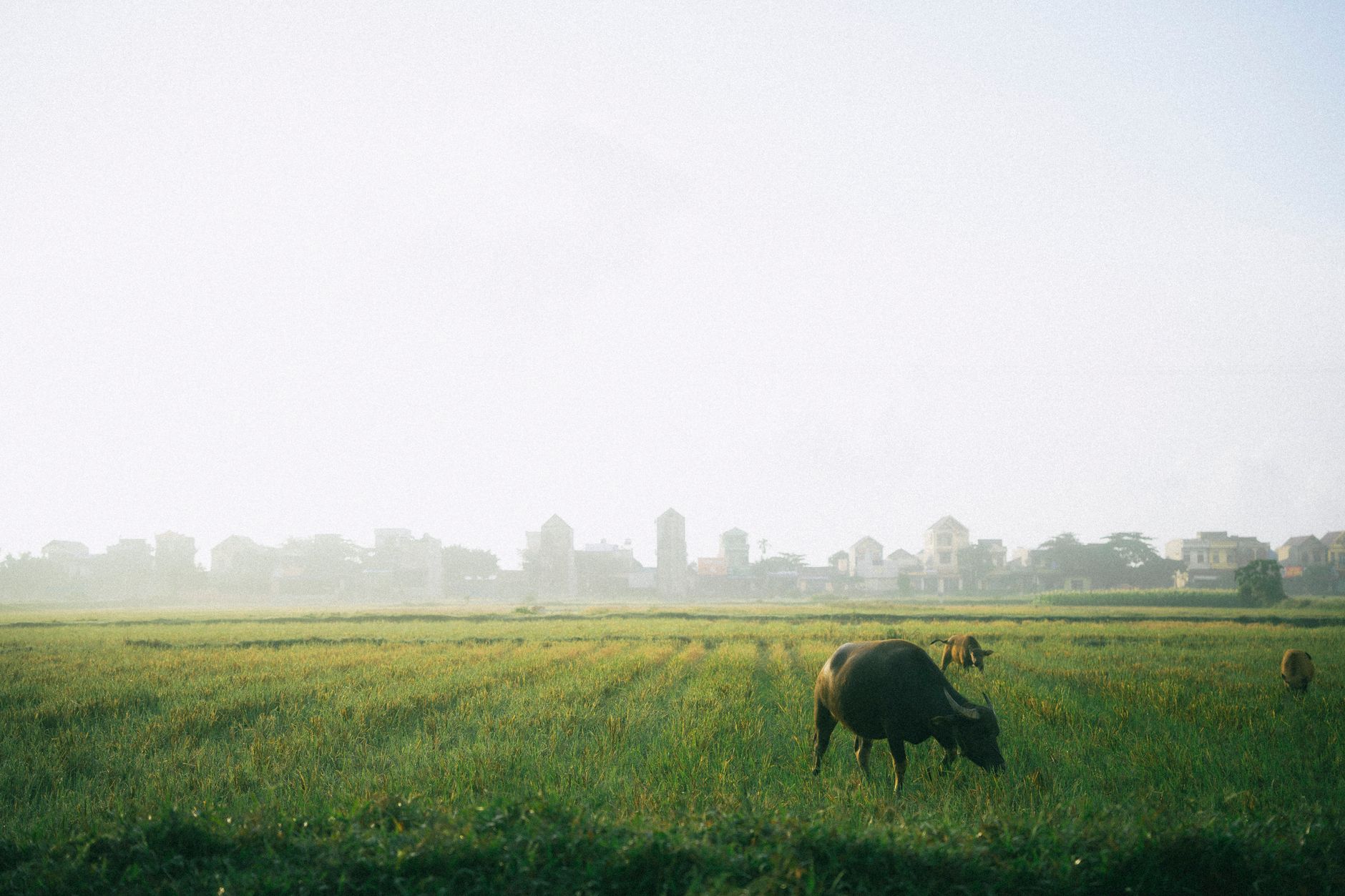
Photo by Quang Nguyen Vinh on Pexels
What to do
Ride the cable car to the summit
The Sun World Ba Den Mountain cable car system has two stages. The lower cable car takes you to a mid-station area with gardens and a temple complex. The upper cable car continues to near the summit. A round-trip ticket for both stages costs around 300,000–350,000 VND for adults. The ride up takes about 20 minutes total and covers significant elevation.
Hike the old pilgrim trail
If you want to earn the view, the hiking trail from the base to the summit is roughly 5 km with about 900 meters of elevation gain. It takes most people 2.5–4 hours going up, depending on fitness. The path is steep, rooty, and shaded — bring water (at least 2 liters) and decent shoes. You can hike up and cable car down, which is what most experienced hikers do.
Visit Chua Hang (the cave temple)
Located mid-mountain, this temple is built into a natural rock formation. It's smaller and quieter than the summit temple, and the stone carvings and old Buddhist statues inside the cave give it a more atmospheric feel. Accessible via the lower cable car or about 1.5 hours into the hiking trail.
Catch sunrise from the top
The cable car opens early — around 5:30 AM on weekends. If you can get on the first car, watching the sun come up over the plains with mist still sitting in the valleys below is the single best reason to visit. Weekday mornings are significantly less crowded.
Stop at the Cao Dai Temple
The Cao Dai Holy See in Tay Ninh town is one of the most architecturally distinctive religious buildings in Vietnam. It's on the way to or from the mountain, and the noon prayer ceremony (around 12:00 PM) is open to respectful visitors. Budget 30–45 minutes.
Where to eat nearby
Tay Ninh has its own food identity. Look for "banh canh" Tay Ninh style — thick tapioca noodles in a pork-based broth, often served with pork knuckle. Stalls near Tay Ninh market sell bowls for 30,000–45,000 VND. The province is also known for "banh trang" (rice paper) — Tay Ninh rice paper with chili, garlic, and dried shrimp toppings is a regional specialty you'll see stacked at every roadside shop. Grab a few packs for the road; they cost 10,000–20,000 VND each.
At the mountain base, there's a food court area with standard Vietnamese dishes — "com tam", noodle soups, grilled meats — at tourist-area prices (50,000–80,000 VND per plate).
Where to stay
Most travelers do Nui Ba Den as a day trip from Saigon. If you want to overnight in Tay Ninh to catch sunrise:
- Budget guesthouses near the town center: 200,000–350,000 VND/night. Basic but clean.
- Mid-range hotels (Vinpearl has a property, plus a few local options): 600,000–1,200,000 VND/night.
- Homestays closer to the mountain base have started appearing, typically 300,000–500,000 VND/night.

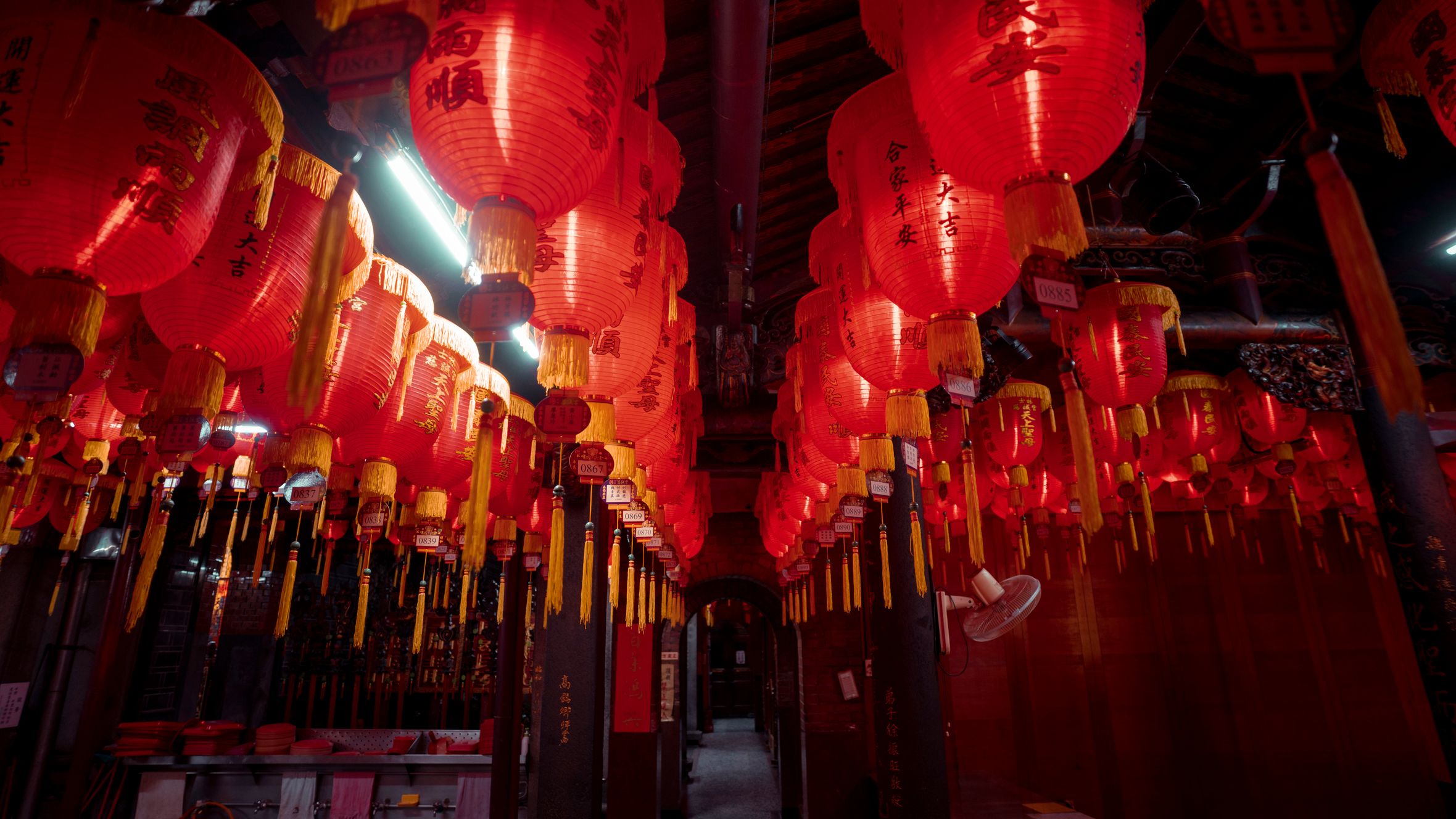
Photo by Thịnh La on Pexels
Practical tips locals would tell you
- Bring a light jacket for the summit, even in the hot months. Wind chill is real at nearly 1,000 meters.
- Wear proper shoes if hiking — flip-flops on the trail is a recipe for a turned ankle.
- The cable car queues on Sunday mornings and public holidays can hit 45–60 minutes. Go on a weekday or arrive before 7 AM on weekends.
- Fill up on fuel in Tay Ninh town if you're on a motorbike — there's nothing near the mountain base.
- Bring cash. Card acceptance at the base area is inconsistent outside the cable car ticket office.
Common mistakes to avoid
- Arriving at midday: The heat at the base is brutal, haze kills the summit views, and afternoon storms roll in fast during wet season.
- Skipping water on the hike: There are a couple of drink vendors on the trail, but don't count on them. Carry your own.
- Only doing the cable car: The mid-mountain area and Chua Hang are worth the stop. Don't just ride straight to the top and back.
- Ignoring Tay Ninh town: The Cao Dai Temple and the local food scene make the trip feel like more than just a mountain visit.
Practical notes
Nui Ba Den works well as a day trip from Saigon or as a stop on a longer loop through the Mekong Delta or toward the Cambodian border. Pair it with the Cao Dai Temple and you have a full, unhurried day. If you're heading south afterward, Can Tho and the delta are within reach for a multi-day route.
Last updated · May 29, 2026 · independently researched, never sponsored.