What it is
Rung Tram Tra Su is a 850-hectare cajuput (melaleuca) forest in Tinh Bien district, An Giang province, roughly 30 km from Chau Doc town. The forest sits in a flood-prone depression that fills with water during the Mekong's annual rise between August and November, turning the woodland floor into a mirror of bright green duckweed — the image most people associate with the place.
The area was originally a natural wetland that locals used for fishing and firewood. In the early 2000s, it was developed into a protected bird sanctuary and ecotourism site. Today it shelters over 70 bird species, including painted storks, cormorants, and Asian openbills that nest in enormous colonies in the treetops.
Why travelers go
The draw is simple: paddling a narrow sampan through channels where cajuput trunks rise straight out of a carpet of vivid green "beo" (duckweed), with bird calls overhead and almost no engine noise. It's one of the few places in the Mekong Delta (메콩 델타 / 湄公河三角洲 / メコンデルタ) where you get genuine quiet and a sense of wildness rather than just another floating market crowd.
Photographers come for the light filtering through the canopy and the reflections on still water. Birders come for the heron rookeries. Everyone else comes because a morning on the water here feels completely different from the rest of the Delta — no traffic, no karaoke speakers, just dripping paddles and the occasional fish breaking the surface.
Best time to visit
The forest has two distinct faces depending on the season:
Flood season (August–November)
This is peak time. Water levels rise enough to paddle deep into the forest interior. The duckweed carpet is at its thickest and greenest. Bird colonies are active — many species breed during this period. Go in September or October for the highest water and best conditions.
Dry season (December–April)
Water recedes significantly. Boat access is limited to the main channels. You'll walk elevated boardwalks instead of paddling through the interior. Still pleasant, but a fundamentally different experience — more of a nature walk than a water journey. The observation tower is accessible year-round and gives canopy-level views of nesting birds.
Avoid midday visits regardless of season. The forest is best in early morning (gates open at 7:00) or late afternoon (last entry around 15:00–15:30) when bird activity peaks and the light is low enough to show off the green water.
How to get there
Tra Su is most easily reached from Chau Doc, which is the logical base town.
From Saigon: Take a bus to Chau Doc (about 6 hours, 250 km). Phuong Trang and Hung Cuong run direct services from Mien Tay bus station, tickets around 160,000–200,000 VND. Alternatively, take the faster route via Long Xuyen.
From Can Tho: About 3–3.5 hours by bus or car (170 km via National Road 91).
From Chau Doc to the forest: The entrance is roughly 30 km south. Options:
- Motorbike rental from your hotel (80,000–120,000 VND/day) — the road is flat and easy
- Grab car: around 200,000–250,000 VND one way
- Organized day tour from Chau Doc: 300,000–500,000 VND per person including transport, entrance, and boat
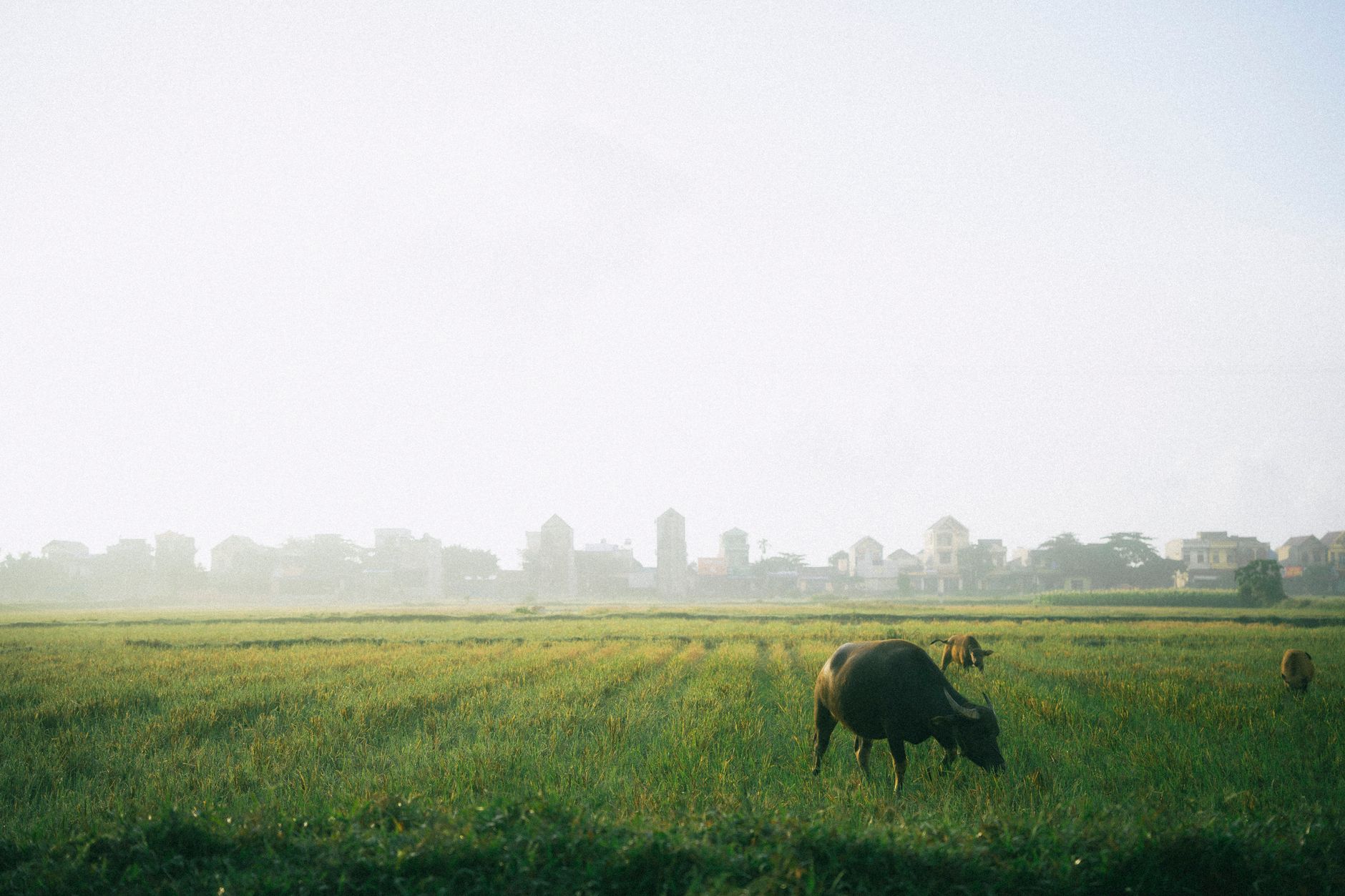
The road from Chau Doc passes through rice paddies and Khmer villages — worth slowing down for.

Photo by Alberto Capparelli on Pexels
What to do
Motorboat + sampan combo: The standard visit involves a motorboat ride along the main canal (about 10 minutes), then switching to a hand-paddled sampan for the forest interior (30–40 minutes). Total ticket including boat: around 200,000 VND per person. The sampan section is the highlight — this is where you get the narrow channels and overhead canopy.
Observation tower: A 15-meter bamboo tower near the forest center gives you a bird's-eye view of the rookery. Worth the climb, especially in breeding season when thousands of storks circle at dusk.
Boardwalk trail: A wooden walkway loops through a section of the forest. Good for stretching your legs after the boat ride and spotting smaller birds, lizards, and the occasional water snake.
Kayaking: Some tour operators now offer kayak rentals (around 100,000 VND extra) for those who want to move at their own pace rather than relying on a paddler. Available in flood season only.
Where to eat
There's a basic canteen at the forest entrance selling rice plates and drinks, but nothing special. Better options:
- Chau Doc town: The riverside "mam" (fermented fish) restaurants along Bach Dang street serve the region's signature dishes — "bun ca" (fish noodle soup) and "lau mam" (fermented fish hotpot) for around 80,000–150,000 VND. The night market near the river has grilled corn, "banh xeo" with local herbs, and sugarcane juice.
- Tinh Bien market: If you're passing through on the way back, stop for Khmer-style "num bo choc" (fish curry noodle soup) — a regional specialty you won't find easily elsewhere.
Where to stay
Most travelers base in Chau Doc, which has a range from budget guesthouses (200,000–400,000 VND) to midrange hotels like Victoria Chau Doc (1,500,000+ VND) overlooking the Hau River. A few homestays have appeared closer to the forest in Tinh Bien but facilities are basic.
If you're combining with Sam Mountain and the Cambodian border crossing, Chau Doc makes sense as a 2–3 night base.

Photo by Tam Freemanfreemind on Pexels
Practical tips
- Bring mosquito repellent. The still water means insects, especially at dawn and dusk.
- Wear a hat and long sleeves — sun reflects hard off the water even under canopy.
- A waterproof phone case is worth the 30,000 VND from any shop in Chau Doc. Sampans sit low and splashing happens.
- Weekends and public holidays bring domestic tour groups. Arrive before 8:00 or visit on a weekday for quieter channels.
- Tipping your sampan paddler 20,000–50,000 VND is appreciated — they do hard physical work.
Common mistakes
Visiting in dry season expecting the Instagram shot. The green duckweed carpet and flooded forest only exist August–November. Check water conditions before booking.
Rushing through as a day trip from Saigon (사이공 / 西贡 / サイゴン). The 6-hour each way travel makes a same-day return exhausting and pointless. Spend at least one night in Chau Doc and combine with Sam Mountain, the floating village, and the Khmer pagodas nearby.
Skipping the early morning slot. Most tour groups arrive 9:00–11:00. The forest at 7:00 is a completely different experience — mist on the water, birds feeding, near-silence.
Practical notes
Tra Su is one of the few Mekong Delta experiences that feels genuinely wild rather than staged for tourists. Pair it with a night in Chau Doc and you've got a solid 2-day side trip from either Saigon or Can Tho that most travelers overlook in favor of the more famous floating markets.
Last updated · May 29, 2026 · independently researched, never sponsored.