Vietnam (베트남 / 越南 / ベトナム) runs on rice and noodles, which sounds like bad news if you're eating paleo. It isn't. Underneath the bowls of "pho" and plates of "com tam", the country's food culture is built on grilled proteins, raw vegetables, fresh herbs, and coconut-based sauces — exactly what paleo looks like in practice. You just need to know what to order and what to skip.
What Works Naturally
Vietnam's street food tradition has always centered on whole ingredients. A grilled pork skewer from a Hanoi night market is pork, lemongrass, and fish sauce — nothing else. A whole grilled fish at a Saigon seafood stall comes with a plate of lettuce, mint, perilla, and sliced cucumber for wrapping. The cuisine isn't paleo by design, but large sections of it are paleo by default.
Fish sauce and shrimp paste are your friends here. Both are fermented seafood with no grain fillers. Most dipping sauces (nuoc cham) are fish sauce, lime juice, chili, and sugar — the only non-paleo element is the sugar, and you can ask for it light or skip it. Coconut milk appears in many central and southern dishes and is fully on the list.
What to Order
Grilled and Roasted Meats
This is the easiest category. Look for thit nuong (grilled meat) at any stall. Pork belly, chicken thighs, beef wrapped in betel leaf (bo la lot) — all grilled over charcoal, no batter, no breading. In Saigon, com tam (껌땀 / 碎米饭 / コムタム) restaurants build their whole menu around grilled pork over broken rice; order the pork, skip the rice, and add a fried egg.
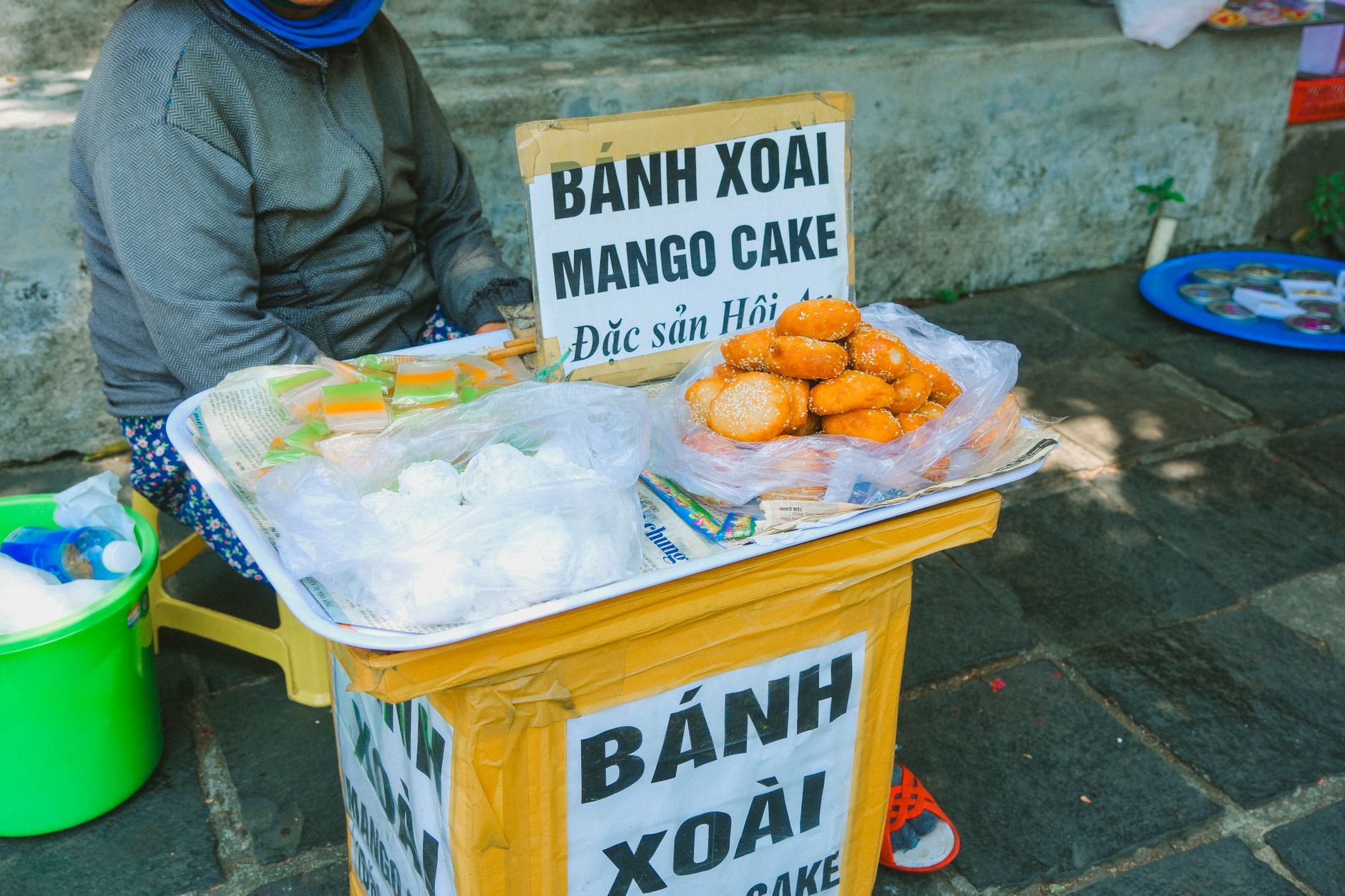
In Hoi An, the local specialty cao lau is off-limits (thick noodles), but the grilled pork skewers sold alongside it are not. In Hue, grilled pork served with rice paper and herb plates is a staple — eat the pork and herbs, leave the rice paper.
Seafood
Anywhere near the coast — Da Nang, Phu Quoc, Mui Ne, Hoi An — fresh grilled seafood is cheap and abundant. Tiger prawns, squid, whole snapper, clams steamed in lemongrass: 80,000–200,000 VND per dish at an open-air seafood place. Ask for it grilled (nuong) or steamed (hap) rather than battered and fried.
Ca kho to — fish braised in a clay pot with caramel and fish sauce — is a southern staple. The caramel adds sugar, but in small amounts. If you're being strict, ask the cook; if you're being practical, eat it anyway and move on.
Salads and Fresh Vegetables
"Goi cuon" (fresh spring rolls) use rice paper, which you'd technically skip. But the filling — shrimp, pork, herbs, lettuce, cucumber — is exactly right. Ask a roll vendor or restaurant to serve the filling without the wrapper; most will do it without a fuss, especially in tourist areas.
Papaya salad (goi du du) is shredded green papaya, dried shrimp, herbs, and a light dressing. No grains, no legumes. In the south, banana blossom salad (goi bap chuoi) with shrimp and pork is another clean option.
Most meals come with an unprompted plate of raw herbs — Thai basil, Vietnamese mint, bean sprouts, sliced banana flower. Eat all of it.
Eggs
Eggs are everywhere and cheap. Trung chien (fried egg) appears on most com tam plates. Steamed egg dishes, omelettes cooked in claypots, soft-boiled eggs in soups — reliable paleo protein when you're between proper meals.

Photo by Surya Travel on Pexels
What to Watch For
The main landmines are hidden starches and sauces.
Oyster sauce and hoisin both contain wheat and sugar. They show up in stir-fries (xao) constantly. When ordering stir-fried vegetables or meat, you can ask for just garlic and fish sauce (toi va nuoc mam), and most cooks will accommodate it.
Cha gio (fried spring rolls) use wheat wrappers and sometimes glass noodles inside. Skip these. The filling is often pork and mushroom — fine on its own — but the wrapper disqualifies them.
Pho broth is technically paleo (beef bones, spices, fish sauce), but the rice noodles are not. Some places will do a broth-only bowl (pho khong banh) if you explain it. You won't always get a sympathetic response, but it's worth asking in larger cities.
Banh mi is bread — out entirely.
Bean sprouts sit in a gray zone (legumes), but they're used in such small quantities as garnish that most strict paleo eaters ignore it.
Fruit
Vietnam is a paradise here. Roadside vendors sell cut fruit everywhere: dragon fruit, rambutan, jackfruit, mango, pomelo, star fruit. A bag of cut watermelon or pineapple costs 10,000–20,000 VND. In Da Lat, the highland climate produces strawberries and avocados year-round. For breakfast, a plate of mixed tropical fruit is available at almost every guesthouse and requires zero explanation.

Photo by Marcus Luu on Pexels
Practical Strategy
The simplest approach: anchor your meals around grilled meat or fish + herb plates + vegetables, and treat rice and noodles as the thing to politely decline. In Vietnamese, "khong com" (no rice) and "khong bun" (no noodles) are short phrases worth learning. Most vendors won't argue — they'll just look mildly puzzled.
Wet markets and supermarkets (Co.op Mart, Winmart) stock fresh produce, eggs, and unprocessed meat if you're cooking your own meals. Coconut water, straight from the fruit, is available on almost every corner for 15,000–25,000 VND.
Practical Notes
Paleo isn't a concept most Vietnamese food vendors know, so framing requests around specific ingredients works better than dietary labels. Stick to grilled or steamed dishes, load up on herbs and raw vegetables, and lean on seafood along the coast. The cuisine rewards the approach more than you'd expect.
Last updated · May 29, 2026 · independently researched, never sponsored.