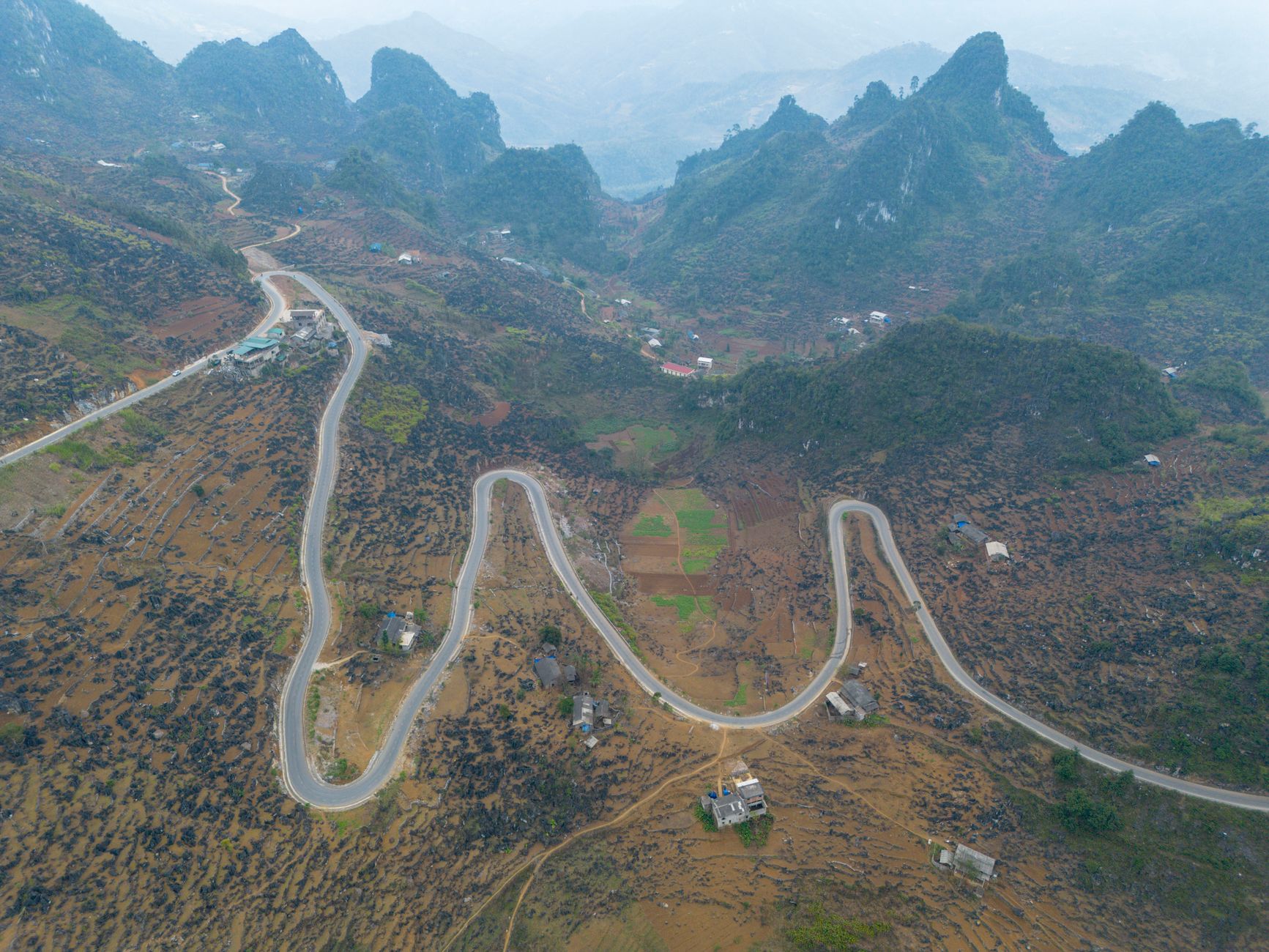
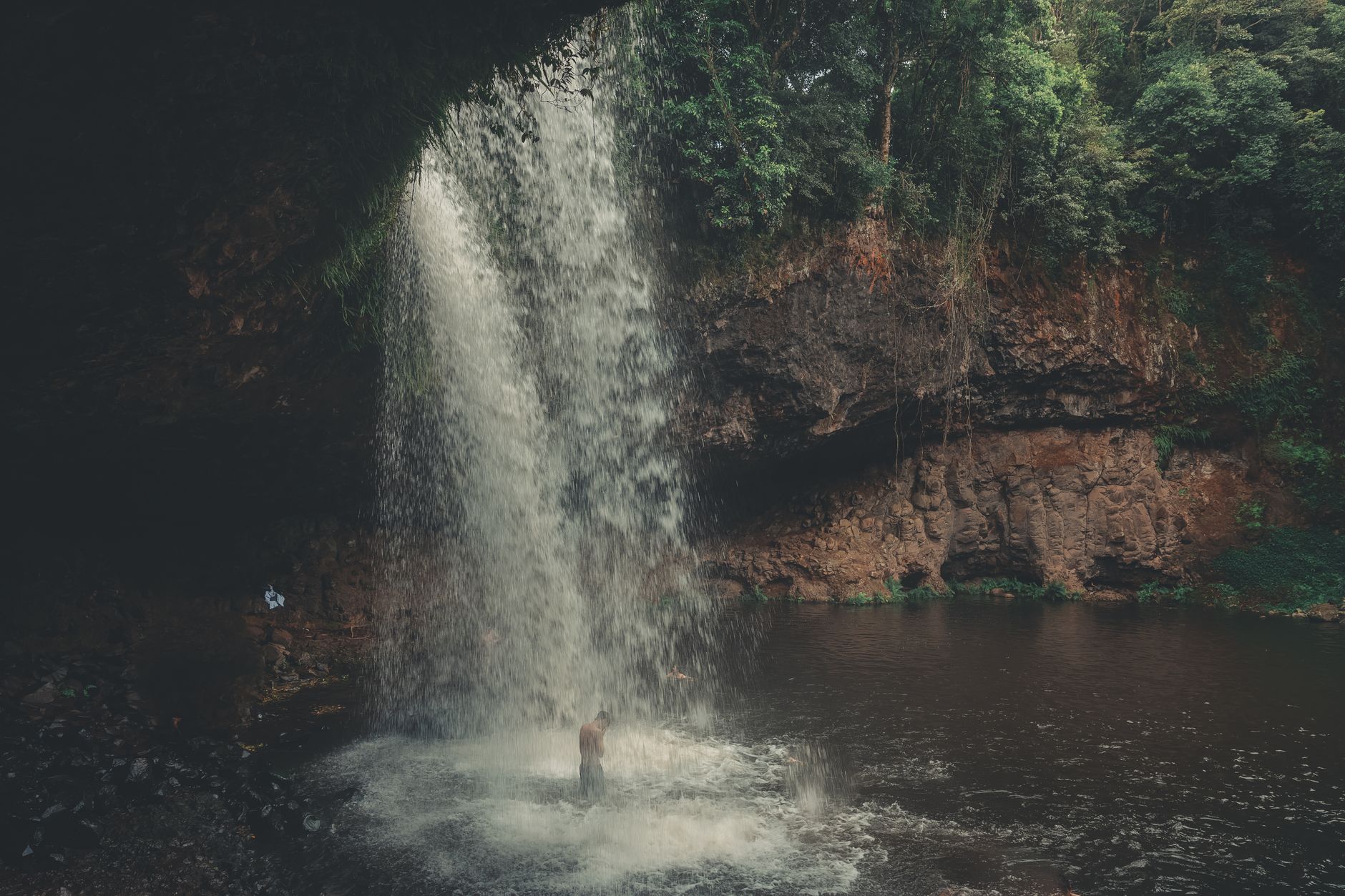
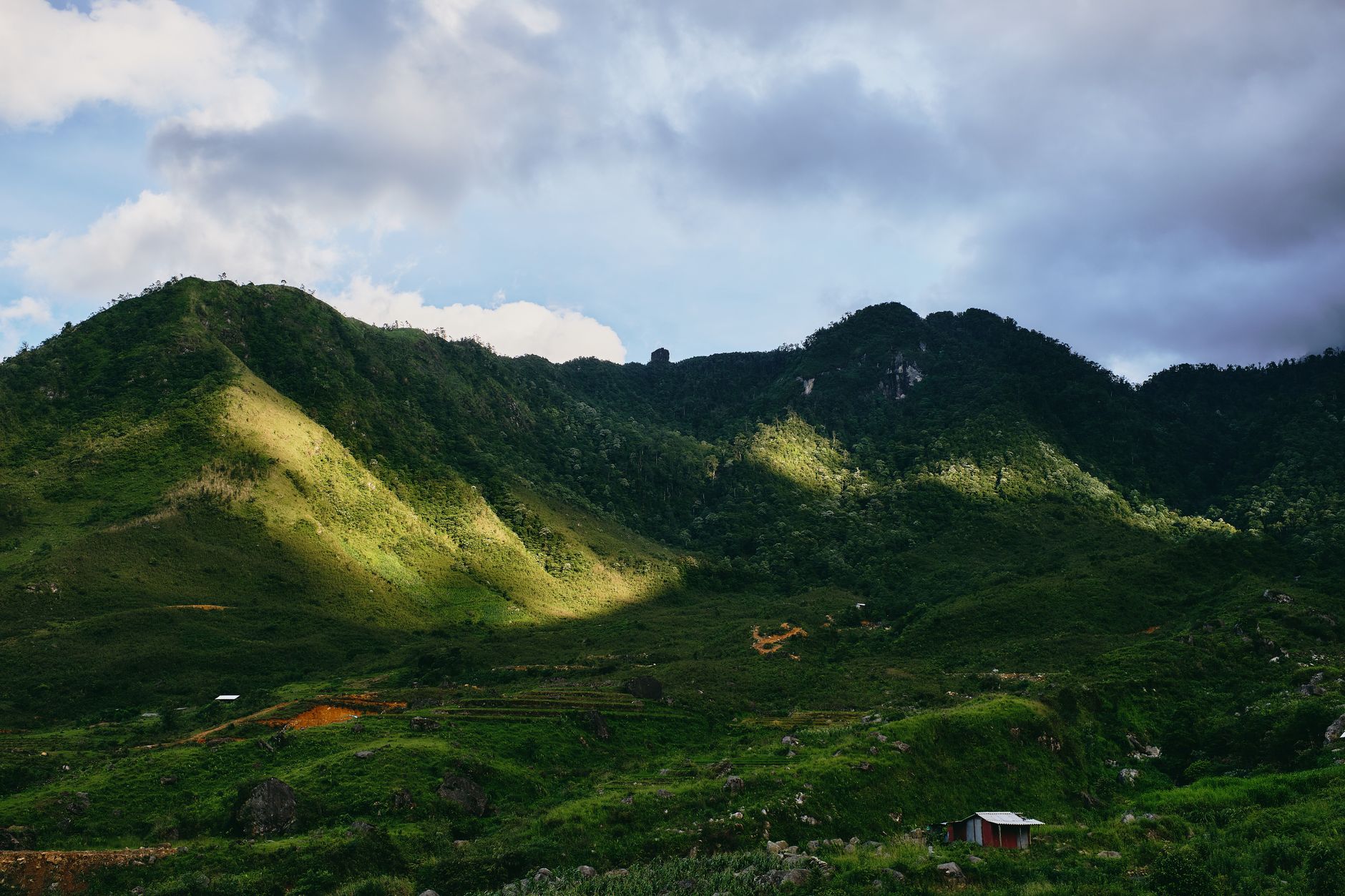
Phia Oac - Phia Den sits at the top of Cao Bang province, about 1,500 meters above sea level, and feels nothing like the rest of Vietnam. The air is cool year-round, the forest is dense and mossy, and on certain mornings the clouds roll through camp like fog off a river. It's one of the few places in the country where you might actually need a jacket in July.
What it is
Phia Oac - Phia Den National Park covers roughly 10,000 hectares of subtropical and temperate forest in Nguyen Binh district, Cao Bang province. The park was officially established in 2018, though the forest itself has been a protected area for much longer. Phia Oac peak tops out at 1,931 meters — one of the highest points in the northeast.
The park is home to old-growth cloud forest, dozens of orchid species, and wildlife including macaques, civets, and several bird species you won't find further south. The Dao and Tay ethnic communities living around the park's edges have been here for generations, and their presence shapes the area as much as the landscape does.
Why travelers go
Most people come for the cool weather and the trekking. This isn't a manicured national park with paved paths and ticket booths every 200 meters. Trails here are rough, sometimes muddy, and you'll likely have them to yourself on weekdays. The cloud forest canopy — thick with moss, lichen, and epiphytes — has a quality of light that photographers travel hours for.
Birders come for the diversity at altitude. Botanists come for the orchids and rhododendrons. And a growing number of travelers use Phia Den town as a base for exploring the broader Cao Bang highlands, which remain far less visited than Ha Giang or Sapa despite equally dramatic terrain.
Best time to visit
October through December is the sweet spot. Skies are clearer, rain has tapered off, and the forest is green without being waterlogged. Temperatures at the Phia Den base hover around 15-20°C during the day, dropping to single digits at night.
January through March brings genuine cold — sometimes frost or even light snow on Phia Oac peak, which draws domestic visitors hoping to see ice on the branches. It's a rare event, not guaranteed, but the cold-season atmosphere is worth it regardless.
April through September is wetter. Trails get slippery, leeches appear, and fog can close in for days. The upside: the forest is at its most alive, and you'll have the place almost entirely to yourself.
How to get there
The nearest major hub is Cao Bang city, about 60 km southeast of Phia Den town. From Cao Bang, take the road northwest toward Nguyen Binh — the drive is roughly 2 hours by motorbike or private car, winding through limestone valleys and small Tay villages. There's no direct public bus to Phia Den, but local minibuses run between Cao Bang and Nguyen Binh town (around 80,000-100,000 VND), from where you can hire a "xe om" (motorbike taxi) the remaining 15 km up to Phia Den.
Getting to Cao Bang city itself: overnight buses run from Hanoi's My Dinh station (around 250,000-350,000 VND, 7-8 hours). If you're riding a motorbike from Hanoi, the route through Bac Kan and Nguyen Binh takes about 9-10 hours and is genuinely good riding once you clear the lowlands.
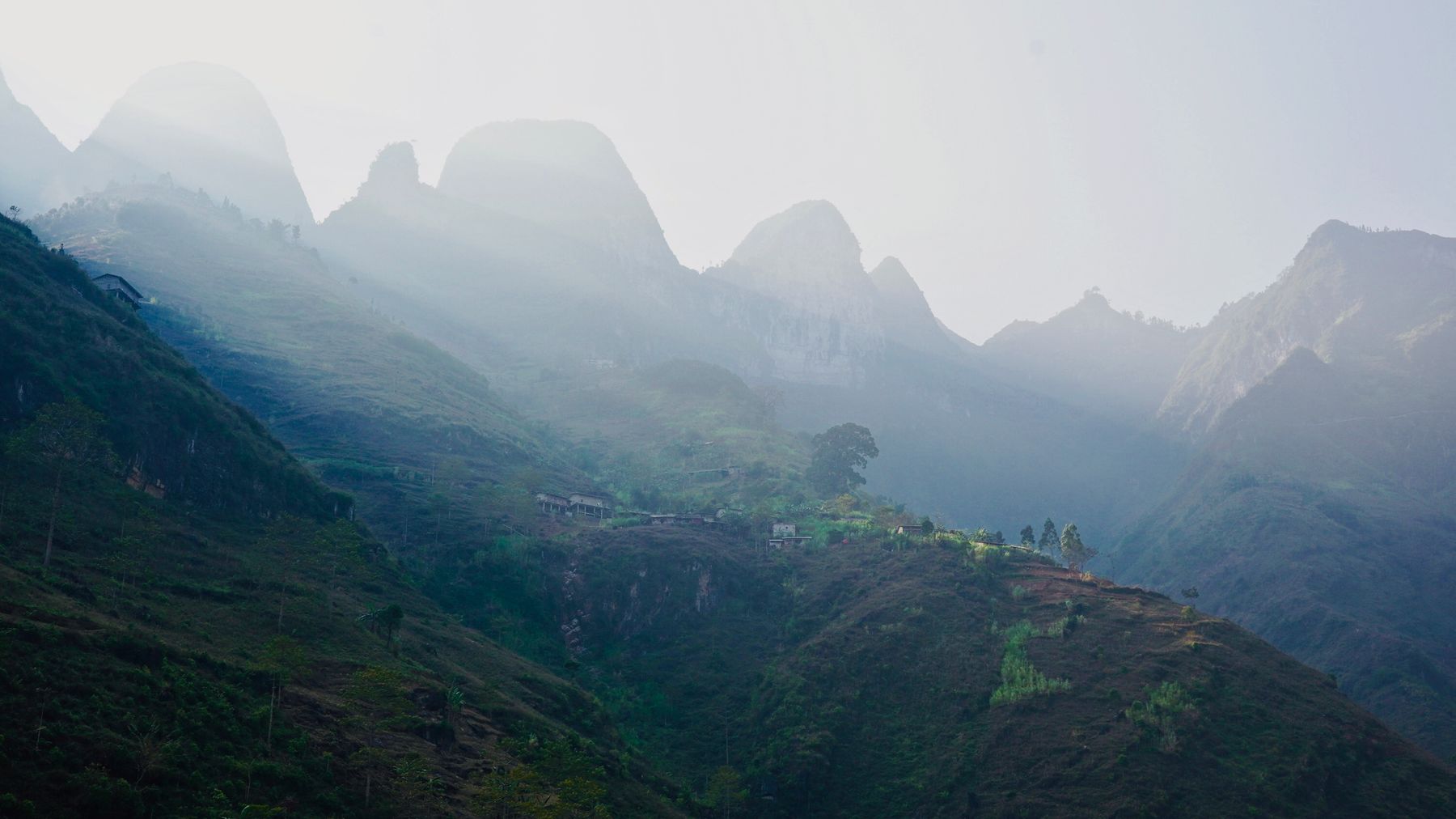
Photo by Quang Le Xuan on Pexels
What to do
Trek to Phia Oac peak
The main event. The trail from Phia Den town to the summit is about 6 km one way, gaining roughly 500 meters of elevation through bamboo groves and old cloud forest. Budget 4-5 hours round trip. The path is marked but not always obvious — hiring a local guide through your homestay (around 300,000-500,000 VND per day) is worth it, especially in foggy conditions. The summit gives views across the Cao Bang highlands when the clouds cooperate.
Walk through the French-era ruins at Phia Den
The French built a hill station here in the 1930s, drawn by the same cool climate that draws visitors now. A few stone foundations, crumbling walls, and an old church ruin remain scattered around Phia Den town. None of it is restored or signposted in any useful way — you just stumble across it while walking. The church ruin, half-swallowed by vegetation, is particularly atmospheric.
Visit Dao villages around Phia Den
Several Red Dao hamlets sit along the roads below the park. These aren't tourism villages with entrance fees and staged performances — they're working communities. If you show up respectfully, people are generally welcoming. Some families sell handwoven textiles and embroidery directly. Your homestay host can usually arrange an introduction.
Explore the orchid forest
A section of forest near the park entrance is particularly dense with wild orchids — the local guides know exactly where to find them. Peak bloom varies by species, but March through May tends to be the most rewarding window.
Drive the Nguyen Binh loop
If you have a motorbike, the roads between Phia Den, Nguyen Binh, and the surrounding valleys make for a full day of riding through terraced rice fields, limestone karst, and villages where tourism hasn't really arrived yet. The road surfaces range from decent asphalt to packed dirt.
Where to eat nearby
Phia Den town has a handful of small restaurants, mostly serving home-style Vietnamese food. Ask for "thang co" — a sour, herbal organ-meat stew common among ethnic communities in the northern highlands. It's an acquired taste, but it's the dish that belongs here. Grilled pork with sticky rice and local greens is the reliable comfort meal after a day of trekking.
If you're staying at a homestay, most hosts cook dinner for guests. This is almost always the best meal you'll eat in the area — fresh vegetables from the garden, local pork, and rice cooked over a wood fire.
Where to stay
Accommodation in Phia Den is limited but growing. A few homestays run by Dao and Tay families offer basic rooms for 200,000-400,000 VND per night, often including dinner and breakfast. Conditions are simple — don't expect hot water pressure or fast wifi. There's also a government-run guesthouse in Phia Den with slightly more formal rooms around 400,000-600,000 VND.
Cao Bang city, 2 hours away, has more options ranging from budget hotels (250,000-400,000 VND) to mid-range places (600,000-1,000,000 VND). But staying in Phia Den is the point — the early morning fog rolling through the valley is half the experience.

Photo by Juan Felipe Ramírez on Pexels
Practical tips locals would tell you
- Bring layers. Even in summer, evenings get cold at this elevation. In winter, a proper fleece or down jacket is essential, not optional.
- Cash only. There are no ATMs in Phia Den and no card payments. Stock up in Cao Bang city.
- Phone signal is patchy. Viettel works best up here. Download offline maps before you leave Cao Bang.
- Leeches in wet season. Long socks tucked into pants, and carry salt or a lighter. They're harmless but annoying.
- Fuel up in Nguyen Binh. The last reliable petrol station before Phia Den is in Nguyen Binh town.
Mistakes to avoid
Showing up without a guide and expecting marked trails — this isn't Sapa. The forest is dense and disorienting once you're off the main path. Underestimating the cold is the other classic error; travelers coming from Hanoi (하노이 / 河内 / ハノイ) in October often pack for warm weather and spend the night shivering. And don't plan a day trip from Cao Bang — the drive eats too much time. Give yourself at least two nights in Phia Den to actually settle in and explore properly.
Practical notes
Phia Oac - Phia Den doesn't show up on most Vietnam itineraries, which is precisely why it's worth the detour if you're already exploring Cao Bang province — perhaps on your way to or from Ha Giang (하장 / 河江 / ハーザン). The infrastructure is basic, the trails are rough, and the weather is unpredictable. That's the trade-off for a place that still feels genuinely remote.
Last updated · May 26, 2026 · independently researched, never sponsored.