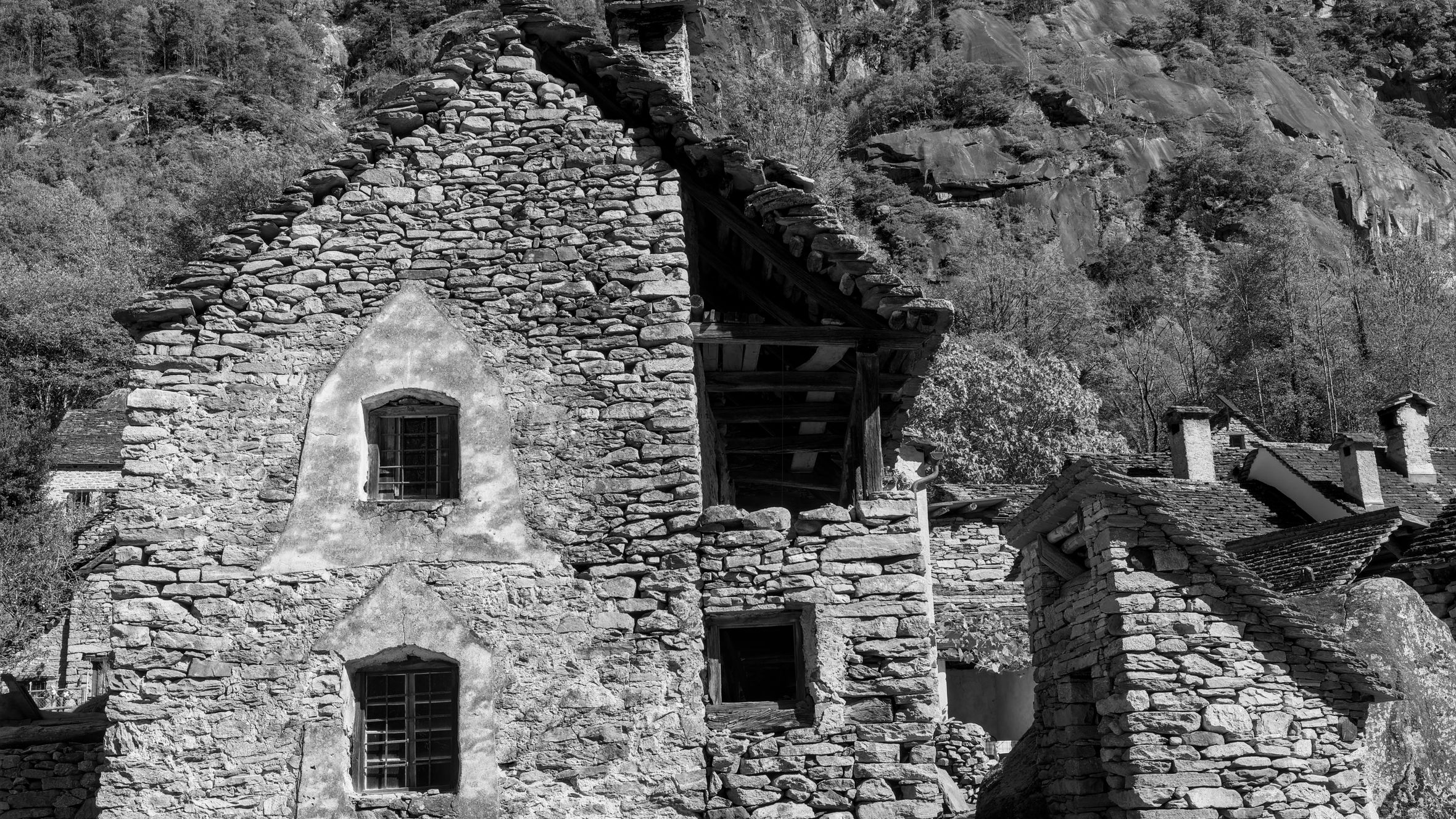
Pho Bang sits at roughly 1,000 meters elevation in the far northern highlands, a former trading post built by ethnic Hoa (Chinese) merchants over a century ago. After provincial redistricting merged the former Ha Giang territory into Tuyen Quang, the town still feels like it belongs to its own pocket of time — stone walls, tile roofs gone dark with moss, and a pace that makes even Dong Van feel hurried.
What Pho Bang actually is
Pho (쌀국수 / 越南河粉 / フォー) Bang is a small settlement of around 100 old houses clustered along a single main lane, roughly 25 km north of Dong Van town. The architecture is southern Chinese in character — thick rammed-earth or stone walls, carved wooden doors, interior courtyards — built by Hoa traders who moved into the region in the late 19th and early 20th centuries to deal in opium, silver, and medicinal herbs. The trade dried up decades ago, but the houses remain, many still occupied by descendants of the original families.
Unlike Dong Van's old quarter, which has been partly restored and sees steady tourist traffic, Pho Bang is rougher around the edges. Fewer souvenir shops, fewer cafes, more chickens wandering through doorways. That's the draw.
Why travelers go
Most people pass through Pho Bang as part of a Ha Giang loop — specifically the northern spur toward Dong Van and the Ma Pi Leng pass area. The town works as a half-day stop or an overnight if you prefer quiet evenings over Dong Van's growing backpacker scene.
The appeal is simple: it's one of the best-preserved clusters of old merchant architecture in the northern highlands, and you can walk through it in 30 minutes without dodging tour buses. If you've been riding switchbacks all day, Pho Bang's low-key atmosphere is a genuine reset.
Best time to visit
September to November is ideal. The rice terraces in surrounding valleys are golden or freshly harvested, skies tend to clear after the summer rains, and temperatures hover around 15-22°C during the day. Mornings are often misty, which makes the old stone houses look particularly good.
March and April also work — peach and plum blossoms are out, and the buckwheat flowers that the Ha Giang (하장 / 河江 / ハーザン) region is famous for start blooming closer to October-November.
Avoid June through August if you can. Rain makes the mountain roads slippery, and landslides occasionally close routes for hours. December to February is dry but genuinely cold at this altitude — expect single-digit mornings and fog that doesn't lift until noon.
How to get there
Pho Bang is about 25 km from Dong Van, which is the nearest town with guesthouses and fuel. From Dong Van, take the DT176 road north — it's a narrow but paved mountain road, roughly 45-60 minutes by motorbike depending on conditions.
If you're coming from further out:
- From Ha Giang city (the former provincial capital, now part of Tuyen Quang): it's about 150 km to Dong Van via the QL4C, then another 25 km to Pho Bang. By motorbike, budget 5-6 hours total with stops. By local bus to Dong Van (around 120,000-150,000 VND, departing early morning), then hire a "xe om" (motorbike taxi) for the final stretch — expect to pay 150,000-200,000 VND one way.
- From Hanoi: overnight bus to Ha Giang city (250,000-350,000 VND, 6-7 hours), then onward as above. Most travelers rent motorbikes in Ha Giang city for the loop — rental runs 150,000-250,000 VND/day for a Honda Wave or XR 150.
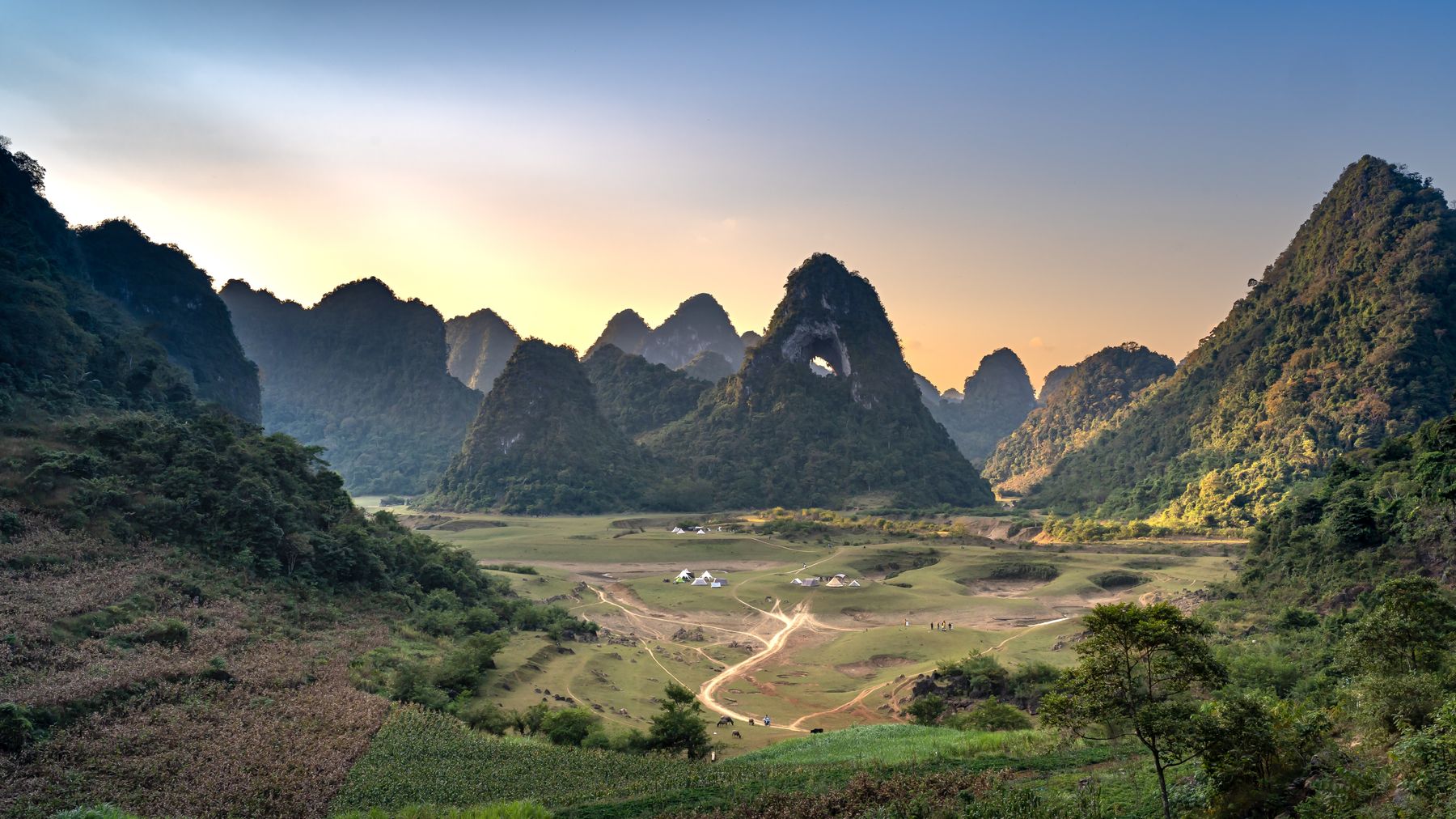
Photo by Quang Nguyen Vinh on Pexels
What to do
Walk the old lane
The main attraction is the lane itself. Start at the small market area and walk north. Look for the Hoa-style houses with carved lintels and heavy wooden doors — several homeowners are used to visitors peeking in, though ask before entering. The Vuong family house (not to be confused with the larger Vuong Palace near Sa Phin) is one of the better-preserved examples.
Visit the local market
Pho Bang has a small periodic market, liveliest on certain days of the lunar calendar. Hmong, Lo Lo, and Hoa villagers come to trade vegetables, livestock, and local rice wine. Even on off-days, a few stalls sell dried goods and herbs worth browsing.
Hike the surrounding trails
From the edge of town, dirt paths lead into the karst landscape — rocky fields, scattered hamlets, and views across the plateau. No marked trails, so ask a local or your guesthouse host to point you toward Sung La or the nearby Hmong villages. A 2-3 hour loop on foot covers good ground.
Try local corn wine
The highlands produce "ruou ngo" (corn wine), fermented and distilled in small batches. Families in Pho Bang sometimes sell bottles from home — 30,000-50,000 VND for a recycled water bottle full of something that'll warm you up fast at altitude.
Photograph the rooftops at dawn
If you stay overnight, get up early. The mist settles into the valley and the tile roofs catch the first light in a way that justifies hauling a camera up here.
Where to eat nearby
Pho Bang itself has limited food options — a couple of small eateries serve rice plates and noodle soup. The local specialty worth seeking is "thang co," a Hmong organ-meat hot pot simmered with herbs that's an acquired taste but genuinely good on a cold morning. You'll find better versions in the Dong Van market, but Pho Bang's simpler pots have a rougher, more homestyle flavor.
For something more familiar, "pho" with local beef is available at simple shops in Dong Van for 30,000-40,000 VND. Don't expect Hanoi-level refinement — broth up here is simpler, but the beef is fresh.
Where to stay
Pho Bang has a handful of homestays, most basic — expect a mattress, a blanket, and shared facilities. Prices range from 100,000-200,000 VND per person including dinner and breakfast.
For more comfort, base yourself in Dong Van (25 km south), where guesthouses run 200,000-500,000 VND/night for a private room with hot water. A few newer boutique-style places have opened closer to 800,000-1,200,000 VND if you want a proper bed after days on a motorbike.

Photo by Quang Nguyen Vinh on Pexels
Practical tips locals would tell you
- Bring cash. There's no ATM in Pho Bang and card payments don't exist here. The nearest ATM is in Dong Van, and even that one runs out of cash on busy weekends.
- Fill your fuel tank in Dong Van. No proper petrol station in Pho Bang — only occasional roadside sellers charging a markup.
- Dress warm in layers. Even in October, mornings at this altitude bite. A decent windbreaker and a fleece will save you.
- Learn two phrases: "Xin chao" (hello) and "Cam on" (thank you) go a long way in places where English is essentially nonexistent.
Common mistakes to avoid
- Rushing through. Some riders zip in, snap photos, leave in 20 minutes. The town reveals more if you sit down, have tea, and let conversations happen — even through gestures.
- Showing up without a plan B for lodging. Homestay capacity is tiny. If a tour group has booked the beds, you're riding back to Dong Van in the dark on mountain roads. Confirm a spot ahead or keep Dong Van as your fallback.
- Expecting Wi-Fi or phone signal. Coverage is spotty. Download offline maps before you leave Ha Giang city.
Practical notes
Pho Bang works best as part of a broader Ha Giang loop — most riders spend 3-4 days covering the circuit from Ha Giang city through Yen Minh, Dong Van, Meo Vac, and back. Adding Pho Bang is a short northern detour from Dong Van that costs you half a day but gives you something the main loop doesn't: stillness.
Last updated · May 29, 2026 · independently researched, never sponsored.





