Rung Thong Ban Ang is a pine forest spread across rolling hills about 12 km southeast of Son La city center. It doesn't get a fraction of the attention that Sapa or Ha Giang pulls, but that's part of the appeal — you get a genuinely quiet stretch of northwest Vietnam (베트남 / 越南 / ベトナム) without the tourist infrastructure (or the crowds) that come with more famous stops.
What it is
The forest covers roughly 100 hectares of three-needle pine trees planted in the 1960s and 1970s as part of reforestation efforts across the northwest highlands. Over the decades, the pines matured into a dense canopy sitting at around 700-800 meters elevation. The area belongs to Ban Ang village, a small Thai ethnic community that still farms the surrounding valleys. In recent years, Son La province developed a reservoir and lakeside area within the forest, turning it into a local recreation zone — but "developed" is relative. We're talking paved paths, a few floating platforms on the lake, and some picnic areas. It hasn't been theme-parked.
Why travelers go
Most people passing through Son La are on the highway between Hanoi and points further northwest — Dien Bien Phu, Lai Chau, or looping back through Mai Chau. Rung Thong Ban Ang works as a half-day stop that breaks up the drive. The forest is genuinely pleasant to walk through: cool air, filtered light through the pine canopy, and almost no noise except birds and wind. The lake is calm and photogenic in the early morning when mist sits on the water. It's not a bucket-list destination — it's a place where you slow down for a few hours in a region where most travelers are just passing through.
Best time to visit
The sweet spot is October through December. The rains have tapered off, the air is crisp (mornings can dip to 12-15°C), and the light through the pines is at its best. January and February work too, though it gets properly cold — single digits at night — and fog can obscure the lake views for days at a time.
Avoid July and August if you can. Heavy rain turns the unpaved trails muddy, and leeches come out in force on the forest floor. March through May is dry but hazy from agricultural burning across the highlands, which kills the atmosphere.
How to get there
From Hanoi (하노이 / 河内 / ハノイ), Son La city is about 300 km northwest — roughly 5-6 hours by car or motorbike via the QL6 highway through Hoa Binh and Moc Chau. Buses from My Dinh station run to Son La bus station daily; expect to pay around 200,000-250,000 VND for a seat on a standard coach.
From Son La city center, Rung Thong Ban Ang is a 15-20 minute motorbike ride heading southeast on a local road. You can rent a motorbike in town for 120,000-180,000 VND per day, or hire a "xe om" (motorbike taxi) for around 50,000-70,000 VND one way. There's no public bus to the forest itself. If you're driving the Hanoi-to-northwest loop on your own bike, it's a minor detour off the main highway.

Photo by Tho Ta on Pexels
What to do
Walk the pine trails
The main loop trail through the forest takes about 60-90 minutes at a relaxed pace. The ground is mostly packed earth and pine needles — comfortable in sneakers, no trekking gear needed. Stick to the trails that head uphill from the lake for better views over the valley. Early morning is best; by midday the paths near the lake get busier with local visitors.
Sit by the lake
Ban Ang Lake sits in a depression within the forest, fed by a small stream. There are floating bamboo platforms you can sit on — some locals fish from them, and you can join in if you ask. The water is clean but cold. It's a good spot to park yourself with a book or a thermos of tea for an hour.
Visit Ban Ang village
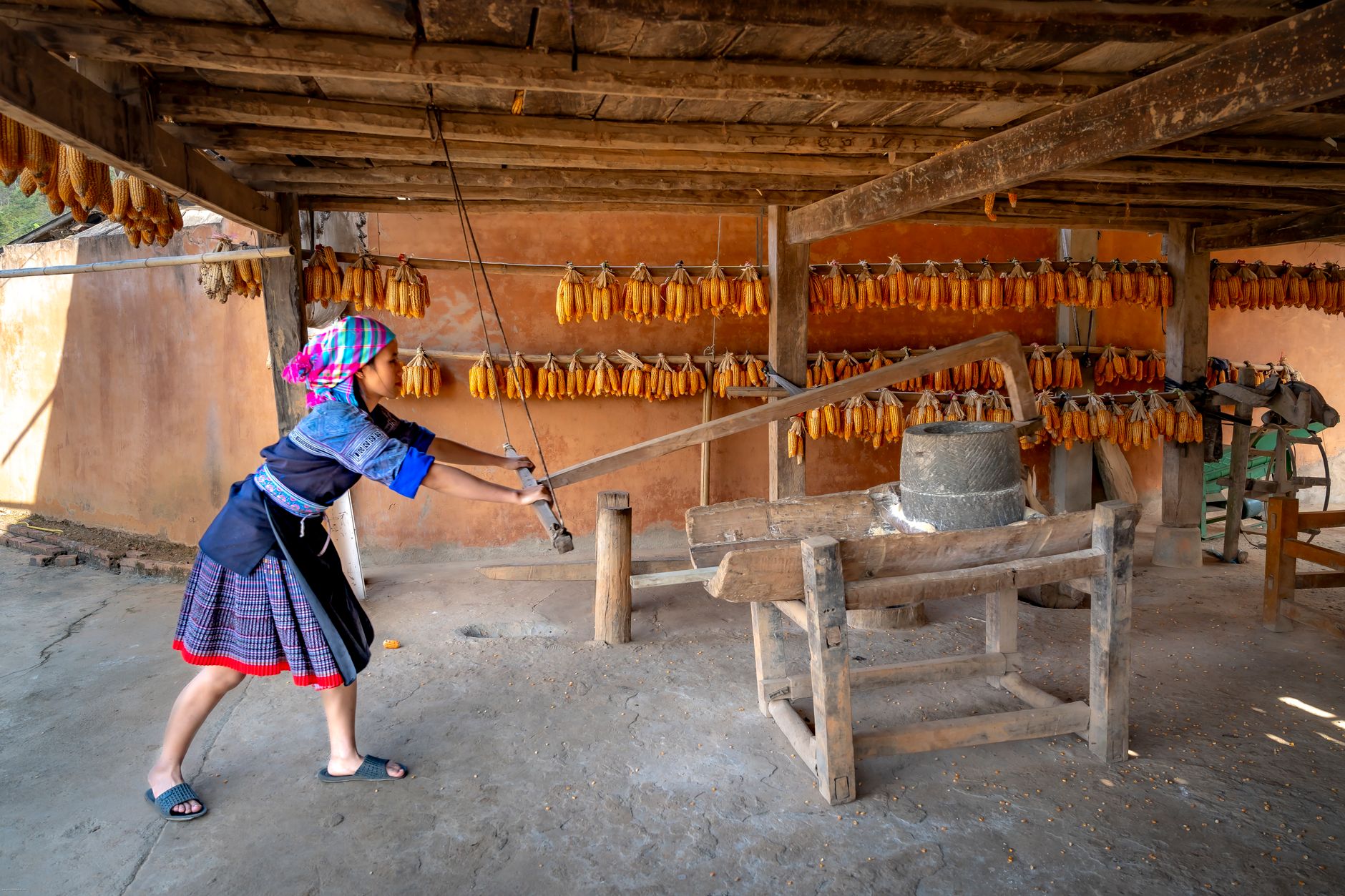
The Thai community in Ban Ang is small and largely agricultural. Walking through the village takes maybe 30 minutes. You'll see traditional stilt houses, small garden plots, and rice terraces in the lower fields. Don't expect a curated cultural experience — this is a working village. Be respectful, ask before photographing people, and don't wander into homes uninvited.
Cycle the surrounding roads
If you have a bicycle (some guesthouses in Son La city can arrange one), the roads around the forest are quiet and gently hilly — good for a couple of hours of riding. The route from Son La through Chieng An commune toward the forest passes through tea plantations and small hamlets.
Camp overnight
Some travelers pitch tents near the lakeshore, particularly on weekends. There are no formal campsites, but the forest management doesn't restrict it. Bring your own gear — there's nothing to rent on-site. Nights are quiet and cold; pack a proper sleeping bag from October onward.
Where to eat nearby
There are a couple of small food stalls near the lake entrance selling grilled meat, sticky rice, and instant noodles, but nothing substantial. For a real meal, head back into Son La city.
Look for "com lam" — sticky rice cooked inside bamboo tubes over charcoal, a Thai ethnic specialty common in the northwest. It's sold at small restaurants along the main road in Son La for 15,000-25,000 VND per tube. Pair it with "pa pinh top," a whole fish stuffed with herbs and grilled in banana leaves. A few places on Truong Chinh street in Son La city do both dishes well.
For breakfast before heading to the forest, "pho" shops in Son La city center open by 6 AM — the local version uses more herbs and a slightly sweeter broth than what you'll find in Hanoi.
Where to stay
There are no hotels at Rung Thong Ban Ang itself. Stay in Son La city, where options range from basic guesthouses (200,000-350,000 VND per night) to mid-range hotels with hot water and decent beds (500,000-800,000 VND). A few homestays in nearby Thai villages offer stilt-house accommodation for 150,000-250,000 VND per person including dinner, though you'll need to arrange these in advance — they don't show up on booking apps.

Photo by Quang Nguyen Vinh on Pexels
Practical tips locals would tell you
- Bring your own water and snacks. The stalls at the forest close early or don't open at all on weekdays.
- Wear long pants if you're walking off the main trails, especially in the wet season. Leeches and thorny undergrowth are real.
- Mobile signal (Viettel) is decent near the lake but drops in the deeper forest.
- If you're visiting on a weekend, arrive before 8 AM to avoid local picnic groups who set up with speakers and karaoke equipment by mid-morning.
Common mistakes to avoid
- Treating it as a full-day destination. Rung Thong Ban Ang is a half-day stop. If you've allocated a whole day, pair it with a visit to Son La's old French prison or the Moc Chau tea plateau, about 80 km back toward Hanoi.
- Skipping it because it's "just a pine forest." The value here is the pause, not the spectacle. After 6 hours on a motorbike through mountain switchbacks, an hour under quiet pines recalibrates you.
- Not bringing layers. Even in October, mornings at 700 meters elevation are chilly. A light jacket disappears into your bag and saves you from cutting a walk short.
Practical notes
Entry to the forest area is free or costs a nominal 10,000-20,000 VND parking fee depending on whether anyone's manning the entrance. There are basic toilet facilities near the lake. Son La city has ATMs (Agribank, Vietcombank) and a hospital if you need anything before heading further into the northwest.
Last updated · Jul 13, 2026 · independently researched, never sponsored.