Son La Museum — known locally as "Bao tang Son La" — occupies a hilltop in the center of Son La city, right on the grounds of the old French colonial prison. If you're passing through the northwest on the way to Dien Bien Phu or looping back from Mai Chau, this is the one stop in Son La city that actually rewards a couple of hours.
What it is
The museum complex sits on Khau Ca hill, combining two things in one site: the remains of the Son La Prison (built by French colonial authorities in 1908) and a regional museum documenting the history and ethnic cultures of Son La province. The prison once held political detainees during the colonial period, and what's left — stone walls, punishment cells, a lone peach tree in the courtyard that's become a local symbol — gives you a tangible sense of the place without heavy-handed presentation.
The museum building itself, adjacent to the prison ruins, houses artifacts and exhibits on the twelve ethnic groups in Son La province, including Thai, H'Mong, Muong, and Dao communities. Expect handwoven textiles, farming tools, musical instruments, and dioramas of traditional stilt houses.
Why travelers go
Son La city is a transit point — most people sleep here one night between Hanoi and points further northwest. The museum gives you a reason to actually get out of the hotel. It's compact, walkable, and genuinely informative if you're curious about highland ethnic cultures before heading into more remote areas like Mu Cang Chai or Ta Xua. The hilltop location also gives you a wide view over Son La's valley, which helps orient you in a city that otherwise doesn't have obvious landmarks.
Best time to visit
Son La province is pleasant from October through March — dry, cool, and clear skies. December and January can dip to 8-10°C at night, so bring a jacket. The museum and prison ruins are outdoors and partially uncovered, so avoid July and August if you can — monsoon rains make the stone steps slippery and the hilltop exposed. If you're timing a northwest loop, pairing Son La with the rice terraces in Mu Cang Chai (September-October harvest season) makes sense.
The museum is open daily, typically 7:30-11:00 and 13:30-17:00. Closed during lunch — this is standard for Vietnamese museums outside major cities, so plan accordingly.
How to get there
From Hanoi (하노이 / 河内 / ハノイ), Son La city is about 300 km northwest via National Highway 6 (QL6). You have two main options:
- Bus: Sleeper buses run from My Dinh bus station in Hanoi to Son La bus station. The ride takes roughly 5-6 hours and costs 180,000-250,000 VND depending on the operator. Hai Van and Hung Thanh are common carriers. Buses depart throughout the day, with early morning departures (6:00-7:00) getting you there by lunchtime.
- Motorbike: The QL6 route through Hoa Binh and Mai Chau is one of Vietnam (베트남 / 越南 / ベトナム)'s classic northwest rides — mountain passes, valley views, and Thai villages along the way. Budget a full day of riding. Fuel stops are frequent enough.
Once in Son La city, the museum is about 1.5 km from the bus station. A xe om (motorbike taxi) costs 15,000-20,000 VND, or you can walk uphill in 20 minutes.

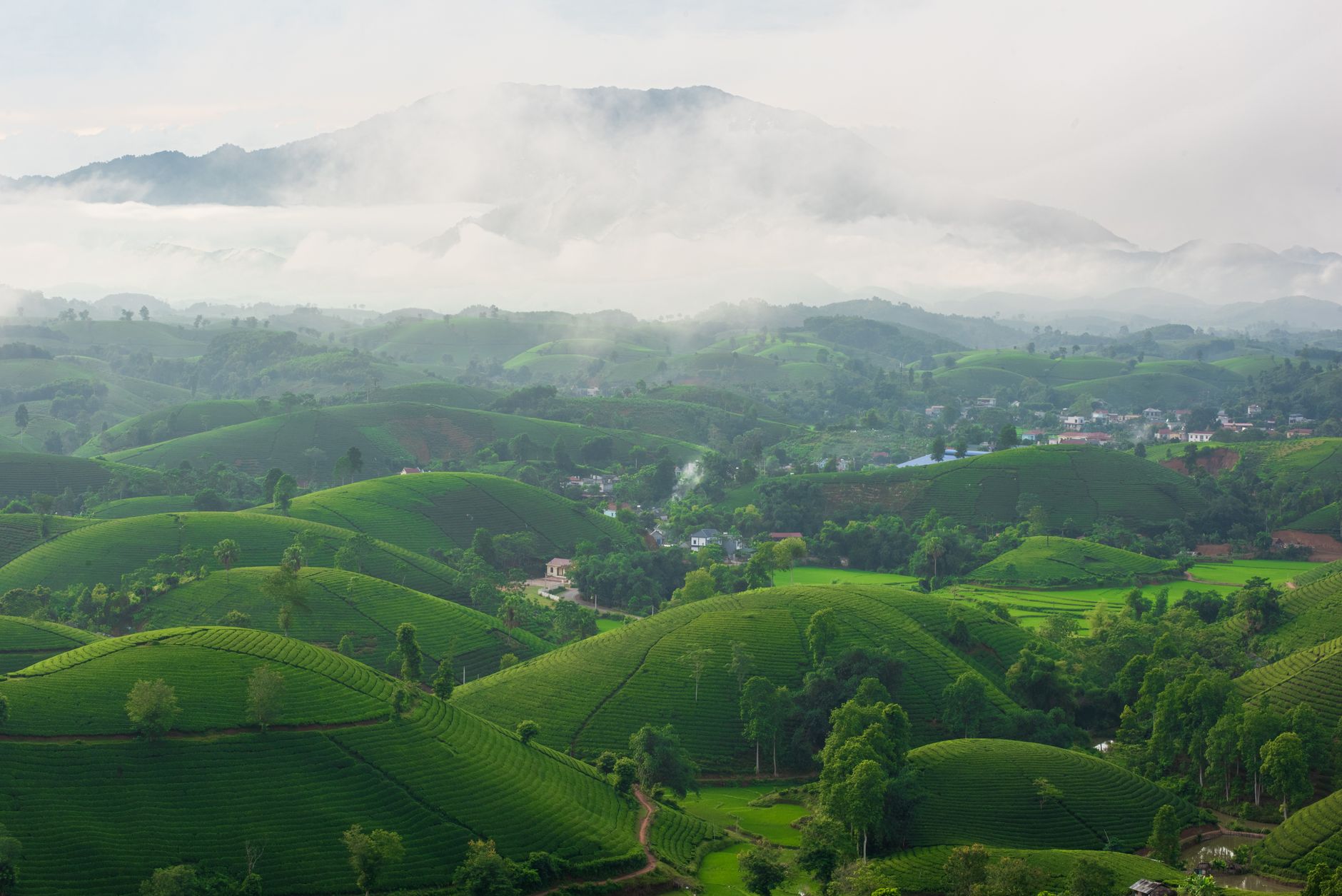
Photo by Tho Ta on Pexels
What to do
Walk the prison ruins
The stone cellblocks and solitary confinement chambers are partially intact. Interpretive signs (in Vietnamese and English) explain the layout and conditions. The famous To Hieu peach tree — said to have been planted by a political prisoner in the 1940s — still stands in the courtyard. It blooms around Tet, which makes a January visit particularly atmospheric.
Explore the ethnic culture exhibits
The indoor museum has a solid collection of Thai and H'Mong textiles, silver jewelry, bamboo musical instruments, and ritual objects. If you're heading into remote villages later in your trip, this gives useful context. The exhibits on Black Thai weaving traditions are especially detailed — you'll recognize the patterns when you see them in market towns further north.
Climb the watchtower viewpoint
At the top of the hill, a reconstructed watchtower gives you a 360-degree view of the Son La valley and surrounding limestone ridges. On clear mornings, the light is genuinely good for photos. It's a short climb from the main courtyard.
Check the rotating exhibitions
The museum occasionally hosts temporary displays on local crafts, photography of the northwest highlands, or archaeological finds from the province. No schedule published online — just see what's on when you arrive.
Visit the adjacent Cong Toi monument area
Just downhill from the museum, a small park with memorials and shaded paths connects to the main road. It's a quiet place to sit after the museum, and local families often gather here in the late afternoon.
Entry to the museum and prison site costs 20,000 VND per person.
Where to eat nearby
Son La city isn't a culinary destination, but two local specialties are worth tracking down:
- "Pa pinh top" — a whole freshwater fish stuffed with herbs, wrapped in banana leaf, and grilled over charcoal. It's a Black Thai dish and you'll find it at small restaurants along Truong Chinh street, about 1 km from the museum. Expect to pay 80,000-120,000 VND per fish.
- "Thit trau gac bep" — smoked buffalo meat, dried over a wood fire and sliced thin. It's chewy, intensely savory, and sold at the Son La market as well as served in local rice-and-meat eateries. A portion runs about 60,000-80,000 VND.
For a regular meal, the streets around the central market have "com binh dan" (everyday rice plates) for 30,000-40,000 VND.
Where to stay
Son La city has basic hotels concentrated along the main road (Truong Chinh and To Hieu streets). No luxury options — this is a functional transit town.
- Budget: Nha nghi (guesthouses) from 150,000-250,000 VND/night. Clean enough, hot water, Wi-Fi.
- Mid-range: Trade Union Hotel (Khach san Cong Doan) or Son La Hotel offer rooms from 350,000-500,000 VND with air conditioning and breakfast.
- Homestay: A few Thai stilt house homestays operate in Chieng Xom village, about 3 km from the city center. Around 200,000-300,000 VND per person including dinner.

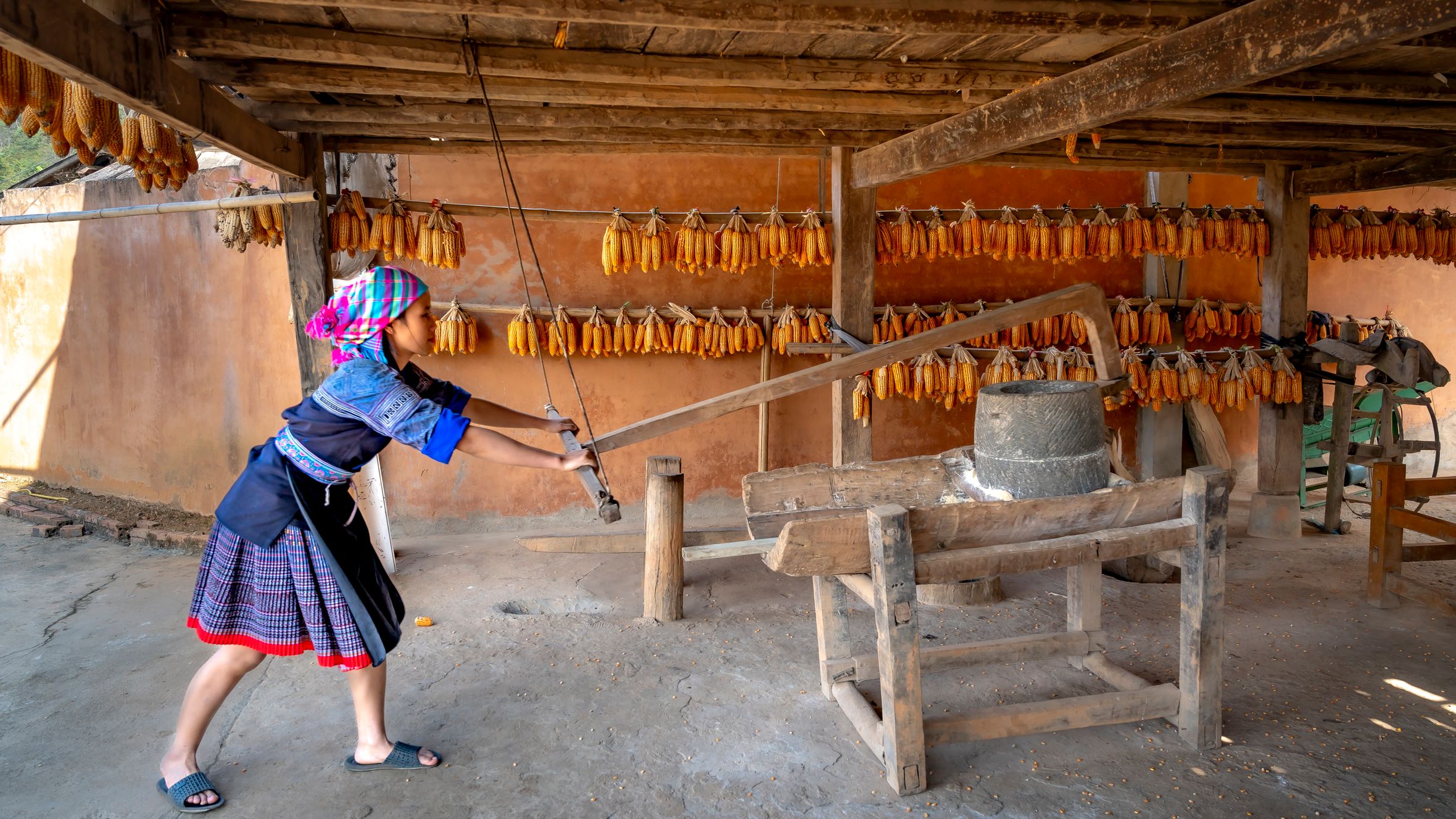
Photo by Thái Trường Giang on Pexels
Practical tips locals would tell you
- Bring cash. ATMs exist in Son La city but card payments at the museum, restaurants, and guesthouses are rare.
- The museum's English signage has improved in recent years but is still patchy. A translation app on your phone helps for the deeper exhibit panels.
- If you're riding a motorbike, the road from Mai Chau to Son La (Pha Din pass section) is best tackled in daylight. Fog rolls in fast after 16:00 during cooler months.
- Son La's morning market, about 800 m from the museum, is at its busiest from 6:00-8:00 and worth the early start for ethnic minority produce and textiles.
Common mistakes to avoid
- Arriving during lunch hours (11:00-13:30). The museum closes. You'll end up sitting on the steps waiting. Time your visit for morning or mid-afternoon.
- Skipping the indoor museum. Most visitors walk through the prison ruins, take photos, and leave. The ethnographic exhibits inside are genuinely well-curated and give you more insight into the region than the prison site alone.
- Not allocating enough time. The complex is small but detailed. Budget 90 minutes to two hours if you actually read the displays, rather than rushing through in 30 minutes between bus connections.
Practical notes
Son La Museum works best as a stopover on a longer northwest Vietnam trip — combine it with Mai Chau, Mu Cang Chai, or the ride to Dien Bien Phu. It's not a destination you'd fly across the country for, but if you're already in the neighborhood, it's a well-spent morning.
Last updated · Sep 3, 2026 · independently researched, never sponsored.