Hang Chi Day is one of the largest limestone caves in northwestern Vietnam (베트남 / 越南 / ベトナム), sitting about 20 km from Son La city in Chieu Luong commune. It doesn't get tour buses. It doesn't have an Instagram hashtag with a million posts. That's precisely why it's worth the trip.
What it is
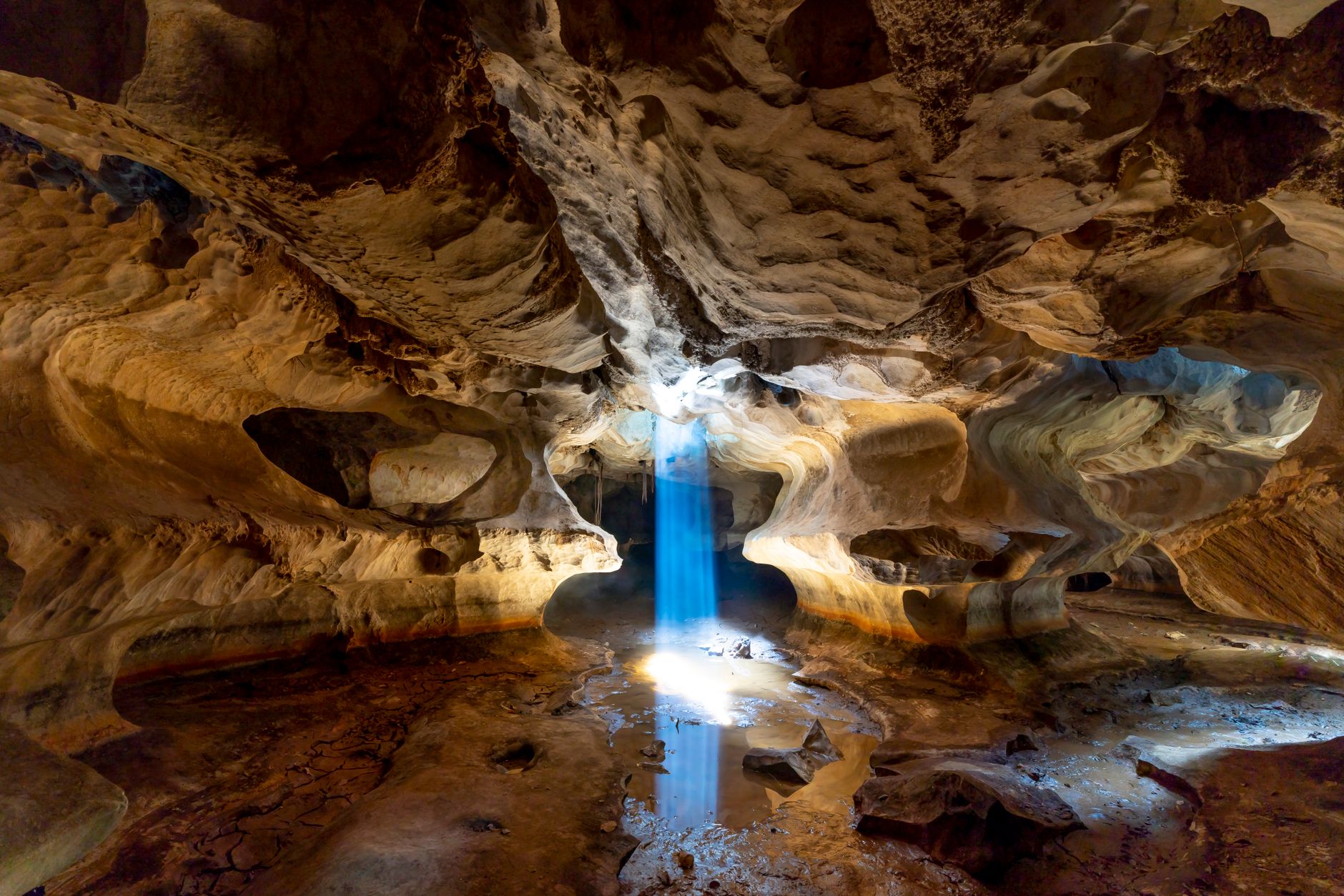
Hang Chi Day — sometimes written Chi Day Cave — is a natural karst cave carved into the limestone mountains that define Son La province. The cave stretches roughly 800 meters deep, with chambers reaching up to 30 meters high in places. Inside, you'll find stalactite and stalagmite formations that have been building up for thousands of years, some of them resembling pillars, curtains, and layered terraces.
Locals from the Thai ethnic communities nearby have known the cave for generations. It served as a shelter during wartime and has long held spiritual significance for surrounding villages. The provincial government opened it to visitors in the mid-2010s with basic walkways and lighting installed along the main passage. It's low-key infrastructure — don't expect the polished boardwalks of Ha Long Bay cave systems — but it's functional and lets you get surprisingly deep into the mountain.
Why travelers go
Most people visiting Son La are passing through on the Hanoi–Dien Bien Phu route or looping through the northwest highlands via Mai Chau, Moc Chau, and Son La. Hang Chi Day gives you a reason to pause in Son La beyond the old French colonial prison. The cave itself is genuinely impressive in scale, and because visitor numbers stay low, you'll often have entire chambers to yourself on weekday mornings. The surrounding valley — terraced rice paddies backed by karst peaks — is worth the drive alone.
Best time to visit
The sweet spot is October through April. Son La sits at around 700 meters elevation, so winters are cooler than the lowlands — expect 10–20°C from December to February. The cave maintains a steady temperature year-round (around 18–22°C inside), making it a welcome escape from summer heat or winter chill alike.
Avoid July and August if you can. Heavy rains can make the access road muddy and sections near the cave entrance slippery. The cave doesn't flood, but the approach gets messy. September and October bring the tail end of the rice harvest — the valley turns gold, and the weather starts drying out. That's arguably the best window.
How to get there
From Hanoi (하노이 / 河内 / ハノイ): Son La city is roughly 300 km northwest. You have two main options:
- Bus: Sleeper buses run from My Dinh bus station to Son La bus station daily. The ride takes 5–6 hours and costs 200,000–280,000 VND depending on the operator. Hai Van and Hung Thanh are reliable names.
- Motorbike: The QL6 highway from Hanoi through Hoa Binh and Mai Chau to Son La is one of the classic northwest routes. Expect 7–8 hours of riding with stops. You can break the journey in Mai Chau or Moc Chau.
From Son La city to Hang Chi Day: The cave is about 20 km south of the city center, along a provincial road toward Chieu Luong. By motorbike, it's 30–40 minutes. If you don't have your own wheels, hire a "xe om" (motorbike taxi) from Son La for around 100,000–150,000 VND one way, or negotiate a round trip with waiting time for 300,000–400,000 VND. There's no public bus to the cave.

Photo by Phạm Nho on Pexels
What to do
Walk the full cave passage
The lit walkway runs about 600 meters into the mountain. Budget 45–60 minutes to walk it at a comfortable pace, stopping to look up at the formations. Bring a headlamp or phone flashlight — some sections between the installed lights are dim, and the side chambers reward a closer look. The main gallery about 400 meters in has the tallest ceiling and the most dramatic formations.
Explore the valley on two wheels
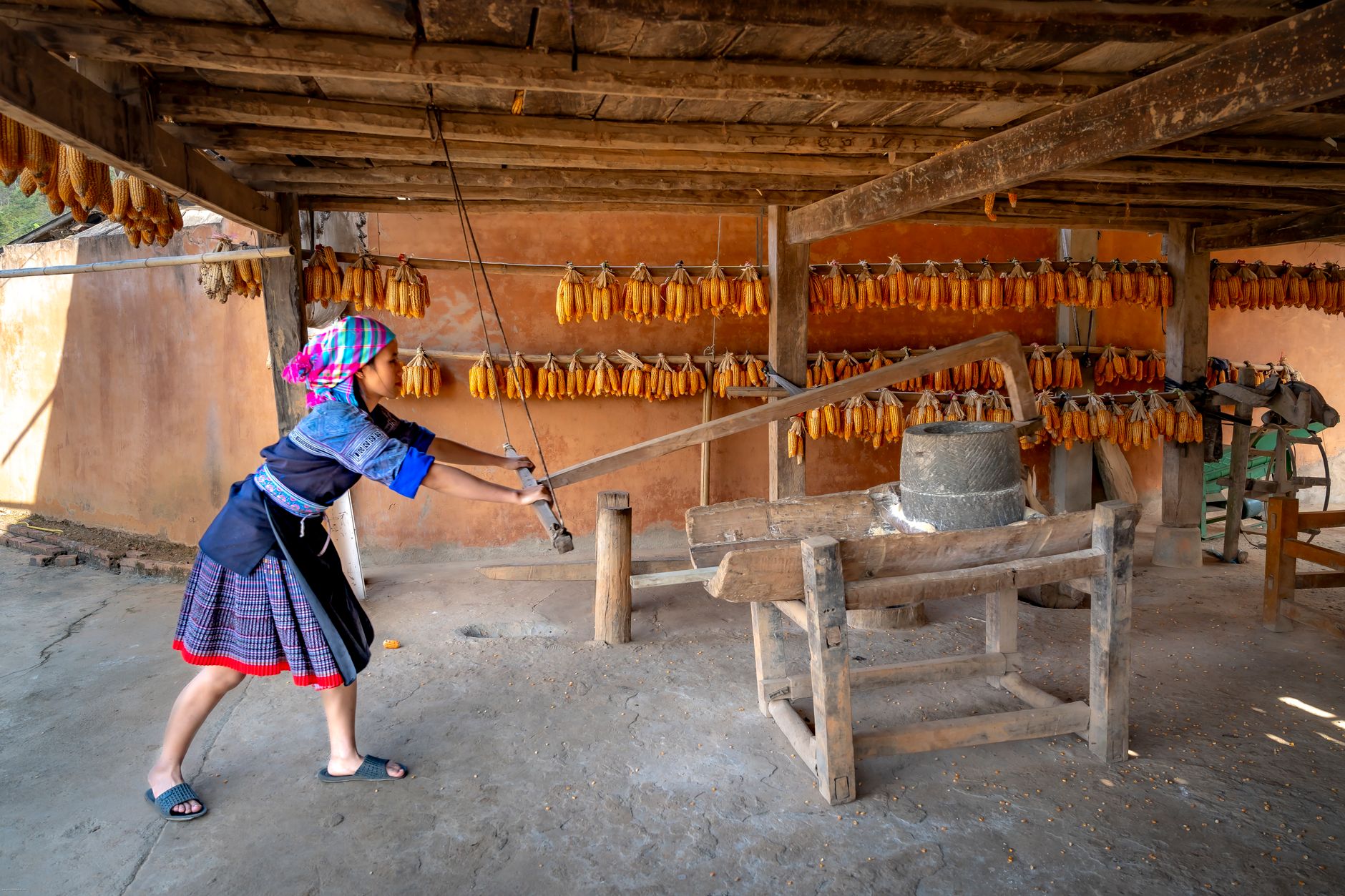
The road to Hang Chi Day passes through Thai and Hmong villages with stilt houses, fish ponds, and rice terraces. If you're on a motorbike, take the side lanes that branch off the main road. The riding is flat and easy compared to the mountain passes further north. Early morning is best — mist hangs in the valley, farmers are out, and there's almost no traffic.
Visit the local weekly market
Son La's central market operates daily, but the bigger regional market days (check locally — they rotate) bring in hill-tribe vendors selling forest herbs, handwoven textiles, and fresh produce you won't find in Hanoi. It's a working market, not a tourist setup.
Stop at the Son La Provincial Museum and Old Prison
Back in town, the French colonial prison (Nha Tu Son La) is a 30-minute visit that adds historical context to the region. It's a compact site on a hilltop with views over the city. Entry is 20,000 VND.
Where to eat nearby
Son La's food leans heavily on Thai ethnic cuisine. Two things to seek out:
- "Pa pinh top" — freshwater fish stuffed with herbs (lemongrass, mac khen pepper, dill) and grilled over charcoal. Most local restaurants along the main road in Son La city serve it. Expect 80,000–150,000 VND per fish depending on size.
- "Nanh" (bamboo-tube rice) — sticky rice cooked inside a bamboo section over coals. It picks up a subtle sweetness from the bamboo. You'll find it at market stalls and roadside eateries for 15,000–25,000 VND per tube.
For a sit-down meal, the strip of local restaurants on Duong To Hieu street near the city center is reliable. Point-and-choose places with pre-cooked dishes are the norm — a full meal runs 50,000–80,000 VND.
Where to stay
Son La city has enough guesthouses and mini-hotels to cover most budgets:
- Budget: Basic "nha nghi" (guesthouses) near the bus station run 150,000–250,000 VND/night. Clean enough, hot water, Wi-Fi.
- Mid-range: Hotels like Trade Union Hotel or Cong Doan Son La offer rooms with better beds and breakfast included for 400,000–600,000 VND/night.
- Homestay: A handful of Thai stilt-house homestays operate in villages between Son La and Chieu Luong. These cost 200,000–350,000 VND including dinner and breakfast. Ask at the Son La tourism office or search on local booking apps.

Photo by Q. Hưng Phạm on Pexels
Practical tips locals would tell you
- Bring layers. The cave is cool inside and the ride back on a motorbike in the evening can be cold, especially November through February.
- Wear shoes with grip. The cave floor is damp in places and the walkway has some uneven stone sections. Flip-flops are a bad idea.
- Carry cash. There's no ATM near the cave, and card payment doesn't exist out here. Stock up in Son La city.
- Entry fee: Around 30,000–40,000 VND at the cave entrance. A local guide may offer to walk you through for a small tip — it's worth it for the context.
- Fuel up before you leave Son La. There are a couple of small fuel stops on the road to Chieu Luong, but they can be closed midday.
Common mistakes to avoid
- Rushing through on a Dien Bien Phu transit. Son La gets treated as a lunch stop. Give it at least one night — the cave, the valley, and the food justify it.
- Visiting only the cave and skipping the valley. The ride is half the experience. Don't just taxi in and taxi out.
- Expecting Phong Nha-level infrastructure. This is a provincial-level site. Lighting is basic, there's no gift shop, and English signage is minimal. That's part of the appeal — come prepared and enjoy it for what it is.
Practical notes
Hang Chi Day works best as part of a broader northwest Vietnam loop — pair it with a few nights in Mai Chau, a stop in Moc Chau for tea plantations, then continue to Dien Bien Phu or loop back to Hanoi. Son La itself is an honest, unhurried town, and the cave gives you a concrete reason to slow down in a province most travelers drive straight through.
Last updated · Jun 11, 2026 · independently researched, never sponsored.